

 Ver en contexto
 Enviar
 Compartir
 Detalles

 Descargar
 Similares
 Radiografía
 Presentación de diapositivas
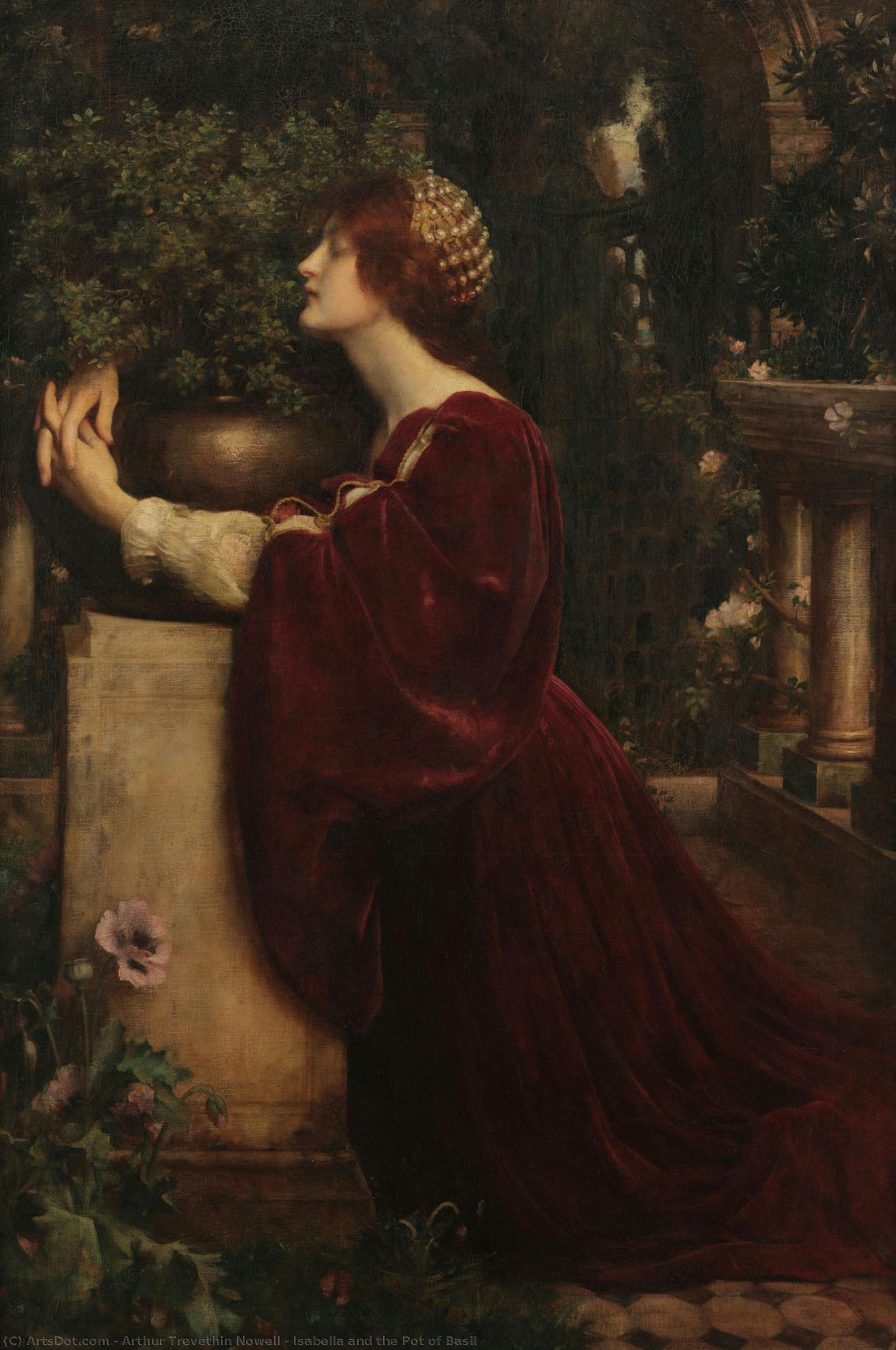
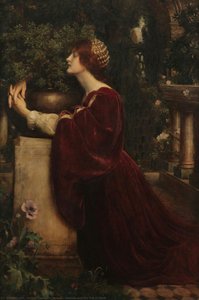
Isabella and the Pot of Basil
 1904
1904 155.0 x 102.0 cm
 Museo de Arte de Ponce
 Ver más
Giclée / Impresión de arte
Impresiones giclée o en lienzo de calidad de museo con producción rápida y opciones de acabado flexibles. ( Comprar pintura hecha a mano Comprar imagen)




































Elija entre nuestros tamaños predefinidos que respetan las proporciones originales de la obra.

Puede introducir sus propias dimensiones para adaptarse a un marco o espacio específico. Si el tamaño seleccionado no coincide con las proporciones de la imagen original, recortaremos la obra de arte o extenderemos la imagen con un borde con efecto espejo o de color sólido. Se enviará una maqueta digital para su aprobación antes de que comience la producción.
Tenga en cuenta que la vista previa en pantalla no refleja el recorte o la extensión real. Solo la maqueta mostrará con precisión la composición final.
Aunque existen tamaños personalizados, recomendamos seleccionar una dimensión de la lista predefinida para preservar las proporciones originales.
Envío a todo el mundo () en 2 semanas en lugar de las 4/5 semanas estándar. (24 agosto)

Envío exprés gratuito a todo el mundo

Lienzo de lino de alta calidad

Seguro de envío total

Garantía de reembolso de impuestos aduaneros

Garantía de fidelidad cromática exacta

Política de devolución de 60 días (solo por defectos)

Garantía de devolución del 100% del dinero

Descuento por cantidad
 La opción de vidrio solo está disponible en tamaños inferiores a 110 cm.

Isabella and the Pot of Basil
Giclée / Impresión de arte
Dimensiones de la reproducción
-


Precio total final
$ 62
Descripción de la pieza
Obras relacionadas






Biografía del artista
The Atmospheric Legacy of Arthur Trevethin Nowell
Born in the Welsh village of Garndiffaith, Trevethin in 1862, Arthur Trevethin Nowell emerged as a painter of profound versatility, capable of navigating the delicate boundary between Victorian tradition and the burgeoning light of Impressionism. His early life was shaped by the itinerant nature of his father’s vocation as a Wesleyan Minister, a journey that brought him to Lancashire and provided a diverse tapestry of landscapes and cultures. This nomadic upbringing instilled in him a keen eye for the changing moods of the natural world, an instinct that would later define his celebrated landscape works. His formal training at the Manchester School of Art served as the bedrock of his technical mastery, where he studied under the influential Augustus John. From this mentorship, Nowell inherited a profound sensitivity to capturing fleeting moments and emotional resonance, learning to use tonal gradations to breathe life into the canvas.
The trajectory of Nowell’s career reached a spectacular zenith through his academic triumphs and international exposure. After honing his skills in Manchester, he entered the prestigious Royal Academy Schools in 1893, eventually earning both the Gold Medal and the Turner Prize by 1898. These accolades were accompanied by a transformative period of study in Paris, where the vibrant energy of French Impressionism began to seep into his classical foundations. This era of his life was marked by an extraordinary ability to blend the grand, narrative scale of historical painting with a modern, atmospheric approach to light and color. His monumental biblical canvas, The Expulsion of Adam and Eve (1897), remains a cornerstone of his legacy; housed in the Walker Art Gallery, it demonstrates a masterful command of drama, utilizing intricate compositions and celestial light to evoke the profound tension of the Fall.
A Mastery of Portraiture and Landscape
As his reputation expanded across Europe and even to the burgeoning art markets of New York, Nowell’s subject matter evolved with a sophisticated grace. While he gained widespread acclaim for his dramatic religious scenes, he was equally sought after as a portraitist of high society. His talent for capturing the dignity and psychological depth of his sitters led to prestigious commissions, most notably for members of the British Royal Family, including King George V and Queen Mary. These portraits, characterized by rich textures and an elegant realism, stand as testaments to his ability to convey status through subtle, nuanced brushwork. Whether depicting the refined elegance of Mrs. Wiseman or the regal presence of royalty, Nowell possessed a rare gift for rendering the human spirit within the framework of formal tradition.
In his later years, as the fervor for grand historical narratives began to wane in the face of modernism, Nowell found a renewed passion in the more intimate realms of landscape and watercolor. His travels through Scotland and Europe allowed him to explore the rugged, untamed beauty of nature, particularly the dramatic sight of rivers in spate. In these works, one sees the true synthesis of his artistic identity: the technical precision of a Victorian master married to the emotive, light-drenched spirit of an Impressionist. His later excursions into watercolor allowed for a more spontaneous, lyrical expression, capturing the ephemeral qualities of mist, water, and light that had always been the heartbeat of his creative soul.
Artistic Significance and Enduring Influence
The significance of Arthur Trevethin Nowell lies in his role as a bridge between eras. He did not merely exist within the transition from the 19th to the 20th century; he actively embodied it. His work reflects a period of intense artistic dialogue, where the weight of classical mythology and biblical narrative met the modern obsession with light, atmosphere, and subjective experience. To study Nowell is to witness the evolution of British art itself—from the structured, moralistic tones of the Victorian age to the fluid, sensory-driven explorations of the new century.
His contributions can be summarized through several key artistic pillars:
- Technical Versatility: An exceptional ability to move seamlessly between large-scale oil canvases, intimate portraits, and delicate watercolors.
- Stylistic Synthesis: The successful integration of Impressionistic light and color with the rigorous anatomical and compositional standards of the Royal Academy.
- Narrative Depth: A profound capacity to imbue both religious subjects and natural landscapes with palpable human emotion and dramatic tension.
- Global Reach: An exhibition history that spanned the most important galleries in London, Europe, and America, cementing his status as a truly international figure of his time.
Though the tides of art history eventually moved toward more radical abstractions, the works of Nowell remain enduringly captivating. They offer a window into a world where beauty was found in the meticulous rendering of detail and the soulful capture of a passing shadow, ensuring his place in the annals of British art as a master of both the seen and the felt.
arthur trevethin nowell
1862 - 1940
Datos clave
- Artistic Movement Or Style: Realism
- Artists Or Movements Influenced By This Artist: ['Victorian Art']
- Artists Who Influenced This Artist: ['Augustus John']
- Date Of Birth: 1862
- Date Of Death: 1940
- Full Name: Arthur Trevethin Nowell
- Nationality: British
- Notable Artworks:
- The Expulsion of Adam and Eve
- Mrs Wiseman
- Place Of Birth: Wales

