 Vista previa
 Compartir
 Compartir
 Ver detalles

 Descargar
 Ver similares
 Radiografía
 Presentación de diapositivas
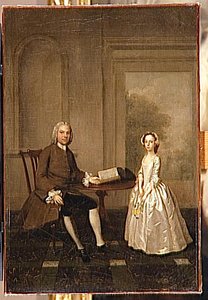
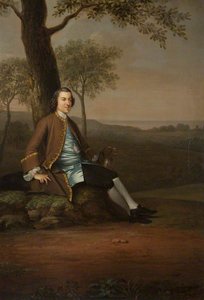
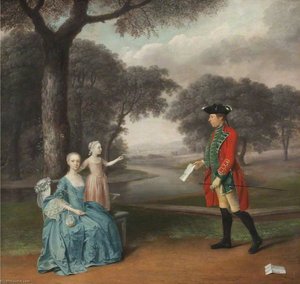
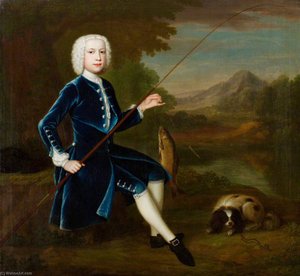
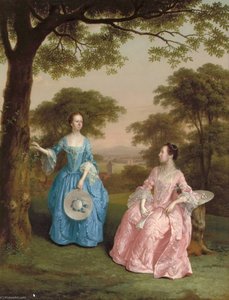
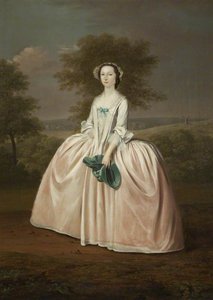
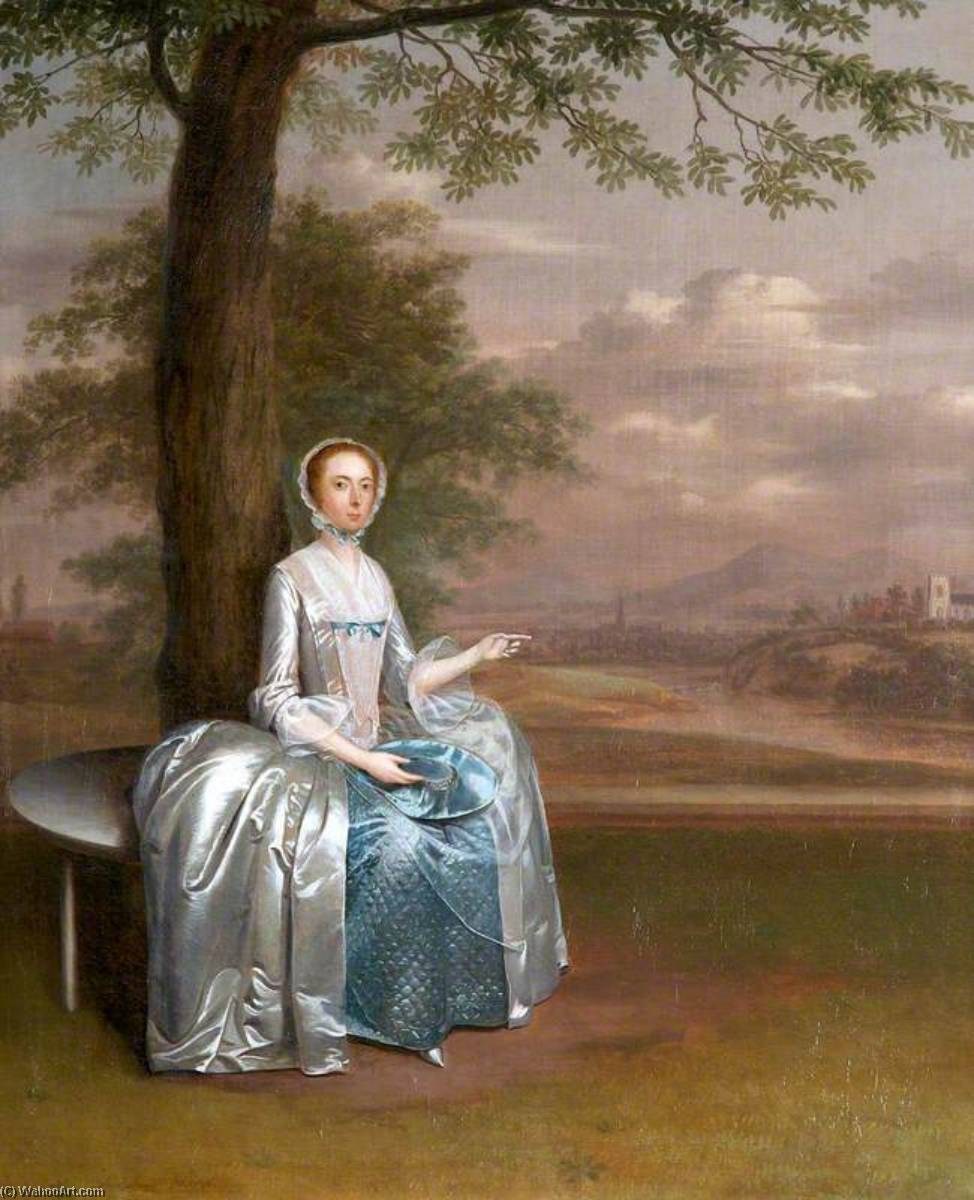
Mary Cawthorne (1724–1796), Mrs Morley Unwin
 Acrylic On Canvas
- WallArt
- Conversation Piece
 1750
1750 75.0 x 62.0 cm
 National Trust
 Leer más
Reproducción al óleo hecha a mano
Óleo sobre lienzo pintado a mano en el tamaño y marco de su elección, realizado por encargo por nuestros artistas. ( Pedir impresión Comprar descarga)




P118B $10

P118H $10

P118W $10

P438Z $10

P508JH $12

P508YH $12

P805H $10

P805Z $10

P919BZ $10

P919G $10

P919XJ $10

P959ZH $10

P968JZ $12

W106C $8

W218G $10

W218JH $8

W218Y $10

W307PJ $10

W316G $10

W316PJ $8

W316Y $10

W398PJ $8

W4111J $10

W500HY $15

W500JH $15

W692G $12

W849H $8

W940BG $15

W953PJ $8




Elija entre nuestros tamaños predefinidos que respetan las proporciones originales de la obra.

Puede ingresar sus propias dimensiones para adaptarse a un marco o espacio específico. Si el tamaño seleccionado no coincide con las proporciones de la imagen original, recortaremos la obra o extenderemos la pintura con elementos adicionales pintados a mano. Se le enviará una maqueta digital para su aprobación antes de comenzar la producción.
Tenga en cuenta que la vista previa en pantalla no refleja el recorte o la extensión reales. Solo la maqueta mostrará con precisión la composición final.
Si bien existen tamaños personalizados, recomendamos seleccionar una dimensión de la lista predefinida para preservar las proporciones originales.
Tras realizar el pedido, el equipo de ArtsDot.com enviará un correo electrónico al cliente para solicitar instrucciones y proporcionarle una vista previa del boceto.
Envío a todo el mundo () en 3-4 semanas en lugar de las 5 semanas estándar. (20 agosto). Sin comprometer la calidad.

Envío exprés gratuito a todo el mundo

Lienzo de lino de alta calidad

Seguro de envío completo

Garantía de reembolso de aranceles aduaneros

Garantía de fidelidad cromática exacta

Política de devolución de 60 días (solo por defectos)

Garantía de devolución del 100% del dinero

Oferta por volumen
 La opción de vidrio solo está disponible en tamaños inferiores a 110 cm.

Mary Cawthorne (1724–1796), Mrs Morley Unwin
Técnica de reproducción
Tamaño de la reproducción
-


Precio total
$ 263
Descripción de la obra
A Portrait of Quiet Dignity: Mary Cawthorne, Mrs Morley Unwin by Arthur William Devis
Arthur William Devis’s “Mary Cawthorne (1724–1796), Mrs Morley Unwin,” painted circa 1750 and now residing within the hallowed halls of Knightshayes Court in Devon, is more than a simple portrait; it's a window into the domestic life and burgeoning intellectual circles of Georgian England. Devis, a master of the “conversation piece”—a genre that captured intimate scenes of family gatherings and refined interiors—here presents us with a woman radiating an understated elegance, seated beneath the dappled shade of a venerable tree.
The painting immediately draws the eye to its subject’s posture. Mary Cawthorne is depicted in a pose of serene contemplation, her hands resting gracefully on her lap, suggesting both composure and a quiet inner life. Her attire—a richly patterned blue and silver satin mantua, adorned with lace detailing— speaks volumes about her social standing and the fashion sensibilities of the era. The subtle use of color – the deep blues and silvers contrasted against the earthy tones of the tree trunk – creates a harmonious balance, reflecting the refined taste prevalent in upper-class society.
Devis’s skill lies not merely in his ability to render likeness but in his capacity to imbue his subjects with personality. Mary Cawthorne isn't simply a representation; she possesses an air of intelligence and gentle dignity. The inclusion of three birds – one on the left, another towards the top right corner, and a third near the center-right—adds a touch of life and movement to the scene, hinting at a connection with nature and perhaps even a sense of freedom within the confines of her social world. The distant church, rendered in muted tones, suggests a spiritual grounding, reflecting the importance of faith in 18th-century England.
The Artist’s Context: Arthur William Devis and the Conversation Piece
To fully appreciate “Mary Cawthorne,” it's crucial to understand the artistic landscape in which Devis operated. He was a prominent figure within the Free Society of Artists, a group that challenged the established norms of the Royal Academy and championed a more accessible style of portraiture. Devis’s work exemplifies the conversation piece—a genre characterized by its informal settings, relaxed poses, and focus on depicting domestic scenes. Unlike formal court portraits, these paintings aimed to capture the personality and character of their subjects in a relatable way.
Born in London in 1762, Devis inherited an artistic lineage from his father, Anthony Devis, also a painter. He honed his skills at the Royal Academy Schools, absorbing influences from luminaries like Sir Joshua Reynolds, while simultaneously forging his own distinctive style. His career spanned several decades, during which he produced a prolific body of work encompassing portraits, historical scenes, and depictions of naval life – most famously, his poignant rendering of Nelson’s death.
A Glimpse into 18th-Century Life
Beyond the aesthetic qualities of the painting, “Mary Cawthorne” offers a valuable glimpse into the social customs and intellectual currents of Georgian England. The presence of Morley Unwin, Mary's husband, is subtly implied through the composition—the tree itself acting as a framing device. The inclusion of the church suggests the importance of religion in everyday life, while the birds evoke a connection to nature and a sense of pastoral tranquility.
Furthermore, the painting’s association with William Cowper – Mary's close friend and fellow Evangelical Christian – adds another layer of significance. Cowper’s admiration for her is evident in his poetry, and this portrait serves as a tangible reminder of their enduring friendship. It’s a testament to Devis’s ability to capture not just the outward appearance but also the inner spirit of his subjects.
Collecting and Displaying: A Timeless Masterpiece
“Mary Cawthorne (1724–1796), Mrs Morley Unwin” is a captivating example of 18th-century portraiture, offering a rare insight into the lives and sensibilities of its time. Its intimate scale, refined composition, and subtle symbolism make it a truly remarkable work of art. Reproductions of this painting are highly sought after by collectors and interior designers alike, who appreciate its timeless beauty and evocative power. Whether displayed in a grand hall or a more modest setting, this portrait continues to captivate viewers with its quiet dignity and understated elegance.
Obras relacionadas
Biografía del artista
Arthur William Devis (1762–1822): La Mano Delicada del Retrato y la Historia
Arthur William Devis (19 de febrero de 1712 – 25 de julio de 1787) fue un pintor inglés cuyo padre, Anthony, fue el progenitor de lo que se convertiría en una dinastía familiar de pintores y escritores. El lugar de Arthur Devis en la historia del arte se define generalmente por su maestría en el tipo de retrato conocido hoy como conversation piece. Tras trasladarse a Londres y realizar su aprendizaje con un artista topográfico flamenco, se volcó hacia el retrato, adquiriando una reputación considerable, aunque este éxito no fue permanente. Al no lograr adaptarse a las corrientes artísticas que pasaron de moda posteriormente, sus encargos disminuyeron y su obra quedó en gran medida olvidada tras su muerte, hasta el renacimiento del interés por la pintura de conversación ocurrido en el siglo XX.- Primeros años y formación: El talento artístico de Devis emergió desde temprana edad, impulsado por un legado familiar impregnado de tradición artística. Siguiendo los pasos de su hermano mayor, Thomas Anthony Devis, quien también fue pintor, se matriculó en las Royal Academy Schools en 1774, sumergiéndose en la rigurosa formación exigida por la institución artística más importante de la época. Sus años formativos estuvieron marcados por el contacto con figuras influyentes como Sir Joshua Reynolds, cuyas enseñanzas moldearon profundamente su sensibilidad estilística.
- Encargos notables y viajes: Devis obtuvo reconocimiento gracias a su pertenencia a la Free Society of Artists y continuó exhibiendo su obra en la Royal Academy, atrayendo un notable aplauso. Un momento crucial llegó en 1783, cuando fue nombrado dibujante en el navío de la Compañía Británica de las Indias Orientales bajo el mando del Capitán Henry Wilson. Trágicamente, Devis sufrió una grave lesión durante un encuentro con papúes cerca de las islas Schouten y, posteriormente, sobrevivió a un naufragía en las islas Pelw; desafíos que, no obstante, lo impulsaron a perseverar en sus empeños artísticos.
Estilo y Técnica: El Trazo Delicado de la Elegancia
El estilo artístico de Devis se caracteriza por una exquisita sensibilidad al detalle y un dominio magistral de la técnica, algo particularmente evidente en sus retratos. Prefería poses gráciles —retratando a menudo a sus sujetos en momentos de tranquila contemplación—, creando imágenes impregnadas de una belleza contenida y profundidad psicológica. Su paleta tendía hacia tonos apagados, reflejando las preferencias estéticas predominantes de finales del siglo XVIII; sin embargo, lograba una luminosidad extraordinaria mediante la cuidadosa superposición de veladuras y sutiles gradaciones de color. La meticulosa observación de la anatomía por parte de Devis se combinaba a la perfección con una comprensión intuitiva de la expresión humana, dando como resultado retratos que capturaban no solo el parecido físico, sino también el carácter interior.- Pinturas de conversación: Devis excelled en capturar la esencia de la vida doméstica a través de las conversation pieces —pinturas de género que representaban escenas de reuniones familiares o interiores íntimos—, un estilo sumamente valorado durante su época.
- Temas históricos: Más allá del retrato, Devis emprendió ambiciosos encargos históricos, destacando notablemente la representación de la muerte de Nelson y un retrato póstumo en honor al Almirante Horatio Nelson.
Obras Significativas y Legado
Devis produjo una impresionante obra que abarca aproximadamente sesenta y cinco pinturas que engalanaron las galerías de la Royal Academy entre 1779 y 1821, consolidando su reputación como uno de los artistas más destacados de Londres. Entre sus logros más celebrados se encuentran:- Retrato de Sir William Jones: Esta obra maestra reside en la British Library y muestra la habilidad excepcional de Devis para capturar una compostura digna y una curiosidad intelectual.
- <Retratos de Nelson: Sus representaciones de Nelson —tanto como Vicealmirante como póstumas— siguen siendo representaciones icónicas del heroísmo naval y el orgullo nacional.
- <Otros encargos notables: Realizó trabajos para figuras prominentes como el Rey Jorge III a caballo, Lord Howe y Sir Roger Newdigate, demostrando su versatilidad y ambición artística.
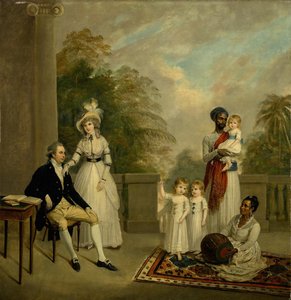
Arthur Devis
1712 - 1787 , Reino Unido
Datos clave
- Artistic Movement Or Style: Conversión pieza
- Artists Or Movements Influenced By This Artist: ['William Hogarth']
- Artists Who Influenced This Artist:
- Joshua Reynolds
- Peter Tillemans
- Date Of Birth: 1762-08-10
- Date Of Death: 1787-07-25
- Full Name: Arthur William Devis
- Nationality: Inglés
- Notable Artworks:
- El Desfile de los Guardias a Finchley
- Nelson
- Place Of Birth: Londres, Reino Unido
Artículos relacionados
The Enduring Legacy of Family Portraiture: A Historical & Artistic Exploration
Explore the rich history of family portraiture with ArtsDot. Discover artistic styles, symbolism & collecting insights. Commission a custom oil painting or appraise your existing artwork today!
Arthur William Devis: A Provincial Eye on Georgian Life & Naval History
Explore the life & work of Arthur William Devis (1762-1822), a key figure in Georgian portraiture and naval history painting. Discover his intimate 'conversation pieces' and captivating depictions of colonial India. Learn more at ArtsDot.
Evolución de los Retratos: El Arte Personalizado como Crónica de la Vida Familiar a Través de las Generaciones
Descubre la evolución del retrato familiar y cómo convertir tus recuerdos en obras de arte atemporales. Pinturas al óleo personalizadas por artistas expertos. ¡Preserva tu legado con ArtsDot!
Ecos de la Ancestralidad: Retratos Familiares a Través de la Historia
Descubra la historia y el simbolismo del retrato familiar a través de los siglos. En , revive tu legado con reproducciones y comisiones personalizadas.
Depicting Kinship: Family Values Across Artistic Movements & Historical Contexts
Explore the rich history of depicting kinship in art! From Dutch Masters to contemporary artists, discover how family values have been represented across movements & time. Expert insights for collectors at ArtsDot.