

 Ver en contexto
 Enviar
 Compartir
 Detalles

 Descargar
 Similares
 Radiografía
 Presentación de diapositivas
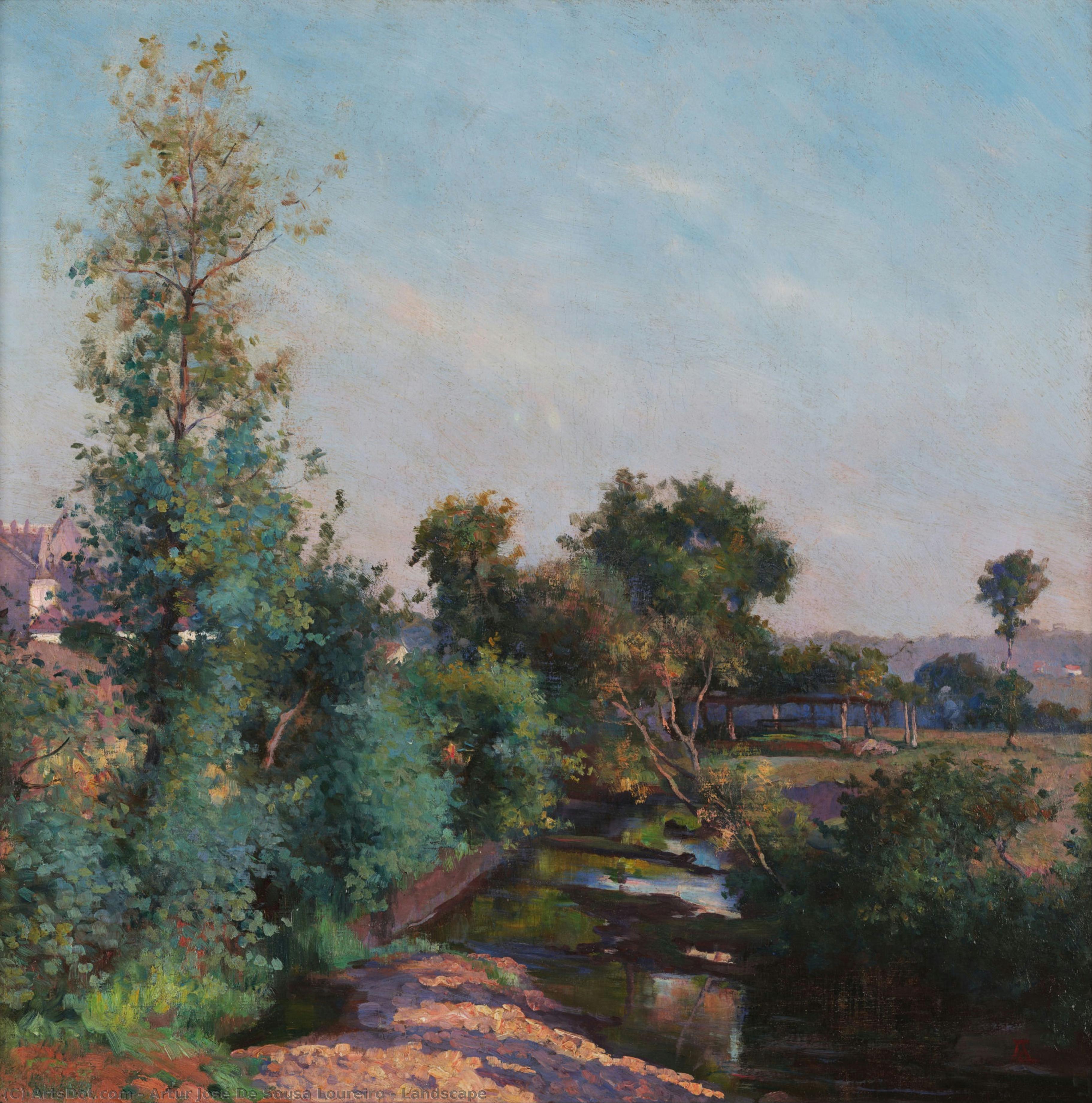
Landscape
 Oil On Canvas
- WallArt
- Impressionistic Landscape Painting
 1917
1917- 19th Century
 49.0 x 48.0 cm
 Museo Nacional Soares dos Reis
 Ver más
Adquiera una imagen digital de alta resolución y optimizada, muy superior a la vista previa en línea.
Cada archivo es preparado meticulosamente por nuestros especialistas internos mediante el uso de herramientas avanzadas y un experto retoque manual. Nos aseguramos de que cada imagen posea una claridad excepcional, una precisión cromática impecable y un detalle minucioso.
El archivo final se entrega por correo electrónico en un plazo de 72 horas, optimizado para su uso inmediato en entornos profesionales, editoriales y de impresión. Esta es la misma calidad en la que confían los estudios de diseño, las editoriales y las galerías de primer nivel.
Imagen Digital
Descarga un archivo de alta resolución para exhibición personal, impresión y proyectos creativos. ( Comprar impresión Comprar pintura hecha a mano)
Incluido en cada pedido de imágenes digitales
Entrega digital experta, garantizada.
Al elegir ArtsDot.com, no solo está adquiriendo una imagen; está recibiendo una obra de arte digital mejorada profesionalmente, elaborada con precisión y respaldada por una garantía de satisfacción. Esto es todo lo que incluye su pedido, automáticamente:

Entrega rápida por email
Recibirá su archivo de imagen digital en alta resolución por correo electrónico en un plazo de 72 horas tras realizar su pedido, listo para su uso inmediato.

Archivo digital optimizado por IA
Su obra de arte se optimiza profesionalmente mediante herramientas avanzadas de IA y edición manual, garantizando el máximo detalle, claridad y precisión cromática.

Reenvío gratuito de por vida
¿Has borrado o perdido tu archivo por error? No te preocupes: te lo volveremos a enviar en cualquier momento, sin coste adicional.

Sin gastos de importación, siempre
Disfrute de su obra de arte al instante sin aduanas, aranceles ni gastos de envío; las descargas digitales siempre están libres de impuestos.

Garantía de fidelidad de color
Garantizamos que su imagen digital refleje los colores originales con la mayor fidelidad posible, mediante el uso de herramientas profesionales y gestión del color.

Garantía de satisfacción de 100 días
Si no está satisfecho con su imagen digital, la revisaremos o le reembolsaremos el 100% en un plazo de 100 días, sin preguntas.

100% Garantía de devolución de dinero
¿No está satisfecho? Obtenga un reembolso completo dentro de los 100 días posteriores a la recepción de su archivo digital, sin preguntas.

Descuentos por pedidos grandes
Compra 3 imágenes, ahorra 10% - Compra 5, ahorra 15% - Compra 10+, ahorra 20%. Ideal para proyectos creativos, galerías y agencias.
A Serene Vision of Portugal: Artur José de Sousa Loureiro’s ‘Landscape’ (1917)
Artur José de Sousa Loureiro's “Landscape,” painted in 1917, is more than just a depiction of a river valley; it’s a poignant distillation of the artist’s extensive travels and evolving artistic sensibilities. Measuring 49 x 48 cm, this oil on canvas work offers a glimpse into the heart of Impressionism while firmly rooted in the Portuguese landscape, reflecting Loureiro's significant experiences across Europe and beyond. The painting immediately evokes a sense of tranquility – a feeling amplified by the soft, diffused lighting that suggests either an overcast afternoon or the golden hour’s final embrace. The careful layering of blues and greens, punctuated with earthy browns and subtle yellows, creates a harmonious visual language that speaks to the beauty of the natural world.
A Journey of Artistic Development
- Early Influences: Loureiro’s artistic journey began under the guidance of António José da Costa in Porto, Portugal. This foundational training laid the groundwork for his later explorations.
- Roman and Parisian Sojourns (1875-1879): A pivotal moment arrived with a patronage from Delfim Guedes, enabling Loureiro to spend time in Rome, absorbing the classical influences prevalent at the time. Subsequently, he moved to Paris on scholarship, immersing himself in the vibrant artistic community of the Latin Quarter and studying at the École des Beaux-Arts.
- Australian Chapter (1884): Loureiro’s adventurous spirit led him to Australia, a period that undoubtedly broadened his perspective and informed his unique style.
Impressionistic Technique and Atmospheric Depth
The painting's power resides in Loureiro’s masterful application of Impressionistic techniques. Visible brushstrokes, executed with short, broken strokes, create a textured surface that captures the play of light and shadow across the landscape. The artist skillfully employed impasto – building up thick layers of paint – particularly in the foliage and riverbank, adding considerable depth and vibrancy to the scene. The use of atmospheric perspective is expertly rendered; distant elements are subtly lighter and less defined, creating a convincing illusion of vastness and drawing the viewer’s eye into the receding landscape. Linear perspective is also present, though subtly, reinforcing the sense of spatial depth.
Symbolism and Emotional Resonance
"Landscape" transcends a simple representation of nature; it carries symbolic weight. The two figures positioned in the foreground – seemingly contemplating the river’s flow – represent humanity's connection to the natural world, inviting contemplation and appreciation for its beauty. The overall mood is one of peace and serenity, reflecting the core tenets of Impressionism—a desire to capture fleeting moments of light and emotion rather than precise photographic realism. The painting speaks to a longing for simplicity and harmony, values that resonated deeply with artists of the era.
Historical Context and Materials
Painted in 1917, “Landscape” reflects the artistic currents of the early 20th century. Loureiro’s work aligns with the broader Impressionist movement while retaining a distinctly Portuguese sensibility. The use of oil paint on canvas is consistent with the materials favored by artists of this period. The meticulous brushwork and layered application of color suggest considerable skill and dedication, resulting in a timeless piece that continues to captivate viewers with its serene beauty.
Obras relacionadas
Biografía del artista
A Portuguese Painter’s Journey Through Time
Artur José de Sousa Loureiro, a name now recognized within the rich tapestry of Portuguese art history, was more than just an artist; he was a traveler, an innovator, and a keen observer of his time. Born in Porto on February 11, 1853, and passing away peacefully on July 7, 1932, Loureiro’s life unfolded across continents – from the artistic fervor of Rome to the vibrant landscapes of Australia – leaving behind a legacy of captivating paintings that continue to resonate today. His journey is one of constant evolution, marked by mentorship, patronage, and an unwavering dedication to his craft.Early Beginnings and Artistic Foundations
Artur Loureiro’s initial steps into the world of art were guided by the invaluable tutelage of António José da Costa, a friend and mentor who instilled in him the fundamental principles of drawing and painting. This early foundation proved crucial as he later enrolled at the Escola Superior de Belas Artes do Porto, where he honed his skills under the watchful eye of João António Correia. Correia’s influence shaped Loureiro's approach to composition and technique, laying the groundwork for his distinctive style. It was during this period that he began to develop a keen interest in capturing the essence of light and atmosphere – a characteristic that would become central to his later works.A Continental Odyssey
Loureiro’s artistic development took an exciting turn with the support of his patron, Delfim Guedes, a 1st Count of Almedina. This patronage enabled him to embark on a transformative journey to Rome in 1875. Rome proved to be a pivotal experience, exposing Loureiro to the classical traditions and artistic innovations that had shaped generations of European painters. He enrolled at the Accademia Romana, quickly establishing himself within the city’s thriving artistic circle and absorbing the techniques of his instructors. In 1879, fueled by ambition and seeking further refinement, Loureiro moved to Paris on a scholarship. The École des Beaux-Arts in Paris provided him with an unparalleled opportunity to study under renowned artists like Alexandre Cabanel, mastering the intricacies of academic painting while simultaneously immersing himself in the dynamic atmosphere of the Latin Quarter. His time in Paris saw him exhibiting his works at the Salon, gaining recognition among fellow Portuguese artists such as Silva Porto and António Ramalho. A significant chapter in Loureiro’s life unfolded when he emigrated to Australia in 1884, accompanied by his wife, Marie Huybers. Settling in Melbourne, he embraced a new role as “Professor of Design” at the Presbyterian Ladies' Academy, imparting his knowledge and passion for art to a younger generation. This period marked a shift towards landscapes and animal paintings, reflecting the unique beauty of the Australian countryside.Notable Achievements and Recognition
Loureiro’s artistic career was punctuated by numerous accolades and achievements that cemented his place in the Australian art scene. In 1892, he produced *The Death of Burke*, a poignant depiction of the tragic expedition led by Robert Burke and William Strzelecki. The painting, deeply rooted in the historical event, captured the harsh realities of the outback and resonated powerfully with viewers. He was also an active member of the Australian Art Association, contributing to its exhibitions and playing a key role in its subsequent merger with the Victorian Artists' Society. A testament to his artistic prowess, Loureiro received the Gold Medal at the International Exhibition in London in 1899 for *The Death of Burke*. This prestigious award brought international recognition to his work and underscored his mastery of technique and composition. In 1900, he was awarded a third-class medal at the Paris Exposition for *The Vision of Saint Stanislaus of Kostka*, further solidifying his reputation as a skilled and imaginative painter.Return to Portugal and Legacy
In 1904, Loureiro returned to his homeland, Porto, establishing a studio – affectionately known as the “Crystal Palace” – where he continued to paint and teach for decades. His second marriage in 1918 to Elisa Fernanda de Sousa Pires marked a new chapter in his personal life, while simultaneously reaffirming his commitment to Portuguese art. Throughout his later years, Loureiro’s studio became a hub of artistic activity, attracting students and admirers alike. His final exhibition in 1929 at the Salão Silva Porto showcased a collection of his finest works, including evocative landscapes of the Douro River and the coastal promenade. The Uffizi Gallery in Florence acquired one of his self-portraits, a testament to the enduring value of his artistic vision. Artur José de Sousa Loureiro passed away on July 7, 1932, leaving behind a rich legacy that continues to inspire artists and captivate viewers with its beauty and emotional depth. His paintings remain a vital part of Portuguese art history, offering a glimpse into the soul of a man who embraced life’s journey with an open heart and a brush in hand.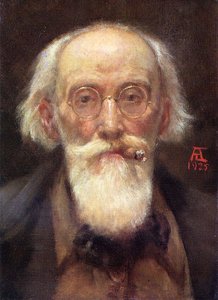
Artur Loureiro
1853 - 1932 , Portugal
Breves datos
- Artistic Movement Or Style: Naturalismo
- Artists Or Movements Influenced By This Artist: ['João Marques de Oliveira']
- Artists Who Influenced This Artist: ['António José da Costa']
- Date Of Birth: 11 Feb 1853
- Date Of Death: 7 Jul 1932
- Full Name: Artur José de Sousa Loureiro
- Nationality: Portuguesa
- Notable Artworks:
- Muerte de Burke
- Rio Douro
- Place Of Birth: Porto, Portugal