

 Ver en contexto
 Enviar
 Compartir
 Detalles

 Descargar
 Similares
 Radiografía
 Presentación de diapositivas
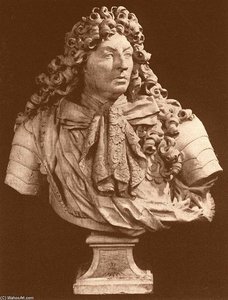
Louis of Bavaria


 Ver más
Adquiera una imagen digital de alta resolución y optimizada, muy superior a la vista previa en línea.
Cada archivo es preparado meticulosamente por nuestros especialistas internos mediante el uso de herramientas avanzadas y un experto retoque manual. Nos aseguramos de que cada imagen posea una claridad excepcional, una precisión cromática impecable y un detalle minucioso.
El archivo final se entrega por correo electrónico en un plazo de 72 horas, optimizado para su uso inmediato en entornos profesionales, editoriales y de impresión. Esta es la misma calidad en la que confían los estudios de diseño, las editoriales y las galerías de primer nivel.
Imagen Digital
Descarga un archivo de alta resolución para exhibición personal, impresión y proyectos creativos. ( Comprar impresión Comprar pintura hecha a mano)
Incluido en cada pedido de imágenes digitales
Entrega digital experta, garantizada.
Al elegir ArtsDot.com, no solo está adquiriendo una imagen; está recibiendo una obra de arte digital mejorada profesionalmente, elaborada con precisión y respaldada por una garantía de satisfacción. Esto es todo lo que incluye su pedido, automáticamente:

Entrega rápida por email
Recibirá su archivo de imagen digital en alta resolución por correo electrónico en un plazo de 72 horas tras realizar su pedido, listo para su uso inmediato.

Archivo digital optimizado por IA
Su obra de arte se optimiza profesionalmente mediante herramientas avanzadas de IA y edición manual, garantizando el máximo detalle, claridad y precisión cromática.

Reenvío gratuito de por vida
¿Has borrado o perdido tu archivo por error? No te preocupes: te lo volveremos a enviar en cualquier momento, sin coste adicional.

Sin gastos de importación, siempre
Disfrute de su obra de arte al instante sin aduanas, aranceles ni gastos de envío; las descargas digitales siempre están libres de impuestos.

Garantía de fidelidad de color
Garantizamos que su imagen digital refleje los colores originales con la mayor fidelidad posible, mediante el uso de herramientas profesionales y gestión del color.

Garantía de satisfacción de 60 días
Si no está satisfecho con su imagen digital, la revisaremos o le reembolsaremos el 100% en un plazo de 60 días, sin preguntas.

100% Garantía de devolución de dinero
¿No está satisfecho? Obtenga un reembolso completo dentro de los 60 días posteriores a la recepción de su archivo digital, sin necesidad de explicaciones.

Descuentos por pedidos grandes
Compra 3 imágenes, ahorra 10% - Compra 5, ahorra 15% - Compra 10+, ahorra 20%. Ideal para proyectos creativos, galerías y agencias.
Descripción del coleccionable
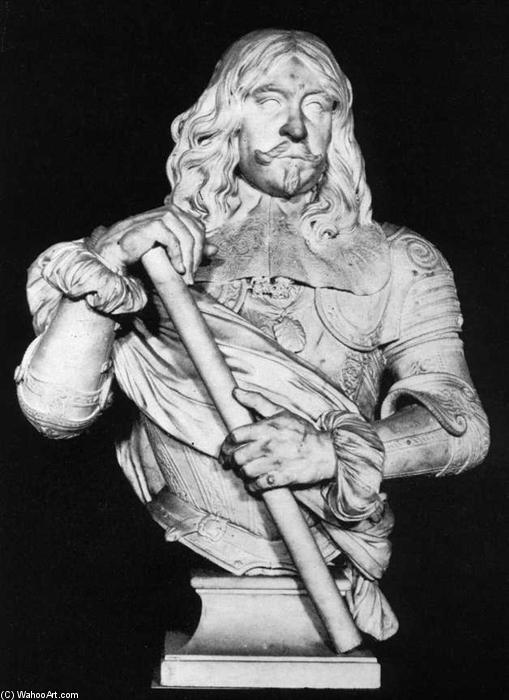
Louis of Bavaria: A Baroque Portrait of Regal Authority
The captivating marble bust of Louis of Bavaria, sculpted by Artus Quellinus II in 1664, stands as a testament to the enduring power and solemn dignity of Holy Roman Emperors. More than simply a likeness, this piece embodies the grandeur of the late Baroque era, skillfully blending classical ideals with dramatic theatricality – a hallmark of Quellinus’s distinctive style. The sculpture captures Louis not merely as a ruler, but as a figure imbued with an aura of authority and contemplative gravitas, inviting viewers to contemplate his legacy and the weighty responsibilities he bore.
Quellinus II, a pivotal figure in the transition from High to Late Baroque sculpture, inherited a rich artistic lineage from his father, Artus Quellinus I. Trained initially under his father’s guidance in Antwerp, and later profoundly influenced by the renowned Grinling Gibbons during his time in London, Quellinus developed a unique voice – one characterized by a masterful command of light and shadow, an expressive use of texture, and a subtle yet potent deployment of classical motifs. This particular bust exemplifies these qualities perfectly, showcasing a refined balance between meticulous detail and emotive suggestion.
A Study in Baroque Technique and Material
The sculpture itself is executed in meticulously carved marble, a material chosen for its inherent luminosity and ability to capture intricate details. Quellinus II’s technique demonstrates an exceptional understanding of subtractive sculpting – carefully removing material to reveal the form beneath, creating a remarkable sense of volume and depth. Note the subtle gradations of tone achieved through careful polishing and shading; these nuances bring the face to life, conveying not just Louis' features but also his inner character. The drapery, though simplified, is rendered with an impressive level of realism, suggesting the weight and flow of royal garments.
The composition is remarkably balanced, with the bust’s central placement immediately drawing the viewer’s eye to the face – a focal point dominated by a thoughtful expression. The strong verticality of the figure contrasts subtly with the flowing curves of the draped fabric, creating a dynamic tension that adds visual interest. The armor, meticulously detailed yet not overly ornate, speaks to Louis' military prowess and his role as a defender of the realm. The subtle hints of insignia – perhaps emblems of his duchies or territories – further enrich the portrait’s narrative.
Symbolism and Historical Context
Louis of Bavaria’s reign was marked by significant political upheaval, including conflict with Frederick the Fair over the Holy Roman throne. This bust, created during a period of intense rivalry, serves as more than just a portrait; it's a carefully constructed symbol of power and legitimacy. The severe expression on Louis’ face – a blend of determination and solemnity – reflects the burdens of leadership and the challenges he faced in maintaining his position. The armor, a traditional symbol of military might, underscores his role as a warrior-king.
Furthermore, the bust aligns with the broader artistic trends of the Baroque period, which emphasized drama, emotion, and the glorification of power. The use of chiaroscuro – the dramatic interplay of light and shadow – is particularly effective in highlighting Louis’ features and creating a sense of depth and volume. The influence of Renaissance portraiture is evident in the idealized proportions and the careful attention to detail, while the theatricality of Baroque sculpture—particularly inspired by Bernini—is subtly incorporated through the dynamic composition and expressive gestures.
A Legacy of Artistic Excellence
Artus Quellinus II’s “Louis of Bavaria” stands as a remarkable achievement in Baroque sculpture. It is a compelling portrait that transcends mere likeness, offering a profound insight into the character and reign of one of Holy Roman Empire's most influential figures. Reproductions of this piece capture not only its visual beauty but also the spirit of artistic innovation and historical significance that define Quellinus’s legacy. This sculpture remains a powerful reminder of the enduring appeal of classical ideals combined with Baroque drama, offering a timeless vision of regal authority and contemplative strength.
Obras relacionadas


Biografía del artista
Artus Quellinus II: Vida y Legado
Primeros Años y Formación
Nacido en St. Trudena, Bélgica, en 1625, Artus Quellinus II provenía de una familia artística prominente. Su padre, Artus Quellinus I, era un escultor celebrado y tenía dos hermanos – Thomas Quellinus, también escultor, y Cornelis Quellinus, pintor. Recibió su formación inicial en el taller de su padre en Amberes, sentando las bases para su futura carrera como escultor barroco.
Traslado a Londres y Desarrollo Artístico
En 1682, Quellinus II se trasladó a Londres, uniéndose a la creciente comunidad de artistas flamencos que se habían asentado allí. Este traslado fue probablemente alentado por su esposa, Frances Siberechts, hija del pintor nacido en Amberes Jan Siberechts. Antes de establecerse independientemente, trabajó brevemente en los estudios tanto de Hugh May como, más significativamente, de Grinling Gibbons – un destacado escultor y tallador de madera inglés. Su colaboración con Gibbons resultó particularmente influyente.
Influencias Clave
- Artus Quellinus I (Padre): Proporcionó formación fundamental en técnicas escultóricas y estética barroca.
- Grinling Gibbons: Le expuso a la complejidad del tallado de madera inglés y un enfoque más naturalista dentro del estilo barroco.
- Tradición Barroca Flamenca: El entorno artístico más amplio de Amberes moldeó su desarrollo temprano, enfatizando composiciones dramáticas y temas religiosos.
Obras Principales y Estilo Artístico
La obra de Quellinus II se caracteriza por su energía dinámica, artesanía detallada y a menudo escala monumental. Se centró principalmente en la escultura religiosa, creando retablos, monumentos funerarios y elementos decorativos para iglesias y palacios.
- El Padre Dios (1682): Una llamativa escultura de mármol que muestra influencias clásicas combinadas con el drama barroco.
- La Visita (1678): Un detallado relieve de mármol que representa una escena bíblica, demostrando su habilidad en la representación narrativa.
- Tumba del Obispo Marius Ambrose Capello: Un elaborado monumento funerario que ejemplifica su capacidad para crear conjuntos escultóricos grandiosos e imponentes.
- Naves de los Coros: Esculturas intrincadas para las naves de los coros, que muestran su maestría en el detalle y los elementos decorativos.
Colaboraciones y Vida Tardía
Una colaboración significativa tuvo lugar con Grinling Gibbons en el retablo de la capilla católica de Whitehall Palace (1685-86). Este proyecto destacó la capacidad de Quellinus II para trabajar junto a otros artistas líderes. Su temprana muerte en 1700 supuso una pérdida para la comunidad artística, y su viuda más tarde se casó con su asistente de taller, John Nost.
Significado Histórico
Artus Quellinus II desempeñó un papel importante al llevar la escultura barroca flamenca a Inglaterra. Su obra ayudó a dar forma al paisaje estético del arte inglés del siglo XVII y influyó en las generaciones posteriores de escultores. Puenteó la brecha entre los estilos Alto y Tardío Barroco, contribuyendo significativamente al desarrollo de la escultura religiosa durante este período.
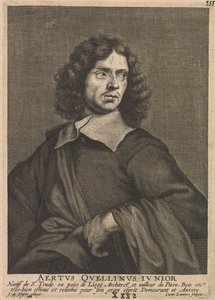
artus ii quellinus
1653 - 1686 , Belgium
Breves datos
- Artistic Movement Or Style: Baroque
- Artists Or Movements Influenced By This Artist: ['Renaissance']
- Artists Who Influenced This Artist:
- Erasmus Quellinus I
- Grinling Gibbons
- Date Of Birth: 1625
- Full Name: Artus Quellinus II
- Nationality: Flemish
- Notable Artworks:
- God the Father
- Visitation
- Place Of Birth: St. Trudena, Belgium

