

 Vista previa
 Compartir
 Compartir
 Ver detalles

 Descargar
 Ver similares
 Radiografía
 Presentación de diapositivas
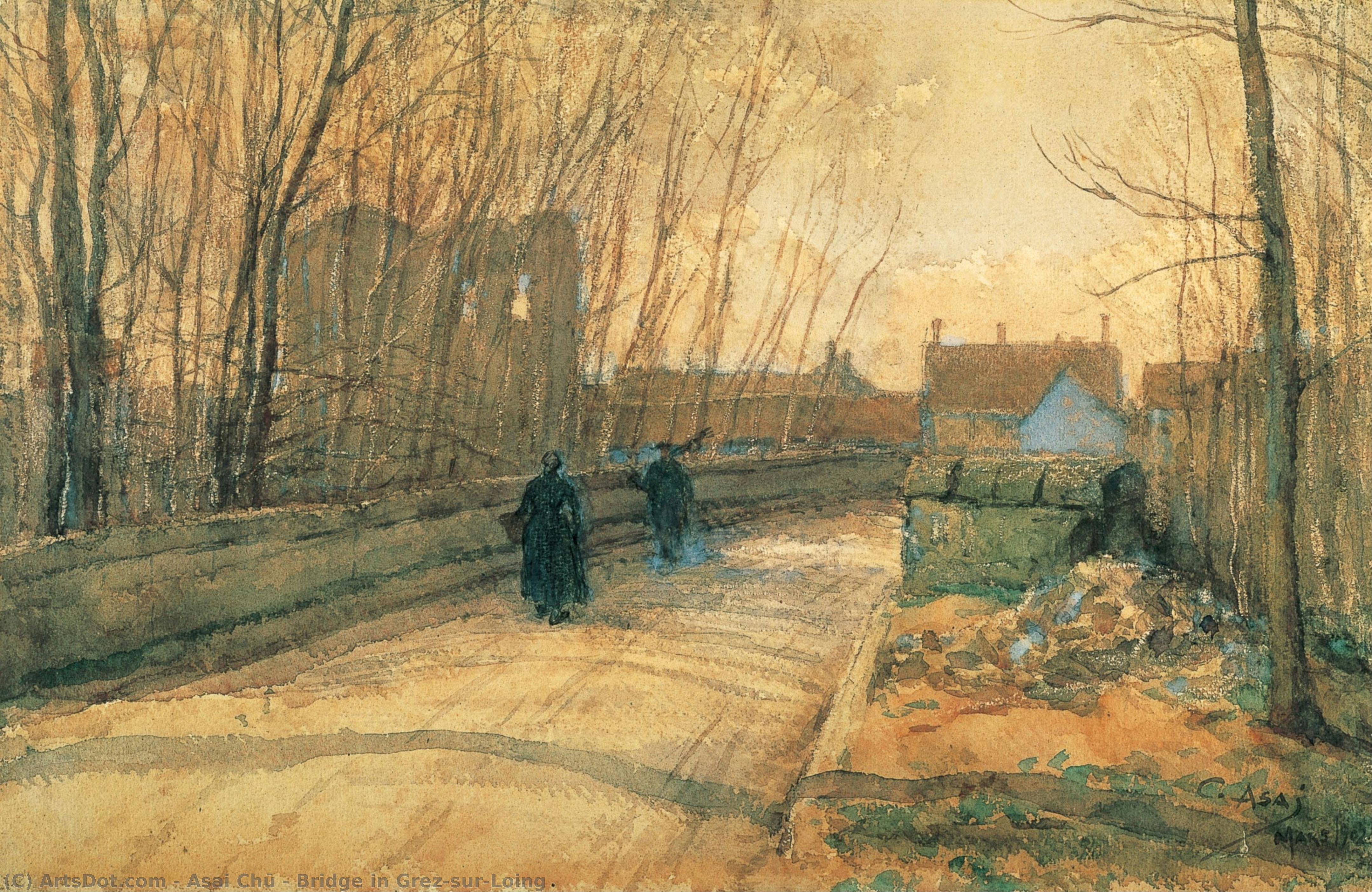
Bridge in Grez-sur-Loing
 Oil
Oil- WallArt
- Impressionism
 1902
1902- 19th Century
 435.0 x 284.0 cm
 Artizon Museum
 Leer más
Reproducción al óleo hecha a mano
Óleo sobre lienzo pintado a mano en el tamaño y marco de su elección, realizado por encargo por nuestros artistas. ( Pedir impresión Comprar descarga)




P118B $10

P118H $10

P118W $10

P438Z $10

P508JH $12

P508YH $12

P805H $10

P805Z $10

P919BZ $10

P919G $10

P919XJ $10

P959ZH $10

P968JZ $12

W106C $8

W218G $10

W218JH $8

W218Y $10

W307PJ $10

W316G $10

W316PJ $8

W316Y $10

W398PJ $8

W4111J $10

W500HY $15

W500JH $15

W692G $12

W849H $8

W940BG $15

W953PJ $8




Elija entre nuestros tamaños predefinidos que respetan las proporciones originales de la obra.

Puede ingresar sus propias dimensiones para adaptarse a un marco o espacio específico. Si el tamaño seleccionado no coincide con las proporciones de la imagen original, recortaremos la obra o extenderemos la pintura con elementos adicionales pintados a mano. Se le enviará una maqueta digital para su aprobación antes de comenzar la producción.
Tenga en cuenta que la vista previa en pantalla no refleja el recorte o la extensión reales. Solo la maqueta mostrará con precisión la composición final.
Si bien existen tamaños personalizados, recomendamos seleccionar una dimensión de la lista predefinida para preservar las proporciones originales.
Tras realizar el pedido, el equipo de ArtsDot.com enviará un correo electrónico al cliente para solicitar instrucciones y proporcionarle una vista previa del boceto.
Envío a todo el mundo () en 3-4 semanas en lugar de las 5 semanas estándar. (22 agosto). Sin comprometer la calidad.

Envío exprés gratuito a todo el mundo

Lienzo de lino de alta calidad

Seguro de envío completo

Garantía de reembolso de aranceles aduaneros

Garantía de fidelidad cromática exacta

Política de devolución de 60 días (solo por defectos)

Garantía de devolución del 100% del dinero

Oferta por volumen
 La opción de vidrio solo está disponible en tamaños inferiores a 110 cm.

Bridge in Grez-sur-Loing
Técnica de reproducción
Tamaño de la reproducción
-


Precio total
$ 263
Descripción de la obra
A Serene Encounter with the Loing
In the quietude of 1902, Asai Chū captured a moment of profound stillness in his masterpiece, Bridge in Grez-sur-Loing. This expansive work invites the viewer to step into a pastoral dreamscape where time seems to decelerate. The scene unfolds along the banks of a gentle river, where a quaint French village meets the soft light of a departing day. As we gaze upon the bridge, we are not merely looking at a structure of stone and wood, but at a gateway between the bustling world and a sanctuary of peace. The composition is populated by the rhythmic movement of daily life; figures stroll leisurely along the riverside paths, their presence adding a human warmth to the landscape. A solitary horse, positioned toward the right, anchors the scene in a sense of rustic authenticity, reminding us of an era when the pace of life was dictated by the sun and the seasons rather than the clock.
The emotional resonance of this painting lies in its ability to evoke a deep sense of nostalgia and tranquility. For the collector or interior designer, this piece serves as a window into a lost world of simplicity. The atmosphere is thick with a gentle, melancholic beauty, achieved through a masterful command of light and shadow. There is a palpable softness to the air, as if the mist from the river is just beginning to settle over the town. This sense of peace makes the artwork an ideal centerpiece for spaces designed for reflection, such as a quiet study, a library, or a sophisticated living area where one seeks to cultivate an aura of calm and elegance.
The Fusion of East and West
To understand the technical brilliance of Bridge in Grez-sur-Loing, one must look toward the unique biography of its creator. Asai Chū was a pioneer of yōga, or Western-style painting, in Japan, and this work stands as a testament to his extraordinary ability to synthesize disparate artistic traditions. Having studied under the Italian master Antonio Fontanesi, Chū brought a sophisticated understanding of European Impressionist techniques—specifically the treatment of light and atmospheric perspective—to his canvas. Yet, beneath the oil-painted surface, there remains an unmistakable sensitivity to composition and space that echoes the refined restraint of traditional Japanese aesthetics.
The technique employed here is nothing short of masterful. Chū utilizes a delicate palette of muted earth tones, soft blues, and verdant greens to build a sense of depth that draws the eye toward the horizon. The brushwork is fluid yet controlled, allowing the textures of the water, the stone of the bridge, and the fabric of the pedestrians' clothing to feel tactile and real. For those seeking a high-quality reproduction, it is essential to appreciate how these subtle gradations of color and light are preserved, ensuring that the painting retains its ability to transform a room. This artwork is not merely a decoration; it is an invitation to experience the historical intersection of two great artistic worlds, captured in a single, breathtaking moment of French provincial life.
Obras relacionadas
Biografía del artista
Asai Chū: Pionero de la Pintura al Estilo Occidental en Japón
Asai Chū (淺井忠, 22 de julio de 1856-16 de diciembre de 1907) fue un pintor japonés, conocido por ser pionero en el desarrollo del movimiento artístico yōga (estilo occidental) a finales del siglo XIX y principios del XX de la pintura japonesa del siglo XX. Este estilo supuso la modernización de la pintura japonesa y la entrada al país nipón de las técnicas pictóricas europeas.Vida Temprana y Educación
Nacimiento: 1856, Ciudad de Chiba, Japón. Asai Chū nació en una familia perteneciente a la antigua clase samurái en Sakura, región de Kantō de Japón. Su padre sirvió como regidor del dominio de Sakura y también actuó como director de la escuela del dominio. Inicialmente estudió el idioma inglés en Tokio en 1873, pero pronto se sintió cautivado por las artes. En 1876, ingresó a la Kobubijutsu Gakkō (Escuela Técnica de Artes Finas), una de las primeras instituciones que ofrecía formación artística al estilo occidental en Japón. Crucialmente, estudió bajo Antonio Fontanesi, un artista italiano contratado por el gobierno Meiji para introducir técnicas de pintura al óleo.Desarrollo Artístico e Influencias
El trabajo temprano de Asai Chū reflejó una combinación de la estética japonesa tradicional con las nuevas técnicas occidentales. Influencia Clave: Antonio Fontanesi desempeñó un papel fundamental en la formación de su comprensión del óleo, la composición y la luz. Él abrazó la pintura en plein air – trabajando al aire libre directamente desde la naturaleza – una característica distintiva del Impresionismo. Un viaje posterior a Francia (1902-1904) le permitió sumergirse en la escuela impresionista, refinando aún más su estilo.Logros y Contribuciones Artísticas Principales
En 1889, Asai Chū fundó la Meiji Bijutsukai (Sociedad de Arte Meiji), una organización destacada que reunió a pintores al estilo occidental en Japón. Se convirtió en profesor en la Escuela de Artes de Tokio (ahora Universidad de las Artes de Tokio) en 1898, contribuyendo a la educación artística. Tras su regreso de Francia, estableció el Kansai Bijutsu-in (Instituto de Arte de Kansai) y asumió una cátedra en la Kyoto Kōtō Kōgei Gakkō (Escuela de Artes y Oficios de Kioto). Obras Notables: Incluyen “Colina Primaveral”, “Mujer Cosiendo”, “Sol Matutino”, “Le Village de Kotaba” y Estas pinturas muestran su maestría del impresionismo aplicado a paisajes japoneses y escenas rurales.Legado Histórico
Asai Chū fue instrumental en la unión entre el arte japonés tradicional y los movimientos artísticos occidentales. Él entrenó numerosos estudiantes que posteriormente se convirtieron en figuras destacadas en el mundo artístico japonés, incluyendo Sotaro Yasui y Ryuzaburo Umehara. También tutorizó al poeta Masaoka Shiki en técnicas de arte occidental, resaltando su impacto cultural. Además, varios de sus trabajos fueron reconocidos por el gobierno japonés como Patrimonio Cultural Importante, asegurando así la preservación de su obra para las generaciones futuras.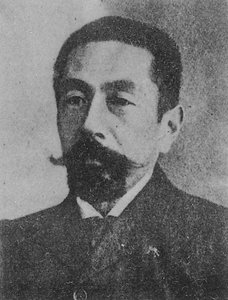
Asai Chū
1856 - 1907 , Japón
Datos clave
- Artistic Movement Or Style: Yōga (pintura occidental)
- Artists Or Movements Influenced By This Artist: Impressionismo
- Artists Who Influenced This Artist: Antonio Fontanesi
- Date Of Birth: 1856
- Full Name: Asai Chū
- Nationality: Japonés
- Notable Artworks:
- Colina Primaveral
- Mujer Cosiendo
- Sol Matutino
- Le Village de Kotaba
- Place Of Birth: Chiba City, Japón
Artículos relacionados

John Constable: Las 25 Obras Maestras del Paisaje Inglés | ArtsDot
Descubre las 25 obras maestras de John Constable, el pintor romántico inglés que capturó la belleza del paisaje. Explora su técnica, historia y significado en ArtsDot.com. Reproducciones de arte de alta calidad para tu hogar.

Los 10 Maestros del Paisaje Impresionista: Obras que Cambiaron la Historia del Arte
Descubre los 10 lienzos impresionistas que revolucionaron el arte. Explora la historia de Monet, Van Gogh y Renoir, sus técnicas y colores vibrantes. Encuentra reproducciones de alta calidad para decorar tu hogar en ArtsDot.com

Los 10 Maestros del Paisaje Impresionista: Obras que Cambiaron la Historia del Arte
Descubre los 10 lienzos impresionistas que revolucionaron el arte. Monet, Renoir y más… Explora la historia, técnica y belleza de cada obra maestra. Encuentra reproducciones de alta calidad para tu hogar en ArtsDot.com.
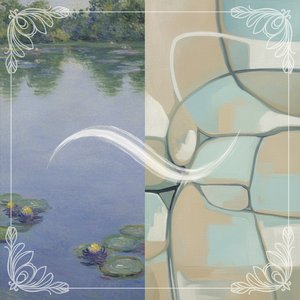
Serene Visions: Exploring Themes of Tranquility in Art History & Contemporary Practice
Explore the history of serene landscape art & discover artists who evoke tranquility. Find the perfect calming artwork for your home with expert guidance from ArtsDot.

Evocations of Place: A Historical Journey Through Landscape Art
Explore the rich history of landscape art with ArtsDot. Discover renowned artists, movements like Impressionism & Romanticism, and expert guidance for collecting timeless pieces. Find your perfect serene escape today!

