 Vista previa
 Compartir
 Compartir
 Ver detalles

 Descargar
 Ver similares
 Radiografía
 Presentación de diapositivas
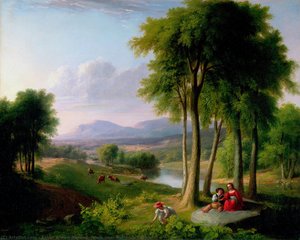
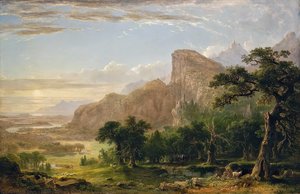
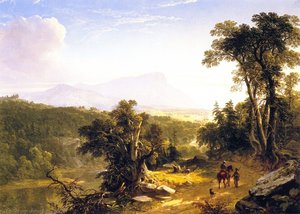
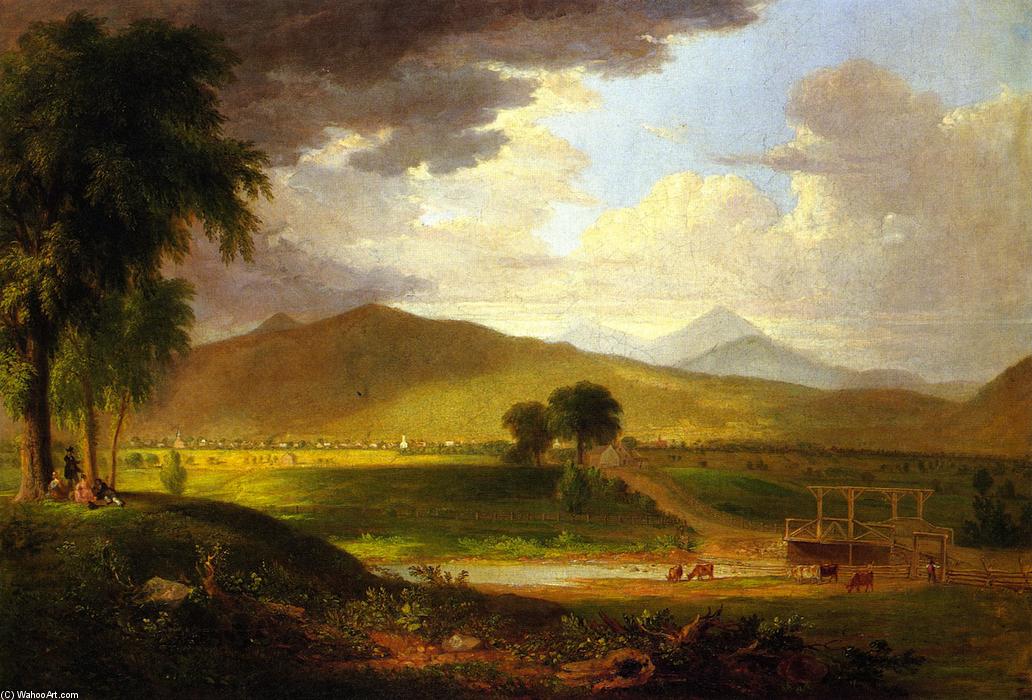
View of Rutland, Vermont


 Leer más
Reproducción al óleo hecha a mano
Óleo sobre lienzo pintado a mano en el tamaño y marco de su elección, realizado por encargo por nuestros artistas. ( Pedir impresión Comprar descarga)




P118B $10

P118H $10

P118W $10

P438Z $10

P508JH $12

P508YH $12

P805H $10

P805Z $10

P919BZ $10

P919G $10

P919XJ $10

P959ZH $10

P968JZ $12

W106C $8

W218G $10

W218JH $8

W218Y $10

W307PJ $10

W316G $10

W316PJ $8

W316Y $10

W398PJ $8

W4111J $10

W500HY $15

W500JH $15

W692G $12

W849H $8

W940BG $15

W953PJ $8




Elija entre nuestros tamaños predefinidos que respetan las proporciones originales de la obra.

Puede ingresar sus propias dimensiones para adaptarse a un marco o espacio específico. Si el tamaño seleccionado no coincide con las proporciones de la imagen original, recortaremos la obra o extenderemos la pintura con elementos adicionales pintados a mano. Se le enviará una maqueta digital para su aprobación antes de comenzar la producción.
Tenga en cuenta que la vista previa en pantalla no refleja el recorte o la extensión reales. Solo la maqueta mostrará con precisión la composición final.
Si bien existen tamaños personalizados, recomendamos seleccionar una dimensión de la lista predefinida para preservar las proporciones originales.
Tras realizar el pedido, el equipo de ArtsDot.com enviará un correo electrónico al cliente para solicitar instrucciones y proporcionarle una vista previa del boceto.
Envío a todo el mundo () en 3-4 semanas en lugar de las 5 semanas estándar. (21 agosto). Sin comprometer la calidad.

Envío exprés gratuito a todo el mundo

Lienzo de lino de alta calidad

Seguro de envío completo

Garantía de reembolso de aranceles aduaneros

Garantía de fidelidad cromática exacta

Política de devolución de 60 días (solo por defectos)

Garantía de devolución del 100% del dinero

Oferta por volumen
 La opción de vidrio solo está disponible en tamaños inferiores a 110 cm.

View of Rutland, Vermont
Técnica de reproducción
Tamaño de la reproducción
-


Precio total
$ 263
Descripción de la obra
A Window on Vermont’s Soul: Asher Brown Durand's "View of Rutland"
Asher Brown Durand’s “View of Rutland, Vermont,” painted in 1839, isn’t merely a landscape; it’s a carefully constructed vision of the American wilderness imbued with Romantic ideals and a profound sense of national identity. This oil on canvas captures a quintessential scene from the Hudson River School – a vast expanse of rolling hills, punctuated by the modest settlement of Rutland nestled within a verdant valley. Durand, a pivotal figure in establishing naturalism as a dominant force in American art following the death of Thomas Cole, masterfully employs light and shadow to evoke both the grandeur and tranquility of the Vermont landscape. The painting’s power lies not just in its depiction of a specific place but in its ability to resonate with broader themes of exploration, progress, and the sublime beauty of nature—elements deeply intertwined with the burgeoning American spirit.The Hudson River School: A Romantic Vision
To fully appreciate “View of Rutland,” it’s essential to understand the context within which Durand worked – the Hudson River School. Emerging in the early 19th century, this movement sought to capture the raw beauty and power of the American landscape with a scientific rigor tempered by emotional intensity. Artists like Cole, Frederic Church, and George Catlin were deeply influenced by European Romanticism, but they adapted these principles to depict the unique character of North America. Durand, initially an engraver renowned for his meticulous detail, transitioned to painting, bringing his precision and observational skills to bear on capturing the nuances of light, texture, and color in nature. “View of Rutland” exemplifies this shift—a move away from purely representational art towards a more subjective and emotionally resonant portrayal of the natural world.Technique and Composition: Layers of Light and Detail
Durand’s technique is characterized by broad, confident brushstrokes that build up layers of color to create a sense of depth and atmosphere. The painting's composition is carefully orchestrated, guiding the viewer’s eye through the landscape with a clear foreground, middle ground, and distant background. The foreground bursts with lush vegetation – grasses, shrubs, and trees rendered in rich greens and browns—drawing us into the scene. The settlement of Rutland, with its modest buildings and figures engaged in daily life, occupies the middle ground, offering a glimpse into human activity within this vast wilderness. In the distance, towering mountains are silhouetted against a turbulent sky filled with dramatic clouds illuminated by shafts of sunlight. Durand’s masterful use of light is particularly noteworthy; he employs chiaroscuro—the contrast between light and dark—to create a sense of drama and highlight key elements within the composition. The warm hues of the sunset cast long shadows, adding depth and mystery to the scene.Symbolism and the American Ideal
Beyond its purely aesthetic qualities, “View of Rutland” carries significant symbolic weight. The vastness of the landscape represents freedom, opportunity, and the potential of America—a theme central to the Romantic ideal. The figures in the settlement suggest a harmonious relationship between humanity and nature, reflecting the burgeoning belief that progress could be achieved through respect for the environment. The painting can also be interpreted as an allegory for the nation’s westward expansion, with the landscape symbolizing the untamed frontier awaiting exploration and development. Durand's work, particularly this piece, embodies the American dream—a vision of a prosperous and virtuous nation built on the principles of hard work, self-reliance, and appreciation for the natural world. It is a powerful reminder of America’s early connection to its landscape and the enduring allure of the wilderness.Reproductions: Bringing Durand's Vision Home
Today, high-quality reproductions of “View of Rutland” are available through various art reproduction services. These meticulously crafted prints capture the painting’s rich colors, intricate details, and evocative atmosphere, allowing you to bring this iconic work of American art into your home or office. Whether displayed as a statement piece in a living room or a calming addition to a study, Durand's landscape offers a timeless connection to the beauty and spirit of America’s past.Obras relacionadas
Biografía del artista
Primeros años y carrera
Asher Brown Durand, un destacado pintor estadounidense, nació el 19 de agosto de 1796 en la ciudad de Nueva York. Era hijo de un exitoso grabador de mapas, lo que llevó a su temprana exposición al mundo del arte y la impresión. El viaje artístico de Durand comenzó con capacitación en el taller de su padre, para luego pasar a la pintura al óleo.Estilo artístico e influencias
El trabajo de Durand se caracteriza por su énfasis en el paisaje y la naturaleza salvaje estadounidense. Fue uno de los primeros miembros de la Escuela del Río Hudson, un grupo de artistas conocidos por sus románticas y atmosféricas representaciones del paisaje estadounidense. Esta asociación no solo influyó en su estilo, sino que también le brindó oportunidades para explorar la belleza indómita de los Estados Unidos.Obras notables y exposiciones
- Paisaje, composición, forenoon, exhibida en el Museo de Arte de Nueva Orleans, muestra la maestría de Durand para capturar la esencia serena del paisaje estadounidense. - Otra obra notable, Balsas en rápidos, río Saguenay, aunque no exclusivamente de Durand, refleja la fascinación de la época por la naturaleza salvaje y sus desafíos.Legado e impacto
Las contribuciones de Durand al arte estadounidense son multifacéticas. No solo ayudó a establecer la Escuela del Río Hudson, sino que también jugó un papel crucial en la popularización de la pintura de paisajes como género. Su trabajo continúa inspirando a artistas y entusiastas del arte por igual, ofreciendo una visión de la belleza intacta de América en el siglo XIX.- Movimiento artístico clave: Escuela del Río Hudson
- Obras notables: Paisaje, composición, forenoon; Balsas en rápidos, río Saguenay (colaborativa)
- Museos que exhiben su obra: Museo de Arte de Nueva Orleans, entre otros
- Influencias artísticas: Thomas Cole, La tragedia Willey y la naturaleza salvaje estadounidense
Desarrollo artístico y evolución
Durand comenzó su carrera como grabador, una habilidad heredada de su padre. Su trabajo en la reproducción de obras de arte, como el *The Declaration of Independence* de Trumbull, le proporcionó un profundo conocimiento técnico y una apreciación por la composición y el detalle. Sin embargo, fue bajo la influencia de Thomas Cole y a través de sus propias exploraciones al aire libre que Durand se dedicó a la pintura paisajística. Su viaje a Europa en 1840-1841 amplió su perspectiva artística, exponiéndolo a las obras de Constable y otros maestros europeos, lo que llevó a un enfoque más naturalista y realista en sus pinturas. Su evolución desde el grabado hasta la pintura al óleo refleja una búsqueda constante de nuevas formas de expresión artística y una creciente conexión con la naturaleza estadounidense.Significado histórico
Asher Brown Durand es reconocido como una figura clave en el desarrollo del arte americano, especialmente por su papel fundamental en la Escuela del Río Hudson. Su trabajo ayudó a establecer un canon artístico nacional que celebraba la belleza y la grandeza del paisaje estadounidense. Además, sus escritos sobre pintura paisajística, publicados en *The Crayon*, influyeron significativamente en las generaciones posteriores de artistas estadounidenses, promoviendo una mayor apreciación por la observación directa de la naturaleza y el desarrollo de un estilo distintivo americano. Su legado perdura como un testimonio del poder del arte para capturar la esencia de un lugar y el espíritu de una época.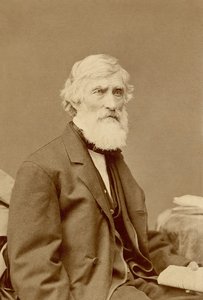
Asher Brown Durand
1796 - 1886 , Estados Unidos de América
Datos clave
- Artistas Que Influyeron: ['Thomas Cole']
- Fecha De Fallecimiento: 17 de septiembre de 1886
- Fecha De Nacimiento: 21 de agosto de 1796
- Influenciado A Artistas: ['Escuela del Río Hudson']
- Lugar De Nacimiento: Maplewood, EE. UU.
- Movimiento Artístico: Escuela del Río Hudson
- Nacionalidad: Estadounidense
- Nombre Completo: Asher Brown Durand
- Obras Notables:
- Paisaje, composición, forenoon
- Canoas en rápidos, río Saguenay
Artículos relacionados
Asher Brown Durand: Luminism, Landscape & the American Ideal – A Comprehensive Exploration
Explore the life & art of Asher Brown Durand, a founding member of the Hudson River School. Discover his masterful landscapes, Luminist techniques, and lasting impact on American painting. Learn about key works like 'Kindred Spirits' & collecting Durand today.
Los 10 Maestros del Río Hudson: Obras que Definieron un Movimiento Artístico
Descubre los 10 lienzos más emblemáticos de la Escuela del Río Hudson. Explora las obras maestras de Thomas Cole, Church y Bierstadt que capturan la belleza del paisaje americano. Encuentra reproducciones de arte exclusivas en ArtsDot.com.
El Sublime Paisaje Americano: Explorando el Movimiento de la Escuela del Río Hudson
Descubre la Escuela del Río Hudson: un movimiento artístico clave en la historia de la pintura estadounidense. Explora su estética romántica, sus artistas más destacados y el concepto del sublime paisaje americano.
Robert Spencer: Luminism, Narrative & the American Landscape Tradition
Explore the captivating world of Luminism & the Hudson River School with our expert analysis. Discover the history, artists, and enduring beauty of 19th-century American landscape painting. Find museum-quality reproductions at ArtsDot.
Thomas Worthington Whittredge: Capturing the American Pastoral Ideal with Luminist Light
Explore the luminous landscapes of Thomas Worthington Whittredge, a key figure in the Hudson River School and master of Luminism. Discover his captivating paintings & legacy with ArtsDot.