

 Ver en contexto
 Enviar
 Compartir
 Detalles

 Descargar
 Similares
 Radiografía
 Presentación de diapositivas
 Estadísticas
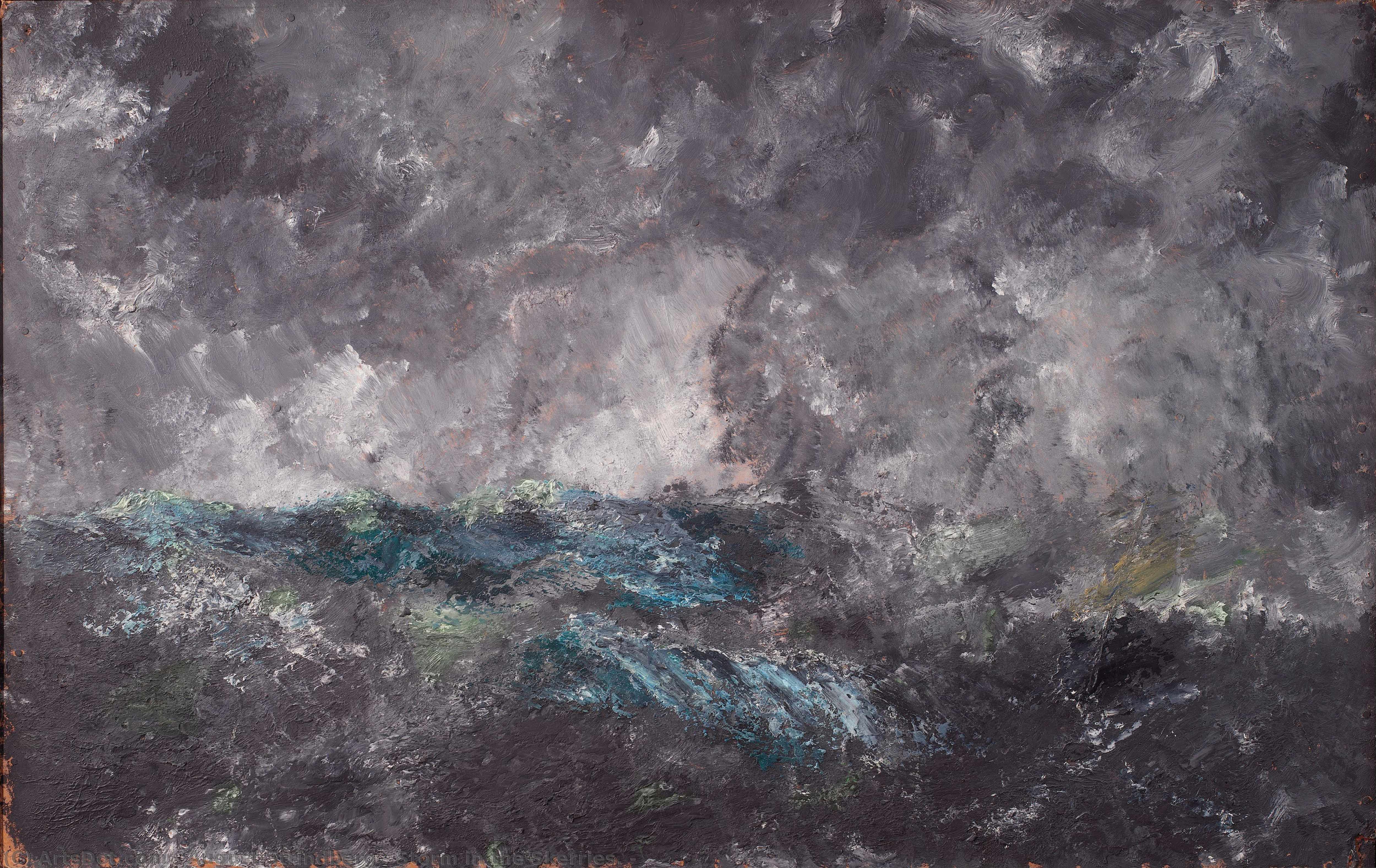
Storm in the Skerries.
 1892
1892 98.0 x 62.0 cm
 Galería Nacional de Dinamarca
 Ver más
Adquiera una imagen digital de alta resolución y optimizada, muy superior a la vista previa en línea.
Cada archivo es preparado meticulosamente por nuestros especialistas internos mediante el uso de herramientas avanzadas y un experto retoque manual. Nos aseguramos de que cada imagen posea una claridad excepcional, una precisión cromática impecable y un detalle minucioso.
El archivo final se entrega por correo electrónico en un plazo de 72 horas, optimizado para su uso inmediato en entornos profesionales, editoriales y de impresión. Esta es la misma calidad en la que confían los estudios de diseño, las editoriales y las galerías de primer nivel.
Imagen Digital
Descarga un archivo de alta resolución para exhibición personal, impresión y proyectos creativos. ( Cambiar a Impresión Comprar pintura hecha a mano)
Incluido en cada pedido de imágenes digitales
Entrega digital experta, garantizada.
Al elegir ArtsDot.com, no solo está adquiriendo una imagen; está recibiendo una obra de arte digital mejorada profesionalmente, elaborada con precisión y respaldada por una garantía de satisfacción. Esto es todo lo que incluye su pedido, automáticamente:

Entrega rápida por email
Recibirá su archivo de imagen digital en alta resolución por correo electrónico en un plazo de 72 horas tras realizar su pedido, listo para su uso inmediato.

Archivo digital optimizado por IA
Su obra de arte se optimiza profesionalmente mediante herramientas avanzadas de IA y edición manual, garantizando el máximo detalle, claridad y precisión cromática.

Reenvío gratuito de por vida
¿Has borrado o perdido tu archivo por error? No te preocupes: te lo volveremos a enviar en cualquier momento, sin coste adicional.

Sin gastos de importación, siempre
Disfrute de su obra de arte al instante sin aduanas, aranceles ni gastos de envío; las descargas digitales siempre están libres de impuestos.

Garantía de fidelidad de color
Garantizamos que su imagen digital refleje los colores originales con la mayor fidelidad posible, mediante el uso de herramientas profesionales y gestión del color.

Garantía de satisfacción de 100 días
Si no está satisfecho con su imagen digital, la revisaremos o le reembolsaremos el 100% en un plazo de 100 días, sin preguntas.

100% Garantía de devolución de dinero
¿No está satisfecho? Obtenga un reembolso completo dentro de los 100 días posteriores a la recepción de su archivo digital, sin preguntas.

Descuentos por pedidos grandes
Compra 3 imágenes, ahorra 10% - Compra 5, ahorra 15% - Compra 10+, ahorra 20%. Ideal para proyectos creativos, galerías y agencias.
Obras relacionadas







Biografía del artista
**early life and career**
Johan August Strindberg, a name synonymous with both brilliance and turmoil, emerged from the shadowed corners of Stockholm in 1849. His early years were far from idyllic; steeped in emotional instability, punctuated by periods of poverty, and deeply marked by his father’s authoritarianism and his mother's fervent religious convictions, these formative experiences would irrevocably shape his artistic vision. His childhood was a complex tapestry woven with threads of neglect, familial conflict, and an underlying sense of displacement – themes that would repeatedly surface in his dramatic works. Initially destined for the priesthood, Strindberg’s aspirations were quickly derailed by a profound dissatisfaction with the rigid confines of academic life. He enrolled at Uppsala University, but found himself increasingly drawn to the world of theatre, initially as a stagehand and later as an actor, though his attempts to secure a leading role proved consistently unsuccessful. This early rejection fueled a burning desire for recognition and a relentless pursuit of artistic expression that would define much of his career. It was during this period of searching and striving that he began to hone his craft, experimenting with various literary forms and developing the keen observational skills that would later characterize his powerful portrayals of human psychology.**artistic breakthrough and naturalistic drama**
Strindberg’s artistic trajectory took a dramatic turn in 1872 with the rejection of *Master Olof*, a historical play, by the Royal Theatre. This setback, though initially disheartening, ultimately served as a catalyst for his creative evolution. He quickly established himself as a prolific journalist and literary critic, gaining recognition for his sharp wit and uncompromising honesty. However, it was in 1881 that he achieved true critical acclaim with *New Theatre*, a groundbreaking work that shattered the conventions of traditional Swedish drama. This play marked a pivotal moment, signaling Strindberg’s emergence as a leading voice in the burgeoning naturalistic movement – a style characterized by its unflinching realism, psychological depth, and exploration of social issues. Following this success, he embarked on a prolific period of dramatic production, creating a series of intensely personal and often controversial plays that challenged societal norms and exposed the dark undercurrents of human relationships. Works like *The Father* (1887), *Miss Julie* (1888), and *Creditors* (1889) became immediate sensations, captivating audiences with their raw emotion, complex characters, and unflinching portrayal of marital discord, social inequality, and the destructive power of jealousy. These plays weren’t mere narratives; they were meticulously constructed psychological studies, delving into the hidden motivations and inner turmoil of their protagonists.**influence on modern Swedish literature and beyond**
August Strindberg's impact extends far beyond the confines of the Swedish stage. He is widely regarded as the “father” of modern Swedish literature, a title earned through his pioneering exploration of psychological realism and his willingness to confront uncomfortable truths about human nature. His novel *The Red Room* (1879), often considered a landmark work in the development of the modern Swedish novel, broke with traditional literary conventions and offered a strikingly subjective and intensely personal account of the author’s inner world. Strindberg's influence permeated various aspects of Swedish art and culture, inspiring generations of writers, painters, and filmmakers. His innovative approach to drama—characterized by its focus on psychological realism, its rejection of conventional plot structures, and its exploration of complex moral dilemmas—laid the foundation for subsequent developments in both Swedish and international theatre. Furthermore, his work anticipated many of the themes explored by Expressionist artists, foreshadowing the movement’s emphasis on subjective experience and emotional intensity.**notable works and exhibitions – a visual journey**
Strindberg's artistic output wasn't confined to the written word; he was also a dedicated painter, exploring various styles throughout his career. His early landscapes, such as *Staden* (1893), are characterized by their stark, almost apocalyptic imagery—towering clouds dominating a desolate cityscape, reflecting the anxieties and uncertainties of modern life. These paintings, often imbued with a sense of foreboding and psychological intensity, demonstrate Strindberg’s ability to translate his complex inner world onto canvas. *Underlandet* (1897), another significant work, showcases his evolving artistic style—a bold and innovative approach that combined elements of realism and abstraction. These paintings, alongside his dramatic works, offer a comprehensive portrait of an artist grappling with the challenges of his time and seeking to express the complexities of human experience through multiple mediums.- Staden (Nationalmuseum, Stockholm, Sweden): A dark landscape dominated by monumental cloud formations, reflecting anxieties about modernity.
- Underlandet (Nationalmuseum, Stockholm, Sweden): An example of Strindberg’s innovative painting style, blending realism and abstraction.
**legacy and enduring significance**
August Strindberg's legacy continues to resonate today. His plays remain staples of the dramatic repertoire, performed around the world and studied in universities and schools. His novels are considered essential works of modern Swedish literature, offering profound insights into the human condition. Beyond his literary achievements, Strindberg’s life—marked by intense personal struggles, creative brilliance, and a relentless pursuit of artistic truth—serves as an enduring testament to the power of individual expression. He remains a controversial figure, admired for his honesty and originality, yet also criticized for his often-destructive behavior and his tendency toward self-pity. However, it is precisely this complexity that makes Strindberg such a compelling subject – a visionary artist who dared to confront the darkest corners of human experience and challenge the conventions of his time. His work continues to provoke thought, inspire debate, and remind us of the enduring power of art to illuminate the mysteries of the human soul.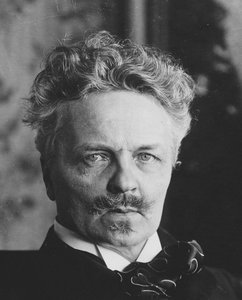
Augusto Strindberg
1849 - 1912 , Suecia
Breves datos
- Artistic Movement Or Style: Naturalismo, Expresionismo
- Artists Or Movements Influenced By This Artist:
- Literatura sueca moderna
- Expresionismo
- Artists Who Influenced This Artist:
- Henrik Ibsen
- Émile Zola
- Date Of Birth: 22 de enero de 1849
- Date Of Death: 14 de mayo de 1912
- Full Name: Johan August Strindberg
- Nationality: Sueco
- Notable Artworks:
- Master Olof
- Miss Julie
- El Padre
- Creditos
- Place Of Birth: Estocolmo, Suecia