

 Ver en contexto
 Enviar
 Compartir
 Detalles

 Descargar
 Similares
 Radiografía
 Presentación de diapositivas
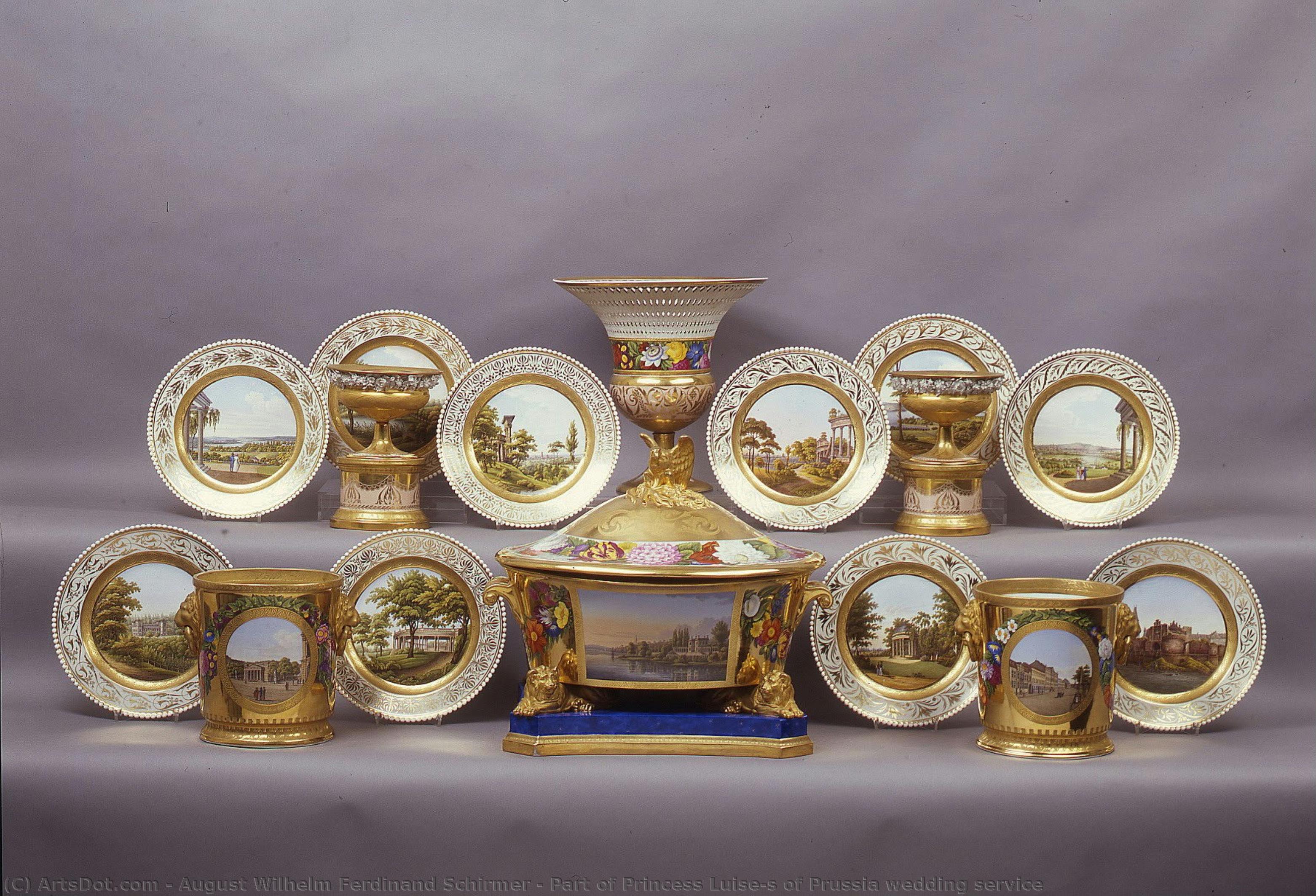
Part of Princess Luise’s of Prussia wedding service


 Ver más
Giclée / Impresión de arte
Impresiones giclée o en lienzo de calidad de museo con producción rápida y opciones de acabado flexibles. ( Comprar pintura hecha a mano Comprar imagen)




P118B $10

P118H $10

P118W $10

P438Z $10

P508JH $12

P508YH $12

P805H $10

P805Z $10

P919BZ $10

P919G $10

P919XJ $10

P959ZH $10

P968JZ $12

W106C $8

W218G $10

W218JH $8

W218Y $10

W307PJ $10

W316G $10

W316PJ $8

W316Y $10

W398PJ $8

W4111J $10

W500HY $15

W500JH $15

W692G $12

W849H $8

W940BG $15

W953PJ $8




Elija entre nuestros tamaños predefinidos que respetan las proporciones originales de la obra.

Puede introducir sus propias dimensiones para adaptarse a un marco o espacio específico. Si el tamaño seleccionado no coincide con las proporciones de la imagen original, recortaremos la obra de arte o extenderemos la imagen con un borde con efecto espejo o de color sólido. Se enviará una maqueta digital para su aprobación antes de que comience la producción.
Tenga en cuenta que la vista previa en pantalla no refleja el recorte o la extensión real. Solo la maqueta mostrará con precisión la composición final.
Aunque existen tamaños personalizados, recomendamos seleccionar una dimensión de la lista predefinida para preservar las proporciones originales.
Envío a todo el mundo () en 2 semanas en lugar de las 4/5 semanas estándar. (3 septiembre)

Envío exprés gratuito a todo el mundo

Lienzo de lino de alta calidad

Seguro de envío total

Garantía de reembolso de impuestos aduaneros

Garantía de fidelidad cromática exacta

Política de devolución de 60 días (solo por defectos)

Garantía de devolución del 100% del dinero

Descuento por cantidad
 La opción de vidrio solo está disponible en tamaños inferiores a 110 cm.

Part of Princess Luise’s of Prussia wedding service
Giclée / Impresión de arte
Dimensiones de la reproducción
-


Precio total final
$ 62
A Glimpse into Royal Life: The Porcelain Depiction of a Prussian Ceremony
August Wilhelm Ferdinand Schirmer's "Part of Princess Luise’s of Prussia wedding service" is more than just a still life; it’s a meticulously crafted window into the opulent world of 18th-century Prussian aristocracy. Painted in 1825, this work captures a pivotal moment – the presentation of porcelain services to the young princess as she prepared for her marriage to Prince Frederick of the Netherlands. The painting isn't merely decorative; it’s a carefully orchestrated tableau reflecting social status, familial bonds, and the burgeoning artistic sensibilities of the era.
Schirmer, a prominent figure in Berlin’s art scene, skillfully blends Neoclassical influences with Romantic elements. His meticulous attention to detail—the delicate curves of the porcelain, the subtle variations in glaze, the precise arrangement of each piece—demonstrates his technical mastery. Yet, beyond the surface realism lies an underlying sense of narrative and emotional resonance. The composition isn’t chaotic; instead, it exudes a quiet elegance, suggesting a scene of restrained formality and understated beauty.
The Porcelain Service: A Symbol of Status and Heritage
The significance of the porcelain service itself cannot be overstated. In 18th-century Prussia, such sets were not simply tableware; they represented a family’s wealth, lineage, and connection to the Royal manufactory at Meißen. Each piece was imbued with symbolic meaning – the delicate floral patterns referencing Prussian heraldry, the intricate designs reflecting the artistic traditions of the time. The inclusion of vases, salad bowls, baskets, and figurines within the service highlights its comprehensive nature and underscores the princess’s elevated position within society.
Crucially, this particular set was created specifically for Princess Louise, daughter of Queen Louise and King Frederick William III. The fact that it featured views of Potsdam—her childhood home—transforms the painting into a poignant reminder of her origins and a tangible link to her past. It’s a deliberate gesture of comfort and connection, offering a visual respite from the formality of court life.
Schirmer's Artistic Context: Bridging Neoclassicism and Romanticism
August Wilhelm Ferdinand Schirmer’s artistic development was shaped by his early work at the royal porcelain factory, where he honed his skills in detail and color. However, his formal training at the Berlin Academy of Arts under Friedrich Wilhelm Schadow exposed him to neoclassical principles, emphasizing clarity, order, and idealized forms. His subsequent travels to Italy proved transformative, introducing him to the vibrant colors and dramatic landscapes favored by J.M.W. Turner and fostering a more expressive approach to painting.
Schirmer’s ability to synthesize these diverse influences is evident in "Part of Princess Luise’s of Prussia wedding service." The work retains a sense of classical restraint while simultaneously embracing the Romantic emphasis on emotion, atmosphere, and the sublime beauty of nature. The soft lighting, the subtle gradations of color, and the carefully rendered details all contribute to a feeling of quiet contemplation and understated grandeur.
A Legacy in Porcelain: Reproduction and Artistic Appreciation
Today, "Part of Princess Luise’s of Prussia wedding service" stands as a testament to Schirmer's artistic skill and his ability to capture the essence of a bygone era. Reproductions offer an accessible way to experience this remarkable work, allowing art lovers to bring its beauty into their homes or offices. When selecting a reproduction, consider the level of detail and accuracy—a high-quality print will faithfully recreate Schirmer’s masterful rendering of porcelain and his evocative portrayal of Prussian aristocratic life.
Obras relacionadas

Biografía del artista
Primeros años y formación
- Nacimiento: Berlín, Alemania, 6 de mayo de 1802
- Fallecimiento: Nyon, Suiza, 8 de junio de 1866
- August Wilhelm Ferdinand Schirmer comenzó su trayectoria artística desde muy temprana edad. Sus inicios estuvieron marcados por su labor pintando flores en la real fábrica de porcelana, donde ya demostraba un talento innato para el detalle y el uso del color.
- Más tarde, se convirtió en alumno de Friedrich Wilhelm Schadow en la Academia de las Artes de Berlín, recibiendo una formación formal en los principios y técnicas fundamentales del arte.
- Si bien las enseñanzas de Schadow dejaron su huella, el desarrollo artístico de Schirmer fue moldeado de manera significativa por sus viajes a Italia.
Estancia italiana y desarrollo artístico
- En 1827, Schirmer emprendió un viaje crucial hacia Italia, pasando tres años sumergido en la vibrante escena artística y los paisajes del país mediterráneo.
- Bajo la tutela de Joseph Koch, aprendió a interpretar la naturaleza desde una perspectiva tanto poética como histórica.
- La obra de Schirmer se vio influenciada por el estilo dramático de J.M.W. Turner y, al mismo tiempo, por el enfoque neoclásico de sus antiguos maestros.
- Durante este periodo, se integró en diversas sociedades artísticas en Roma, tales como la Deutsche Künstlervereinigung y la Sociedad Ponte Molle, lo que le permitió cultivar profundas conexiones con otros artistas de la época.
Estilo y obras maestras
- El estilo de Schirmer se caracteriza por una armoniosa fusión entre el romanticismo y una profunda conciencia histórica. Su búsqueda no consistía en retratar paisajes como meras vistas escénicas, sino como escenarios impregnados de historia y trascendencia poética.
- Fue reconocido por su extraordinaria capacidad para integrar elementos arquitectónicos, especialmente ruinas romanas y puentes, dentro de sus composiciones paisajísticas.
- Entre sus obras más destacadas se encuentran los bocetos realizados durante su estancia en Italia, los cuales sirvieron de base para pinturas de gran formato encargadas por la familia real prusiana. Una de estas piezas fue una obra de gran escala titulada Paisaje con el Monte Soratte, visto entre Narni y Otricoli, aunque lamentablemente no ha sobrevivido al paso del tiempo.
- Asimismo, creó murales para el Museo de Antigüedades de Berlín, representando sitios y templos clásicos para complementar las colecciones de dicha institución.
Carrera tardía y legado
- En 1835, Schirmer fue admitido como miembro de la Academia de Berlín y, posteriormente, ejerció como profesor de paisaje desde 1839 hasta 1865.
- Se desempeñó como pintor de la corte del príncipe heredero Friedrich Wilhelm, quien llegaría a ser Rey de Prusia.
- La influencia de Schirmer trascendió a sus alumnos directos; su labor fue fundamental para moldear el desarrollo de la pintura de paisaje en Berlín y contribuyó significativamente al renacimiento del arte del paisaje histórico.
- Su énfasis en integrar la historia y la poesía dentro del paisaje lo distinguió de muchos de sus contemporáneos, estableciendo una visión artística única e irrepetible.
Significado histórico
- Schirmer es reconocido como uno de los pintores de paisajes berlineses más importantes e influyentes de su época.
- Logró tender un puente entre el Neoclasicismo y el Romanticismo en el arte alemán, incorporando elementos de ambos estilos en su producción artística.
- Sus murales para el Museo de Antigüedades de Berlín fueron una muestra fehaciente de su habilidad para combinar la destreza técnica con un profundo entendimiento histórico.
- El legado de Schirmer reside en su contribución al desarrollo de un enfoque distintivamente alemán de la pintura de paisaje, uno que valoraba tanto la belleza estética como el contexto histórico.
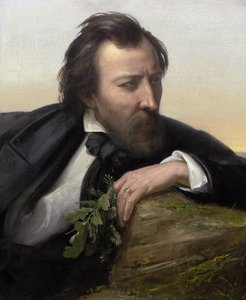
August Wilhelm Ferdinand Schirmer
1802 - 1866 , Alemania
Datos clave
- Artistic Movement Or Style: Movimiento nazareno
- Artists Who Influenced This Artist:
- Joseph Anton Koch
- Johann Christian Reinhart
- J. M. W. Turner
- Date Of Birth: 6 de mayo de 1802
- Date Of Death: 8 de junio de 1866
- Full Name: August Wilhelm Ferdinand Schirmer
- Nationality: Alemán
- Notable Artworks:
- Parte del servicio de bodas de la princesa Luise
- La coronación del emperador y la emperatriz
- Place Of Birth: Berlín, Alemania
Artículos relacionados
¿Recuerdos de Boda que no Aburren: Eleva tu Decoración con Arte Personalizado?
Eleva tu boda con arte personalizado. Descubre inspiración, tendencias y consejos expertos para una decoración nupcial inolvidable. te ayuda a crear recuerdos únicos.

Amor en Lienzo: 7 Estilos Románticos para tu Retrato de Boda Perfecto
Encuentra el retrato de boda perfecto que capture tu amor eterno. Explora estilos únicos y encarga una obra maestra personalizada con . ¡Regalos inolvidables!
Eterna tu Amor: Pinturas Personalizadas para Bodas Inolvidables y un Legado Artístico
Crea un recuerdo eterno con una pintura de boda personalizada. te ofrece artistas expertos y obras únicas para celebrar tu amor. ¡Regalos inolvidables!
¿Convierte Su Foto Favorita en Arte Atemporal? Guía Paso a Paso para un Recuerdo Único
Transforma tus fotos en obras de arte atemporales con expertos. Guía paso a paso para crear cuadros personalizados únicos y memorables. ¡Descubre el regalo perfecto!

10 Ideas Creativas para Obras de Arte Personalizadas en Bodas que Aún No Habías Considerado
Descubre 10 ideas creativas para obras de arte personalizadas en tu boda. Regalos únicos y recuerdos inolvidables creados por artistas expertos. ¡Encuentra el toque perfecto!

