 Ver en contexto
 Enviar
 Compartir
 Detalles

 Descargar
 Similares
 Radiografía
 Presentación de diapositivas
 Estadísticas
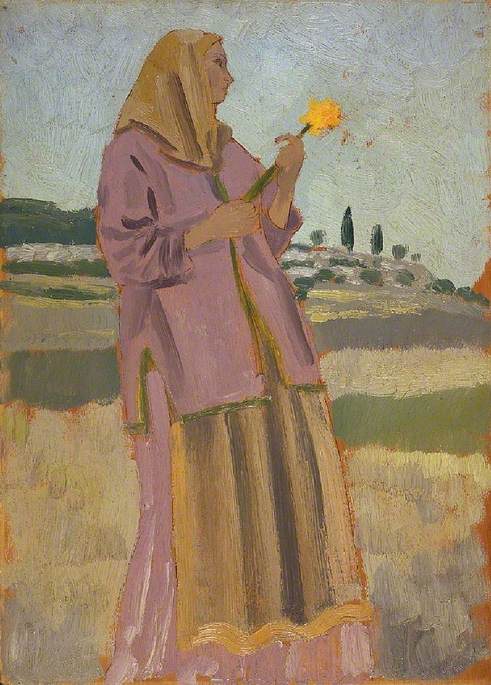
Woman with a Daffodil
 Acrylic On Canvas
- WallArt
- Post-Impressionism
 1910
1910 30.0 x 24.0 cm
 Fitzwilliam College
 Ver más
Giclée / Impresión de arte
Impresiones giclée o en lienzo de calidad de museo con producción rápida y opciones de acabado flexibles. ( Comprar pintura hecha a mano Cambiar a imagen digital)




P118B $10

P118H $10

P118W $10

P438Z $10

P508JH $12

P508YH $12

P805H $10

P805Z $10

P919BZ $10

P919G $10

P919XJ $10

P959ZH $10

P968JZ $12

W106C $8

W218G $10

W218JH $8

W218Y $10

W307PJ $10

W316G $10

W316PJ $8

W316Y $10

W398PJ $8

W4111J $10

W500HY $15

W500JH $15

W692G $12

W849H $8

W940BG $15

W953PJ $8




Elija entre nuestros tamaños predefinidos que respetan las proporciones originales de la obra.

Puede introducir sus propias dimensiones para adaptarse a un marco o espacio específico. Si el tamaño seleccionado no coincide con las proporciones de la imagen original, recortaremos la obra de arte o extenderemos la imagen con un borde con efecto espejo o de color sólido. Se enviará una maqueta digital para su aprobación antes de que comience la producción.
Tenga en cuenta que la vista previa en pantalla no refleja el recorte o la extensión real. Solo la maqueta mostrará con precisión la composición final.
Aunque existen tamaños personalizados, recomendamos seleccionar una dimensión de la lista predefinida para preservar las proporciones originales.
Envío a todo el mundo () en 2 semanas en lugar de las 4/5 semanas estándar. (10 septiembre)

Envío exprés gratuito a todo el mundo

Lienzo de lino de alta calidad

Seguro de envío total

Garantía de reembolso de impuestos aduaneros

Garantía de fidelidad cromática exacta

Política de devolución de 100 días (solo por defectos)

Garantía de devolución del 100% del dinero

Descuento por cantidad
 La opción de vidrio solo está disponible en tamaños inferiores a 110 cm.

Woman with a Daffodil
Giclée / Impresión de arte
Dimensiones de la reproducción
-


Precio total final
$ 62
A Moment of Contemplation: Augustus Edwin John’s “Woman with a Daffodil”
Augustus Edwin John's "Woman with a Daffodil," painted in 1910, is more than just a portrait; it’s a carefully constructed tableau of quiet introspection and subtle beauty. The painting captures a woman standing within a field, bathed in the soft light of what appears to be late afternoon, holding aloft a single daffodil – a gesture simultaneously vulnerable and imbued with an almost ethereal significance. John, a key figure in British Post-Impressionism, masterfully employs his signature style—characterized by loose brushwork, vibrant color palettes, and a focus on capturing the essence of his subjects rather than photographic realism—to create an image that resonates deeply with the viewer’s sense of mood and atmosphere. The work offers a glimpse into the artist's world, revealing both his technical skill and his profound understanding of human emotion.The Artist and His Subject: A Portrait of Bohemian Grace
Born in Tenby, Wales, in 1878, Augustus Edwin John cultivated an unconventional life deeply intertwined with artistic circles and bohemian sensibilities. He rejected the rigid conventions of academic art, forging a path marked by emotional intensity and a willingness to explore the complexities of human character. “Woman with a Daffodil” exemplifies this approach; it’s not a formal depiction but rather a suggestion of a moment, an impression captured with remarkable sensitivity. The woman herself is presented with a deliberate ambiguity – her features are softened, almost dreamlike, inviting speculation about her identity and inner life. Her purple dress, a rich jewel tone against the muted greens and browns of the field, adds to this sense of mystery, while the scarf partially concealing her face further emphasizes her contemplative state. John’s portraits were often characterized by their intimacy; he sought to reveal not just outward appearance but also the soul of his subjects.Technique and Color: A Dance of Light and Shadow
John's technique is immediately recognizable—a loose, expressive brushstroke that prioritizes capturing light and atmosphere over meticulous detail. He utilizes a vibrant yet harmonious color palette, dominated by greens and yellows to evoke the natural setting, punctuated by the striking purple of the woman’s dress and the bright yellow of the daffodil. Notice how he builds up layers of paint, creating subtle gradations of tone and texture that give the painting a remarkable sense of depth and luminosity. The dappled light filtering through the trees in the background is particularly noteworthy – John skillfully renders the interplay of light and shadow to create a dynamic and engaging composition. The daffodil itself isn’t sharply defined; instead, it's rendered with delicate strokes, suggesting its ephemeral beauty and fragility.Symbolism and Emotional Resonance: Seeking Connection
The inclusion of the daffodil is particularly significant. In Victorian symbolism, daffodils represent hope, joy, and new beginnings – a potent metaphor for renewal and aspiration. The woman’s gesture—holding the flower aloft as if reaching towards something unseen—suggests a yearning for connection, perhaps with nature, with spirituality, or even with an absent loved one. The candle in her hand, though not explicitly visible, subtly reinforces this theme of seeking guidance and illumination. The overall mood is one of quiet contemplation and gentle melancholy, inviting the viewer to share in the woman’s unspoken thoughts and feelings. It's a scene that speaks to the universal human desire for meaning and connection within a vast and often bewildering world.A Timeless Masterpiece: Reproduction and Beyond
“Woman with a Daffodil” remains a powerfully evocative work of art, demonstrating John’s exceptional ability to capture both the beauty and the complexity of the human experience. Reproductions offer an accessible way to bring this captivating image into your home or office, allowing you to appreciate its nuances and emotional depth. Whether displayed as a statement piece in a living room or a calming addition to a study, this painting continues to resonate with viewers today, reminding us of the enduring power of art to inspire reflection and evoke profound emotion.- Size:** 30 x 24 cm
- Date:** 1910
- Artist:** Augustus Edwin John
Obras relacionadas

Biografía del artista
Augustus Edwin John: Una Vida en el Arte
- Nacido: 4 de enero de 1878, Tenby, Gales
- Fallecido: 31 de octubre de 1961, Fordingbridge, Inglaterra
Primeros Años y Formación Artística
- La vida temprana de John estuvo marcada por su herencia galesa y un entorno familiar solidario. Su madre le inculcó el amor por el dibujo desde una edad temprana.
- Asistió a la Escuela de Arte de Tenby a los 17 años, demostrando una aptitud artística temprana.
- Estudios posteriores en la Slade School of Fine Art, University College London (1894-1898), fueron fundamentales para su desarrollo como artista. Se destacó allí, ganando el Premio Veraniego de Arte Slade en 1898.
- Una lesión significativa en la cabeza en 1897 condujo a un cambio dramático en su personalidad y estilo artístico, marcado por una mayor espontaneidad y audacia.
Estilo Artístico y Obras Principales
- Influencias: La obra de John estuvo influenciada por pintores de la Vieja Escuela como Peter Paul Rubens, así como por contemporáneos franceses como Matisse y Gauguin. También se inspiró en Puvis de Chavannes.
- Estilo: Su estilo evolucionó a través del Postimpresionismo, caracterizado por colores vibrantes, pinceladas expresivas y un enfoque en capturar la esencia de sus sujetos.
- Retratista: John es mejor conocido por sus retratos, que a menudo representaban figuras aristocráticas y personalidades literarias. Tenía una habilidad para capturar una "actitud instantánea" en sus modelos. Ejemplos notables incluyen retratos de David Lloyd George, James Joyce y George Bernard Shaw.
- Obras Notables:
- Caspar (1909): Un retrato conmovedor que muestra la inocencia juvenil.
- Retratos de Archibald Henry Macdonald Sinclair (1924)
- Retrato de Francis Henry Crittall (1919)
- Air Mechanic Shaw (Coronel T. E. Lawrence de Arabia, 1935)
- David John (1937)
- Lore Gitana: Una fascinación por la cultura romaní llevó a un período en el que él y su familia viajaron en una caravana, influyendo en sus temas artísticos y finalmente lo condujo a convertirse en Presidente de la Gypsy Lore Society.
Desarrollo y Significado Histórico
- Inicialmente celebrado por sus dibujos figurativos y sus innovadoras técnicas de óleo, el trabajo posterior de John a veces sufrió un declive en el brillo pictórico, volviéndose más flamboyant que impactante.
- Durante la Primera Guerra Mundial, sirvió como artista de guerra adjunto a las fuerzas canadienses, creando retratos memorables de soldados. Un incidente subsiguiente condujo a su regreso a Inglaterra.
- A pesar de las fluctuaciones en la recepción crítica a lo largo de su carrera, Augustus Edwin John sigue siendo una figura importante en la historia del arte británico. Fue uno de los pocos artistas británicos que logró un reconocimiento público generalizado y ayudó a popularizar el Postimpresionismo en el Reino Unido.
- Su legado radica en su excepcional dominio del dibujo, su capacidad para capturar el carácter en el retrato y su contribución al desarrollo de la pintura moderna británica.
Años Posteriores y Legado
- John recibió la Orden del Mérito en 1942, reconociendo sus contribuciones al arte.
- Escribió dos volúmenes de autobiografía, Chiaroscuro (1952) y Finishing Touches (publicado póstumamente en 1964).
- Si bien su reputación experimentó un declive después de la Segunda Guerra Mundial, ha habido un renovado interés en su obra, particularmente sus piezas tempranas.
- La hermana de John, Gwen John, también fue una artista muy respetada, lo que solidificó aún más el legado artístico familiar.
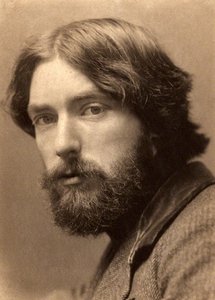
Augustus Edwin John
1878 - 1961 , Gales
Datos clave
- Artistas Que Influyeron:
- Rubens
- Matisse
- Gauguin
- Fecha De Fallecimiento: 31 de octubre de 1961
- Fecha De Nacimiento: 4 de enero de 1878
- Lugar De Nacimiento: Tenby, Reino Unido
- Movimiento Artístico: Postimpresionismo
- Nacionalidad: Galés
- Nombre Completo: Augustus Edwin John
- Obras Notables:
- Caspar (1909)
- Air Mechanic Shaw (1935)
- David John (1937)
Artículos relacionados
Gwen John: Intimacy, Modernity & the Quiet Power of Welsh Portraiture
Explore the captivating world of Gwen John, a pioneering Welsh artist renowned for her intimate portraits & subtle style. Discover her life, legacy, and how to bring her timeless beauty into your home with ArtsDot.
Blossoming Symbolism: A Historical Journey Through Flowers in Western Painting
Explore the rich history of flower symbolism in Western painting! Discover how artists from the Renaissance to Modernism used blossoms to convey meaning, emotion & beauty. Learn about iconic artworks and movements.

John Constable: Las 25 Obras Maestras del Paisaje Inglés | ArtsDot
Descubre las 25 obras maestras de John Constable, el pintor romántico inglés que capturó la belleza del paisaje. Explora su técnica, historia y significado en ArtsDot.com. Reproducciones de arte de alta calidad para tu hogar.
Blossoms of Time: A Historical Journey Through Flower Painting
Explore the captivating history of flower painting! Discover Dutch masters, symbolic meanings, & botanical art. Expert insights & high-quality reproductions at ArtsDot.
John Singer Sargent: Las 25 Obras Maestras del Retrato y la Belle Époque | ArtsDot
Descubre las 25 obras maestras de John Singer Sargent, el maestro del retrato y la Belle Époque. Explora su técnica impresionista, historias fascinantes y encuentra reproducciones de arte exclusivas para decorar tu hogar con elegancia en ArtsDot.com.