

 Ver en contexto
 Enviar
 Compartir
 Detalles

 Descargar
 Similares
 Radiografía
 Presentación de diapositivas
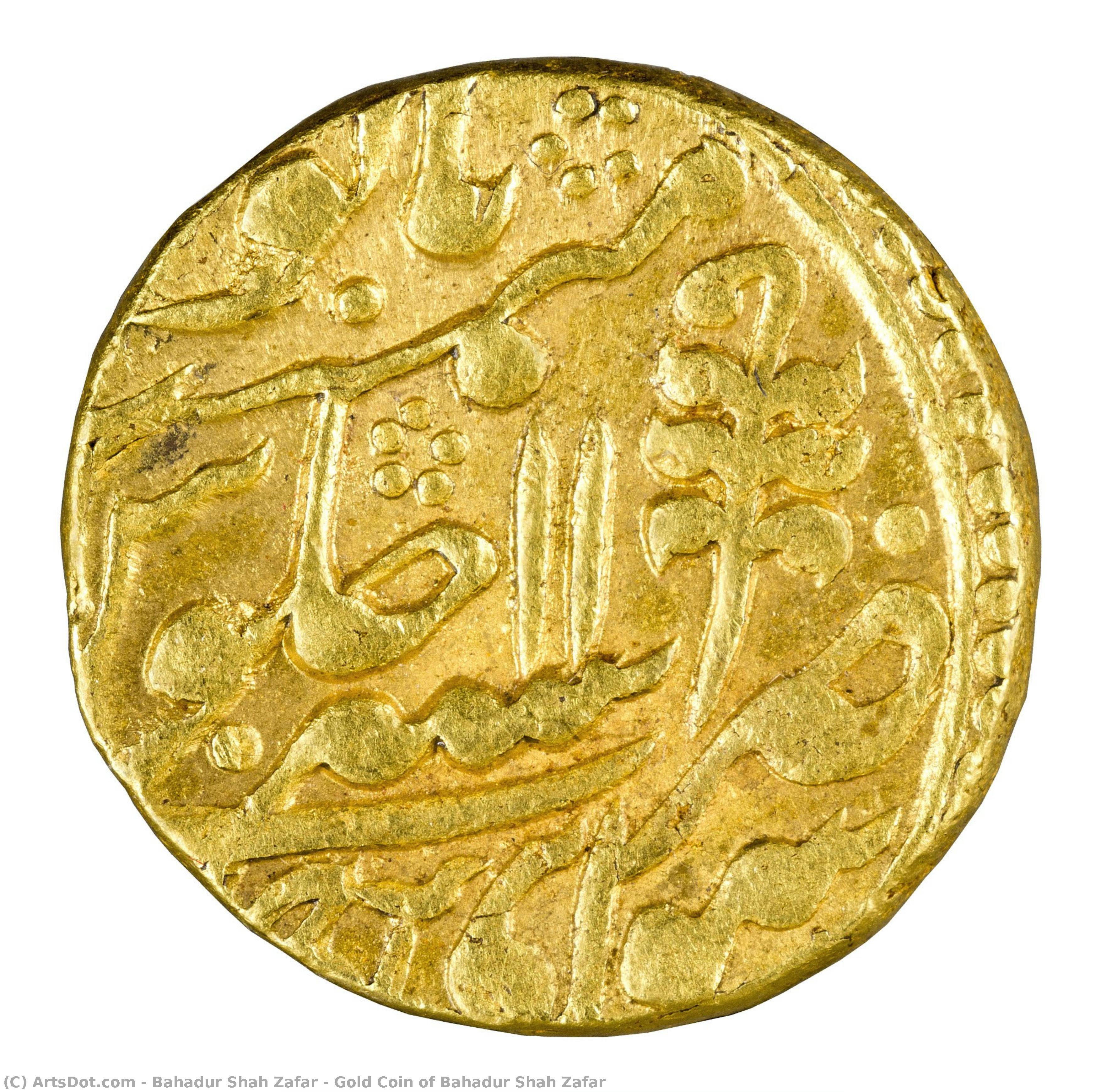
Gold Coin of Bahadur Shah Zafar


 Ver más
Reproducción al óleo hecha a mano
Óleo sobre lienzo pintado a mano en el tamaño y marco de su elección, realizado por encargo por nuestros artistas. ( Comprar impresión Comprar imagen)




P118B $10

P118H $10

P118W $10

P438Z $10

P508JH $12

P508YH $12

P805H $10

P805Z $10

P919BZ $10

P919G $10

P919XJ $10

P959ZH $10

P968JZ $12

W106C $8

W218G $10

W218JH $8

W218Y $10

W307PJ $10

W316G $10

W316PJ $8

W316Y $10

W398PJ $8

W4111J $10

W500HY $15

W500JH $15

W692G $12

W849H $8

W940BG $15

W953PJ $8




Elija entre nuestros tamaños predefinidos que respetan las proporciones originales de la obra.

Puede ingresar sus propias dimensiones para adaptarse a un marco o espacio específico. Si el tamaño seleccionado no coincide con las proporciones de la imagen original, recortaremos la obra o extenderemos la pintura con elementos adicionales pintados a mano. Se le enviará una maqueta digital para su aprobación antes de comenzar la producción.
Tenga en cuenta que la vista previa en pantalla no refleja el recorte o la extensión reales. Solo la maqueta mostrará con precisión la composición final.
Si bien existen tamaños personalizados, recomendamos seleccionar una dimensión de la lista predefinida para preservar las proporciones originales.
Tras realizar el pedido, el equipo de ArtsDot.com enviará un correo electrónico al cliente para solicitar instrucciones y proporcionarle una vista previa del boceto.
Envío a todo el mundo () en 3-4 semanas en lugar de las 5 semanas estándar. (5 septiembre). Sin comprometer la calidad.

Envío exprés gratuito a todo el mundo

Lienzo de lino de alta calidad

Seguro de envío total

Garantía de reembolso de impuestos aduaneros

Garantía de fidelidad cromática exacta

Política de devolución de 60 días (solo por defectos)

Garantía de devolución del 100% del dinero

Descuento por cantidad
 La opción de vidrio solo está disponible en tamaños inferiores a 110 cm.

Gold Coin of Bahadur Shah Zafar
Técnica de reproducción
Dimensiones de la reproducción
-


Precio total final
$ 263
A Glimpse into Imperial India – The Gold Coin of Bahadur Shah Zafar
The image before you captures more than just a gold coin; it’s a tangible fragment of a bygone era, a whispered echo of the last Mughal Emperor and his tumultuous reign. This intricately designed piece, depicting the profile of Bahadur Shah Zafar, isn't merely a monetary object but a miniature historical record, a testament to artistry and political upheaval within the vibrant tapestry of 18th-century India. The coin’s weathered surface speaks volumes – it has witnessed centuries, bearing the subtle marks of time and handling, lending an undeniable sense of authenticity and connection to its past.
The craftsmanship is immediately striking. The central portrait, rendered with remarkable detail for its size, showcases Zafar's regal features—a strong jawline, a thoughtful gaze, and the subtle ornamentation characteristic of Mughal imperial iconography. Surrounding this central figure are Arabic inscriptions, likely detailing the coin’s minting date (1274), the emperor’s title, and perhaps even auspicious blessings. The use of raised lettering and meticulously applied borders demonstrates the skill of the goldsmith and the importance placed on both function and aesthetic appeal in Mughal coinage.
The Emperor and His Legacy
Bahadur Shah Zafar (1775-1862) was a complex figure, a poet, calligrapher, and ultimately, the last sovereign of the once-mighty Mughal Empire. Born Mirza Abu Zafar Sirajuddin Muhammad, he ascended to the throne in 1837 following the death of his father, Akbar II. His reign, though brief, marked a poignant transition – a final, flickering ember of an empire that had already begun its decline. He was known by his pen name, Zafar, meaning “Victory,” a title tragically ironic given the circumstances of his exile and eventual demise.
The coin’s creation occurred during a period of immense political change. The British East India Company's influence was steadily tightening its grip on India, leading to widespread unrest and ultimately, the Sepoy Mutiny of 1857. Zafar’s role in this uprising, though largely symbolic, cemented his place as a symbol of resistance against colonial rule. The coin itself can be viewed as a subtle assertion of imperial authority amidst growing instability – a reminder of the Mughal dynasty's past glory even as it faded into memory.
Symbolism and Artistic Technique
Beyond its historical significance, the coin is a remarkable example of Mughal artistic technique. The gold itself—a precious metal signifying wealth and power—is expertly worked to create a smooth, lustrous surface. The intricate details of the portrait are achieved through a combination of repoussé (hammering from the reverse side) and chasing (using tools to raise or lower the metal's surface), techniques that demand considerable skill and patience. The stylized floral motifs adorning the borders—often found in Mughal art—add an element of elegance and refinement, reflecting the empire’s appreciation for beauty and ornamentation.
The coin’s design also incorporates elements of Islamic symbolism. Geometric patterns and calligraphy are frequently used to convey religious messages and honor Allah. The use of Arabic script not only provides information about the coin but also reflects its connection to a rich cultural heritage.
A Window into the Past – Reproduction Possibilities
Reproductions of this extraordinary coin offer a unique opportunity to bring a piece of Mughal history into your home or office. When selecting a reproduction, consider the materials used—high-quality resin or metal are essential to capture the coin’s original luster and detail. The level of craftsmanship in the reproduction should be comparable to the original, ensuring that it accurately reflects the artistry and historical significance of this remarkable artifact. This piece serves as a beautiful reminder of India's rich past, inviting contemplation on its emperors, its art, and its enduring legacy.
Obras relacionadas



Biografía del artista
Early Life and Reign
Abu Zafar Sirajuddin Muhammad Bahadur Shah Zafar, más conocido como Bahadur Shah Zafar, fue el último emperador mogol de la India, nacido en Delhi en 1775. Su ascenso al trono, tras la muerte de su padre, Akbar II, en 1837, marcó el final de una dinastía que había gobernado con esplendor durante siglos. Más que un simple monarca, Zafar era un hombre de profunda sensibilidad artística y literaria, un poeta consumado y calígrafo experto, cuyo legado trasciende la política y se arraiga en la rica tradición cultural del imperio mogol. Su reinado, aunque breve, estuvo marcado por el creciente poder británico y las tensiones sociales que culminarían en la Gran Rebelión de 1857.Artistic Pursuits and Literary Legacy
Bahadur Shah Zafar no fue un gobernante militar o un estratega político; su pasión residía en el arte y la literatura. Su nombre poético, Zafar, que significa "victoria", reflejaba su aspiración a dejar una huella duradera en el mundo de las letras. Escribió extensamente en urdu, utilizando su pluma para explorar temas de amor, pérdida, devoción religiosa y la melancolía del declive del imperio mogol. Sus obras, conocidas como Kulliyyat-i-Zafar, son un testimonio de su talento poético y ofrecen una ventana a la vida y las preocupaciones de un emperador en sus últimos años. Aunque muchas de sus obras originales no se conservan, su influencia perdura a través de traducciones y estudios críticos que han preservado su voz literaria para las generaciones futuras. Su caligrafía, refinada y elegante, era tan apreciada como sus poemas, reflejando la estética mogol en cada trazo.The Indian Rebellion of 1857 and Exile
El reinado de Bahadur Shah Zafar estuvo inextricablemente ligado a la Gran Rebelión de 1857, un levantamiento popular contra el dominio británico que sacudió las bases del imperio mogol. Aunque inicialmente se mostró renuente a involucrarse directamente en la rebelión, fue persuadido por sus seguidores para asumir el papel de líder nominal de los rebeldes. La situación política y social de la época, marcada por la opresión británica y el resentimiento local, creó un caldo de cultivo para la insurrección. Tras la derrota de los rebeldes en septiembre de 1857, Bahadur Shah Zafar fue arrestado y exiliado a Rangún (actual Yangón), en Birmania (Myanmar), por las autoridades británicas. Murió en el exilio en 1862, dejando atrás un imperio desmantelado y una dinastía extinta.Historical Significance and Artistic Influence
Bahadur Shah Zafar es una figura compleja e intrigante de la historia india. Más allá de su papel como último emperador mogol, representa el fin de una era y el comienzo de una nueva era bajo el dominio británico. Su legado perdura no solo en los registros históricos, sino también en la rica tradición literaria del urdu. Su poesía sigue siendo estudiada y apreciada por su belleza lírica, su profundidad emocional y su retrato conmovedor del declive del imperio mogol. Además, su vida y obra sirven como un recordatorio de la importancia de la cultura y el arte en la preservación de la identidad nacional y la resistencia frente a la opresión. Su figura se ha convertido en un símbolo de la resistencia y la dignidad frente a la adversidad, inspirando a artistas y escritores hasta nuestros días.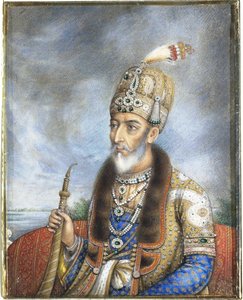
Bahadur Shah Zafar
1775 - 1862 , India
Datos clave
- Artistic Movement Or Style: Arte y poesía mogol
- Artists Or Movements Influenced By This Artist: ['Movimiento artístico mogol']
- Artists Who Influenced This Artist: ['Akbar Shah II']
- Date Of Birth: 24 de octubre 1775
- Date Of Death: 7 de noviembre 1862
- Full Name: Abu Zafar Siraj-ud-din Muhammad
- Nationality: Indio
- Notable Artworks: ['Kulliyyat-i-Zafar']
- Place Of Birth: Delhi, India
Artículos relacionados
Golden Glow: How to Use Metallic Gold Artworks to Elevate Your Home Decor with Timeless Luxury
Discover how to elevate your home with the timeless elegance of metallic gold artworks. From sculptural metal pieces to gilded oil paintings, learn expert interior design tips for integrating luxurious gold accents into your space with sophistication and grace.
The Allure of Gold in Art History: Symbolism, Technique & Cultural Significance
Explore the rich history of gold in art! Discover symbolism, techniques & cultural significance from ancient civilizations to Klimt's masterpieces. Expert insights for collectors at ArtsDot.
Oro en el Arte: Los 10 Cuadros Más Famosos con Hoja de Oro | ArtsDot
Descubre los 10 cuadros más famosos con hoja de oro, desde Klimt hasta el arte bizantino. Explora la historia, técnica y belleza de estas obras maestras doradas. Reproducciones de arte exclusivas en ArtsDot.com.
Gustav Klimt: Las 25 Obras Maestras que Definen un Ícono del Arte Moderno | ArtsDot
Descubre las 25 obras maestras de Gustav Klimt, ícono del simbolismo y Art Nouveau. Explora 'El Beso', 'Judith' y más. Reproducciones de arte en ArtsDot.com para decorar tu hogar con elegancia. ¡Inspírate!
Iluminando la Eternidad: Una Exploración Exhaustiva del Legado del Arte Bizantino
Descubre el fascinante mundo del arte bizantino con nuestra guía experta. Explora su historia, arquitectura, mosaicos y legado cultural. Un viaje a través de la belleza y el simbolismo de un imperio inolvidable.

