 Vista previa
 Compartir
 Compartir
 Ver detalles

 Descargar
 Ver similares
 Radiografía
 Presentación de diapositivas
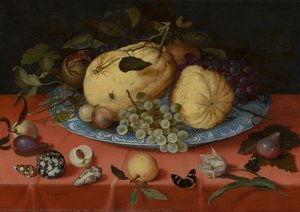
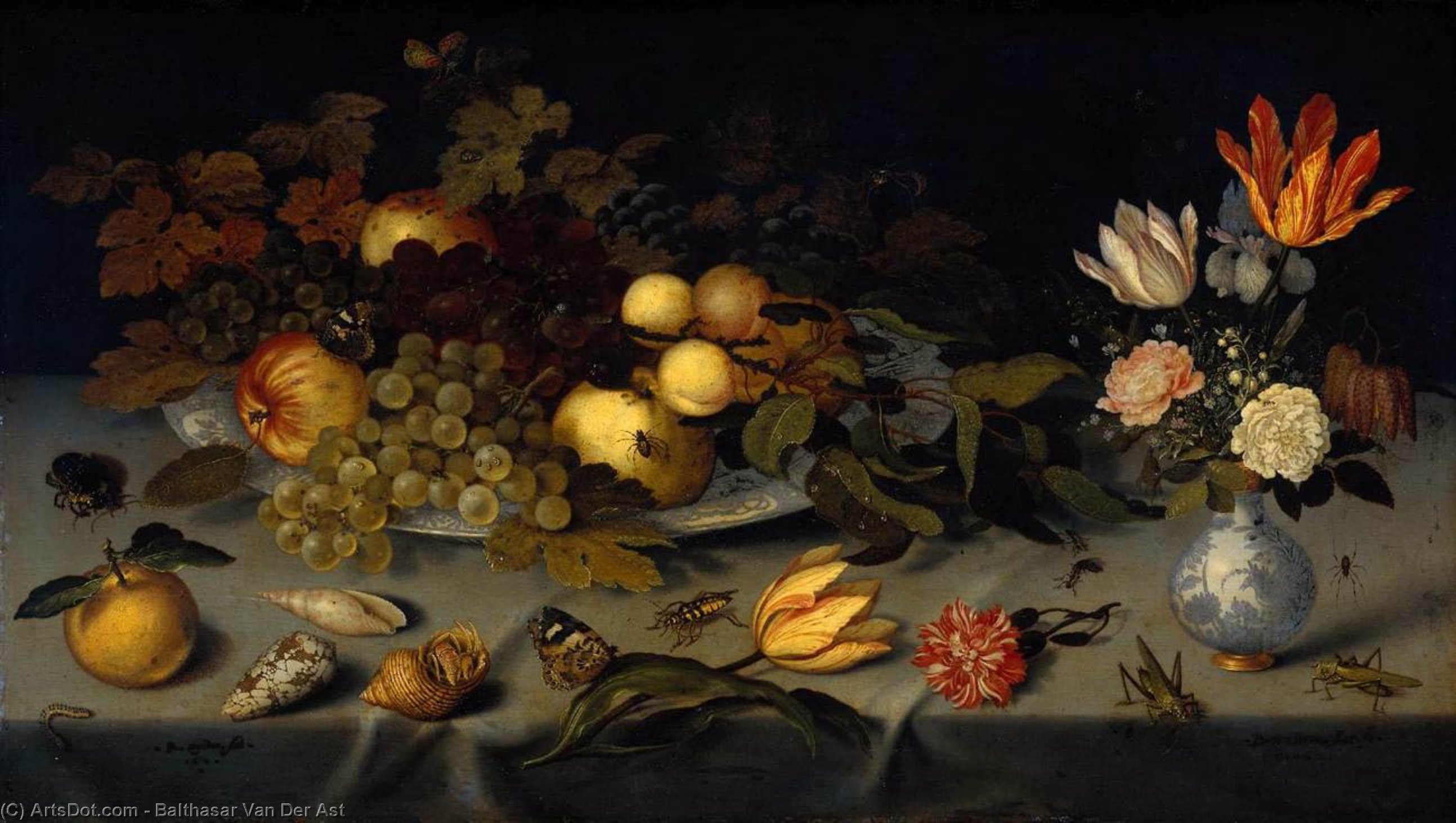
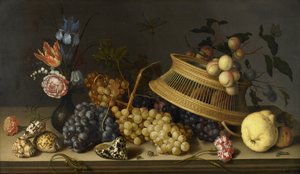
Flowers and Fruit
 Oil On Panel
- Baroque Still Life
 1620
1620 39.0 x 70.0 cm
 Rijksmuseum
 Leer más
Reproducción al óleo hecha a mano
Óleo sobre lienzo pintado a mano en el tamaño y marco de su elección, realizado por encargo por nuestros artistas. ( Pedir impresión Comprar descarga)




P118B $10

P118H $10

P118W $10

P438Z $10

P508JH $12

P508YH $12

P805H $10

P805Z $10

P919BZ $10

P919G $10

P919XJ $10

P959ZH $10

P968JZ $12

W106C $8

W218G $10

W218JH $8

W218Y $10

W307PJ $10

W316G $10

W316PJ $8

W316Y $10

W398PJ $8

W4111J $10

W500HY $15

W500JH $15

W692G $12

W849H $8

W940BG $15

W953PJ $8




Elija entre nuestros tamaños predefinidos que respetan las proporciones originales de la obra.

Puede ingresar sus propias dimensiones para adaptarse a un marco o espacio específico. Si el tamaño seleccionado no coincide con las proporciones de la imagen original, recortaremos la obra o extenderemos la pintura con elementos adicionales pintados a mano. Se le enviará una maqueta digital para su aprobación antes de comenzar la producción.
Tenga en cuenta que la vista previa en pantalla no refleja el recorte o la extensión reales. Solo la maqueta mostrará con precisión la composición final.
Si bien existen tamaños personalizados, recomendamos seleccionar una dimensión de la lista predefinida para preservar las proporciones originales.
Tras realizar el pedido, el equipo de ArtsDot.com enviará un correo electrónico al cliente para solicitar instrucciones y proporcionarle una vista previa del boceto.
Envío a todo el mundo () en 3-4 semanas en lugar de las 5 semanas estándar. (21 agosto). Sin comprometer la calidad.

Envío exprés gratuito a todo el mundo

Lienzo de lino de alta calidad

Seguro de envío completo

Garantía de reembolso de aranceles aduaneros

Garantía de fidelidad cromática exacta

Política de devolución de 60 días (solo por defectos)

Garantía de devolución del 100% del dinero

Oferta por volumen
 La opción de vidrio solo está disponible en tamaños inferiores a 110 cm.

Flowers and Fruit
Técnica de reproducción
Tamaño de la reproducción
-


Precio total
$ 263
Descripción de la obra
A Symphony of Still Life: Unveiling Balthasar van der Ast's "Flowers and Fruit"
Within the hallowed halls of the Rijksmuseum in Amsterdam resides a painting that transcends mere representation, offering instead a profound meditation on beauty, mortality, and the bounty of nature – Balthasar van der Ast’s “Flowers and Fruit,” completed around 1620. More than just a collection of arranged flora and fauna, this oil-on-panel masterpiece is a testament to the artist's unparalleled skill in capturing not only the outward appearance but also the very essence of his subjects. Van der Ast, a pivotal figure in the Dutch Golden Age, elevated still life painting from a simple genre exercise to a sophisticated art form imbued with symbolic depth and technical mastery.
The scene unfolds upon a dark cloth draped over what appears to be a table, creating an immediate sense of intimacy and drawing the viewer into this carefully constructed world. A vibrant array of fruits – apples blushing crimson, oranges radiating warmth, and berries bursting with juicy color – dominates the central space, their textures rendered with astonishing detail. Surrounding them is a profusion of flowers in full bloom: roses, tulips, carnations, and others, each petal meticulously painted to capture its unique form and hue. Scattered amongst these opulent elements are insects—flies, butterflies, and perhaps even a beetle or two—adding a touch of earthly realism and subtly hinting at the transient nature of beauty. The inclusion of these creatures isn’t merely decorative; it serves as a poignant reminder that even in this idyllic tableau, decay and impermanence are ever-present.
The Baroque Embrace: Light, Shadow, and Symbolism
Van der Ast's work is firmly rooted in the Baroque style, an era characterized by dramatic contrasts of light and shadow – *chiaroscuro* – that lend a sense of depth and three-dimensionality to his paintings. Notice how the artist skillfully manipulates light to highlight specific elements, drawing our attention to the most exquisite fruits or flowers while leaving others shrouded in subtle darkness. This technique not only enhances the visual impact but also contributes to the painting’s overall mood, evoking both sensuality and contemplation. Beyond mere aesthetics, the arrangement of objects within the composition is laden with symbolism. Fruits often represent fertility, abundance, and earthly pleasures, while flowers are frequently associated with virtue, grace, and spiritual beauty. The insects, as mentioned earlier, serve as reminders of mortality and the fleeting nature of life.
A Master’s Technique: Detail and Texture
What truly sets “Flowers and Fruit” apart is Van der Ast's extraordinary attention to detail and his masterful rendering of textures. Each fruit appears to possess a palpable weight and volume, its skin glistening with moisture and its surface bearing the subtle imperfections that define its natural form. The petals of the flowers are delicately brushed, revealing their velvety softness and intricate veins. Even the dark cloth draped over the table is rendered with remarkable precision, capturing the folds and creases with astonishing realism. This level of detail wasn’t simply a matter of technical skill; it was a deliberate effort to convey the artist's deep understanding and appreciation for the natural world. The use of layering and glazing techniques creates an incredible sense of luminosity and depth, making the painting feel remarkably vibrant and alive.
Echoes of the Past: Context and Legacy
“Flowers and Fruit” stands as a significant work within the broader context of Dutch Golden Age art. Van der Ast’s meticulous approach to still life painting influenced generations of artists, establishing new standards for realism and detail. His pioneering exploration of shell painting—a genre he helped popularize—demonstrates his willingness to push the boundaries of artistic convention. The painting's presence in the Rijksmuseum ensures its continued appreciation by art enthusiasts worldwide. For those seeking a connection to this remarkable period of Dutch history, or simply desiring a stunning piece of art for their own home, reproductions of “Flowers and Fruit” offer an accessible way to experience the beauty and artistry of Balthasar van der Ast’s masterpiece.
Obras relacionadas
Biografía del artista
El maestro del universo en miniatura: Balthasar van der Ast
Bajo la luz dorada de los Países Bajos del siglo XVII, una época definida por una prosperidad sin precedentes y una curiosidad científica insaciable, Balthasar van der Ast emergió como un virtuoso de la obra maestra a pequeña escala. Nacido en Middelburg alrededor de 1593, van der Ast no se limitaba a pintar objetos; él orquestaba dramas silenciosos sobre el lienzo. Su vida estuvo profundamente entrelazada con la floreciente cultura mercantil de Zelanda, al ser hijo de un próspero comerciante de lana, Hans van der্া Ast. Este trasfondo le proporcionó algo más que estabilidad social; le ofreció una intimidad temprana con los productos exóticos y las preciosas especies que más tarde se convertirían en los protagonistas de sus célebres bodegones.
La trayectoria de su alma artística fue irrevocablemente moldeada por su conexión con la dinastía Bosschaert. A través de un vínculo familiar, van der Ast se convirtió en el protegido del legendario Ambrosius Bosschaert el Viejo, su padrastro. Bajo esta tutela, dominó la meticulosa precisión requerida para la "pieza floral", un género que exigía un nivel de observación casi microscópico. Este linaje de excelencia le permitió refinar una técnica caracterizada por sutiles gradaciones tonales y un profundo respeto por la textura física de la naturaleza. No estuvo solo en esta búsqueda de la perfección; junto a sus cuñados, ayudó a cultivar un movimiento estilístico que priorizaba el delicado juego de luces y sombras, transformando simples estudios botánicos en profundas meditaciones sobre la existencia.
Una sinfonía de conchas y flora
Mientras muchos de sus contemporáneos se centraban únicamente en la belleza efímera de las flores, van der Ast alcanzó la inmortalidad histórica a través de sus exploraciones pioneras en la conquología. Se convirtió en un precursor de la pintura de conchas, tratando los restos calcificados de las criaturas marinas con la misma reverencia que el pétalo más suave. En obras como "Bodegón con ciruelas, cerezas y conchas", uno puede presenciar el asombroso matrimonio de diferentes texturas: la piel jugosa y translúcida de la fruta contrastada con las superficies duras y nacaradas de conchas exóticas. Esta fascinación no era meramente estética; reflejaba el creciente interés científico de la época por la historia natural y el alcance global del comercio marítimo holandés.
Sus composiciones funcionaban a menudo como mucho más que simples exhibiciones de riqueza o precisión botánica. Observar de cerca una pintura de van der Ast es entablar un diálogo con una compleja red de simbolismo arraigada en la filosofía humanista. Dentro de sus arreglos, se pueden hallar:
- La naturaleza efímera de la vida: Representada a través de pétalos marchitos o insectos que consumen la misma belleza que habitan.
- Observación científica: Un registro meticuloso de especies, reflejo de la Era de los Descubrimientos y de la sed de conocimiento de la época.
- Temas de Vanitas: Sutiles recordatorios de la mortalidad, donde la decadencia de la fruta sirve como un conmovedor memento mori.
Legado y trascendencia artística
La influencia de Balthasar van der Ast se extendió mucho más allá de su propio estudio en Utrecht. Al dar la bienvenida a artistas como Roelandt Savery al gremio local, ayudó a fomentar un entorno donde la tonalidad y el realismo pudieran florecer. Su capacidad para infundir vida a los objetos inanimados —una cualidad visible en sus representaciones de lagartos e insectos que se arrastran entre las frutas— estableció un nuevo estándar para la Edad de Oro holandesa. Él alejó al género del bodegón de la disposición estática hacia una realidad más dinámica y palpitante.
Hoy en día, sus obras siguen siendo pilares de las colecciones de museos de todo el mundo, desde el Museo Británico hasta las grandes galerías de Europa. Su legado se encuentra en cada pincelada que captura la gota de rocío sobre una hoja o el brillo iridiscente de una concha marina. Balthasar van der Ast permanece como un titán del Stilleven, un artista que enseñó al mundo a encontrar lo infinito dentro de lo infinitesimal, y que transformó los humildes objetos del mundo natural en iconos eternos de belleza.
Balthasar Van Der Ast
1593 - 1657 , Países Bajos
Datos clave
- Artistic Movement Or Style: Golden Age Painting
- Artists Or Movements Influenced By This Artist: Dutch Baroque
- Artists Who Influenced This Artist: Ambrosius Bosschaert
- Date Of Birth: 1593
- Date Of Death: 1657
- Full Name: Balthasar van der Ast
- Nationality: Dutch
- Notable Artworks:
- Fruits and Shells on a Ledge
- Tulip
- Lizard and Shell
- Place Of Birth: Middelburg, Netherlands
Artículos relacionados
Las 25 Obras Maestras de Van Gogh: Un Viaje Emocional a Través del Arte
Descubre las 25 obras maestras de Van Gogh, desde 'La Noche Estrellada' hasta sus icónicos girasoles. Explora su vida, técnica impresionista y el profundo significado de cada cuadro. Reproducciones de arte de museo en ArtsDot.com.

Los 10 Maestros del Siglo de Oro Holandés: Arte, Historia y Decoración Exclusiva
Descubre los 10 imprescindibles del Siglo de Oro Holandés: Rembrandt, Vermeer y más. Explora la historia, técnica y belleza de estos lienzos clásicos. Encuentra reproducciones de arte exclusivas para decorar tu hogar en .

Rembrandt van Rijn: Las 25 Obras Maestras que Definen un Genio | Arte, Historia y Decoración
Descubre las 25 obras maestras de Rembrandt van Rijn, el genio del barroco holandés. Explora su historia, técnica y simbolismo en retratos icónicos como 'La Ronda Nocturna'. Encuentra reproducciones de arte exclusivas para decorar tu hogar con ArtsDot.com.

Reflejos de una Época Dorada: La Pintura Barroca Holandesa y la Innovación Cultural
Descubra la riqueza y el detalle de la pintura barroca holandesa del Siglo de Oro. Explore las obras maestras de Rembrandt, Vermeer y otros artistas clave. Análisis experto e historia cultural.
Willem van de Velde the Elder: Master of Maritime Painting & Chronicler of the Dutch Golden Age
Discover the captivating maritime paintings of Willem van de Velde the Elder, a master chronicler of the Dutch Golden Age. Explore his unparalleled realism and lasting influence on naval art history.