 Enviar
 Compartir
 Detalles

 Descargar
 Similares
 Presentación de diapositivas
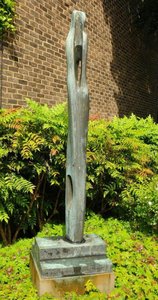
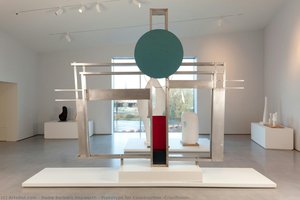
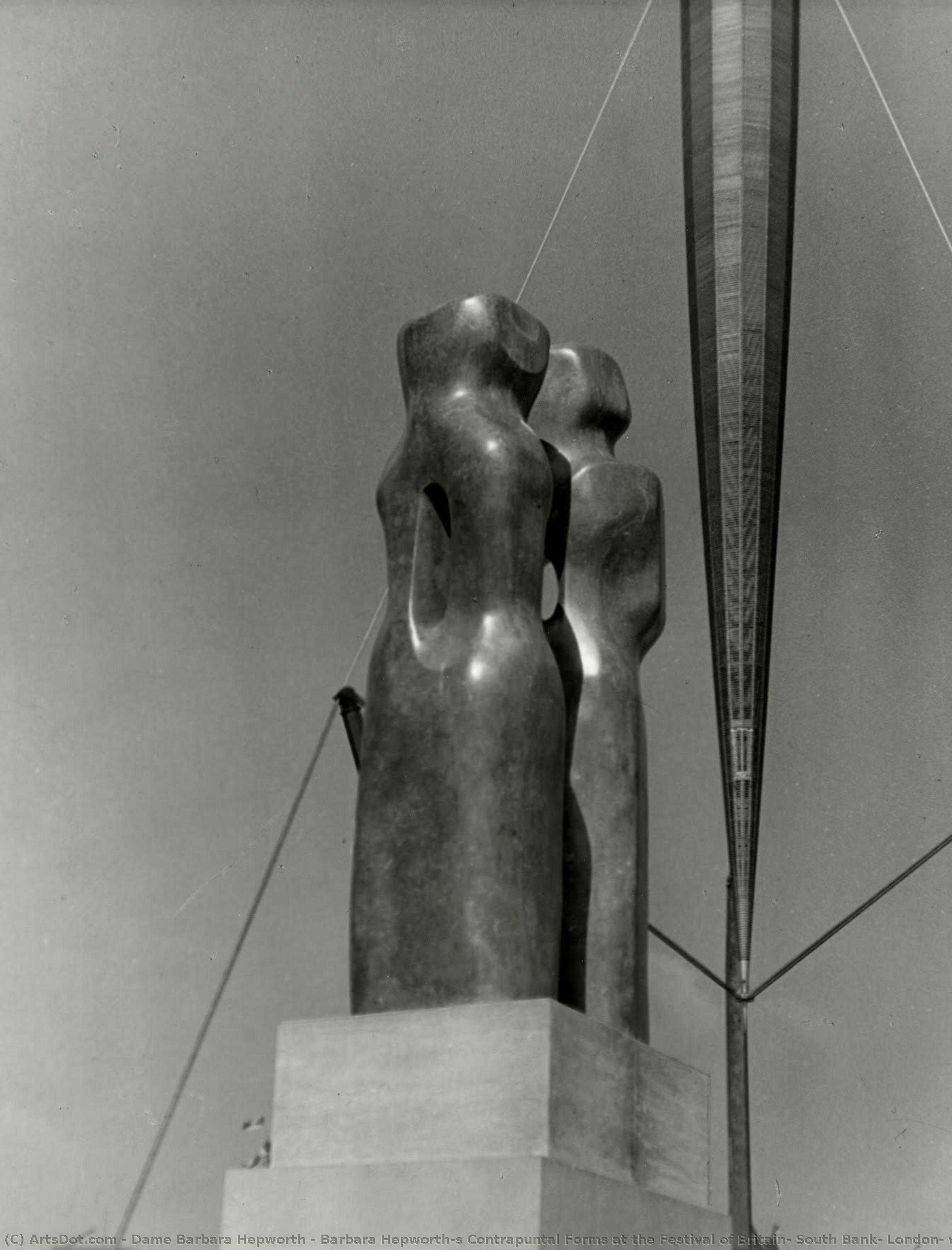
Barbara Hepworth’s Contrapuntal Forms at the Festival of Britain, South Bank, London, with the Skylon, 1951. Photograph by Anthony Panting


 Ver más
Giclée / Impresión de arte
Impresiones giclée o en lienzo de calidad de museo con producción rápida y opciones de acabado flexibles. ( Comprar pintura hecha a mano Comprar imagen)




































Elija entre nuestros tamaños predefinidos que respetan las proporciones originales de la obra.

Puede introducir sus propias dimensiones para adaptarse a un marco o espacio específico. Si el tamaño seleccionado no coincide con las proporciones de la imagen original, recortaremos la obra de arte o extenderemos la imagen con un borde con efecto espejo o de color sólido. Se enviará una maqueta digital para su aprobación antes de que comience la producción.
Tenga en cuenta que la vista previa en pantalla no refleja el recorte o la extensión real. Solo la maqueta mostrará con precisión la composición final.
Aunque existen tamaños personalizados, recomendamos seleccionar una dimensión de la lista predefinida para preservar las proporciones originales.
Envío a todo el mundo () en 2 semanas en lugar de las 4/5 semanas estándar. (22 agosto)

Envío exprés gratuito a todo el mundo

Lienzo de lino de alta calidad

Seguro de envío total

Garantía de reembolso de impuestos aduaneros

Garantía de fidelidad cromática exacta

Política de devolución de 60 días (solo por defectos)

Garantía de devolución del 100% del dinero

Descuento por cantidad
 La opción de vidrio solo está disponible en tamaños inferiores a 110 cm.

Barbara Hepworth’s Contrapuntal Forms at the Festival of Britain, South Bank, London, with the Skylon, 1951. Photograph by Anthony Panting
Giclée / Impresión de arte
Dimensiones de la reproducción
-


Precio total final
$ 62
Descripción de la pieza
A Moment Frozen in Modernist Grace
In this evocative black and white photograph by Anthony Panting, we are transported back to the summer of 1951, a pivotal moment in British cultural history. The image captures Barbara Hepworth’s Contrapuntal Forms as they stood prominently at the Festival of Britain on London's South Bank. Set against the backdrop of the iconic Skylon, the composition presents a masterclass in modernist balance. The photograph does more than merely document a physical installation; it captures a dialogue between sculpture and space. Through the lens of Panting, the metallic surfaces of Hepworth’s work catch the light in ways that suggest movement and rhythm, creating a visual melody—a true contrapuntal arrangement where each form plays its part in a larger, harmonious whole.
The interplay of shadows and highlights within this monochromatic frame emphasizes the tactile nature of the sculptures. Even through a two-dimensional medium, one can sense the weight and the deliberate curvature of the metal. The presence of a solitary figure on the periphery serves as a poignant scale reference, grounding these abstract, ethereal shapes in the human experience. This juxtaposition between the monumental, avant-garde structures and the quiet observation of a passerby invites the viewer to contemplate our relationship with the built environment and the enduring power of abstract art to command attention within a bustling urban landscape.
The Spirit of Abstraction and Post-War Optimism
To understand the profound impact of this scene, one must consider the historical heartbeat of the Festival of Britain. Emerging from the shadows of World War II, the festival was a celebration of recovery, innovation, and a bright, design-led future. Hepworth’s sculptures were at the vanguard of this movement, embodying the spirit of Unit One—the art collective she co-founded to bridge the gap between surrealism and pure abstraction. Her work during this period moved away from traditional figurative sculpture toward organic, hollowed forms that explored the relationship between interior and exterior space.
The technique displayed in these forms is nothing short of revolutionary for its time. By utilizing negative space—the "pierced" form—Hepworth allowed light and air to become active participants in the sculpture itself. In this photograph, we see how those voids interact with the surrounding architecture of the South Bank, creating a sense of transparency and lightness. For the modern collector or interior designer, this piece represents more than just an aesthetic choice; it is an invitation to embrace the concept of spatial fluidity. Bringing a reproduction of such a moment into a contemporary space offers a sophisticated touch of mid-century elegance, evoking a sense of intellectual depth and historical continuity.
An Enduring Legacy for the Modern Interior
For those seeking to curate a collection that speaks to strength, balance, and timelessness, this photographic capture of Hepworth’s vision is an incomparable choice. The stark, clean lines of the modernist era continue to resonate in contemporary minimalism, making such imagery a perfect focal point for high-end residential or gallery settings. The emotional impact of the work lies in its ability to evoke tranquility through structure; it is a study in how geometry can feel deeply organic and soulful.
Owning a high-quality reproduction of this historical moment allows one to preserve the legacy of Dame Barbara Hepworth within a personal sanctuary. Whether placed in a sunlit study or a grand living hall, the image serves as a window into an era of profound artistic courage. It is a tribute to the ability of art to reshape our perception of the world, turning a simple public installation into an eternal dance of form and light.
Obras relacionadas

Biografía del artista
Primeros años y educación
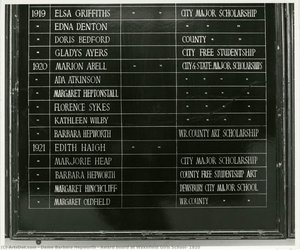
Dame Barbara Hepworth, una reconocida escultora e artista inglesa, nació el 10 de enero de 1903 en Wakefield, Yorkshire. Asistió a la Escuela de Arte de Leeds desde 1920 y posteriormente ganó una beca del condado para estudiar en el Royal College of Art (RCA) en Londres desde 1921 hasta que fue galardonada con el diploma en 1924.Carrera artística
- El trabajo de Dame Barbara Hepworth ejemplifica el modernismo, particularmente la escultura moderna. Fue una de las pocas artistas femeninas en lograr prominencia internacional.
- En 1933, cofundó el movimiento artístico Unit One con Ben Nicholson, Paul Nash y otros, buscando unir el surrealismo y la abstracción en el arte británico.
- El trabajo temprano de Hepworth se caracterizó por la abstracción y su participación con el movimiento artístico parisino, Abstraction-Création.
Obras notables y exposiciones
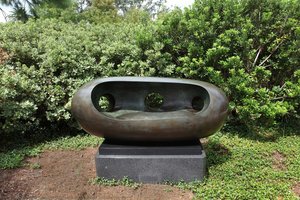
- Oval Form (Trezion), una escultura de bronce, forma parte de la colección del Museo Kimball de Arte en Fort Worth, Estados Unidos. (ver en ArtsDot)
- Two Forms, una escultura, se exhibe en The Hepworth Wakefield en Wakefield, Reino Unido. (ver en ArtsDot)
- Totem, una escultura de mármol, también forma parte de la colección de The Hepworth Wakefield. (ver en ArtsDot)
Legado y colecciones de museos
Barbara Hepworth's work is widely recognized, with her sculptures and paintings forming part of various museum collections worldwide. The Hepworth Wakefield, named after the artist, houses numerous masterpieces from renowned artists, including Hepworth's own works. (descubra más sobre The Hepworth Wakefield en ArtsDot)Conclusión
Dame Barbara Hepworth's pioneering work in modern British sculpture has left an indelible mark on the art world. Her legacy continues to inspire artists and art enthusiasts alike, with her works remaining a testament to her innovative spirit and artistic genius. más sobre Barbara Hepworth en Wikipedia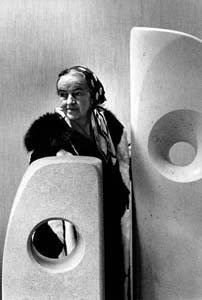
Barbara Hepworth
1903 - 1975 , Reino Unido
Datos clave
- Artistas Influyentes: ['Abstracción-Creación']
- Fecha De Nacimiento: 10 de enero de 1903
- Legado Artístico: Inspiró a artistas y entusiastas.
- Lugar De Nacimiento: Wakefield, Reino Unido
- Movimiento Artístico: Modernismo, Escultura moderna
- Nacionalidad: Británica
- Nombre Completo: Barbara Hepworth
- Nombres Alternativos: Dame Barbara Hepworth
- Obras Notables:
- Oval Form (Trezion)
- Two Forms
- Totem
Artículos relacionados
Barbara Hepworth: A Sculptural Dialogue with Form, Space & the Human Condition
Explore the profound world of Barbara Hepworth's sculpture. Discover her artistic evolution, iconic forms, and lasting influence on modern art. A guide for collectors & enthusiasts.

Esculturas de Bronce Legendarias: 10 Obras Maestras que Transformaron el Arte | ArtsDot
Descubre las 10 esculturas de bronce más legendarias que revolucionaron el arte. Explora la historia de Rodin, Degas y otros maestros del bronce. Encuentra reproducciones de alta calidad e inspiración para tu hogar en ArtsDot.com.

The Enduring Form: Exploring Themes & Techniques in Sculpture Across Historical Periods
Explore the rich history of sculpture from ancient masterpieces to contemporary innovations. Discover key techniques, influential artists & investment potential for discerning art collectors.
The Enduring Form: Sculpture Across History, Technique & Emotional Resonance
Explore the rich history of sculpture with ArtsDot. Discover key techniques, influential artists & investment potential for discerning collectors. Expert insights into valuing and collecting timeless masterpieces.

Las 10 Obras Maestras de Bronce que Revolucionaron la Historia del Arte | ArtsDot
Descubre las 10 esculturas de bronce más influyentes de la historia del arte. Explora obras maestras de Rodin, Degas y otros genios. Encuentra reproducciones de arte de calidad museo en ArtsDot.com.