 Enviar
 Compartir
 Detalles

 Descargar
 Similares
 Presentación de diapositivas
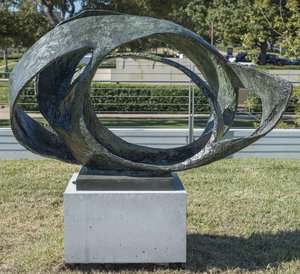
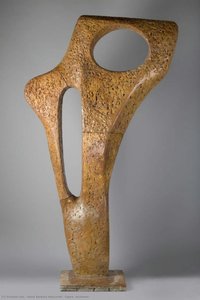
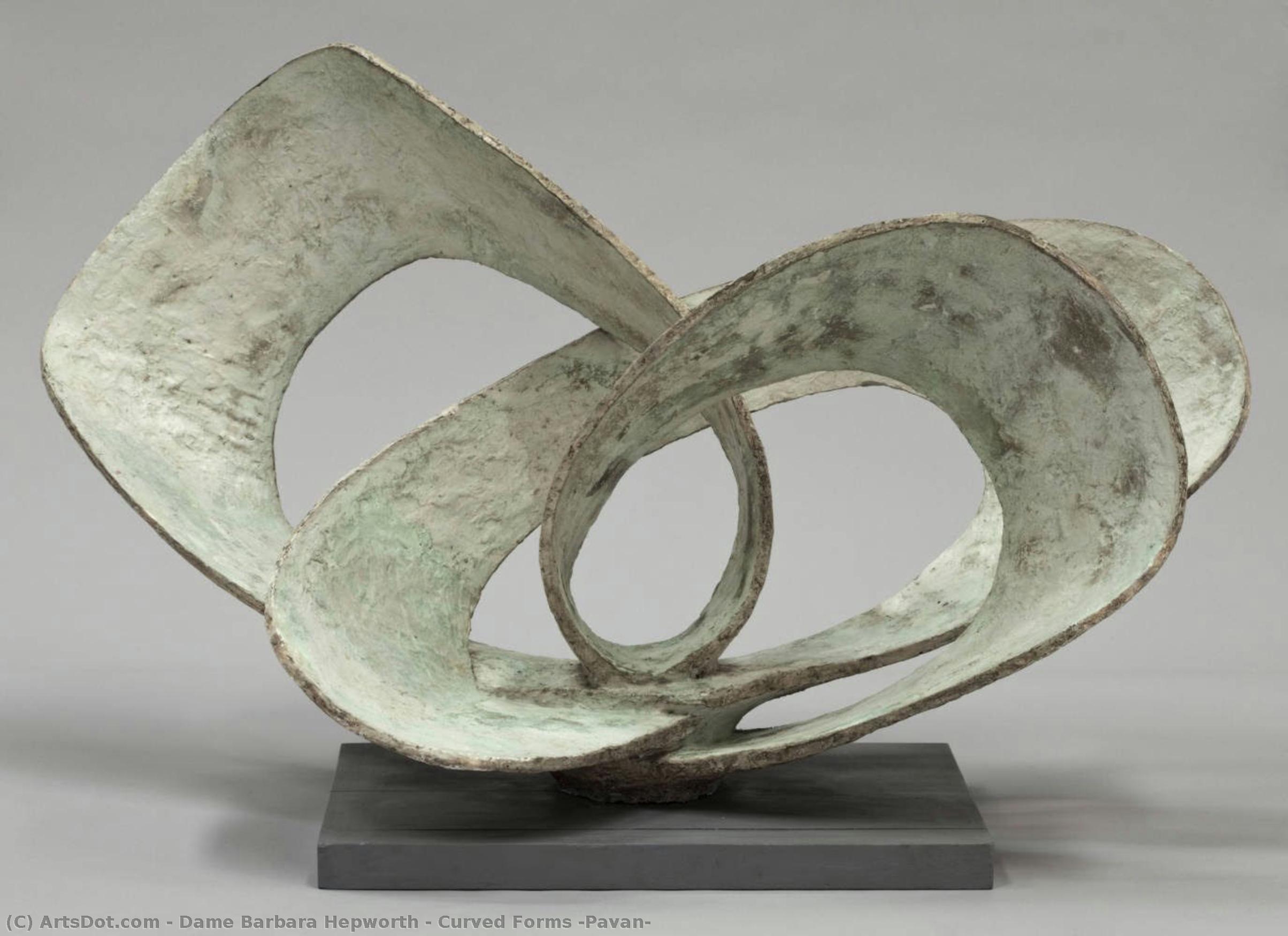
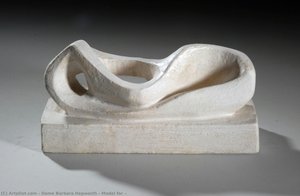
Curved Forms (Pavan)
 Sculpture Bronze
- Sculpture
- Modern Sculpture
 1956
1956 52.0 x 80.0 cm
 The Hepworth Wakefield
 Ver más
Reproducción al óleo hecha a mano
Óleo sobre lienzo pintado a mano en el tamaño y marco de su elección, realizado por encargo por nuestros artistas. ( Comprar impresión Comprar imagen)




































Elija entre nuestros tamaños predefinidos que respetan las proporciones originales de la obra.

Puede ingresar sus propias dimensiones para adaptarse a un marco o espacio específico. Si el tamaño seleccionado no coincide con las proporciones de la imagen original, recortaremos la obra o extenderemos la pintura con elementos adicionales pintados a mano. Se le enviará una maqueta digital para su aprobación antes de comenzar la producción.
Tenga en cuenta que la vista previa en pantalla no refleja el recorte o la extensión reales. Solo la maqueta mostrará con precisión la composición final.
Si bien existen tamaños personalizados, recomendamos seleccionar una dimensión de la lista predefinida para preservar las proporciones originales.
Tras realizar el pedido, el equipo de ArtsDot.com enviará un correo electrónico al cliente para solicitar instrucciones y proporcionarle una vista previa del boceto.
Envío a todo el mundo () en 3-4 semanas en lugar de las 5 semanas estándar. (7 septiembre). Sin comprometer la calidad.

Envío exprés gratuito a todo el mundo

Lienzo de lino de alta calidad

Seguro de envío total

Garantía de reembolso de impuestos aduaneros

Garantía de fidelidad cromática exacta

Política de devolución de 100 días (solo por defectos)

Garantía de devolución del 100% del dinero

Descuento por cantidad
 La opción de vidrio solo está disponible en tamaños inferiores a 110 cm.

Curved Forms (Pavan)
Técnica de reproducción
Dimensiones de la reproducción
-


Precio total final
$ 263
Barbara Hepworth: Exploring Flowing Forms and Spiritual Resonance
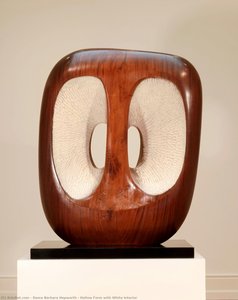
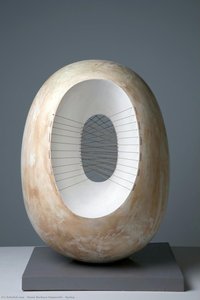
Barbara Hepworth (1903–1975) stands as one of the most influential figures in British sculpture of the mid-20th century, a pioneer who championed abstraction and sought to capture the essence of organic forms—particularly those found in nature. Her oeuvre is characterized by monumental sculptures crafted from materials like bronze, stone, and alabaster, yet “Curved Forms (Pavan),” created in 1956, exemplifies her distinctive approach: metallized plaster cast on aluminum armature.
Inspired by the graceful Pavan dance—a stately court dance of Elizabethan England—Hepworth’s sculpture transcends mere imitation. Instead, it embodies her profound fascination with movement and transformation. As Hepworth herself eloquently described, she aimed to “capture ‘the spiritual inner life’ of art,” striving not just for visual representation but for conveying a sense of dynamism and interconnectedness.
Technique and Material Innovation
Hepworth's method was revolutionary for its time. Rejecting the traditional modeling techniques favored by many sculptors, she opted for a process that prioritized resistance—the interaction between sculptor and material. She constructed an aluminum armature – a skeletal framework – providing structural support while allowing her to manipulate the plaster surface with precision.
- Metallized Plaster: Hepworth coated the armature in metallized plaster, a technique she developed herself. This involved applying a thin layer of metal pigment onto the plaster before casting it, resulting in a pale gray hue that subtly reflects light.
- Aluminum Armature: The aluminum armature was chosen for its rigidity and ability to maintain shape during the casting process.
- Carving Technique: Hepworth meticulously carved into the hardened plaster surface using chisels and hammers, painstakingly shaping the ovoid forms until they achieved their final sculptural form.
Symbolism and Aesthetic Vision
"Curved Forms (Pavan)" isn't merely a beautiful object; it’s laden with symbolic significance. The three interconnected ovoids represent Hepworth’s belief in the fundamental unity of existence—the idea that all things are interdependent and constantly evolving. Their flowing curves mirror the movement of water or wind, symbolizing fluidity and adaptability.
Hepworth's aesthetic vision was rooted in a deep appreciation for natural forms and a desire to express their underlying principles. She sought to distill the essence of organic shapes into simplified geometric forms, creating sculptures that evoke contemplation and invite viewers to consider the relationship between form and space.
Legacy and Recognition
"Curved Forms (Pavan)" resides in The Hepworth Wakefield’s collection, a testament to Hepworth's enduring influence on modern sculpture. Its placement alongside other works by Hepworth underscores her commitment to exploring themes of spirituality and materiality—a legacy that continues to inspire artists and collectors alike.
The sculpture’s distinctive monochromatic surface – achieved through careful polishing – enhances its visual impact, emphasizing the texture and contours of the form while creating a serene atmosphere. As Hepworth herself noted, “Curved Forms (Pavan), Version II” embodies "the spiritual inner life" of art—a profound statement that encapsulates her artistic philosophy.
Obras relacionadas
Biografía del artista
Primeros años y educación
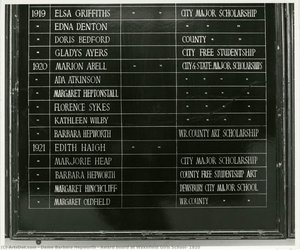
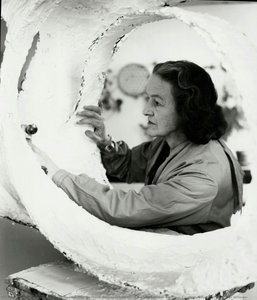
Dame Barbara Hepworth, una reconocida escultora e artista inglesa, nació el 10 de enero de 1903 en Wakefield, Yorkshire. Asistió a la Escuela de Arte de Leeds desde 1920 y posteriormente ganó una beca del condado para estudiar en el Royal College of Art (RCA) en Londres desde 1921 hasta que fue galardonada con el diploma en 1924.Carrera artística
- El trabajo de Dame Barbara Hepworth ejemplifica el modernismo, particularmente la escultura moderna. Fue una de las pocas artistas femeninas en lograr prominencia internacional.
- En 1933, cofundó el movimiento artístico Unit One con Ben Nicholson, Paul Nash y otros, buscando unir el surrealismo y la abstracción en el arte británico.
- El trabajo temprano de Hepworth se caracterizó por la abstracción y su participación con el movimiento artístico parisino, Abstraction-Création.
Obras notables y exposiciones
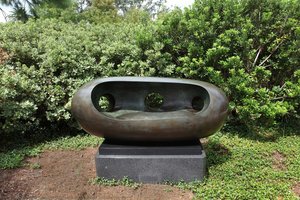
- Oval Form (Trezion), una escultura de bronce, forma parte de la colección del Museo Kimball de Arte en Fort Worth, Estados Unidos. (ver en ArtsDot)
- Two Forms, una escultura, se exhibe en The Hepworth Wakefield en Wakefield, Reino Unido. (ver en ArtsDot)
- Totem, una escultura de mármol, también forma parte de la colección de The Hepworth Wakefield. (ver en ArtsDot)
Legado y colecciones de museos
Barbara Hepworth's work is widely recognized, with her sculptures and paintings forming part of various museum collections worldwide. The Hepworth Wakefield, named after the artist, houses numerous masterpieces from renowned artists, including Hepworth's own works. (descubra más sobre The Hepworth Wakefield en ArtsDot)Conclusión
Dame Barbara Hepworth's pioneering work in modern British sculpture has left an indelible mark on the art world. Her legacy continues to inspire artists and art enthusiasts alike, with her works remaining a testament to her innovative spirit and artistic genius. más sobre Barbara Hepworth en Wikipedia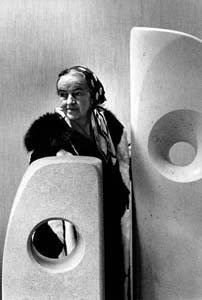
Barbara Hepworth
1903 - 1975 , Reino Unido
Datos clave
- Artistas Influyentes: ['Abstracción-Creación']
- Fecha De Nacimiento: 10 de enero de 1903
- Legado Artístico: Inspiró a artistas y entusiastas.
- Lugar De Nacimiento: Wakefield, Reino Unido
- Movimiento Artístico: Modernismo, Escultura moderna
- Nacionalidad: Británica
- Nombre Completo: Barbara Hepworth
- Nombres Alternativos: Dame Barbara Hepworth
- Obras Notables:
- Oval Form (Trezion)
- Two Forms
- Totem
Artículos relacionados
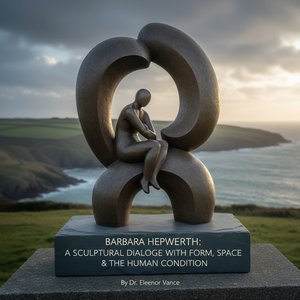
Barbara Hepworth: A Sculptural Dialogue with Form, Space & the Human Condition
Explore the profound world of Barbara Hepworth's sculpture. Discover her artistic evolution, iconic forms, and lasting influence on modern art. A guide for collectors & enthusiasts.

Esculturas de Bronce Legendarias: 10 Obras Maestras que Transformaron el Arte | ArtsDot
Descubre las 10 esculturas de bronce más legendarias que revolucionaron el arte. Explora la historia de Rodin, Degas y otros maestros del bronce. Encuentra reproducciones de alta calidad e inspiración para tu hogar en ArtsDot.com.

The Enduring Form: Exploring Themes & Techniques in Sculpture Across Historical Periods
Explore the rich history of sculpture from ancient masterpieces to contemporary innovations. Discover key techniques, influential artists & investment potential for discerning art collectors.

The Enduring Form: Sculpture Across History, Technique & Emotional Resonance
Explore the rich history of sculpture with ArtsDot. Discover key techniques, influential artists & investment potential for discerning collectors. Expert insights into valuing and collecting timeless masterpieces.

Las 10 Obras Maestras de Bronce que Revolucionaron la Historia del Arte | ArtsDot
Descubre las 10 esculturas de bronce más influyentes de la historia del arte. Explora obras maestras de Rodin, Degas y otros genios. Encuentra reproducciones de arte de calidad museo en ArtsDot.com.