

 Ver en contexto
 Enviar
 Compartir
 Detalles

 Descargar
 Similares
 Radiografía
 Presentación de diapositivas
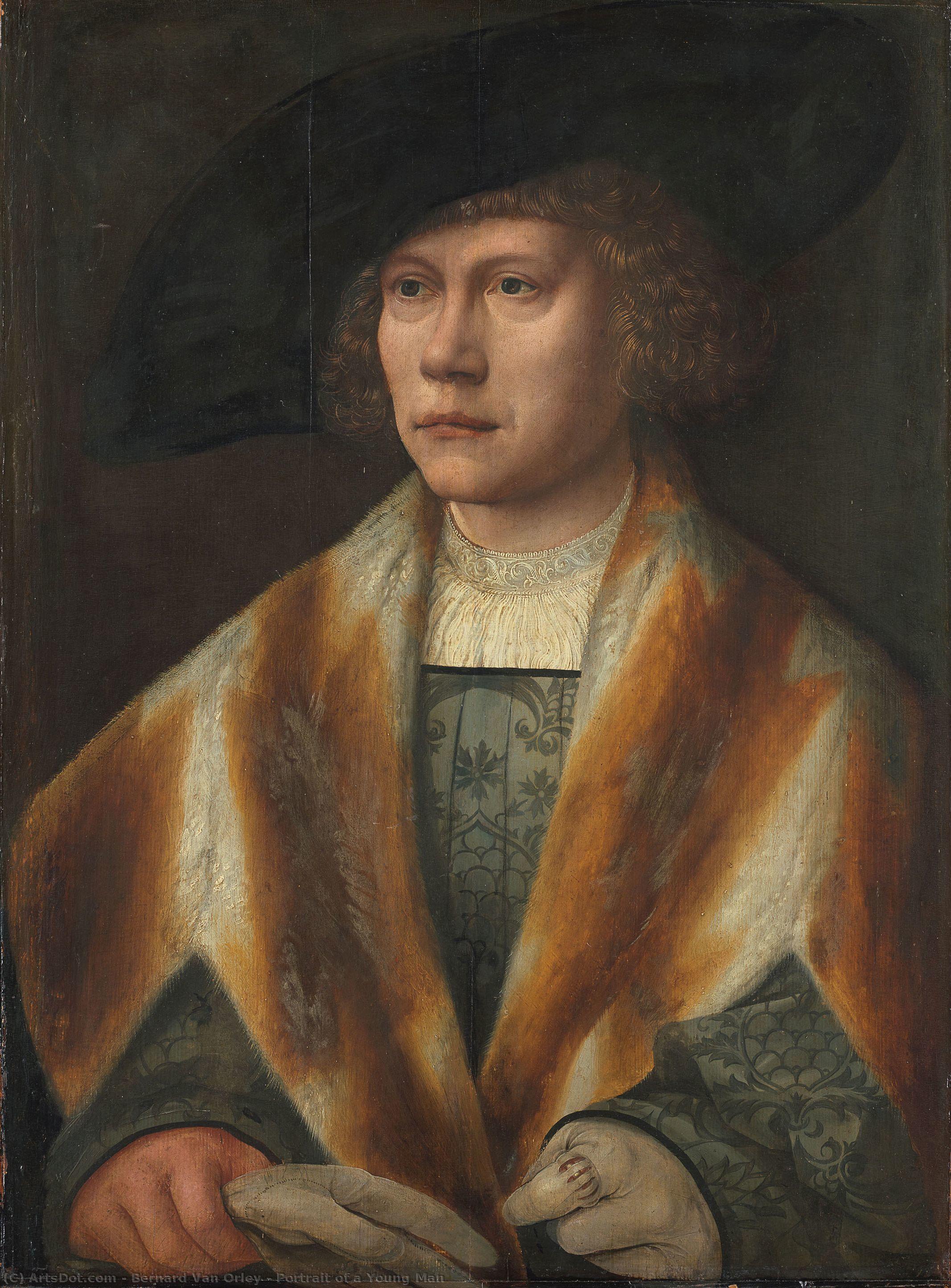
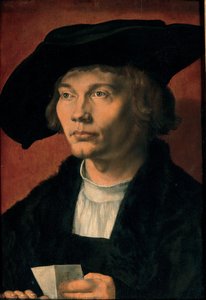
Portrait of a Young Man


 Ver más
Reproducción al óleo hecha a mano
Óleo sobre lienzo pintado a mano en el tamaño y marco de su elección, realizado por encargo por nuestros artistas. ( Comprar impresión Comprar imagen)




































Elija entre nuestros tamaños predefinidos que respetan las proporciones originales de la obra.

Puede ingresar sus propias dimensiones para adaptarse a un marco o espacio específico. Si el tamaño seleccionado no coincide con las proporciones de la imagen original, recortaremos la obra o extenderemos la pintura con elementos adicionales pintados a mano. Se le enviará una maqueta digital para su aprobación antes de comenzar la producción.
Tenga en cuenta que la vista previa en pantalla no refleja el recorte o la extensión reales. Solo la maqueta mostrará con precisión la composición final.
Si bien existen tamaños personalizados, recomendamos seleccionar una dimensión de la lista predefinida para preservar las proporciones originales.
Tras realizar el pedido, el equipo de ArtsDot.com enviará un correo electrónico al cliente para solicitar instrucciones y proporcionarle una vista previa del boceto.
Envío a todo el mundo () en 3-4 semanas en lugar de las 5 semanas estándar. (24 agosto). Sin comprometer la calidad.

Envío exprés gratuito a todo el mundo

Lienzo de lino de alta calidad

Seguro de envío total

Garantía de reembolso de impuestos aduaneros

Garantía de fidelidad cromática exacta

Política de devolución de 60 días (solo por defectos)

Garantía de devolución del 100% del dinero

Descuento por cantidad
 La opción de vidrio solo está disponible en tamaños inferiores a 110 cm.

Portrait of a Young Man
Técnica de reproducción
Dimensiones de la reproducción
-


Precio total final
$ 263
Obras relacionadas

Biografía del artista
Bernard van Orley: A Flemish Renaissance Master
Bernard van Orley (between 1487 and 1491 – January 6, 1541), also known as Barend or Barent van Orley, Bernaert van Orley or Barend van Brussel, was a remarkably versatile Flemish artist who stands as a pivotal figure in the artistic landscape of the Dutch and Flemish Renaissance. Born in Brussels, Belgium—likely amidst a family steeped in tapestry design—van Orley’s formative years were marked by exposure to the craftmanship of his father, Valentin van Orley, establishing him firmly within the influential milieu of Bruges and Antwerp. While he eschewed the grand pilgrimage to Italy that characterized many of his contemporaries, he nonetheless absorbed the stylistic currents emanating from Raphael’s Rome, aligning himself with the Romanist movement—a trend that championed Italian Renaissance aesthetics amongst Flemish painters. ### Early Life and Artistic Training Details surrounding van Orley's early life remain somewhat sparse, reflecting a common characteristic of artists whose biographies are documented primarily through guild records and workshop inventories. However, it’s widely accepted that he received his artistic education within the familial atelier of Valentin van Orley, alongside other skilled artisans in Brussels. This environment fostered an appreciation for meticulous technique and a dedication to mastering traditional Flemish painting methods—a legacy that would permeate his subsequent oeuvre. Evidence suggests he married twice, first to Agnes Seghers and later to Caterina Hellinckx, resulting in nine children who continued the family’s artistic tradition. His sons were themselves accomplished artists, perpetuating the family's reputation for excellence and upholding the traditions of Flemish artmaking. ### Artistic Style and Notable Works Van Orley's artistic style is distinguished by its harmonious blend of realism and idealism—a hallmark of the Romanist movement. He excelled as both a painter and a tapestry designer, demonstrating an exceptional command of multiple mediums. His paintings frequently depict religious subjects, particularly scenes from the Passion of Christ and depictions of saints, reflecting the fervent piety prevalent during his era. These compositions are characterized by a masterful use of color palettes—often employing rich reds and golds—and a meticulous attention to detail that captures the solemn grandeur of sacred narratives. Furthermore, he skillfully employed perspective techniques—inspired by Raphael’s innovations—to create immersive visual experiences for viewers. Portraits commissioned by prominent Habsburg dignitaries—including Margareta van Oostenrijk—became a staple of his output, showcasing his ability to capture nuanced expressions and conveying regal dignity. Among his most celebrated achievements are: * **The Haneton Triptych:** Located at the Musée Royal des Beaux-Arts in Brussels, this monumental triptych exemplifies van Orley’s mastery of perspective and color harmony—a testament to his engagement with Raphael's artistic innovations. The intricate detailing of drapery and facial expressions reveals a profound understanding of human anatomy and psychological realism. * **Portrait of Margareta van Oostenrijk:** Held at the Musée Royal des Beaux-Arts, this portrait is considered one of van Orley’s finest representations of royal dignity and psychological depth. Van Orley captured Margareta's serene countenance with remarkable precision—a feat achieved through careful observation and masterful brushwork. * **Altarpiece of Calvary:** Situated in Bruges’ Onze Lieve Vrouwekerk, this altarpiece showcases van Orley’s meticulous attention to detail and his skillful use of chiaroscuro—creating a dramatic interplay of light and shadow that enhances the emotional impact of the scene. The composition powerfully conveys the sorrowful atmosphere surrounding Christ's crucifixion, demonstrating Van Orley’s ability to evoke profound emotion through visual artistry. ### Influence and Legacy Bernard van Orley’s artistic influence extended beyond his own lifetime. He served as a mentor to several prominent Flemish artists, shaping the stylistic trajectory of subsequent generations. His embrace of Raphael’s techniques—particularly the use of cartoons for tapestry design—established him as a pioneer in disseminating Italian Renaissance ideals throughout Northern Europe. This innovative approach revolutionized tapestry production, elevating it from mere decoration to a sophisticated form of artistic expression. Furthermore, his dedication to portraying religious narratives with profound emotional resonance solidified his position as one of the foremost painters of his time—a figure whose enduring legacy continues to inspire admiration and scholarly study. His sons carried on his artistic heritage, ensuring that van Orley’s distinctive style persisted for decades after his death. He remains a cornerstone of Flemish Renaissance art history, remembered not only for his technical prowess but also for his contribution to the cultural flourishing of his era.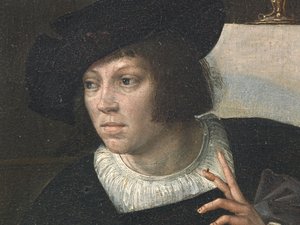
Bernardo van Orley
1541 , Bélgica
Datos clave
- Artistic Movement Or Style: Italianizing Flemish Renaissance
- Artists Who Influenced This Artist:
- Raphael
- Albrecht Durer
- Date Of Birth: c.1487
- Date Of Death: January 6, 1541
- Full Name: Bernard van Orley
- Nationality: Flemish
- Notable Artworks:
- The Haneton Triptych
- Portrait of Margareta van Oostenrijk
- Altarpiece of Calvary
- Place Of Birth: Brussels, Belgium

