

 Ver en contexto
 Enviar
 Compartir
 Detalles

 Descargar
 Similares
 Radiografía
 Presentación de diapositivas
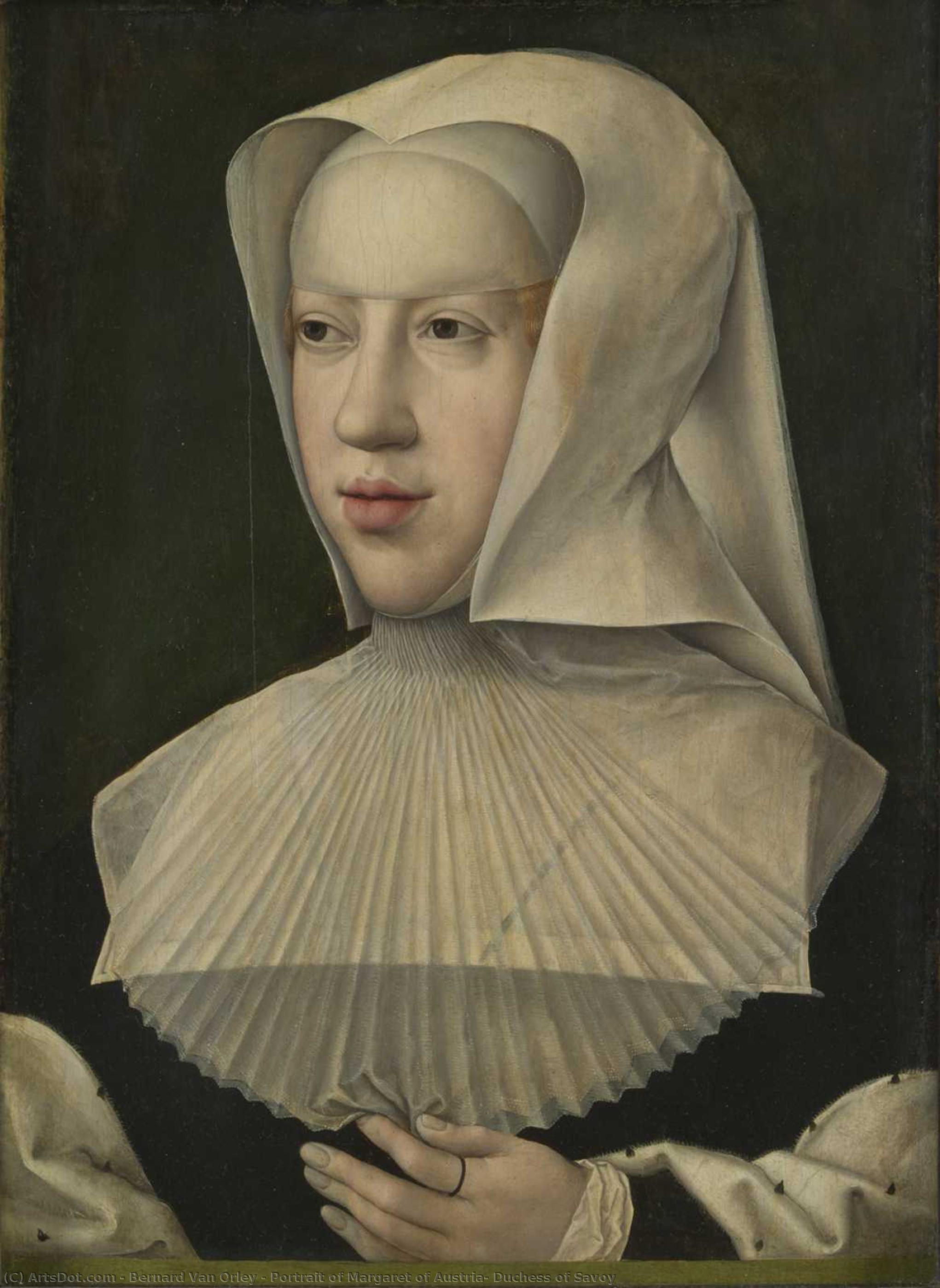
Portrait of Margaret of Austria, Duchess of Savoy
 Oil On Canvas
- WallArt
- Italianizing Flemish Renaissance
 1520
1520 Real Museo de las Bellas Artes de Amberes
 Ver más
Reproducción al óleo hecha a mano
Óleo sobre lienzo pintado a mano en el tamaño y marco de su elección, realizado por encargo por nuestros artistas. ( Comprar impresión Comprar imagen)




P118B $10

P118H $10

P118W $10

P438Z $10

P508JH $12

P508YH $12

P805H $10

P805Z $10

P919BZ $10

P919G $10

P919XJ $10

P959ZH $10

P968JZ $12

W106C $8

W218G $10

W218JH $8

W218Y $10

W307PJ $10

W316G $10

W316PJ $8

W316Y $10

W398PJ $8

W4111J $10

W500HY $15

W500JH $15

W692G $12

W849H $8

W940BG $15

W953PJ $8




Elija entre nuestros tamaños predefinidos que respetan las proporciones originales de la obra.

Puede ingresar sus propias dimensiones para adaptarse a un marco o espacio específico. Si el tamaño seleccionado no coincide con las proporciones de la imagen original, recortaremos la obra o extenderemos la pintura con elementos adicionales pintados a mano. Se le enviará una maqueta digital para su aprobación antes de comenzar la producción.
Tenga en cuenta que la vista previa en pantalla no refleja el recorte o la extensión reales. Solo la maqueta mostrará con precisión la composición final.
Si bien existen tamaños personalizados, recomendamos seleccionar una dimensión de la lista predefinida para preservar las proporciones originales.
Tras realizar el pedido, el equipo de ArtsDot.com enviará un correo electrónico al cliente para solicitar instrucciones y proporcionarle una vista previa del boceto.
Envío a todo el mundo () en 3-4 semanas en lugar de las 5 semanas estándar. (7 septiembre). Sin comprometer la calidad.

Envío exprés gratuito a todo el mundo

Lienzo de lino de alta calidad

Seguro de envío total

Garantía de reembolso de impuestos aduaneros

Garantía de fidelidad cromática exacta

Política de devolución de 100 días (solo por defectos)

Garantía de devolución del 100% del dinero

Descuento por cantidad
 La opción de vidrio solo está disponible en tamaños inferiores a 110 cm.

Portrait of Margaret of Austria, Duchess of Savoy
Técnica de reproducción
Dimensiones de la reproducción
-


Precio total final
$ 263
Portrait of Margaret of Austria, Duchess of Savoy – A Masterpiece of Northern Renaissance Elegance
The artwork before us is “Portrait of Margaret of Austria, Duchess of Savoy,” executed around 1520 by Barend or Barent van Orley, a Flemish Renaissance master whose oeuvre embodies the refined sensibilities of his era. This half-length portrait transcends mere representation; it’s an exquisitely crafted distillation of humanist ideals and artistic innovation—a testament to Van Orley's skill in capturing both physical likeness and psychological nuance. ### Composition and Style – Symmetry and Formal Grace The composition adheres to a classical pyramidal structure, placing Margaret’s face centrally against a muted brown background that serves as a grounding element. The artist skillfully employs symmetry, mirroring the positioning of her gaze directly across from the viewer—a technique designed not only for visual balance but also to establish an intimate connection between subject and observer. This deliberate arrangement speaks to the prevailing artistic conventions of the Northern Renaissance, prioritizing clarity and order while simultaneously conveying dignity and composure. Van Orley’s style is characterized by meticulous detail and a masterful command of chiaroscuro—the dramatic interplay of light and shadow—which sculpts Margaret's features with remarkable precision. ### Color Palette and Texture – Subtle Luminosity and Delicate Detail Dominating the palette are shades of ivory, cream, and pale yellow adorning Margaret’s gown and headdress, contrasted against the darker backdrop. These hues evoke a sense of aristocratic refinement and subtly illuminate her complexion, highlighting delicate skin tones and conveying an aura of serenity. Furthermore, Van Orley's technique—characterized by painstaking brushwork—captures textures with astonishing accuracy. The smooth surface of Margaret’s skin contrasts sharply with the crispness of the lace edging her gown and headdress, demonstrating a profound understanding of material properties. Cross-hatching and hatching techniques are employed to create shading and texture throughout the portrait, adding depth and dimensionality to the image—a hallmark of Northern Renaissance painting. ### Symbolism – Status, Grace, and Reserved Power Beyond its aesthetic beauty, “Portrait of Margaret of Austria” is laden with symbolic significance. The elaborate ruff and headdress serve as emblems of Margaret’s elevated social standing and wealth, reflecting the values of the Burgundian court during Van Orley's lifetime. Her clasped hands convey modesty and grace—a gesture that speaks to the humanist preoccupation with virtue and moral contemplation. Margaret’s gaze directs towards the viewer, projecting an image of quiet strength and unwavering dignity—a visual representation of inner resilience amidst external pressures. ### Historical Context – The Romanist Movement and Artistic Legacy Created during the Romanist movement—a trend championed by Raphael's influence—the portrait exemplifies the artistic fervor of its time. Artists like Van Orley sought to emulate the idealized beauty and harmonious proportions celebrated in classical art, adapting Italian Renaissance principles to Flemish sensibilities. “Portrait of Margaret of Austria” stands as a cornerstone of Northern Renaissance portraiture, securing Van Orley’s place among the most influential painters of his generation—a legacy that continues to inspire admiration for its technical brilliance and profound psychological insight. ### Medium & Technique – Oil Painting on Panel - A Testament to Craftsmanship The artwork is executed in oil paint on a wooden panel, utilizing glazing techniques to achieve subtle color transitions and luminosity. This meticulous approach underscores Van Orley’s dedication to craftsmanship—a commitment to mastering the medium and conveying its inherent qualities with exceptional artistry. The artist's careful attention to detail ensures that every nuance of Margaret’s appearance is faithfully reproduced, cementing “Portrait of Margaret of Austria” as a timeless masterpiece of Northern Renaissance art.Obras relacionadas
Biografía del artista
El alma renacentista de Bruselas
En el corazón de una Bruselas en pleno auge, donde el aroma a lana húmeda y el rítmico tableteo de los telares definían el paisaje urbano, Barend van Orley emergió como un titán del Renacimiento flamenco. Nacido en una era de profunda transición artística, su propio linaje estaba entretejido en la trama de las artes; como hijo del estimado diseñador de tapices Valentin van Orley, su infancia fue probablemente una educación inmersiva en las texturas intrincadas y las grandes narrativas requeridas para los magníficos tapices de Europa. Esta temprana exposición a la meticulosa artesanía de los talleres bruseleses proporcionó una base que eventualmente le permitiría trascender los límites de la mera decoración, elevando el medio del tapiz a un nivel de sofisticación pictórica nunca antes visto en los Países Bajos.
Una síntesis de realismo septentrional y gracia italiana
Un legado tejido en pintura e hilo
El genio de Van Orley residía en su extraordinaria versatilidad, una capacidad para dominar el pincel, el telar y la vidriera con igual maestría. Su obra es testimonio de un creador que no veía distinción entre la escala monumental de un diseño de tapiz y la delicada intimidad de una pintura religiosa al óleo. Ya fuera representando la profunda gravedad del Juicio Final o la tierna gracia de una Virgen con el Niño, su trabajo irradiaba constantemente una sensación de orden divino y belleza terrenal. Más allá de sus obras maestras individuales, su importancia histórica se consolida por su papel como un vínculo fundamental en la evolución del arte del Norte, asegurando que las tradiciones de sus antepasados no fueran simplemente preservadas, sino transformadas para una nueva era. A través de su prolífica producción y la continuación del linaje artístico de su familia, Barend van Orley dejó una huella indeleble en la identidad cultural del Renacimiento flamenco, legando un patrimonio tan perdurable como los propios tapices que ayudó a definir.
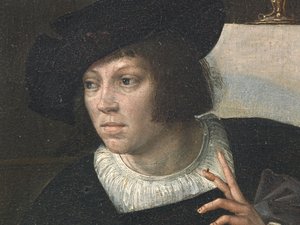
Bernard Van Orley
1541 , Bélgica
Datos clave
- Artistic Movement Or Style: Italianizing Flemish Renaissance
- Artists Who Influenced This Artist:
- Raphael
- Albrecht Durer
- Date Of Birth: c.1487
- Date Of Death: January 6, 1541
- Full Name: Bernard van Orley
- Nationality: Flemish
- Notable Artworks:
- The Haneton Triptych
- Portrait of Margareta van Oostenrijk
- Altarpiece of Calvary
- Place Of Birth: Brussels, Belgium
Artículos relacionados

Rembrandt van Rijn: Las 25 Obras Maestras que Definen un Genio | Arte, Historia y Decoración
Descubre las 25 obras maestras de Rembrandt van Rijn, el genio del barroco holandés. Explora su historia, técnica y simbolismo en retratos icónicos como 'La Ronda Nocturna'. Encuentra reproducciones de arte exclusivas para decorar tu hogar con ArtsDot.com.

Los 10 Maestros del Primitivo Flamenco: Obras que Definen un Arte Inigualable | ArtsDot
Descubre los 10 imprescindibles del Primitivo Flamenco: Jan van Eyck, Robert Campin y más. Explora la historia, simbolismo y técnica de estas obras maestras renacentistas tempranas. Encuentra reproducciones de arte de museo en ArtsDot.com.
Renacimiento Flamenco Temprano: 10 Obras Maestras que Cambiaron la Historia del Arte | ArtsDot
Descubre las 10 obras maestras del Renacimiento Flamenco Temprano. Explora la historia de Jan van Eyck, Robert Campin y más. Reproducciones de arte en ArtsDot.com para decorar tu hogar con belleza y elegancia. ¡Explora la colección online!
Hugo van der Goes: Devotion, Innovation & the Psychological Depth of Early Netherlandish Painting
Explore the revolutionary art of Hugo van der Goes – a master of Early Netherlandish painting renowned for his dramatic realism, psychological depth & profound influence on Renaissance artists. Discover his iconic works and lasting legacy.
Sir Anthony van Dyck: Courtly Portraiture & the Shaping of Baroque Identity
Explore the life & legacy of Sir Anthony van Dyck, the leading court painter of his era. Discover his innovative portraiture, Baroque masterpieces, and investment potential for discerning collectors. Learn more at ArtsDot.