

 Ver en contexto
 Enviar
 Compartir
 Detalles

 Descargar
 Similares
 Radiografía
 Presentación de diapositivas
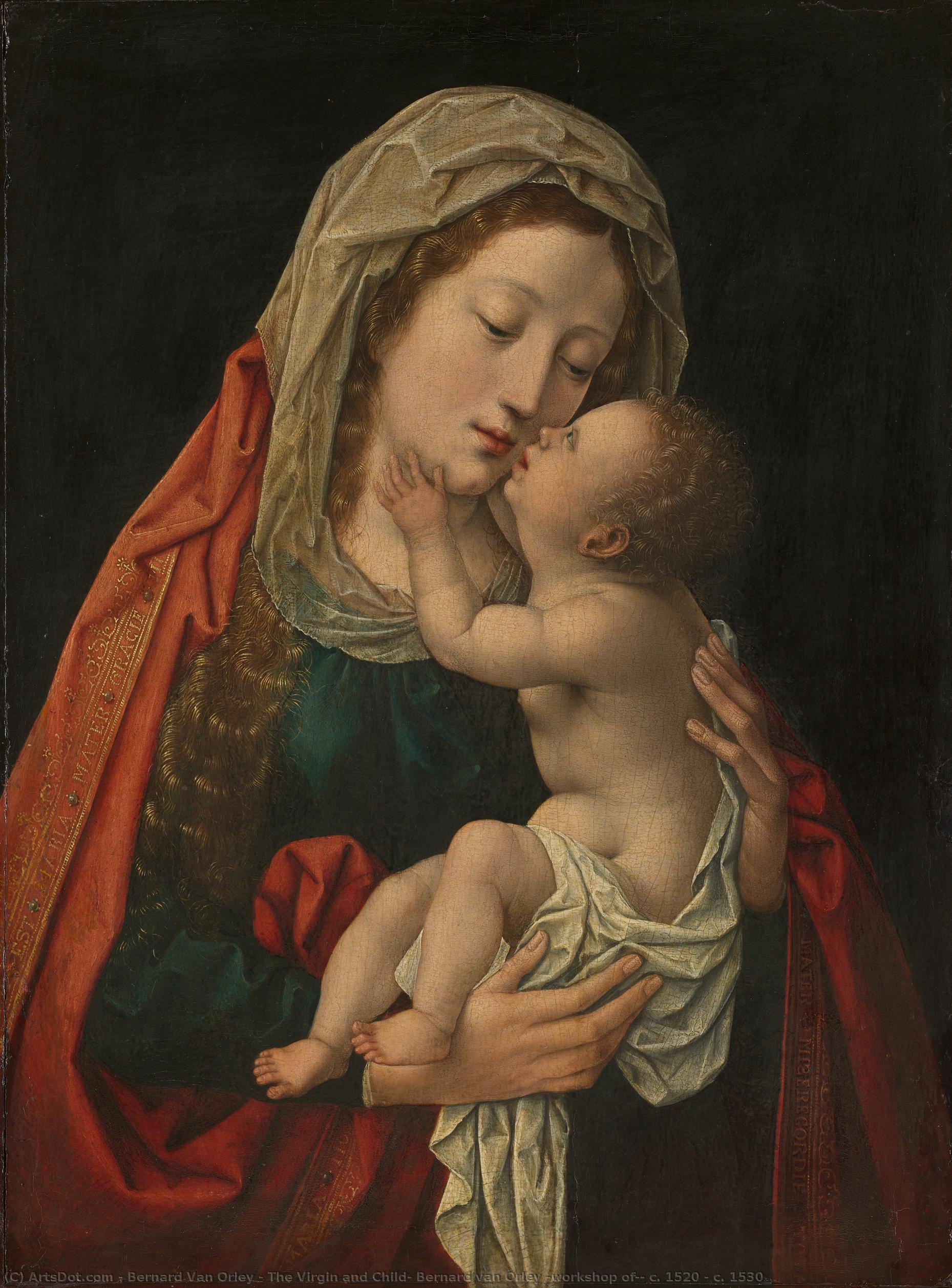
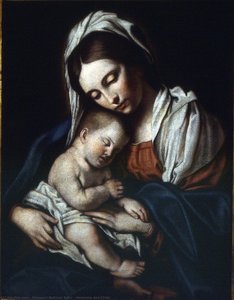
The Virgin and Child, Bernard van Orley (workshop of), c. 1520 - c. 1530
 1530
1530 37.0 x 28.0 cm
 Ver más
Reproducción al óleo hecha a mano
Óleo sobre lienzo pintado a mano en el tamaño y marco de su elección, realizado por encargo por nuestros artistas. ( Comprar impresión Comprar imagen)




































Elija entre nuestros tamaños predefinidos que respetan las proporciones originales de la obra.

Puede ingresar sus propias dimensiones para adaptarse a un marco o espacio específico. Si el tamaño seleccionado no coincide con las proporciones de la imagen original, recortaremos la obra o extenderemos la pintura con elementos adicionales pintados a mano. Se le enviará una maqueta digital para su aprobación antes de comenzar la producción.
Tenga en cuenta que la vista previa en pantalla no refleja el recorte o la extensión reales. Solo la maqueta mostrará con precisión la composición final.
Si bien existen tamaños personalizados, recomendamos seleccionar una dimensión de la lista predefinida para preservar las proporciones originales.
Tras realizar el pedido, el equipo de ArtsDot.com enviará un correo electrónico al cliente para solicitar instrucciones y proporcionarle una vista previa del boceto.
Envío a todo el mundo () en 3-4 semanas en lugar de las 5 semanas estándar. (25 agosto). Sin comprometer la calidad.

Envío exprés gratuito a todo el mundo

Lienzo de lino de alta calidad

Seguro de envío total

Garantía de reembolso de impuestos aduaneros

Garantía de fidelidad cromática exacta

Política de devolución de 60 días (solo por defectos)

Garantía de devolución del 100% del dinero

Descuento por cantidad
 La opción de vidrio solo está disponible en tamaños inferiores a 110 cm.

The Virgin and Child, Bernard van Orley (workshop of), c. 1520 - c. 1530
Técnica de reproducción
Dimensiones de la reproducción
-


Precio total final
$ 263
Descripción de la obra
Obras relacionadas






Biografía del artista
El alma renacentista de Bruselas
En el corazón de una Bruselas en pleno auge, donde el aroma a lana húmeda y el rítmico tableteo de los telares definían el paisaje urbano, Barend van Orley emergió como un titán del Renacimiento flamenco. Nacido en una era de profunda transición artística, su propio linaje estaba entretejido en la trama de las artes; como hijo del estimado diseñador de tapices Valentin van Orley, su infancia fue probablemente una educación inmersiva en las texturas intrincadas y las grandes narrativas requeridas para los magníficos tapices de Europa. Esta temprana exposición a la meticulosa artesanía de los talleres bruseleses proporcionó una base que eventualmente le permitiría trascender los límites de la mera decoración, elevando el medio del tapiz a un nivel de sofisticación pictórica nunca antes visto en los Países Bajos.
Una síntesis de realismo septentrional y gracia italiana
Un legado tejido en pintura e hilo
El genio de Van Orley residía en su extraordinaria versatilidad, una capacidad para dominar el pincel, el telar y la vidriera con igual maestría. Su obra es testimonio de un creador que no veía distinción entre la escala monumental de un diseño de tapiz y la delicada intimidad de una pintura religiosa al óleo. Ya fuera representando la profunda gravedad del Juicio Final o la tierna gracia de una Virgen con el Niño, su trabajo irradiaba constantemente una sensación de orden divino y belleza terrenal. Más allá de sus obras maestras individuales, su importancia histórica se consolida por su papel como un vínculo fundamental en la evolución del arte del Norte, asegurando que las tradiciones de sus antepasados no fueran simplemente preservadas, sino transformadas para una nueva era. A través de su prolífica producción y la continuación del linaje artístico de su familia, Barend van Orley dejó una huella indeleble en la identidad cultural del Renacimiento flamenco, legando un patrimonio tan perdurable como los propios tapices que ayudó a definir.
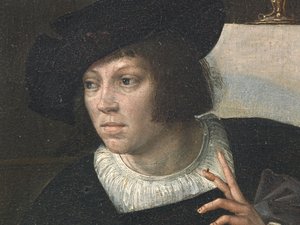
Bernard Van Orley
1541 , Bélgica
Datos clave
- Artistic Movement Or Style: Italianizing Flemish Renaissance
- Artists Who Influenced This Artist:
- Raphael
- Albrecht Durer
- Date Of Birth: c.1487
- Date Of Death: January 6, 1541
- Full Name: Bernard van Orley
- Nationality: Flemish
- Notable Artworks:
- The Haneton Triptych
- Portrait of Margareta van Oostenrijk
- Altarpiece of Calvary
- Place Of Birth: Brussels, Belgium

