 Ver en contexto
 Enviar
 Compartir
 Detalles

 Descargar
 Similares
 Radiografía
 Presentación de diapositivas
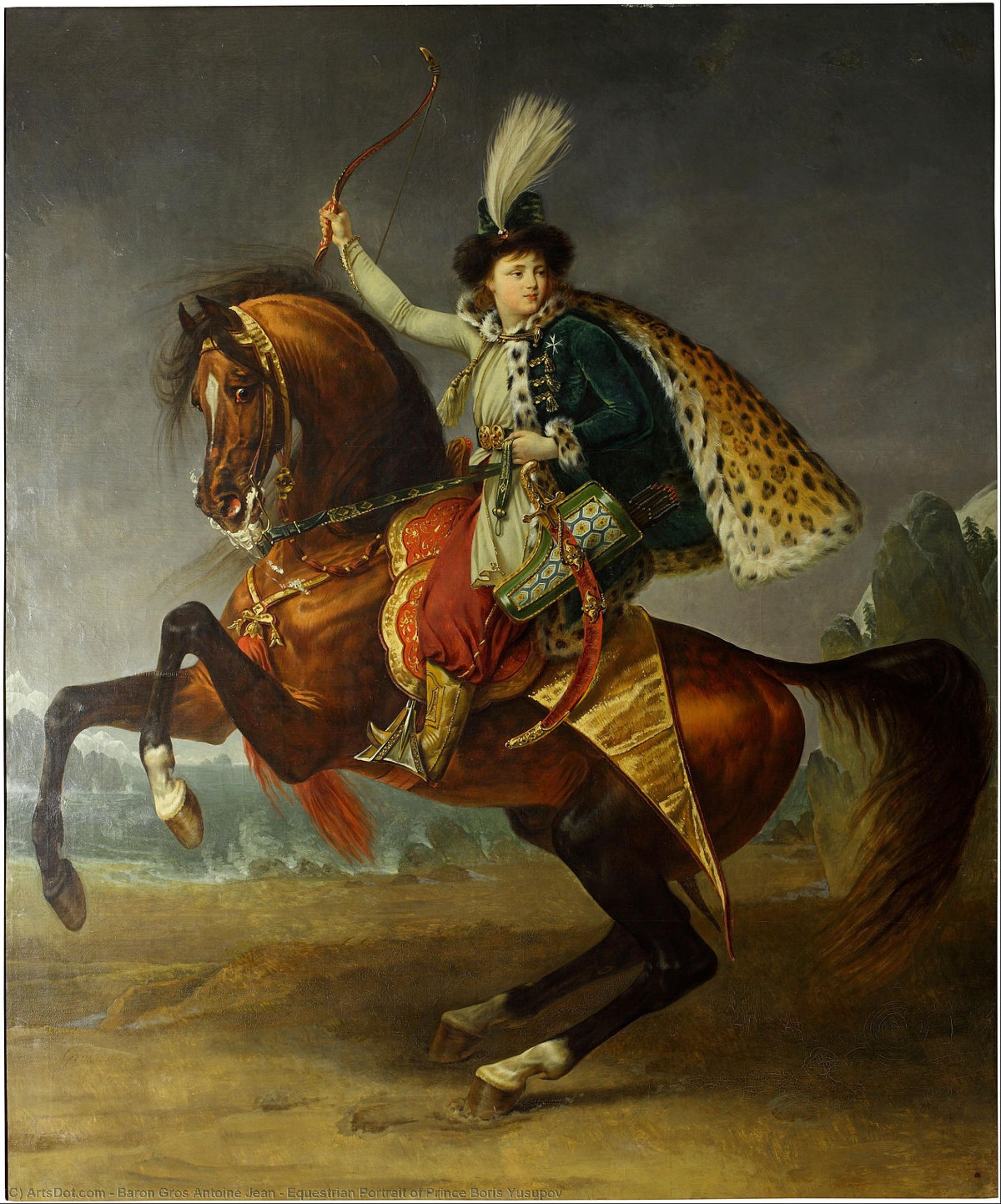
Equestrian Portrait of Prince Boris Yusupov
 Oil
Oil- WallArt
- Romanticism
 1809
1809- 19th Century
 321.0 x 266.0 cm
 Museo Pushkin de Moscú
 Ver más
Reproducción al óleo hecha a mano
Óleo sobre lienzo pintado a mano en el tamaño y marco de su elección, realizado por encargo por nuestros artistas. ( Comprar impresión Comprar imagen)




P118B $10

P118H $10

P118W $10

P438Z $10

P508JH $12

P508YH $12

P805H $10

P805Z $10

P919BZ $10

P919G $10

P919XJ $10

P959ZH $10

P968JZ $12

W106C $8

W218G $10

W218JH $8

W218Y $10

W307PJ $10

W316G $10

W316PJ $8

W316Y $10

W398PJ $8

W4111J $10

W500HY $15

W500JH $15

W692G $12

W849H $8

W940BG $15

W953PJ $8




Elija entre nuestros tamaños predefinidos que respetan las proporciones originales de la obra.

Puede ingresar sus propias dimensiones para adaptarse a un marco o espacio específico. Si el tamaño seleccionado no coincide con las proporciones de la imagen original, recortaremos la obra o extenderemos la pintura con elementos adicionales pintados a mano. Se le enviará una maqueta digital para su aprobación antes de comenzar la producción.
Tenga en cuenta que la vista previa en pantalla no refleja el recorte o la extensión reales. Solo la maqueta mostrará con precisión la composición final.
Si bien existen tamaños personalizados, recomendamos seleccionar una dimensión de la lista predefinida para preservar las proporciones originales.
Tras realizar el pedido, el equipo de ArtsDot.com enviará un correo electrónico al cliente para solicitar instrucciones y proporcionarle una vista previa del boceto.
Envío a todo el mundo () en 3-4 semanas en lugar de las 5 semanas estándar. (6 septiembre). Sin comprometer la calidad.

Envío exprés gratuito a todo el mundo

Lienzo de lino de alta calidad

Seguro de envío total

Garantía de reembolso de impuestos aduaneros

Garantía de fidelidad cromática exacta

Política de devolución de 100 días (solo por defectos)

Garantía de devolución del 100% del dinero

Descuento por cantidad
 La opción de vidrio solo está disponible en tamaños inferiores a 110 cm.

Equestrian Portrait of Prince Boris Yusupov
Técnica de reproducción
Dimensiones de la reproducción
-


Precio total final
$ 263
Obras relacionadas
Biografía del artista
Antoine-Jean Gros (1771–1835): The Romantic Battlefield
Antoine-Jean Gros, later Baron Gros, stands as a singular figure in French art history—a painter who deftly transitioned from the rigid formalism of Neoclassicism to the passionate expressive fervor of Romanticism. Born in Paris in 1771, Gros’s artistic journey began amidst the stylistic debates that characterized the era, yet he ultimately forged his own distinctive path, securing a place among the most influential artists of his time and profoundly impacting subsequent generations of painters like Eugène Delacroix and Théodore Géricault. His early training focused on mastering the techniques of Jacques-Louis David, the dominant voice of Neoclassicism, ensuring a grounding in classical ideals of beauty and proportion. However, Gros quickly recognized the limitations of this style when confronted with the turbulent realities of the French Revolution. Witnessing firsthand the fervor and violence of Parisian upheaval instilled within him a desire to depict emotion and drama—a yearning that would propel him toward Romanticism’s embrace of subjective experience.- Early Life & Training: Gros received his initial artistic education from Jacques-Louis David, absorbing the principles of classical art and mastering meticulous draftsmanship. He diligently studied David's monumental canvases, striving to emulate his mastery of composition and technique.
- Revolutionary Influence: The French Revolution ignited Gros’s imagination, prompting him to abandon Neoclassical conventions in favor of emotionally charged depictions of historical events. Disillusioned by the perceived moral failings of the aristocracy, Gros sought to express the heroic spirit of the common people amidst the chaos and upheaval of revolutionary France.
The Napoleonic Canvas: Dramatic Battles & Imperial Glory
Gros’s artistic reputation solidified during Napoleon Bonaparte’s reign, becoming synonymous with the monumental canvases that captured the grandeur and terror of military campaigns. He achieved unparalleled fame for his portrayal of pivotal battles—Arcola (1796), Austerlitz (1805), Borodino (1812)—each infused with a visceral sense of immediacy and psychological depth. Unlike David’s idealized representations, Gros eschewed polish and meticulous detail, prioritizing emotional impact over technical precision. He employed bold brushstrokes, dramatic lighting—often utilizing chiaroscuro—and vibrant color palettes to convey the chaos and heroism of warfare, establishing himself as the foremost exponent of “history painting” during Napoleon's ascendancy. His ambition was to capture not merely what happened but how it *felt*. Notable works include:- Napoleon at the Pont d’Arcole (1796): This iconic depiction captures Napoleon’s triumphant arrival at Arcole, embodying the spirit of Napoleonic ambition and military prowess. Gros meticulously researched the battle scene, striving to recreate the atmosphere of courage and determination with remarkable accuracy.
- The Battle of Austerlitz (1805): Gros's masterful rendering of the decisive Austrian defeat cemented his reputation as a painter of monumental scale and dramatic intensity. He skillfully utilized perspective and composition to convey the overwhelming power of Napoleon’s forces.
- The Battle of Borodino (1812): Considered by many to be Gros’s masterpiece, this harrowing portrayal of the Russian siege powerfully conveys the suffering and courage of soldiers amidst the horrors of war. Gros's unflinching depiction of human misery—particularly the wounded and dying—challenged conventional artistic norms and profoundly impacted subsequent Romantic painters.
Beyond Battles: Portraits & Genre Scenes
While Gros is primarily celebrated for his battlefield panoramas, he also produced a significant body of portraiture and genre paintings—works that reveal a more nuanced understanding of human psychology and social life. His portraits of Napoleon Bonaparte and Josephine Beauharnais exemplify his ability to capture regal dignity and charisma, demonstrating meticulous attention to detail and psychological insight. He sought to convey not just physical likeness but also the inner character of his subjects, employing subtle gestures and expressions to communicate their personalities. Furthermore, Gros’s depictions of everyday scenes—such as “Sappho at Leucate” and “Les Pestiférés de Jaffa”—offer glimpses into the human condition, imbued with compassion and empathy. These works stand in contrast to the heroic grandeur of his military paintings, demonstrating Gros's versatility as an artist.Legacy & Influence
Antoine-Jean Gros's artistic innovations profoundly impacted subsequent Romantic painters, particularly Eugène Delacroix and Théodore Géricault. He championed a style characterized by emotional intensity, dramatic lighting, and expressive brushwork—elements that would become hallmarks of the Romantic movement. Gros’s unwavering commitment to portraying historical events with visceral realism paved the way for a new aesthetic sensibility, shaping the visual language of 19th-century art and securing his enduring legacy as one of France's most important artistic figures. His influence extended beyond painting, inspiring artists in other mediums—sculpture, theater—demonstrating the breadth of his artistic impact. Gros’s pioneering approach to history painting established a precedent for future generations of artists who sought to capture the drama and emotion of human experience.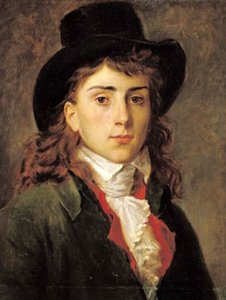
baron gros antoine jean
1771 - 1835 , Francia
Datos clave
- Artistic Movement Or Style: Romanticismo
- Artists Who Influenced This Artist:
- Jacques-Louis David
- Peter Paul Rubens
- Date Of Birth: 1771
- Date Of Death: 1835
- Full Name: Antoine Jean Gros, Baron Gros
- Nationality: Francés
- Notable Artworks:
- Bonaparte at the Pont d’Arcole
- Les Pestiférés de Jaffa
- Arcole
- Austlitz
- Borodino
- Place Of Birth: Francia
Artículos relacionados

Las 10 Obras Maestras del Azul Pizarra: Arte, Historia y Decoración
Descubre las 10 pinturas más famosas dominadas por el azul pizarra. Explora la historia, técnica y belleza de Monet, Van Gogh y otros maestros. Encuentra reproducciones de arte exclusivas para decorar tu hogar en .
The Equine Muse: A Historical & Artistic Exploration of Horses in Painting
Explore the captivating history of horses in painting! Discover Renaissance masterpieces, Baroque grandeur & expert insights for collecting equestrian art. Learn about symbolism, techniques & lasting value with ArtsDot.
The Allure of Azure: Exploring the Symbolic & Aesthetic Depths of Blue in Art History
Explore the rich history of blue in art! Discover its symbolism, from ancient pigments to modern masterpieces by Kandinsky & Seurat. Uncover the psychological impact and cultural meanings behind this captivating hue.
The Noble Steed: A Historical and Artistic Exploration of Horses in Fine Art
Explore the rich history of horses in fine art! From ancient depictions to Renaissance masterpieces & beyond, discover iconic artworks and artists. Learn about symbolism, techniques, and find museum-quality reproductions at ArtsDot.
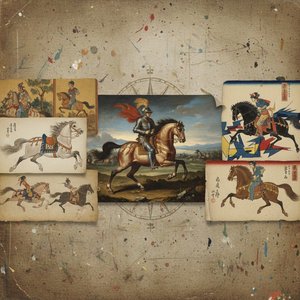
The Noble Steed on Canvas: A Historical & Artistic Exploration of Horse Painting Across Cultures
Explore the rich history of horse painting! Discover masterpieces from Stubbs to Munnings & learn about symbolism, techniques & artists. Find museum-quality reproductions at ArtsDot.