

 Ver en contexto
 Enviar
 Compartir
 Detalles

 Descargar
 Similares
 Radiografía
 Presentación de diapositivas
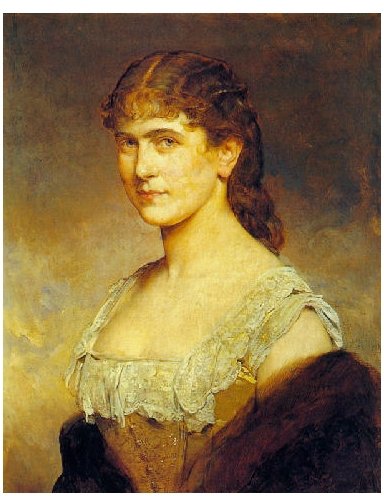
Portrat Katharina Schratt Im Abendkleid

 Ver más
Giclée / Impresión de arte
Impresiones giclée o en lienzo de calidad de museo con producción rápida y opciones de acabado flexibles. ( Comprar pintura hecha a mano Comprar imagen)




































Elija entre nuestros tamaños predefinidos que respetan las proporciones originales de la obra.

Puede introducir sus propias dimensiones para adaptarse a un marco o espacio específico. Si el tamaño seleccionado no coincide con las proporciones de la imagen original, recortaremos la obra de arte o extenderemos la imagen con un borde con efecto espejo o de color sólido. Se enviará una maqueta digital para su aprobación antes de que comience la producción.
Tenga en cuenta que la vista previa en pantalla no refleja el recorte o la extensión real. Solo la maqueta mostrará con precisión la composición final.
Aunque existen tamaños personalizados, recomendamos seleccionar una dimensión de la lista predefinida para preservar las proporciones originales.
Envío a todo el mundo () en 2 semanas en lugar de las 4/5 semanas estándar. (30 agosto)

Envío exprés gratuito a todo el mundo

Lienzo de lino de alta calidad

Seguro de envío total

Garantía de reembolso de impuestos aduaneros

Garantía de fidelidad cromática exacta

Política de devolución de 60 días (solo por defectos)

Garantía de devolución del 100% del dinero

Descuento por cantidad
 La opción de vidrio solo está disponible en tamaños inferiores a 110 cm.

Portrat Katharina Schratt Im Abendkleid
Giclée / Impresión de arte
Dimensiones de la reproducción
-


Precio total final
$ 62
Obras relacionadas
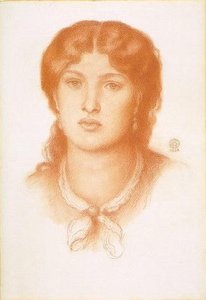
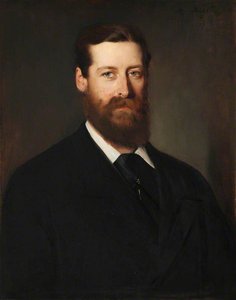
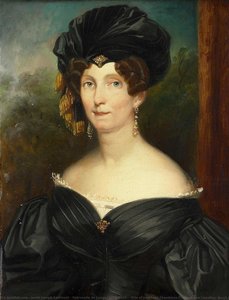
Biografía del artista
The Soul of an Era: The Life and Art of Baron Heinrich von Angeli
In the grand tapestry of nineteenth-century European art, few threads possess the delicate strength and historical resonance of Baron Heinrich Anton von Angeli. Born in 1840 in Ödenburg—a region then part of the Austrian Empire—Angeli emerged from an aristocratic lineage with a profound connection to the cultural heart of Europe. His early years were shaped by the prestigious traditions of Viennese portraiture, yet his spirit was far too expansive to be confined by mere likeness. Under the guidance of masters such as Anton Mayer Johann Nepomuk Richter, he mastered the technical rigors of the craft, but it was his subsequent travels through Düsseldorf and Munich that truly ignited his creative fire. As he moved between the intellectual hubs of Berlin, London, and Vienna, Angeli became more than just a painter; he became a visual chronicler of an age caught between the fading echoes of Romanticism and the rising clarity of Realism.
The brilliance of Angeli’s work lies in his ability to navigate these two seemingly opposing movements. While he drew deep inspiration from the atmospheric, emotive landscapes of Caspar David Friedrich and the dramatic intensity of Eugène Delacroix, he never abandoned the pursuit of truth. His technique was a marvel of patience and precision, characterized by the meticulous layering of thin glazes over a toned ground. This method allowed him to achieve a luminous depth that seemed to breathe within the canvas, capturing the subtle shimmer of pearls, the heavy texture of velvet, and the fleeting play of light upon a frozen pond. Whether he was rendering the quiet solitude of a landscape or the regal weight of a royal garment, his brushwork remained dedicated to an honest, naturalistic portrayal of his subjects.
A Master of Majesty and Memory
Angeli’s reputation as a premier portraitist was cemented by his uncanny ability to capture the dignity of the era's most influential figures. He possessed a rare talent for depicting the intricate details of military uniforms, fine lace, and precious jewels, yet he famously eschewed the overly idealized flattery common among his contemporaries. His 1875 portrait of Queen Victoria remains a cornerstone of his legacy; it was a work so strikingly honest in its portrayal of her somber, widowed state that it earned him the direct praise of the monarch herself. This commitment to psychological truth allowed him to transcend simple portraiture, turning his subjects into enduring icons of historical character.
Beyond the halls of royalty, Angeli’s oeuvre expanded into breathtaking landscapes and significant historical narratives. His landscapes, such as the evocative “Skating Floor” or the tranquil “Die Gartenlaube,” serve as windows into a lost world of Romantic contemplation, where nature is imbued with a sense of the sublime. Simultaneously, his historical paintings acted as a bridge to the past, meticulously researched and rendered with an eye for the monumental. Through his work, the pivotal moments of the Napoleonic Wars and the quiet elegance of the Austrian nobility were preserved with a level of detail that serves both as art and as history. Today, the works of Baron von Angeli continue to captivate, offering a window into a period of profound transformation through a lens of unparalleled grace and technical mastery.
baron heinrich von angeli
1840 - 1925 , Austria
Datos clave
- Artistic Movement Or Style: Romantic Landscape
- Artists Or Movements Influenced By This Artist: ['French Romanticism']
- Artists Who Influenced This Artist:
- Gustav Klimt
- Jean-Auguste Dominique Ingres
- Date Of Birth: 8 July 1840
- Date Of Death: 21 October 1925
- Full Name: Heinrich Anton von Angeli
- Nationality: Austrian
- Notable Artworks:
- Portrait Of Queen Victoria As Widow
- Skating Floor
- Place Of Birth: Vienna, Austria
Artículos relacionados

The Enduring Legacy of Oil on Canvas: Technique, History & Aesthetic Impact
Explore the rich history & techniques of oil painting – from Renaissance masters to Impressionism. Discover pigments, layering methods, and why this timeless medium endures. Expert insights for artists & art enthusiasts.

El Óleo sobre Lienzo: Historia, Técnica y la Persistencia de un Medio Artístico Atemporal
Descubre la historia y técnica del óleo sobre lienzo. Explora reproducciones fieles hechas a mano, personalización artística y consejos de expertos con ArtsDot. ¡Colecciona arte con confianza!

El Legado Duradero del Óleo sobre Lienzo: Técnica, Historia y Práctica Contemporánea
Descubre la historia y técnica del óleo sobre lienzo. Explora reproducciones fieles hechas a mano, personalización artística y consejos de expertos con .
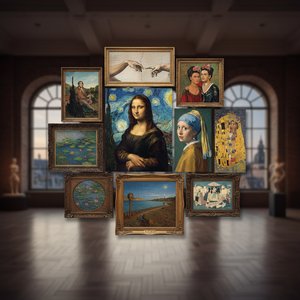
Las 10 Obras Maestras al Óleo que Revolucionaron la Historia del Arte |
Descubre las 10 obras maestras al óleo que transformaron la historia del arte. Explora Van Gogh, Monet, Da Vinci y más. Reproducciones de alta calidad para decorar tu hogar con elegancia. ¡Encuentra tu obra favorita en !

The Enduring Power of Painting: A Historical & Contemporary Exploration of Form and Emotion
Explore the rich history & enduring techniques of oil painting with ArtsDot. Discover masterpieces, learn about art collecting, and find authentic handmade reproductions crafted by skilled artists.

