 Ver en contexto
 Enviar
 Compartir
 Detalles

 Descargar
 Similares
 Radiografía
 Presentación de diapositivas
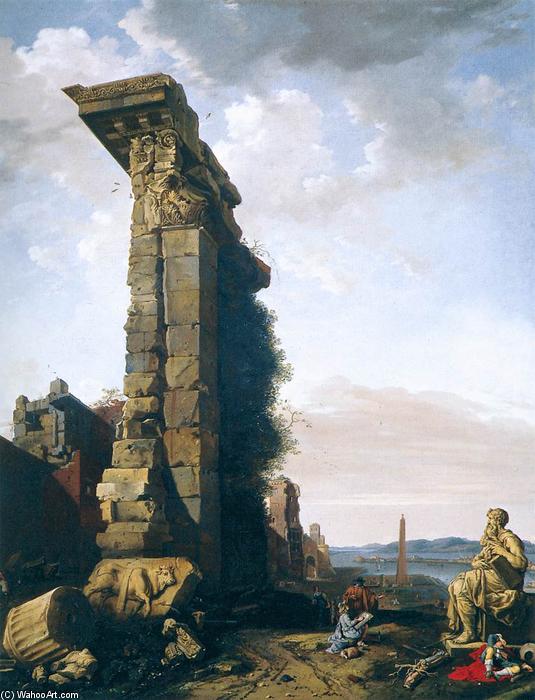
Idealised View with Roman Ruins, Sculptures, and a Port
 Acrylic On Canvas
- WallArt
- Italianate Landscape
 1650
1650 116.0 x 89.0 cm
 Museo Nacional Thyssen-Bornemisza
 Ver más
Reproducción al óleo hecha a mano
Óleo sobre lienzo pintado a mano en el tamaño y marco de su elección, realizado por encargo por nuestros artistas. ( Comprar impresión Comprar imagen)




P118B $10

P118H $10

P118W $10

P438Z $10

P508JH $12

P508YH $12

P805H $10

P805Z $10

P919BZ $10

P919G $10

P919XJ $10

P959ZH $10

P968JZ $12

W106C $8

W218G $10

W218JH $8

W218Y $10

W307PJ $10

W316G $10

W316PJ $8

W316Y $10

W398PJ $8

W4111J $10

W500HY $15

W500JH $15

W692G $12

W849H $8

W940BG $15

W953PJ $8




Elija entre nuestros tamaños predefinidos que respetan las proporciones originales de la obra.

Puede ingresar sus propias dimensiones para adaptarse a un marco o espacio específico. Si el tamaño seleccionado no coincide con las proporciones de la imagen original, recortaremos la obra o extenderemos la pintura con elementos adicionales pintados a mano. Se le enviará una maqueta digital para su aprobación antes de comenzar la producción.
Tenga en cuenta que la vista previa en pantalla no refleja el recorte o la extensión reales. Solo la maqueta mostrará con precisión la composición final.
Si bien existen tamaños personalizados, recomendamos seleccionar una dimensión de la lista predefinida para preservar las proporciones originales.
Tras realizar el pedido, el equipo de ArtsDot.com enviará un correo electrónico al cliente para solicitar instrucciones y proporcionarle una vista previa del boceto.
Envío a todo el mundo () en 3-4 semanas en lugar de las 5 semanas estándar. (22 agosto). Sin comprometer la calidad.

Envío exprés gratuito a todo el mundo

Lienzo de lino de alta calidad

Seguro de envío total

Garantía de reembolso de impuestos aduaneros

Garantía de fidelidad cromática exacta

Política de devolución de 60 días (solo por defectos)

Garantía de devolución del 100% del dinero

Descuento por cantidad
 La opción de vidrio solo está disponible en tamaños inferiores a 110 cm.

Idealised View with Roman Ruins, Sculptures, and a Port
Técnica de reproducción
Dimensiones de la reproducción
-


Precio total final
$ 263
Descripción de la obra
A Window into the Golden Age: Bartholomeus Breenbergh’s ‘Idealised View with Roman Ruins, Sculptures, and a Port’
Bartholomeus Breenbergh's 1650 painting, “Idealised View with Roman Ruins, Sculptures, and a Port,” isn’t merely a depiction of a coastal scene; it’s a carefully constructed meditation on beauty, classical ideals, and the burgeoning spirit of the Dutch Golden Age. The canvas breathes with an almost palpable warmth, a testament to Breenbergh's mastery of light and color – a hallmark of his Italianate style, deeply influenced by the artists he encountered during his sojourn in Rome. The scene unfolds before us: a bustling harbor framed by imposing Roman ruins, their weathered stones hinting at centuries of history and grandeur. Figures populate the foreground, engaged in various activities—a group of men conversing near a stone structure, a boat navigating the waters, and a lone bird soaring overhead – each element contributing to a sense of lively interaction within this carefully orchestrated tableau.
The Italianate Echo: Style and Technique
Breenbergh’s artistic lineage is immediately apparent. He was profoundly shaped by the landscape painters who had flocked to Rome, particularly Paul Bril and Nicolas Poussin, both of whom championed a style that blended classical motifs with contemporary observation. This painting exemplifies this fusion perfectly. The composition is meticulously balanced, drawing the eye towards the central stone structure – likely a temple or civic building – while simultaneously offering a panoramic view of the harbor. The artist employs a technique reminiscent of Poussin’s, utilizing atmospheric perspective to create a sense of depth and distance. Notice how the colors become paler and less distinct as they recede into the background, lending an illusion of vastness to the scene. The brushwork is smooth and refined, indicative of Breenbergh's careful attention to detail and his desire to capture a luminous quality reminiscent of Italian light. The use of warm earth tones—ochres, siennas, and umbers—dominates the palette, creating an inviting and harmonious atmosphere.
Symbolism and Historical Context
More than just a picturesque landscape, “Idealised View with Roman Ruins” is steeped in symbolism. The ruins themselves represent the weight of history, the legacy of the classical world that continued to inspire artists and intellectuals during the Renaissance and Baroque periods. The inclusion of figures engaged in everyday activities—trading, boating, socializing—reflects the prosperity and dynamism of the Dutch Republic at the time. This was a period of unprecedented economic growth fueled by maritime trade, and Breenbergh’s painting serves as a visual celebration of this success. The presence of the bird adds an element of freedom and aspiration, while the calm waters suggest stability and security. The painting was created during a pivotal moment in Dutch history – a time of expanding influence and artistic innovation—and it reflects the nation's embrace of classical ideals alongside its own unique identity.
Emotional Resonance: A Vision of Harmony
Looking at “Idealised View with Roman Ruins, Sculptures, and a Port,” one is struck by a profound sense of tranquility and order. The painting doesn’t depict drama or conflict; instead, it offers a vision of harmonious coexistence between humanity and nature, between the past and the present. The carefully arranged composition, the luminous colors, and the subtle details all contribute to this feeling of serenity. It's as if Breenbergh is inviting us to step into a timeless world where beauty, wisdom, and prosperity converge. The painting’s enduring appeal lies in its ability to evoke a sense of nostalgia for a bygone era while simultaneously celebrating the vibrant spirit of the Dutch Golden Age. Reproductions capture this essence beautifully, offering a window into a remarkable artistic achievement.
Obras relacionadas

Biografía del artista
Primeros Años y Formación
- Nombre: Bartholomeus Breenbergh
- Nacimiento: Antes del 13 de noviembre de 1598, en Deventer, Países Bajos
- Fallecimiento: Después del 3 de octubre de 1657, en Ámsterdam, Países Bajos
- Los detalles de su vida temprana son escasos. La familia se mudó a Hoorn después de la muerte de su padre en 1607.
- Fue contemporáneo de Jacques Waben y probablemente recibió una formación inicial allí.
- Maestros registrados incluyen Pieter Lastman y Jacob Symonsz Pynas.
Carrera: Roma y el Estilo Italianizante
- Se registró por primera vez como pintor en Ámsterdam en 1619.
- En 1619, viajó a Roma, donde residió hasta aproximadamente 1630.
- Trabajó con el pintor flamenco Frans van de Kasteele y fue fuertemente influenciado por Paul Bril.
- Desarrolló un estilo distintivo de paisaje italianizante, caracterizado por representaciones idealizadas de la Campagna romana (campo).
- Influenciado por los paisajes de Cornelis van Poelenburgh; sus estilos se volvieron difíciles de distinguir a veces.
- Se convirtió en uno de los fundadores de los Bentvueghels ("Gremio de Pintores") en Roma, ganándose el apodo "het fret" (la comadreja).
Regreso a Ámsterdam y Desarrollo Artístico
- Regresó a Ámsterdam alrededor de 1630.
- Se casó en 1633 y recibió un salario anual del rey Carlos I de Gran Bretaña.
- Su obra comenzó a incorporar figuras mitológicas y bíblicas en paisajes italianos, influenciado por artistas como Pieter Lastman.
- Desarrolló un estilo más monumental con tipos de figuras expresivas.
- El único alumno registrado fue Jan de Bisschop, quien estudió con él en la década de 1640.
Influencias y Legado
- Influencias: Pieter Lastman, Nicolaes Moeyaert, Paul Bril, Cornelis van Poelenburgh, Claude Lorrain.
- Influencia sobre Otros: Jan Linsen, Scipione Compagno, Laurens Barata, Charles Cornelisz. de Hooch, Pieter Anthonisz. van Groenewegen, Francois van Knibbergen y Catharina van Knibbergen.
- Breenbergh fue una figura clave en el desarrollo del estilo paisajístico italianizante en los Países Bajos.
- Su obra ayudó a popularizar las representaciones de ruinas clásicas y paisajes idealizados entre los artistas europeos del norte.
- Puenteó la brecha entre los maestros holandeses anteriores y los pintores paisajísticos posteriores, más refinados.
Significado Histórico
- La contribución de Breenbergh radica en su papel pionero en el establecimiento del estilo italianizante dentro del arte holandés.
- Su capacidad para sintetizar influencias de varios artistas – Lastman, Moeyaert, Bril, Poelenburgh – creó una voz artística única y reconocible.
- Jugó un papel significativo en la configuración de las preferencias estéticas de la Edad de Oro holandesa, inspirando a generaciones posteriores de pintores paisajistas.
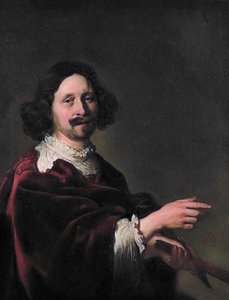
Bartholomeus Breenbergh
1598 - 1657 , Países Bajos
Datos clave
- Artistas Influenciados:
- Claude Lorrain
- Jan Linsen
- Artistas Que Influyeron:
- Paul Bril
- Cornelis van Poelenburgh
- Pieter Lastman
- Fecha De Fallecimiento: 1657-10-05
- Fecha De Nacimiento: 1598-11-13
- Lugar De Nacimiento: Deventer, Países Bajos
- Movimiento Artístico: Paisaje clasicista italiano
- Nacionalidad: Holandés
- Nombre Completo: Bartholomeus Breenbergh
Artículos relacionados

Los 10 Maestros del Siglo de Oro Holandés: Arte, Historia y Decoración Exclusiva
Descubre los 10 imprescindibles del Siglo de Oro Holandés: Rembrandt, Vermeer y más. Explora la historia, técnica y belleza de estos lienzos clásicos. Encuentra reproducciones de arte exclusivas para decorar tu hogar en .
Golden Light & Dutch Skies: Bringing the Magic of Dutch Golden Age Landscapes into Your Home
Transform your home with the breathtaking light of Dutch Golden Age landscapes. Discover how hand-painted oil reproductions of masterworks like Ruisdael and Vermeer bring timeless elegance, atmosphere, and soulful texture to modern interiors. Elevate your space with museum-quality art.
Nicolaes Berchem: Dutch Golden Age Pastoralism & the Evolution of Landscape Painting
Explore the captivating world of Nicolaes Berchem, a leading Dutch Golden Age painter. Discover his idyllic landscapes, masterful technique & lasting influence on art history. Learn more at ArtsDot.
Charles Leickert: Capturing the Dutch Golden Age Light – A Comprehensive Study of Technique, Context, and Legacy
Explore the captivating winter landscapes of Charles Leickert, a master of Dutch Golden Age light & atmosphere. Discover his techniques, symbolism, and lasting legacy – a comprehensive study for art enthusiasts and collectors.

Reflejos de una Época Dorada: La Pintura Barroca Holandesa y la Innovación Cultural
Descubra la riqueza y el detalle de la pintura barroca holandesa del Siglo de Oro. Explore las obras maestras de Rembrandt, Vermeer y otros artistas clave. Análisis experto e historia cultural.