 Vista previa
 Compartir
 Compartir
 Ver detalles

 Descargar
 Ver similares
 Radiografía
 Presentación de diapositivas
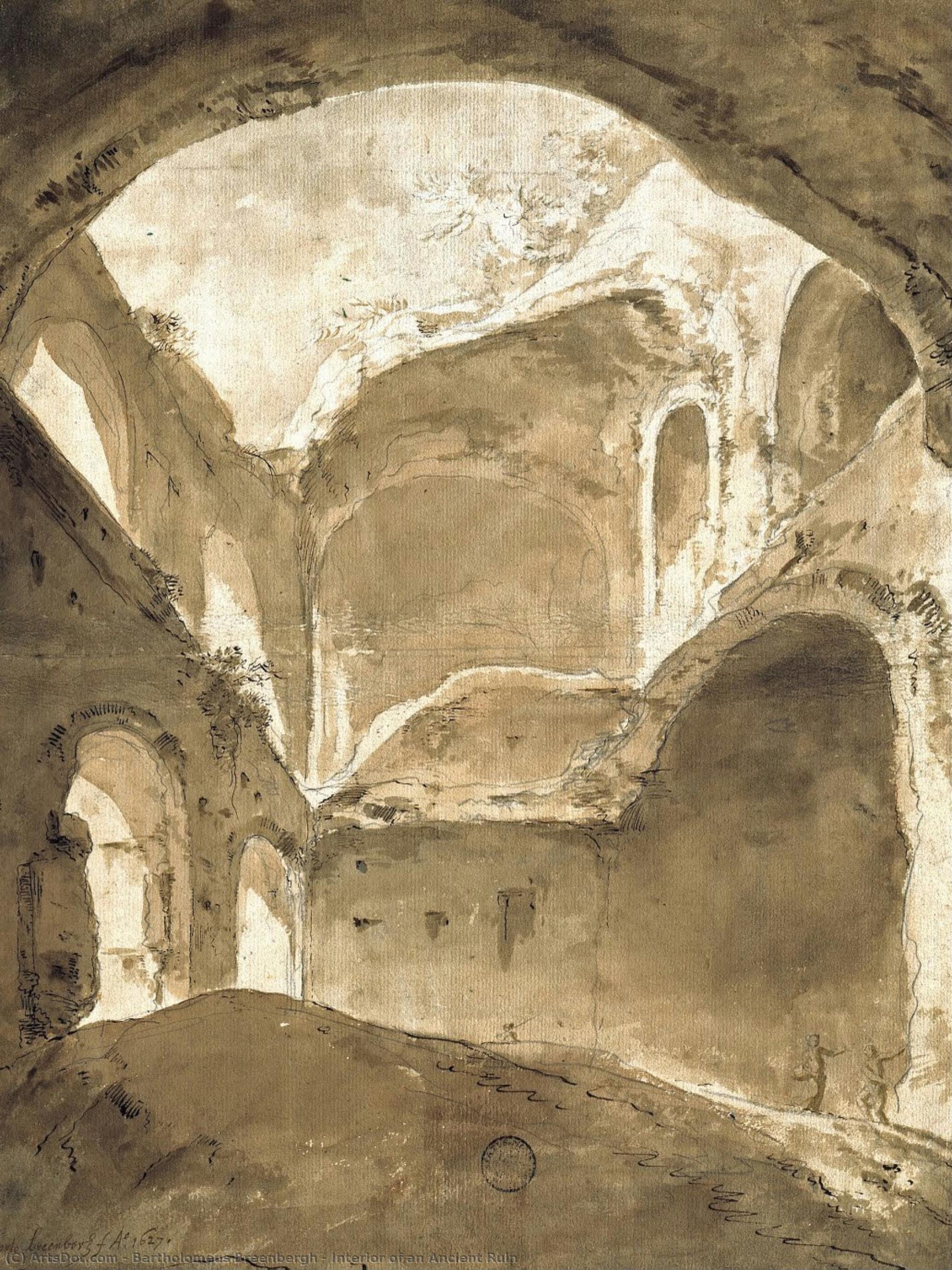
Interior of an Ancient Ruin
 Oil
Oil- WallArt
- Dutch Golden Age
 1627
1627- Early Modern
 401.0 x 527.0 cm
 Kunstpalast
 Leer más
Reproducción al óleo hecha a mano
Óleo sobre lienzo pintado a mano en el tamaño y marco de su elección, realizado por encargo por nuestros artistas. ( Pedir impresión Comprar descarga)




P118B $10

P118H $10

P118W $10

P438Z $10

P508JH $12

P508YH $12

P805H $10

P805Z $10

P919BZ $10

P919G $10

P919XJ $10

P959ZH $10

P968JZ $12

W106C $8

W218G $10

W218JH $8

W218Y $10

W307PJ $10

W316G $10

W316PJ $8

W316Y $10

W398PJ $8

W4111J $10

W500HY $15

W500JH $15

W692G $12

W849H $8

W940BG $15

W953PJ $8




Elija entre nuestros tamaños predefinidos que respetan las proporciones originales de la obra.

Puede ingresar sus propias dimensiones para adaptarse a un marco o espacio específico. Si el tamaño seleccionado no coincide con las proporciones de la imagen original, recortaremos la obra o extenderemos la pintura con elementos adicionales pintados a mano. Se le enviará una maqueta digital para su aprobación antes de comenzar la producción.
Tenga en cuenta que la vista previa en pantalla no refleja el recorte o la extensión reales. Solo la maqueta mostrará con precisión la composición final.
Si bien existen tamaños personalizados, recomendamos seleccionar una dimensión de la lista predefinida para preservar las proporciones originales.
Tras realizar el pedido, el equipo de ArtsDot.com enviará un correo electrónico al cliente para solicitar instrucciones y proporcionarle una vista previa del boceto.
Envío a todo el mundo () en 3-4 semanas en lugar de las 5 semanas estándar. (20 agosto). Sin comprometer la calidad.

Envío exprés gratuito a todo el mundo

Lienzo de lino de alta calidad

Seguro de envío completo

Garantía de reembolso de aranceles aduaneros

Garantía de fidelidad cromática exacta

Política de devolución de 60 días (solo por defectos)

Garantía de devolución del 100% del dinero

Oferta por volumen
 La opción de vidrio solo está disponible en tamaños inferiores a 110 cm.

Interior of an Ancient Ruin
Técnica de reproducción
Tamaño de la reproducción
-


Precio total
$ 263
Descripción de la obra
A Portal to Antiquity: The Silent Majesty of Breenbergh’s Ruins
In the quiet, monochromatic depths of Bartholomeus Breenbergh’s Interior of an Ancient Ruin, time seems to suspend its forward march. Created in 1627, this evocative masterpiece invites the viewer to step through crumbling archways and into a world where the grandeur of the past lingers in every shadow. The painting serves as more than a mere depiction of stone and mortar; it is a profound meditation on the passage of time and the enduring spirit of classical civilization. Through a masterful use of light and shadow, Breen_bergh captures the skeletal remains of an era long gone, transforming architectural decay into a stage for quiet contemplation.
The composition is a triumph of depth and atmospheric perspective. As the eye wanders through the labyrinthine structure, it encounters a series of majestic pillars and soaring arches that frame the void. The artist utilizes a sophisticated tonal range to guide the gaze, leading us from the heavy, textured foreground into the ethereal light filtering through distant doorways. Within this architectural skeleton, small, delicate details breathe life into the stillness: two solitary figures wander through the halls, their presence emphasizing the immense scale of the ruins, while birds flit near the upper reaches of the stone vaults. These living elements provide a poignant contrast to the inanimate, weathered stone, reminding us of the cycle of life amidst the permanence of history.
The Italianate Vision and Technical Mastery
Breenbergh was a pivotal figure in the Dutch Golden Age, known for his ability to bridge the rugged realism of Northern landscapes with the idealized, sun-drenched elegance of the Italianate style. In this particular work, we see the influence of his Roman sojourn reflected in the way he treats light. The technique is remarkably precise; even within a limited palette, there is an incredible sense of texture—the roughness of aged limestone, the coolness of shaded alcoves, and the soft, diffused glow of daylight hitting a distant wall. This mastery of chiaroscuro creates a sculptural quality that makes the ruins feel tangible, as if one could reach out and touch the cold, ancient surfaces.
For the discerning collector or interior designer, this piece offers an unparalleled sense of gravitas and intellectual depth. The monochromatic approach lends the work a timeless, sophisticated aesthetic that integrates seamlessly into both classical and contemporary environments. It is a painting that does not merely decorate a wall but commands the atmosphere of a room, providing a focal point that encourages slow looking and deep thought. Whether placed in a grand library or a minimalist gallery space, Interior of an Ancient Ruin acts as a window into the sublime, offering a sense of historical continuity and a quiet, melancholic beauty that resonates across the centuries.
Obras relacionadas
Biografía del artista
Primeros Años y Formación
- Nombre: Bartholomeus Breenbergh
- Nacimiento: Antes del 13 de noviembre de 1598, en Deventer, Países Bajos
- Fallecimiento: Después del 3 de octubre de 1657, en Ámsterdam, Países Bajos
- Los detalles de su vida temprana son escasos. La familia se mudó a Hoorn después de la muerte de su padre en 1607.
- Fue contemporáneo de Jacques Waben y probablemente recibió una formación inicial allí.
- Maestros registrados incluyen Pieter Lastman y Jacob Symonsz Pynas.
Carrera: Roma y el Estilo Italianizante
- Se registró por primera vez como pintor en Ámsterdam en 1619.
- En 1619, viajó a Roma, donde residió hasta aproximadamente 1630.
- Trabajó con el pintor flamenco Frans van de Kasteele y fue fuertemente influenciado por Paul Bril.
- Desarrolló un estilo distintivo de paisaje italianizante, caracterizado por representaciones idealizadas de la Campagna romana (campo).
- Influenciado por los paisajes de Cornelis van Poelenburgh; sus estilos se volvieron difíciles de distinguir a veces.
- Se convirtió en uno de los fundadores de los Bentvueghels ("Gremio de Pintores") en Roma, ganándose el apodo "het fret" (la comadreja).
Regreso a Ámsterdam y Desarrollo Artístico
- Regresó a Ámsterdam alrededor de 1630.
- Se casó en 1633 y recibió un salario anual del rey Carlos I de Gran Bretaña.
- Su obra comenzó a incorporar figuras mitológicas y bíblicas en paisajes italianos, influenciado por artistas como Pieter Lastman.
- Desarrolló un estilo más monumental con tipos de figuras expresivas.
- El único alumno registrado fue Jan de Bisschop, quien estudió con él en la década de 1640.
Influencias y Legado
- Influencias: Pieter Lastman, Nicolaes Moeyaert, Paul Bril, Cornelis van Poelenburgh, Claude Lorrain.
- Influencia sobre Otros: Jan Linsen, Scipione Compagno, Laurens Barata, Charles Cornelisz. de Hooch, Pieter Anthonisz. van Groenewegen, Francois van Knibbergen y Catharina van Knibbergen.
- Breenbergh fue una figura clave en el desarrollo del estilo paisajístico italianizante en los Países Bajos.
- Su obra ayudó a popularizar las representaciones de ruinas clásicas y paisajes idealizados entre los artistas europeos del norte.
- Puenteó la brecha entre los maestros holandeses anteriores y los pintores paisajísticos posteriores, más refinados.
Significado Histórico
- La contribución de Breenbergh radica en su papel pionero en el establecimiento del estilo italianizante dentro del arte holandés.
- Su capacidad para sintetizar influencias de varios artistas – Lastman, Moeyaert, Bril, Poelenburgh – creó una voz artística única y reconocible.
- Jugó un papel significativo en la configuración de las preferencias estéticas de la Edad de Oro holandesa, inspirando a generaciones posteriores de pintores paisajistas.
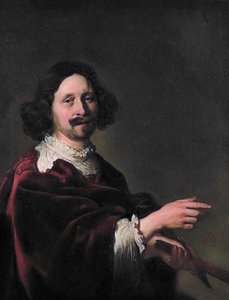
Bartholomeus Breenbergh
1598 - 1657 , Países Bajos
Datos clave
- Artistas Influenciados:
- Claude Lorrain
- Jan Linsen
- Artistas Que Influyeron:
- Paul Bril
- Cornelis van Poelenburgh
- Pieter Lastman
- Fecha De Fallecimiento: 1657-10-05
- Fecha De Nacimiento: 1598-11-13
- Lugar De Nacimiento: Deventer, Países Bajos
- Movimiento Artístico: Paisaje clasicista italiano
- Nacionalidad: Holandés
- Nombre Completo: Bartholomeus Breenbergh
Artículos relacionados

Blanco Sublime: Los 10 Cuadros Más Famosos Dominados por la Luz y el Color
Descubre los 10 cuadros blancos más emblemáticos de la historia del arte. Explora Monet, Van Gogh y Klimt, y su magistral uso de la luz y el color. Encuentra reproducciones de alta calidad e inspírate para tu decoración en .

Monochrome Visions: Exploring the Aesthetic & Historical Significance of Black & White Photography
Explore the rich history & artistic power of black and white photography. From early techniques to iconic masters like Ansel Adams, discover why monochrome continues to captivate art lovers today. Expert insights for collectors.

Las 10 Pinturas Más Famosas Dominadas por el Negro | Arte y Decoración
Descubre las 10 pinturas más impactantes dominadas por el negro. Explora obras maestras de Rembrandt, Goya y Rothko, su historia y significado. Encuentra reproducciones de arte exclusivas para transformar tu hogar en .

Chromatic Absence: Exploring the Aesthetic Power of Black & White Art
Explore the captivating world of monochrome art! Discover its rich history, influential artists like Malevich & Klein, and profound emotional impact. Expert insights for collectors & design enthusiasts.
Monocromía Magistral: 10 Obras de Arte que Inspiran tu Decoración
Descubre 10 obras maestras del arte monocromático: de Yves Klein a Rothko. Explora la historia, técnica y el impacto emocional de lienzos en blanco y negro. Encuentra reproducciones de alta calidad para tu hogar en .