 Ver en contexto
 Enviar
 Compartir
 Detalles

 Descargar
 Similares
 Radiografía
 Presentación de diapositivas
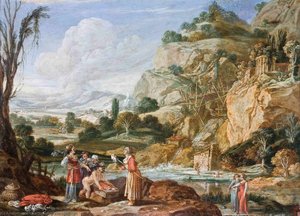
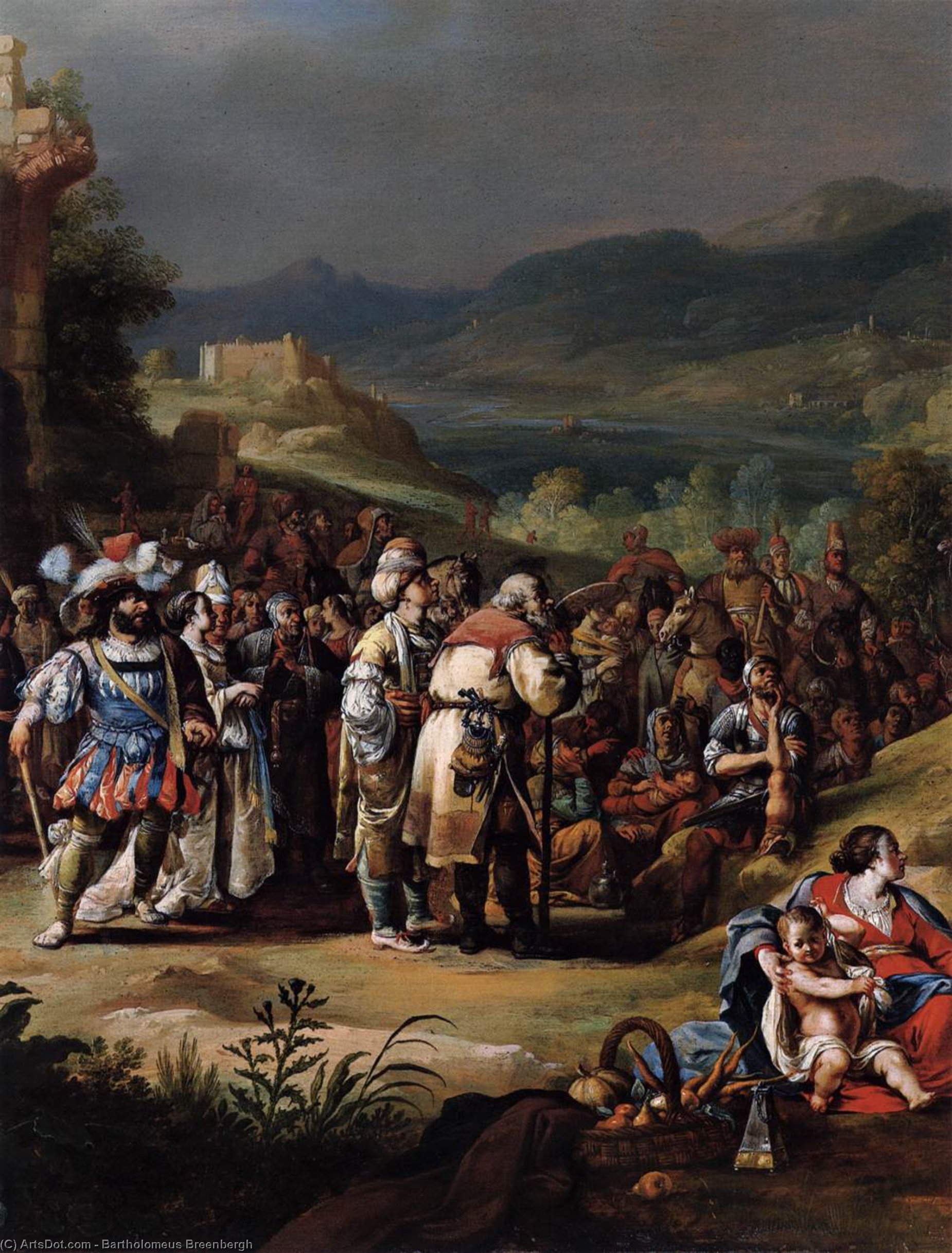
The Preaching of St John the Baptist (detail)


 Ver más
Reproducción al óleo hecha a mano
Óleo sobre lienzo pintado a mano en el tamaño y marco de su elección, realizado por encargo por nuestros artistas. ( Comprar impresión Comprar imagen)




P118B $10

P118H $10

P118W $10

P438Z $10

P508JH $12

P508YH $12

P805H $10

P805Z $10

P919BZ $10

P919G $10

P919XJ $10

P959ZH $10

P968JZ $12

W106C $8

W218G $10

W218JH $8

W218Y $10

W307PJ $10

W316G $10

W316PJ $8

W316Y $10

W398PJ $8

W4111J $10

W500HY $15

W500JH $15

W692G $12

W849H $8

W940BG $15

W953PJ $8




Elija entre nuestros tamaños predefinidos que respetan las proporciones originales de la obra.

Puede ingresar sus propias dimensiones para adaptarse a un marco o espacio específico. Si el tamaño seleccionado no coincide con las proporciones de la imagen original, recortaremos la obra o extenderemos la pintura con elementos adicionales pintados a mano. Se le enviará una maqueta digital para su aprobación antes de comenzar la producción.
Tenga en cuenta que la vista previa en pantalla no refleja el recorte o la extensión reales. Solo la maqueta mostrará con precisión la composición final.
Si bien existen tamaños personalizados, recomendamos seleccionar una dimensión de la lista predefinida para preservar las proporciones originales.
Tras realizar el pedido, el equipo de ArtsDot.com enviará un correo electrónico al cliente para solicitar instrucciones y proporcionarle una vista previa del boceto.
Envío a todo el mundo () en 3-4 semanas en lugar de las 5 semanas estándar. (27 agosto). Sin comprometer la calidad.

Envío exprés gratuito a todo el mundo

Lienzo de lino de alta calidad

Seguro de envío total

Garantía de reembolso de impuestos aduaneros

Garantía de fidelidad cromática exacta

Política de devolución de 60 días (solo por defectos)

Garantía de devolución del 100% del dinero

Descuento por cantidad
 La opción de vidrio solo está disponible en tamaños inferiores a 110 cm.

The Preaching of St John the Baptist (detail)
Técnica de reproducción
Dimensiones de la reproducción
-


Precio total final
$ 263
Descripción de la obra
The Preaching of St John the Baptist – A Masterpiece of Dutch Baroque
Bartholomeus Breenbergh’s “The Preaching of St John the Baptist,” completed in 1634, stands as a testament to the artistic fervor of the Dutch Golden Age and embodies the ideals of Italianate landscape painting championed by Pieter Lastman. Acquired by The Annenberg Foundation Gift in 1991 and housed within the Metropolitan Museum of Art’s European Paintings department, this panel offers an unparalleled glimpse into the visual language of its era.
The painting depicts Saint John preaching in the wilderness – a motif frequently employed by Dutch artists as an allegory for Protestant worship during Spain’s dominion over the Netherlands. Unlike many contemporary depictions that prioritized literal accuracy, Breenbergh skillfully blended biblical drama with meticulously rendered Italian landscapes, reflecting Lastman's influence and aligning with prevailing artistic trends.
Detailed Composition & Technique
Measuring 21 1/2 x 29 5/8 inches (54.6 x 75.2 cm), the artwork showcases Breenbergh’s masterful command of oil paint on wood. The artist employed a pyramidal composition, drawing inspiration from Renaissance precedents and prioritizing clarity and balance. Observe the careful delineation of figures—primarily Saint John himself, accompanied by several soldiers—against a backdrop of towering mountains bathed in soft sunlight.
Breenbergh’s technique is characterized by subtle gradations of color and meticulous attention to detail. He skillfully captured the textures of stone and foliage, creating an immersive experience for the viewer. The artist's use of chiaroscuro—the dramatic interplay between light and shadow—further enhances the painting’s expressive power, emphasizing Saint John’s solemn posture and conveying a sense of spiritual contemplation.
Symbolism & Context
Beyond its aesthetic beauty, “The Preaching of St John the Baptist” resonates with profound symbolic meaning. The mountainous landscape represents the wilderness—a place of solitude and pilgrimage—where John proclaimed his message of repentance and baptism. Saint John’s posture embodies humility and devotion, mirroring the spiritual aspirations of Protestant Christians during a period marked by religious conflict.
The inclusion of soldiers underscores the political tensions simmering beneath the surface of Dutch society. They serve as a reminder that faith was inextricably linked to power and governance in this era. Furthermore, Breenbergh’s stylistic choices—particularly his embrace of Italian landscape conventions—demonstrate his engagement with the intellectual currents circulating throughout Europe.
A Legacy of Artistic Innovation
Breenbergh's "The Preaching of St John the Baptist" is a cornerstone of Dutch Baroque art, marking a pivotal moment in the artistic evolution of the Netherlands. It exemplifies Lastman’s dramatic narrative flair and foreshadows Rembrandt’s groundbreaking approach to portraiture—two artists who profoundly shaped the visual culture of their time.
The painting's enduring appeal lies not only in its technical brilliance but also in its ability to evoke a powerful emotional response. Its serene grandeur invites contemplation, prompting viewers to reflect on themes of faith, humility, and spiritual transformation. Today, reproductions of this masterpiece continue to inspire artists and collectors alike—a testament to Breenbergh’s artistic genius and the enduring legacy of Dutch Baroque.
Obras relacionadas

Biografía del artista
Primeros Años y Formación
- Nombre: Bartholomeus Breenbergh
- Nacimiento: Antes del 13 de noviembre de 1598, en Deventer, Países Bajos
- Fallecimiento: Después del 3 de octubre de 1657, en Ámsterdam, Países Bajos
- Los detalles de su vida temprana son escasos. La familia se mudó a Hoorn después de la muerte de su padre en 1607.
- Fue contemporáneo de Jacques Waben y probablemente recibió una formación inicial allí.
- Maestros registrados incluyen Pieter Lastman y Jacob Symonsz Pynas.
Carrera: Roma y el Estilo Italianizante
- Se registró por primera vez como pintor en Ámsterdam en 1619.
- En 1619, viajó a Roma, donde residió hasta aproximadamente 1630.
- Trabajó con el pintor flamenco Frans van de Kasteele y fue fuertemente influenciado por Paul Bril.
- Desarrolló un estilo distintivo de paisaje italianizante, caracterizado por representaciones idealizadas de la Campagna romana (campo).
- Influenciado por los paisajes de Cornelis van Poelenburgh; sus estilos se volvieron difíciles de distinguir a veces.
- Se convirtió en uno de los fundadores de los Bentvueghels ("Gremio de Pintores") en Roma, ganándose el apodo "het fret" (la comadreja).
Regreso a Ámsterdam y Desarrollo Artístico
- Regresó a Ámsterdam alrededor de 1630.
- Se casó en 1633 y recibió un salario anual del rey Carlos I de Gran Bretaña.
- Su obra comenzó a incorporar figuras mitológicas y bíblicas en paisajes italianos, influenciado por artistas como Pieter Lastman.
- Desarrolló un estilo más monumental con tipos de figuras expresivas.
- El único alumno registrado fue Jan de Bisschop, quien estudió con él en la década de 1640.
Influencias y Legado
- Influencias: Pieter Lastman, Nicolaes Moeyaert, Paul Bril, Cornelis van Poelenburgh, Claude Lorrain.
- Influencia sobre Otros: Jan Linsen, Scipione Compagno, Laurens Barata, Charles Cornelisz. de Hooch, Pieter Anthonisz. van Groenewegen, Francois van Knibbergen y Catharina van Knibbergen.
- Breenbergh fue una figura clave en el desarrollo del estilo paisajístico italianizante en los Países Bajos.
- Su obra ayudó a popularizar las representaciones de ruinas clásicas y paisajes idealizados entre los artistas europeos del norte.
- Puenteó la brecha entre los maestros holandeses anteriores y los pintores paisajísticos posteriores, más refinados.
Significado Histórico
- La contribución de Breenbergh radica en su papel pionero en el establecimiento del estilo italianizante dentro del arte holandés.
- Su capacidad para sintetizar influencias de varios artistas – Lastman, Moeyaert, Bril, Poelenburgh – creó una voz artística única y reconocible.
- Jugó un papel significativo en la configuración de las preferencias estéticas de la Edad de Oro holandesa, inspirando a generaciones posteriores de pintores paisajistas.
Bartholomeus Breenbergh
1598 - 1657 , Países Bajos
Datos clave
- Artistas Influenciados:
- Claude Lorrain
- Jan Linsen
- Artistas Que Influyeron:
- Paul Bril
- Cornelis van Poelenburgh
- Pieter Lastman
- Fecha De Fallecimiento: 1657-10-05
- Fecha De Nacimiento: 1598-11-13
- Lugar De Nacimiento: Deventer, Países Bajos
- Movimiento Artístico: Paisaje clasicista italiano
- Nacionalidad: Holandés
- Nombre Completo: Bartholomeus Breenbergh
Artículos relacionados
Nicolaes Berchem: Dutch Golden Age Pastoralism & the Evolution of Landscape Painting
Explore the captivating world of Nicolaes Berchem, a leading Dutch Golden Age painter. Discover his idyllic landscapes, masterful technique & lasting influence on art history. Learn more at ArtsDot.

Los 10 Maestros del Siglo de Oro Holandés: Arte, Historia y Decoración Exclusiva
Descubre los 10 imprescindibles del Siglo de Oro Holandés: Rembrandt, Vermeer y más. Explora la historia, técnica y belleza de estos lienzos clásicos. Encuentra reproducciones de arte exclusivas para decorar tu hogar en .
Golden Light & Dutch Skies: Bringing the Magic of Dutch Golden Age Landscapes into Your Home
Transform your home with the breathtaking light of Dutch Golden Age landscapes. Discover how hand-painted oil reproductions of masterworks like Ruisdael and Vermeer bring timeless elegance, atmosphere, and soulful texture to modern interiors. Elevate your space with museum-quality art.
Charles Leickert: Capturing the Dutch Golden Age Light – A Comprehensive Study of Technique, Context, and Legacy
Explore the captivating winter landscapes of Charles Leickert, a master of Dutch Golden Age light & atmosphere. Discover his techniques, symbolism, and lasting legacy – a comprehensive study for art enthusiasts and collectors.

Reflejos de una Época Dorada: La Pintura Barroca Holandesa y la Innovación Cultural
Descubra la riqueza y el detalle de la pintura barroca holandesa del Siglo de Oro. Explore las obras maestras de Rembrandt, Vermeer y otros artistas clave. Análisis experto e historia cultural.