 Ver en contexto
 Enviar
 Compartir
 Detalles

 Descargar
 Similares
 Radiografía
 Presentación de diapositivas
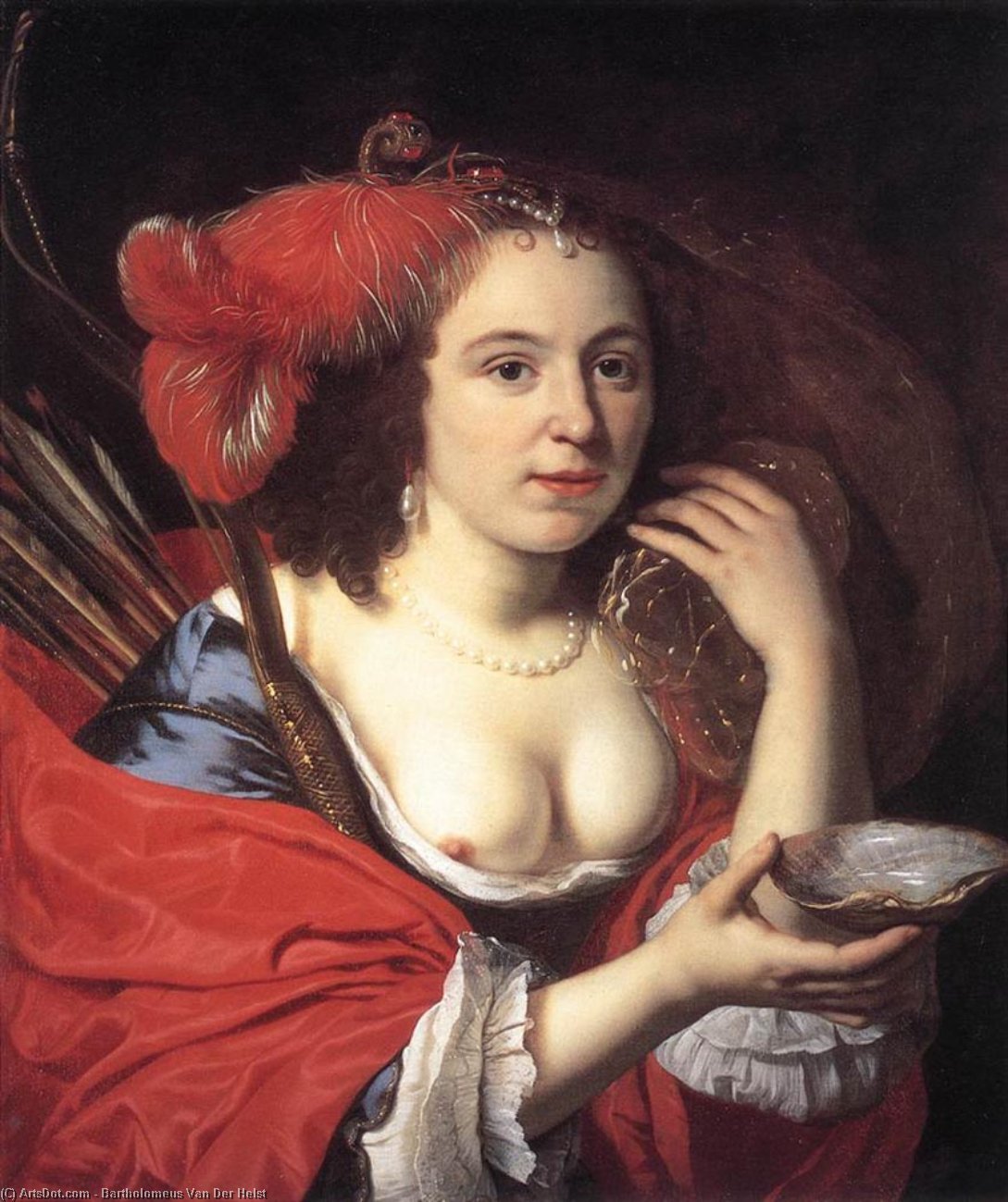
Anna du Pire as Granida
 Acrylic On Canvas
- WallArt
- Baroque Dutch Painting
 1660
1660 70.0 x 58.0 cm
 Národní Galerie
 Ver más
Reproducción al óleo hecha a mano
Óleo sobre lienzo pintado a mano en el tamaño y marco de su elección, realizado por encargo por nuestros artistas. ( Comprar impresión Comprar imagen)




P118B $10

P118H $10

P118W $10

P438Z $10

P508JH $12

P508YH $12

P805H $10

P805Z $10

P919BZ $10

P919G $10

P919XJ $10

P959ZH $10

P968JZ $12

W106C $8

W218G $10

W218JH $8

W218Y $10

W307PJ $10

W316G $10

W316PJ $8

W316Y $10

W398PJ $8

W4111J $10

W500HY $15

W500JH $15

W692G $12

W849H $8

W940BG $15

W953PJ $8




Elija entre nuestros tamaños predefinidos que respetan las proporciones originales de la obra.

Puede ingresar sus propias dimensiones para adaptarse a un marco o espacio específico. Si el tamaño seleccionado no coincide con las proporciones de la imagen original, recortaremos la obra o extenderemos la pintura con elementos adicionales pintados a mano. Se le enviará una maqueta digital para su aprobación antes de comenzar la producción.
Tenga en cuenta que la vista previa en pantalla no refleja el recorte o la extensión reales. Solo la maqueta mostrará con precisión la composición final.
Si bien existen tamaños personalizados, recomendamos seleccionar una dimensión de la lista predefinida para preservar las proporciones originales.
Tras realizar el pedido, el equipo de ArtsDot.com enviará un correo electrónico al cliente para solicitar instrucciones y proporcionarle una vista previa del boceto.
Envío a todo el mundo () en 3-4 semanas en lugar de las 5 semanas estándar. (23 agosto). Sin comprometer la calidad.

Envío exprés gratuito a todo el mundo

Lienzo de lino de alta calidad

Seguro de envío total

Garantía de reembolso de impuestos aduaneros

Garantía de fidelidad cromática exacta

Política de devolución de 60 días (solo por defectos)

Garantía de devolución del 100% del dinero

Descuento por cantidad
 La opción de vidrio solo está disponible en tamaños inferiores a 110 cm.

Anna du Pire as Granida
Técnica de reproducción
Dimensiones de la reproducción
-


Precio total final
$ 263
Descripción de la obra
Anna du Pire as Granida: A Dutch Golden Age Portrait of Intrigue and Grace
Bartholomeus van der Helst’s “Anna du Pire as Granida,” painted in 1660, is more than just a portrait; it's a captivating tableau vivant—a frozen moment brimming with narrative potential. This exquisite oil on canvas, measuring 70 x 58 cm and currently residing within the collection of the Rijksmuseum in Amsterdam, offers a rare glimpse into the opulent world of 17th-century Dutch society and the artist’s masterful command of light, composition, and psychological depth. The painting immediately draws the eye to its subject: Anna du Pire, a young woman radiating an almost ethereal beauty amidst a carefully constructed scene that speaks volumes about her status and the artistic conventions of the time.
Van der Helst, a leading figure of Amsterdam’s Golden Age, was renowned for his dramatic group portraits – *schuttersstukken* – commissioned by civic guilds and wealthy patrons. These works weren't merely depictions of individuals; they were elaborate narratives designed to showcase the sitter’s virtues, social standing, and often, their connection to significant historical events or mythological tales. “Anna du Pire as Granida” adheres to this tradition, seamlessly blending portraiture with elements of pastoral romance. The painting’s genesis lies in Pieter Cornelisz Hooft's celebrated play, *Granida*, a tale of a lost princess who is rescued by a shepherd – a story that provided the perfect framework for Van der Helst’s artistic vision.
The Symbolism of Costume and Gesture
Anna du Pire is presented as Granida, the titular heroine, dressed in a lavish costume that simultaneously celebrates her aristocratic status and alludes to the play's narrative. She wears a flowing red gown adorned with intricate embroidery and embellished with pearls – symbols of wealth and refinement. Her posture, poised yet relaxed, suggests both grace and confidence. Crucially, she holds a bow and arrows, not as a hunter, but as emblems of her rescue by the shepherd, Daiphilus, who is depicted as a young man in the painting’s background, rendered with meticulous detail and presented as her husband. This deliberate pairing underscores the central theme of the play: a noblewoman rescued from adversity by a humble hero – a potent metaphor for social mobility and romantic love.
The inclusion of an umbrella and arrows further reinforces this narrative. These elements are direct references to *Granida*, adding layers of symbolic meaning to the composition. The overall effect is one of carefully orchestrated visual storytelling, inviting the viewer to engage with the painting’s hidden depths and appreciate Van der Helst's skill in weaving together portraiture, allegory, and historical allusion.
Technique and Artistic Style
Van der Helst’s technical prowess is immediately evident in “Anna du Pire as Granida.” The artist employs a dramatic chiaroscuro – the skillful manipulation of light and shadow – to create a sense of depth and volume. Light dramatically illuminates Anna's face and upper body, drawing attention to her beauty while casting the background into relative darkness. This technique not only enhances the painting’s visual impact but also contributes to its overall mood of theatricality and drama.
The artist’s brushwork is remarkably precise and controlled, particularly in rendering the textures of the fabrics – the shimmering silk, the delicate pearls, and the smooth surface of Anna's skin. Van der Helst was a master of capturing the nuances of human expression, evident in Anna’s direct gaze towards the viewer—a rare intimacy within this genre. The composition is carefully balanced, with the figures arranged in a dynamic yet harmonious manner that guides the eye through the scene and reinforces its narrative power.
A Window into Dutch Society
“Anna du Pire as Granida” offers a valuable insight into the social and cultural landscape of 17th-century Amsterdam. The *schuttersstukken* commissioned by civic guilds were not merely decorative artworks; they served as powerful tools for promoting civic pride, celebrating military achievements, and reinforcing social hierarchies. Van der Helst’s portrait reflects this broader context, showcasing Anna du Pire as a symbol of wealth, virtue, and aristocratic lineage – qualities highly valued within the Dutch Golden Age.
The painting's enduring appeal lies in its ability to transcend its historical context and speak to universal themes of love, rescue, and social aspiration. It remains a testament to Van der Helst’s artistic genius and a captivating example of Dutch Golden Age portraiture—a timeless masterpiece that continues to fascinate and inspire art lovers today.
Obras relacionadas
Biografía del artista
Vida Temprana y Carrera
- Bartholomeus van der Helst nació en Ámsterdam, Países Bajos, en 1613.
- Comenzó su carrera como pintor a una edad temprana.
- Se cree que estuvo influenciado por las obras de otros pintores holandeses destacados, incluyendo Ferdinand Bol.
- Sus primeros trabajos mostraban un fuerte enfoque en el detalle y el realismo, lo cual se convirtió en una característica distintiva de su estilo.
Pintura de Retratos y Estilo
- Los retratos de Van der Helst se caracterizan por su elegancia y refinamiento.
- Era conocido por su habilidad para capturar la esencia de sus sujetos, a menudo representándolos con ropa y escenarios elaborados.
- Sus retratos eran muy solicitados por la élite adinerada de Ámsterdam.
- Frecuentemente representaba retratos grupales, mostrando múltiples figuras dentro de una sola composición.
Obras Principales y Logros
- Retratos de la Élite de Ámsterdam: Estos se encuentran en el Rijksmuseum de Ámsterdam.
- El Banquete en el Gremio de Arqueros en Celebración del Tratado de Münster (1648): Esta es considerada una de sus obras más celebradas, mostrando un gran retrato grupal con detalle y dinamismo notables. Ejemplifica su habilidad para capturar un sentido de ocasión y jerarquía social.
- Se convirtió en uno de los pintores de retratos líderes de Ámsterdam a mediados de la década de 1640, superando a Rembrandt en popularidad por un tiempo.
Influencias y Legado
- La influencia de Van der Helst puede verse en el trabajo de otros pintores holandeses, incluyendo Ludolf Bakhuizen, quien lo asistió en varias ocasiones.
- Su legado es evidente en los muchos retratos que pintó, ahora alojados en museos como el Rijksmuseum y ArtsDot.com.
- Contribuyó significativamente al desarrollo del retrato durante la Edad de Oro holandesa, estableciendo un estilo caracterizado por elegancia, detalle y un enfoque en capturar el carácter individual dentro de entornos grupales.
Vida Posterior y Muerte
- Van der Helst se casó con Anna du Pire en 1636. Tuvieron seis hijos, dos de los cuales sobrevivieron a la edad adulta.
- Alquiler una casa en el Walenpleintje en Ámsterdam alrededor de 1647 debido a la necesidad de un taller más grande.
- Su hijo, Lodewijk (1642-después de 1683), siguió los pasos de su padre como pintor.
- Bartholomeus van der Helst murió en Ámsterdam el 16 de diciembre de 1670.
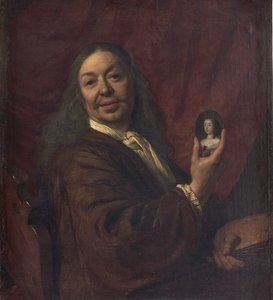
Bartolomé van der Helst
1613 - 1670 , Países Bajos
Datos clave
- Artistas Influenciados: ['Ludolf Bakhuizen']
- Artistas Que Influyeron:
- Ferdinand Bol
- Nicolaes Eliasz. Pickenoy
- Fecha De Fallecimiento: 1670
- Fecha De Nacimiento: 1613
- Lugar De Nacimiento: Haarlem, Países Bajos
- Movimiento Artístico: Barroco, Retratos
- Nacionalidad: Neerlandés
- Nombre Completo: Bartholomeus van der Helst
- Obras Notables:
- Retratos de la élite de Ámsterdam
- Banquete del gremio de arqueros
- Retrato de Andries Bicker
Artículos relacionados
Renacimiento Flamenco Temprano: 10 Obras Maestras que Cambiaron la Historia del Arte | ArtsDot
Descubre las 10 obras maestras del Renacimiento Flamenco Temprano. Explora la historia de Jan van Eyck, Robert Campin y más. Reproducciones de arte en ArtsDot.com para decorar tu hogar con belleza y elegancia. ¡Explora la colección online!
Hugo van der Goes: Devotion, Innovation & the Psychological Depth of Early Netherlandish Painting
Explore the revolutionary art of Hugo van der Goes – a master of Early Netherlandish painting renowned for his dramatic realism, psychological depth & profound influence on Renaissance artists. Discover his iconic works and lasting legacy.

Rembrandt van Rijn: Las 25 Obras Maestras que Definen un Genio | Arte, Historia y Decoración
Descubre las 25 obras maestras de Rembrandt van Rijn, el genio del barroco holandés. Explora su historia, técnica y simbolismo en retratos icónicos como 'La Ronda Nocturna'. Encuentra reproducciones de arte exclusivas para decorar tu hogar con ArtsDot.com.

Los 10 Maestros del Primitivo Flamenco: Obras que Definen un Arte Inigualable | ArtsDot
Descubre los 10 imprescindibles del Primitivo Flamenco: Jan van Eyck, Robert Campin y más. Explora la historia, simbolismo y técnica de estas obras maestras renacentistas tempranas. Encuentra reproducciones de arte de museo en ArtsDot.com.
Rogier van der Weyden: Emotion, Innovation & the Early Netherlandish Renaissance
Explore the revolutionary art of Rogier van der Weyden, a pivotal figure of the Early Netherlandish Renaissance. Discover his emotional realism, innovative compositions, and lasting impact on painting history.