 Ver en contexto
 Enviar
 Compartir
 Detalles

 Descargar
 Similares
 Radiografía
 Presentación de diapositivas
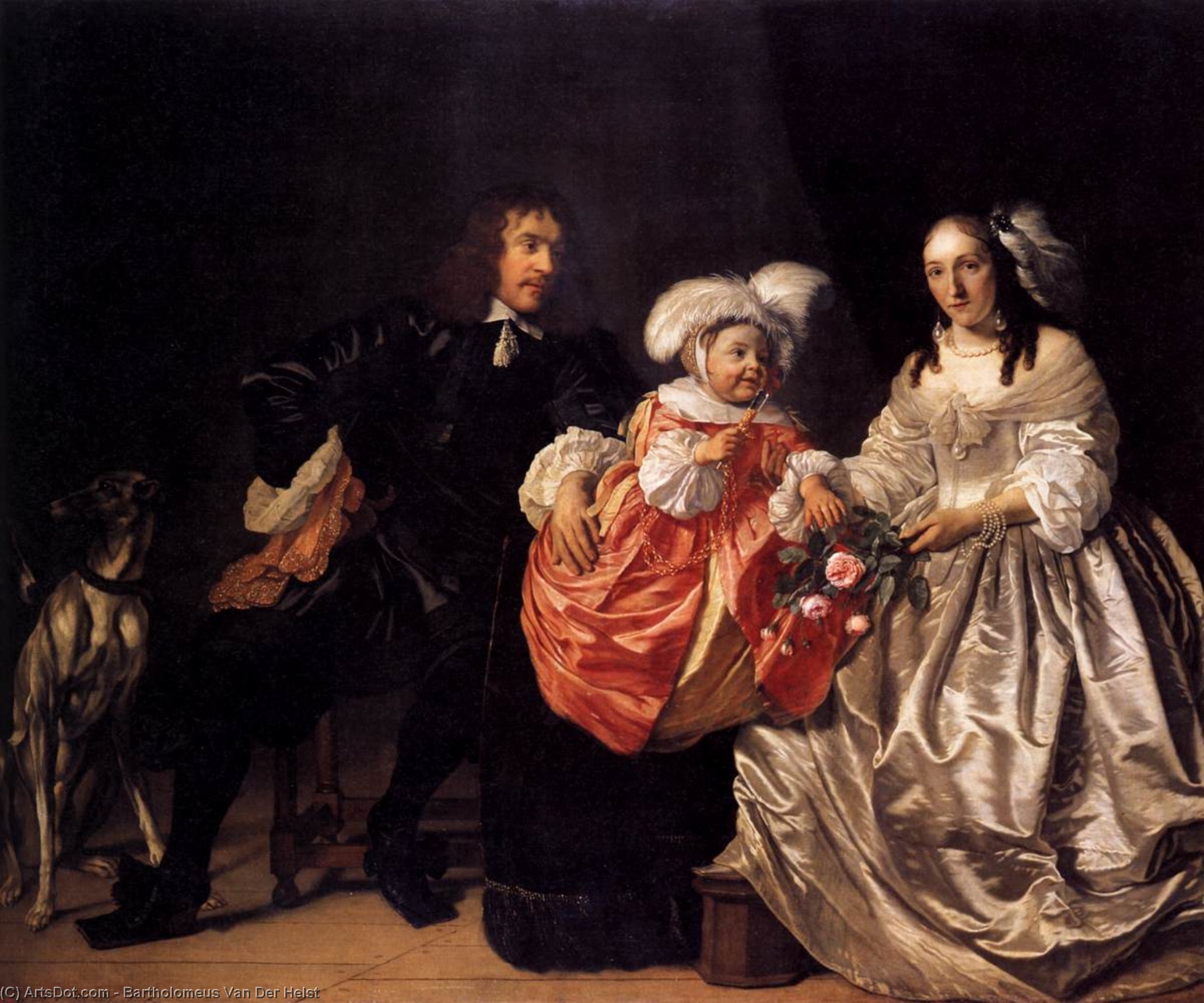
Pieter Lucaszn van de Venne with Anna de Carpentier and Child
 Oil On Canvas
- WallArt
- Baroque Classicism
 1652
1652- Early Modern
 188.0 x 227.0 cm
 Museo del Hermitage
 Ver más
Reproducción al óleo hecha a mano
Óleo sobre lienzo pintado a mano en el tamaño y marco de su elección, realizado por encargo por nuestros artistas. ( Comprar impresión Comprar imagen)




P118B $10

P118H $10

P118W $10

P438Z $10

P508JH $12

P508YH $12

P805H $10

P805Z $10

P919BZ $10

P919G $10

P919XJ $10

P959ZH $10

P968JZ $12

W106C $8

W218G $10

W218JH $8

W218Y $10

W307PJ $10

W316G $10

W316PJ $8

W316Y $10

W398PJ $8

W4111J $10

W500HY $15

W500JH $15

W692G $12

W849H $8

W940BG $15

W953PJ $8




Elija entre nuestros tamaños predefinidos que respetan las proporciones originales de la obra.

Puede ingresar sus propias dimensiones para adaptarse a un marco o espacio específico. Si el tamaño seleccionado no coincide con las proporciones de la imagen original, recortaremos la obra o extenderemos la pintura con elementos adicionales pintados a mano. Se le enviará una maqueta digital para su aprobación antes de comenzar la producción.
Tenga en cuenta que la vista previa en pantalla no refleja el recorte o la extensión reales. Solo la maqueta mostrará con precisión la composición final.
Si bien existen tamaños personalizados, recomendamos seleccionar una dimensión de la lista predefinida para preservar las proporciones originales.
Tras realizar el pedido, el equipo de ArtsDot.com enviará un correo electrónico al cliente para solicitar instrucciones y proporcionarle una vista previa del boceto.
Envío a todo el mundo () en 3-4 semanas en lugar de las 5 semanas estándar. (27 agosto). Sin comprometer la calidad.

Envío exprés gratuito a todo el mundo

Lienzo de lino de alta calidad

Seguro de envío total

Garantía de reembolso de impuestos aduaneros

Garantía de fidelidad cromática exacta

Política de devolución de 60 días (solo por defectos)

Garantía de devolución del 100% del dinero

Descuento por cantidad
 La opción de vidrio solo está disponible en tamaños inferiores a 110 cm.

Pieter Lucaszn van de Venne with Anna de Carpentier and Child
Técnica de reproducción
Dimensiones de la reproducción
-


Precio total final
$ 263
Descripción de la obra
A Symphony of Prosperity and Devotion
In the heart of the Dutch Golden Age, a period where burgeoning commerce and unparalleled creativity danced in perfect unison, Bartholomeus van der Helst captured more than just faces; he captured the very soul of an era. His 1652 masterpiece, Pieter Lucaszn van de Venne with Anna de Carpentier and Child, serves as a breathtaking window into the lives of Amsterdam’s elite. The painting presents a tableau of familial harmony, where the authoritative presence of the merchant Van de Venne is softened by the tender gesture of his arm around his wife, Anna. This intimate connection, paired with the innocent presence of their young son, transcends a mere family portrait to become an enduring symbol of civic virtue and domestic stability. The composition radiates a sense of quiet dignity, inviting the viewer to witness a moment of profound connection preserved in oil and canvas.
The Alchemy of Light and Detail
To gaze upon this work is to witness the technical brilliance of Van der Helst’s hand. Utilizing the dramatic technique of chiaroscuro, the artist orchestrates a masterful interplay between deep shadows and radiant highlights, lending an almost sculptural depth to the figures. Every brushstroke serves a purpose, from the meticulous rendering of the fine tie worn by Van de Venne to the delicate, luminous texture of the skin and the heavy, luxurious folds of the family's attire. The artist’s ability to layer paint achieves a surface texture that feels remarkably tactile, as if one could reach out and feel the weight of the fabric. Even the smallest details—the subtle presence of a dog in the corner or the bouquet held by Anna—are imbued with a sense of life and realism that draws the viewer into this 17th-century world. The way light dances across the canvas creates an atmosphere that is both grand and deeply personal.
Timeless Elegance for the Discerning Eye
For the collector or interior designer, this painting offers much more than historical interest; it provides a profound sense of prestige and narrative depth. The composition, characterized by its monumental scale and balanced arrangement, possesses a timeless quality that integrates seamlessly into sophisticated modern spaces. Whether featured in a grand hall or a curated study, a high-quality reproduction of this work brings with it the weight of history and the elegance of the Dutch masters. It is an invitation to surround oneself with art that celebrates not only wealth and status but also the enduring values of love, lineage, and the quiet beauty found in moments of togetherness. This piece remains a cornerstone for those seeking to infuse their environments with a sense of cultured permanence and artistic splendor.
Obras relacionadas

Biografía del artista
Vida Temprana y Carrera
- Bartholomeus van der Helst nació en Ámsterdam, Países Bajos, en 1613.
- Comenzó su carrera como pintor a una edad temprana.
- Se cree que estuvo influenciado por las obras de otros pintores holandeses destacados, incluyendo Ferdinand Bol.
- Sus primeros trabajos mostraban un fuerte enfoque en el detalle y el realismo, lo cual se convirtió en una característica distintiva de su estilo.
Pintura de Retratos y Estilo
- Los retratos de Van der Helst se caracterizan por su elegancia y refinamiento.
- Era conocido por su habilidad para capturar la esencia de sus sujetos, a menudo representándolos con ropa y escenarios elaborados.
- Sus retratos eran muy solicitados por la élite adinerada de Ámsterdam.
- Frecuentemente representaba retratos grupales, mostrando múltiples figuras dentro de una sola composición.
Obras Principales y Logros
- Retratos de la Élite de Ámsterdam: Estos se encuentran en el Rijksmuseum de Ámsterdam.
- El Banquete en el Gremio de Arqueros en Celebración del Tratado de Münster (1648): Esta es considerada una de sus obras más celebradas, mostrando un gran retrato grupal con detalle y dinamismo notables. Ejemplifica su habilidad para capturar un sentido de ocasión y jerarquía social.
- Se convirtió en uno de los pintores de retratos líderes de Ámsterdam a mediados de la década de 1640, superando a Rembrandt en popularidad por un tiempo.
Influencias y Legado
- La influencia de Van der Helst puede verse en el trabajo de otros pintores holandeses, incluyendo Ludolf Bakhuizen, quien lo asistió en varias ocasiones.
- Su legado es evidente en los muchos retratos que pintó, ahora alojados en museos como el Rijksmuseum y ArtsDot.com.
- Contribuyó significativamente al desarrollo del retrato durante la Edad de Oro holandesa, estableciendo un estilo caracterizado por elegancia, detalle y un enfoque en capturar el carácter individual dentro de entornos grupales.
Vida Posterior y Muerte
- Van der Helst se casó con Anna du Pire en 1636. Tuvieron seis hijos, dos de los cuales sobrevivieron a la edad adulta.
- Alquiler una casa en el Walenpleintje en Ámsterdam alrededor de 1647 debido a la necesidad de un taller más grande.
- Su hijo, Lodewijk (1642-después de 1683), siguió los pasos de su padre como pintor.
- Bartholomeus van der Helst murió en Ámsterdam el 16 de diciembre de 1670.
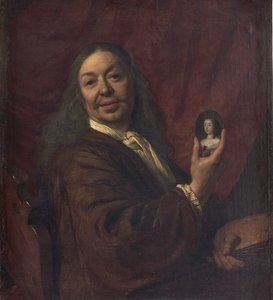
Bartolomé van der Helst
1613 - 1670 , Países Bajos
Datos clave
- Artistas Influenciados: ['Ludolf Bakhuizen']
- Artistas Que Influyeron:
- Ferdinand Bol
- Nicolaes Eliasz. Pickenoy
- Fecha De Fallecimiento: 1670
- Fecha De Nacimiento: 1613
- Lugar De Nacimiento: Haarlem, Países Bajos
- Movimiento Artístico: Barroco, Retratos
- Nacionalidad: Neerlandés
- Nombre Completo: Bartholomeus van der Helst
- Obras Notables:
- Retratos de la élite de Ámsterdam
- Banquete del gremio de arqueros
- Retrato de Andries Bicker
Artículos relacionados

Rembrandt van Rijn: Las 25 Obras Maestras que Definen un Genio | Arte, Historia y Decoración
Descubre las 25 obras maestras de Rembrandt van Rijn, el genio del barroco holandés. Explora su historia, técnica y simbolismo en retratos icónicos como 'La Ronda Nocturna'. Encuentra reproducciones de arte exclusivas para decorar tu hogar con ArtsDot.com.

Los 10 Maestros del Barroco Holandés: Obras que Definen una Época | ArtsDot
Descubre los 10 imprescindibles del Barroco holandés: Rembrandt, Vermeer y más. Explora la historia, técnica y belleza de estas obras maestras. Reproducciones de arte en ArtsDot.com para decorar tu hogar con elegancia.

Los 10 Maestros del Siglo de Oro Holandés: Arte, Historia y Decoración Exclusiva
Descubre los 10 imprescindibles del Siglo de Oro Holandés: Rembrandt, Vermeer y más. Explora la historia, técnica y belleza de estos lienzos clásicos. Encuentra reproducciones de arte exclusivas para decorar tu hogar en .

Reflejos de una Época Dorada: La Pintura Barroca Holandesa y la Innovación Cultural
Descubra la riqueza y el detalle de la pintura barroca holandesa del Siglo de Oro. Explore las obras maestras de Rembrandt, Vermeer y otros artistas clave. Análisis experto e historia cultural.
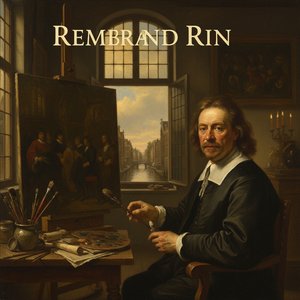
Rembrandt van Rijn: A Life Illuminated – Innovation, Emotion, and the Dutch Golden Age
Explore the life & art of Rembrandt van Rijn, a Dutch Golden Age master. Discover his innovative techniques, iconic paintings like 'The Night Watch', and enduring legacy. Expert insights for collectors & enthusiasts.