 Ver en contexto
 Enviar
 Compartir
 Detalles

 Descargar
 Similares
 Radiografía
 Presentación de diapositivas
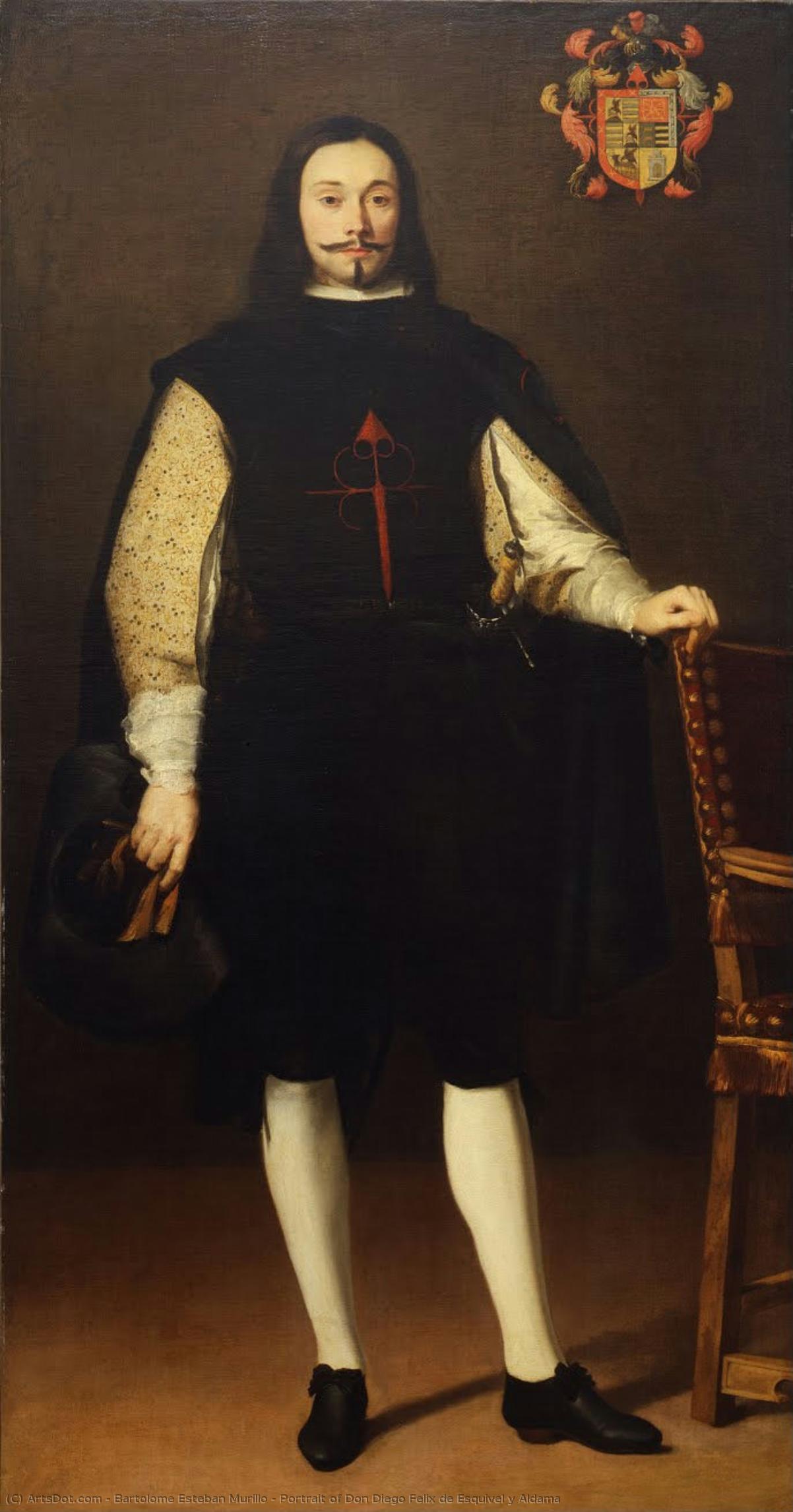
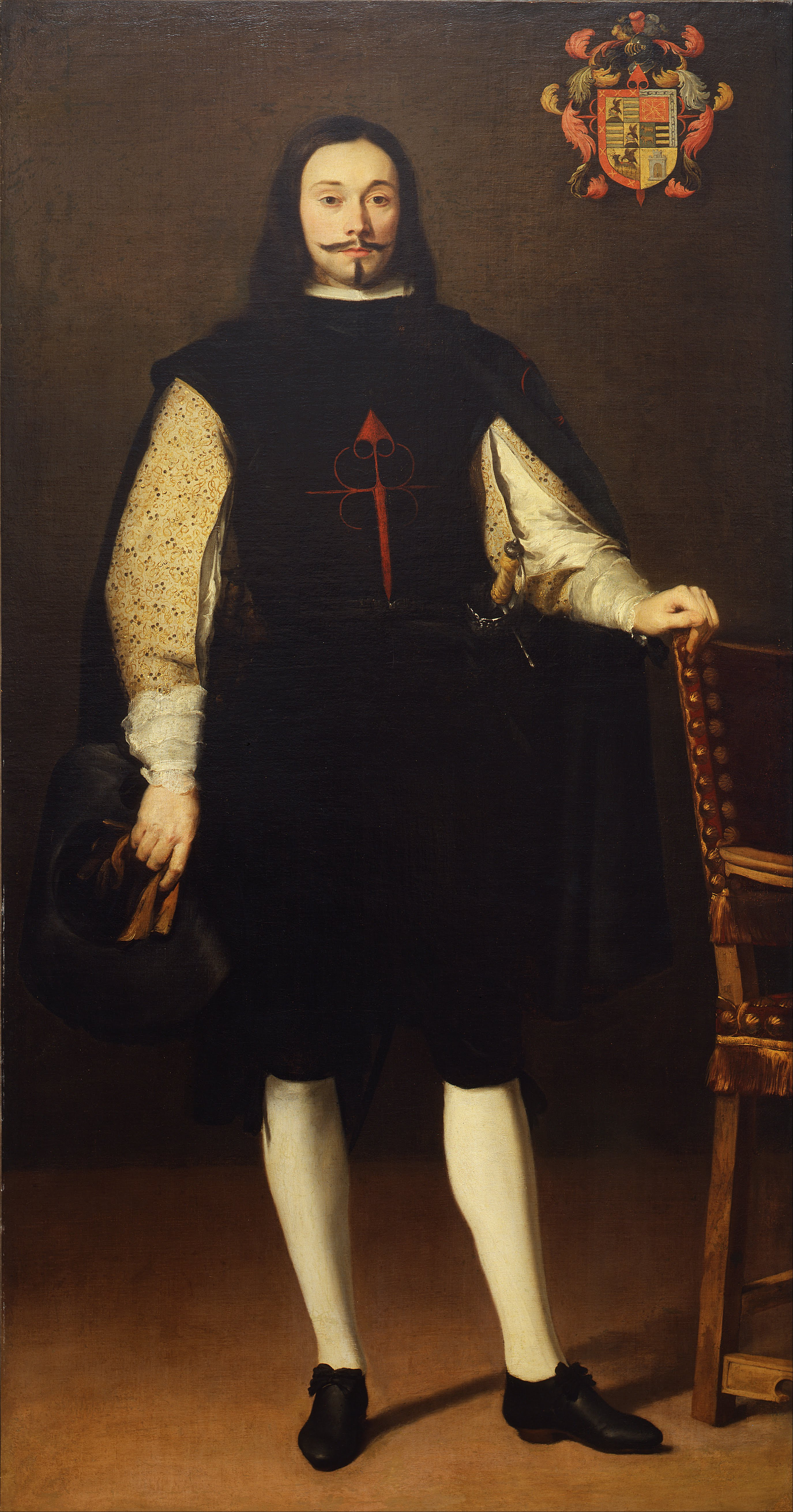
Portrait of Don Diego Felix de Esquivel y Aldama


 Ver más
Giclée / Impresión de arte
Impresiones giclée o en lienzo de calidad de museo con producción rápida y opciones de acabado flexibles. ( Comprar pintura hecha a mano Comprar imagen)




P118B $10

P118H $10

P118W $10

P438Z $10

P508JH $12

P508YH $12

P805H $10

P805Z $10

P919BZ $10

P919G $10

P919XJ $10

P959ZH $10

P968JZ $12

W106C $8

W218G $10

W218JH $8

W218Y $10

W307PJ $10

W316G $10

W316PJ $8

W316Y $10

W398PJ $8

W4111J $10

W500HY $15

W500JH $15

W692G $12

W849H $8

W940BG $15

W953PJ $8




Elija entre nuestros tamaños predefinidos que respetan las proporciones originales de la obra.

Puede introducir sus propias dimensiones para adaptarse a un marco o espacio específico. Si el tamaño seleccionado no coincide con las proporciones de la imagen original, recortaremos la obra de arte o extenderemos la imagen con un borde con efecto espejo o de color sólido. Se enviará una maqueta digital para su aprobación antes de que comience la producción.
Tenga en cuenta que la vista previa en pantalla no refleja el recorte o la extensión real. Solo la maqueta mostrará con precisión la composición final.
Aunque existen tamaños personalizados, recomendamos seleccionar una dimensión de la lista predefinida para preservar las proporciones originales.
Envío a todo el mundo () en 2 semanas en lugar de las 4/5 semanas estándar. (2 septiembre)

Envío exprés gratuito a todo el mundo

Lienzo de lino de alta calidad

Seguro de envío total

Garantía de reembolso de impuestos aduaneros

Garantía de fidelidad cromática exacta

Política de devolución de 60 días (solo por defectos)

Garantía de devolución del 100% del dinero

Descuento por cantidad
 La opción de vidrio solo está disponible en tamaños inferiores a 110 cm.

Portrait of Don Diego Felix de Esquivel y Aldama
Giclée / Impresión de arte
Dimensiones de la reproducción
-


Precio total final
$ 62
The Gaze and the Golden Light: Bartolomé Esteban Murillo’s Portrait
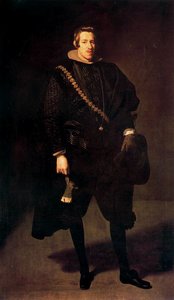
Bartolomé Esteban Murillo's “Portrait of Don Diego Felix de Esquivel y Aldama” is more than a simple likeness; it’s a carefully constructed tableau vivant, a window into the refined world of 17th-century Seville. Painted in 1660, this oil on canvas offers a glimpse into the social and artistic currents of Spain's Golden Age – a period defined by burgeoning wealth, religious fervor, and an exquisite appreciation for beauty. The painting immediately draws the eye to Don Diego’s direct gaze; it is not a polite, averted glance, but a deliberate engagement with the viewer, suggesting both confidence and perhaps a touch of melancholy. This intensity is masterfully achieved through Murillo's subtle manipulation of light and shadow – a technique deeply rooted in the Baroque tradition.
The Painter’s Palette: Technique and Style
Murillo's style is instantly recognizable – a harmonious blend of realism and idealized beauty. He eschewed the stark, dramatic lighting favored by earlier Baroque masters like Zurbarán, opting instead for a softer, more diffused illumination that bathes Don Diego in a warm, golden light. This “tenebrism,” as it’s often called, creates an atmosphere of intimacy and serenity. Notice how Murillo renders the textures – the velvet of his coat, the sheen of his hair, the delicate folds of his clothing. These details are rendered with remarkable precision, yet they never feel overly fussy or detailed. Instead, they contribute to a sense of tactile richness, inviting the viewer to almost reach out and touch the painting.
The composition itself is carefully balanced. Don Diego stands slightly off-center, creating a dynamic visual rhythm. The chair behind him – a simple, dark object – provides a grounding element, anchoring the figure within the space. The subtle use of color—rich browns, deep reds, and hints of gold—further enhances the painting’s luxurious feel. Murillo's mastery lies in his ability to capture not just the outward appearance of his subject but also something of his inner character.
A Seville of Wealth and Faith
To fully appreciate “Portrait of Don Diego Felix de Esquivel y Aldama,” it’s essential to understand the context in which it was created. Seville, at this time, was a thriving port city – the gateway to the Americas and a center of trade and wealth. The influx of gold and silver fueled an unprecedented economic boom, transforming the city into a dazzling metropolis filled with opulent palaces, grand churches, and bustling marketplaces. Religious faith permeated all aspects of life, and portraits like this one served not only as visual records but also as symbols of status and piety.
Don Diego’s attire—the richly embroidered coat, the elaborate hat—clearly indicates his social standing. The painting subtly reinforces this message, presenting him as a man of considerable means and influence. However, there's an underlying sense of quiet dignity in Don Diego’s demeanor that transcends mere material wealth. He embodies the values of the era – honor, loyalty, and faith – qualities highly prized by Spanish society.
Symbolism and Emotional Resonance
Beyond its surface beauty, “Portrait of Don Diego Felix de Esquivel y Aldama” is rich in symbolic meaning. The direct gaze invites contemplation, suggesting a depth of character beyond the visible. The pose itself—standing upright, shoulders squared—conveys confidence and self-assurance. While the painting offers no explicit narrative, it evokes a powerful sense of timelessness – a reminder that human emotions and aspirations remain remarkably consistent across centuries. It’s a portrait not just of a man, but of an era, captured in all its splendor and complexity.
Obras relacionadas

Biografía del artista
Primeros años y formación
Bartolomé Esteban Murillo, un destacado pintor barroco español, nació a finales de diciembre de 1617 en Sevilla, España y fue bautizado el 1 de enero de 1618. Era el hijo menor de Gaspar Esteban y María Pérez, con una familia de catorce hijos. Tras la muerte de sus padres en 1627 y 1628, Murillo se convirtió en pupilo de su cuñado, Juan Agustín Lagares. Murillo comenzó sus estudios artísticos en Sevilla bajo la tutela de Juan del Castillo, un pariente de su madre, quien también era artista. Sus primeras obras estuvieron influenciadas por el enfoque realista de Zurbarán, Jusepe de Ribera y Alonzo Cano.Evolución artística y estilo
El estilo artístico de Murillo evolucionó con el tiempo, inicialmente influenciado por la pintura flamenca y el "tratado sobre imágenes sagradas" de Molanus. A medida que maduró, su obra desarrolló un estilo pulido que se adaptaba a los gustos burgueses y aristocráticos de la época, particularmente en sus obras religiosas católicas romanas.- Joven con una cesta de fruta o personificación del verano (c. 1640-50), mostrando su enfoque realista temprano.
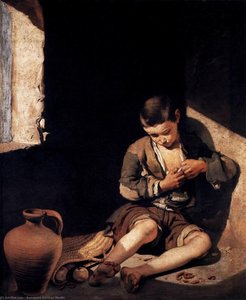
- El joven mendigo (c. 1645, Musée du Louvre, París, Francia), demostrando la influencia de Velázquez.
- San Jerónimo (c. 1650-52), ejemplificando su estilo maduro, suave y luminoso.
Obras destacadas y temas recurrentes
Murillo es reconocido por sus representaciones idealizadas de la Virgen María con el Niño Jesús, así como por sus escenas religiosas que transmiten una profunda devoción y serenidad. También pintó numerosos retratos de personajes contemporáneos, especialmente mujeres y niños, capturando la vida cotidiana de su época con realismo y ternura. Entre sus obras más famosas se encuentran "La Adoración de los Pastores", "El Niño Jesús distribuyendo pan a los peregrinos" y "San Agustín con la Virgen y el Niño". Su habilidad para crear atmósferas luminosas y personajes expresivos lo convirtió en uno de los pintores barrocos españoles más populares.Legado e influencia
Murillo tuvo numerosos alumnos y seguidores, asegurando su reputación en España y fama por toda Europa. Artistas influenciados por su estilo incluyen a Gainsborough y Greuze. Su enfoque en la representación realista y emotiva de temas religiosos y cotidianos dejó una huella duradera en el arte español y europeo. Explore más obras de Murillo en ArtsDot: * Bartolomé Esteban Murillo * Colección Andrés Blaisten (México) (con arte latinoamericano, incluyendo algunas obras influenciadas por el estilo de Murillo).Museos y colecciones
Las pinturas de Murillo se pueden encontrar en varios museos de todo el mundo, incluyendo:- El Museo del Prado (Madrid, España)
- El Hermitage Museum (San Petersburgo, Rusia)
- La Wallace Collection (Londres)
- El Timken Museum of Art (San Diego, con Cristo en la cruz)
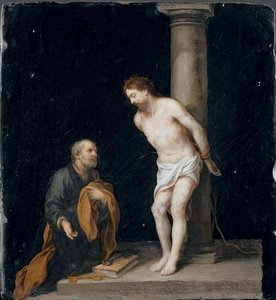
- El Krannert Art Museum (Champaign, Illinois, con Cristo después de la flagelación).
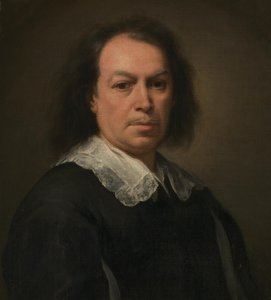
Bartolomé Esteban Murillo
1618 - 1682 , España
Datos clave
- Artistas Que Influyeron:
- Zurbarán
- Velázquez
- Ribera
- Cano
- Estilo Artístico: Barroco español
- Fecha De Muerte: 1682
- Fecha De Nacimiento: 1618
- Influencia En Artistas:
- Gainsborough
- Greuze
- Lugar De Nacimiento: Sevilla, España
- Nacionalidad: Española
- Nombre Completo: Bartolomé Esteban Murillo
- Obras Notables:
- Joven con cesta de fruta
- El joven mendigo
- San Jerónimo
- La Adoración de los Pastores
Artículos relacionados

The Golden Age Reforged: Dramatic Realism & Religious Zeal in Spanish Baroque Art
Explore the dramatic world of Spanish Baroque art! Discover masters like Zurbarán & the powerful influence of religious zeal on painting techniques – a guide for collectors and enthusiasts.
Bartolomé Esteban Murillo: Divine Light & Social Commentary in Golden Age Seville
Explore the captivating world of Bartolomé Esteban Murillo, a master of Spanish Baroque painting. Discover his luminous religious scenes, tender genre paintings & lasting legacy in Golden Age Seville. Learn more at ArtsDot.

The Dramatic Flourish: Exploring the Baroque Movement's Enduring Legacy in Art History
Explore the dramatic world of Baroque art! Discover iconic artists like Caravaggio & Rubens, defining techniques, and its lasting impact on art history. Expert insights for collectors & enthusiasts at ArtsDot.

Barroco Sublime: 10 Obras Maestras que Definieron una Época |
Descubre las 10 obras maestras del Barroco que marcaron una época. Caravaggio, Bernini y Velázquez cobran vida en . Reproducciones de arte de calidad museo para decorar tu hogar con elegancia. ¡Explora la colección online!

Drama Barroca: Llevando la Grandeza y la Emoción a los Interiores Contemporáneos
Descubre cómo el drama y la grandeza del arte barroco pueden transformar tus interiores. Guía experta, inspiración y reproducciones de alta calidad en .