

 Ver en contexto
 Enviar
 Compartir
 Detalles

 Descargar
 Similares
 Radiografía
 Presentación de diapositivas
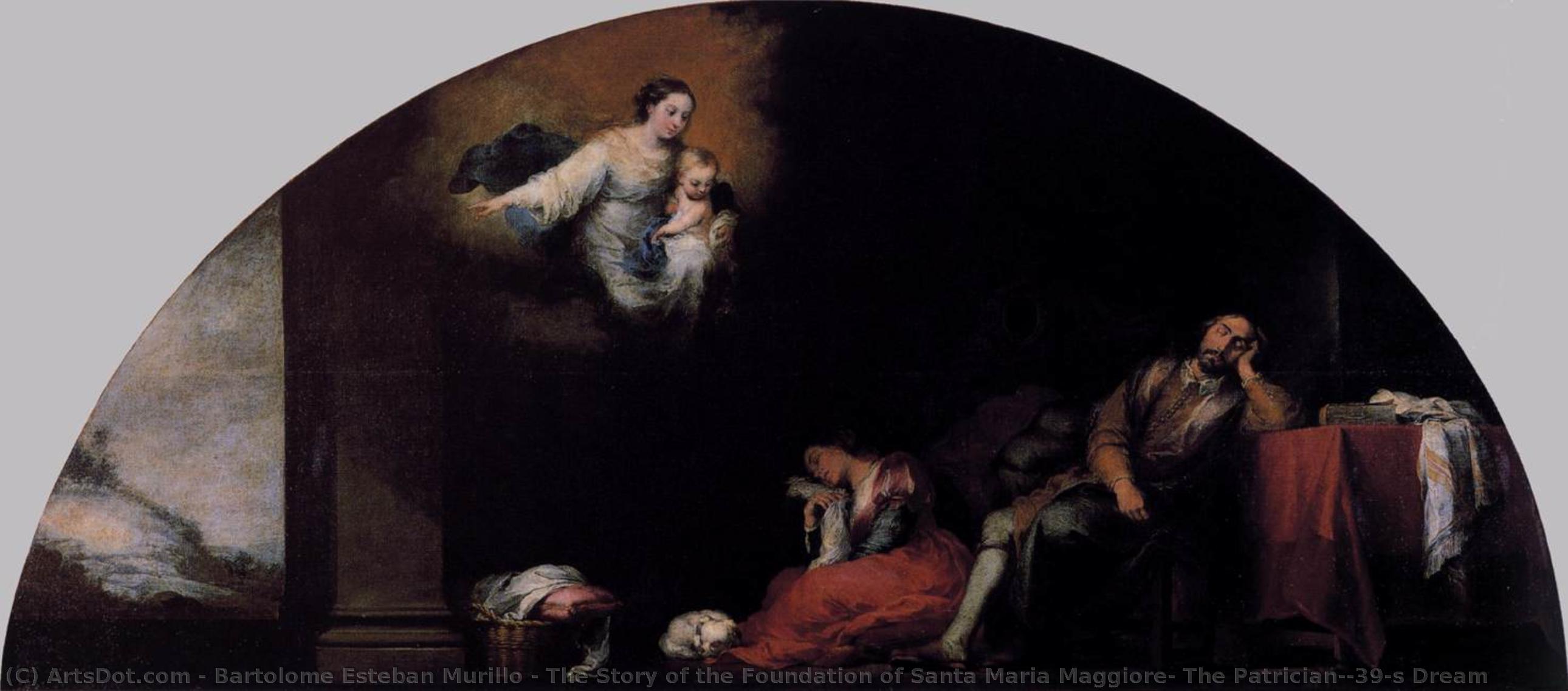
The Story of the Foundation of Santa Maria Maggiore: The Patrician's Dream
 Oil On Canvas
- WallArt
- Baroque
 1665
1665- Early Modern
 232.0 x 522.0 cm
 Museo del Prado
 Ver más
Adquiera una imagen digital de alta resolución y optimizada, muy superior a la vista previa en línea.
Cada archivo es preparado meticulosamente por nuestros especialistas internos mediante el uso de herramientas avanzadas y un experto retoque manual. Nos aseguramos de que cada imagen posea una claridad excepcional, una precisión cromática impecable y un detalle minucioso.
El archivo final se entrega por correo electrónico en un plazo de 72 horas, optimizado para su uso inmediato en entornos profesionales, editoriales y de impresión. Esta es la misma calidad en la que confían los estudios de diseño, las editoriales y las galerías de primer nivel.
Imagen Digital
Descarga un archivo de alta resolución para exhibición personal, impresión y proyectos creativos. ( Comprar impresión Comprar pintura hecha a mano)
Incluido en cada pedido de imágenes digitales
Entrega digital experta, garantizada.
Al elegir ArtsDot.com, no solo está adquiriendo una imagen; está recibiendo una obra de arte digital mejorada profesionalmente, elaborada con precisión y respaldada por una garantía de satisfacción. Esto es todo lo que incluye su pedido, automáticamente:

Entrega rápida por email
Recibirá su archivo de imagen digital en alta resolución por correo electrónico en un plazo de 72 horas tras realizar su pedido, listo para su uso inmediato.

Archivo digital optimizado por IA
Su obra de arte se optimiza profesionalmente mediante herramientas avanzadas de IA y edición manual, garantizando el máximo detalle, claridad y precisión cromática.

Reenvío gratuito de por vida
¿Has borrado o perdido tu archivo por error? No te preocupes: te lo volveremos a enviar en cualquier momento, sin coste adicional.

Sin gastos de importación, siempre
Disfrute de su obra de arte al instante sin aduanas, aranceles ni gastos de envío; las descargas digitales siempre están libres de impuestos.

Garantía de fidelidad de color
Garantizamos que su imagen digital refleje los colores originales con la mayor fidelidad posible, mediante el uso de herramientas profesionales y gestión del color.

Garantía de satisfacción de 60 días
Si no está satisfecho con su imagen digital, la revisaremos o le reembolsaremos el 100% en un plazo de 60 días, sin preguntas.

100% Garantía de devolución de dinero
¿No está satisfecho? Obtenga un reembolso completo dentro de los 60 días posteriores a la recepción de su archivo digital, sin necesidad de explicaciones.

Descuentos por pedidos grandes
Compra 3 imágenes, ahorra 10% - Compra 5, ahorra 15% - Compra 10+, ahorra 20%. Ideal para proyectos creativos, galerías y agencias.
A Vision of Divine Grace: The Patrician's Dream
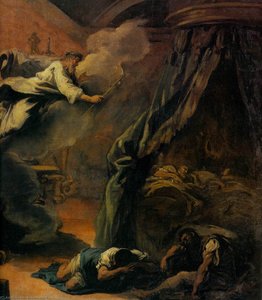
In the heart of the Spanish Golden Age, amidst the vibrant, sun-drenched streets of Seville, Bartolomé Esteban Murillo captured a moment where the earthly and the divine collide. The Story of the Foundation of Santa Maria Maggiore: The Patrician's Dream, completed in 1665, is far more than a mere historical chronicle; it is a luminous window into a soul touched by the heavens. This monumental oil on canvas tells the legendary tale of John the Patrician and his wife, whose profound devotion led them to pledge their vast wealth to the Virgin Mary. The painting captures the precise instant of spiritual revelation—a dream that would forever alter the architectural landscape of Rome through the creation of the Santa Maria Maggiore basilica.
Murillo, a master of the Baroque era, breathes life into this sacred narrative through a breathtaking use of chiaroscuro. The composition is anchored by a celestial light that seems to emanate from within the figures themselves, casting soft shadows that lend a palpable weight and three-dimensionality to the scene. As your eyes wander across the canvas, you are drawn toward the central, ethereal figures: an angel tenderly cradling the infant Jesus, appearing as a radiant beacon amidst the more grounded, earthly inhabitants of the scene. This careful arrangement creates a rhythmic visual journey, guiding the viewer from the quiet contemplation of the seated woman to the awe-struck presence of those witnessing the divine visitation.
Mastery of Light and Texture
To behold this work is to witness the pinnacle of Murillo’s technical virtuosity. He employs a sophisticated sfumato technique, where edges are not harshly defined but rather softened by subtle gradations of tone. This creates an atmospheric, almost dreamlike quality that perfectly mirrors the subject matter—a vision born in sleep. The textures rendered within the painting are nothing short of extraordinary; one can almost feel the heavy, luxurious folds of the Virgin's robes and the delicate, translucent skin of the Christ child. Every brushstroke serves to enhance the sense of realism, making the miraculous event feel intimately present and tangibly real.
For the discerning collector or interior designer, this piece offers an unparalleled opportunity to introduce a sense of profound serenity and historical grandeur into a space. The painting’s ability to balance dramatic tension with peaceful devotion makes it a versatile centerpiece. Whether placed in a gallery-style setting or as a focal point in a sophisticated study, its rich palette and emotive power command attention, inviting long periods of reflection. It is not merely a decoration but an invitation to experience the spiritual fervor of 17th-century Spain, bringing a timeless elegance and a narrative depth that transcends the boundaries of modern decor.
Obras relacionadas

Biografía del artista
Primeros años y formación
Bartolomé Esteban Murillo, un destacado pintor barroco español, nació a finales de diciembre de 1617 en Sevilla, España y fue bautizado el 1 de enero de 1618. Era el hijo menor de Gaspar Esteban y María Pérez, con una familia de catorce hijos. Tras la muerte de sus padres en 1627 y 1628, Murillo se convirtió en pupilo de su cuñado, Juan Agustín Lagares. Murillo comenzó sus estudios artísticos en Sevilla bajo la tutela de Juan del Castillo, un pariente de su madre, quien también era artista. Sus primeras obras estuvieron influenciadas por el enfoque realista de Zurbarán, Jusepe de Ribera y Alonzo Cano.Evolución artística y estilo
El estilo artístico de Murillo evolucionó con el tiempo, inicialmente influenciado por la pintura flamenca y el "tratado sobre imágenes sagradas" de Molanus. A medida que maduró, su obra desarrolló un estilo pulido que se adaptaba a los gustos burgueses y aristocráticos de la época, particularmente en sus obras religiosas católicas romanas.- Joven con una cesta de fruta o personificación del verano (c. 1640-50), mostrando su enfoque realista temprano.
- El joven mendigo (c. 1645, Musée du Louvre, París, Francia), demostrando la influencia de Velázquez.
- San Jerónimo (c. 1650-52), ejemplificando su estilo maduro, suave y luminoso.
Obras destacadas y temas recurrentes
Murillo es reconocido por sus representaciones idealizadas de la Virgen María con el Niño Jesús, así como por sus escenas religiosas que transmiten una profunda devoción y serenidad. También pintó numerosos retratos de personajes contemporáneos, especialmente mujeres y niños, capturando la vida cotidiana de su época con realismo y ternura. Entre sus obras más famosas se encuentran "La Adoración de los Pastores", "El Niño Jesús distribuyendo pan a los peregrinos" y "San Agustín con la Virgen y el Niño". Su habilidad para crear atmósferas luminosas y personajes expresivos lo convirtió en uno de los pintores barrocos españoles más populares.Legado e influencia
Murillo tuvo numerosos alumnos y seguidores, asegurando su reputación en España y fama por toda Europa. Artistas influenciados por su estilo incluyen a Gainsborough y Greuze. Su enfoque en la representación realista y emotiva de temas religiosos y cotidianos dejó una huella duradera en el arte español y europeo. Explore más obras de Murillo en ArtsDot: * Bartolomé Esteban Murillo * Colección Andrés Blaisten (México) (con arte latinoamericano, incluyendo algunas obras influenciadas por el estilo de Murillo).Museos y colecciones
Las pinturas de Murillo se pueden encontrar en varios museos de todo el mundo, incluyendo:- El Museo del Prado (Madrid, España)
- El Hermitage Museum (San Petersburgo, Rusia)
- La Wallace Collection (Londres)
- El Timken Museum of Art (San Diego, con Cristo en la cruz)
- El Krannert Art Museum (Champaign, Illinois, con Cristo después de la flagelación).
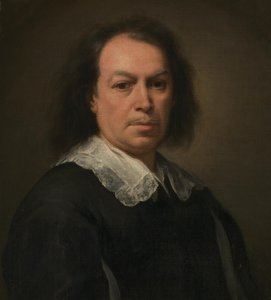
Bartolomé Esteban Murillo
1618 - 1682 , España
Breves datos
- Artistas Que Influyeron:
- Zurbarán
- Velázquez
- Ribera
- Cano
- Estilo Artístico: Barroco español
- Fecha De Muerte: 1682
- Fecha De Nacimiento: 1618
- Influencia En Artistas:
- Gainsborough
- Greuze
- Lugar De Nacimiento: Sevilla, España
- Nacionalidad: Española
- Nombre Completo: Bartolomé Esteban Murillo
- Obras Notables:
- Joven con cesta de fruta
- El joven mendigo
- San Jerónimo
- La Adoración de los Pastores

