

 Ver en contexto
 Enviar
 Compartir
 Detalles

 Descargar
 Similares
 Radiografía
 Presentación de diapositivas
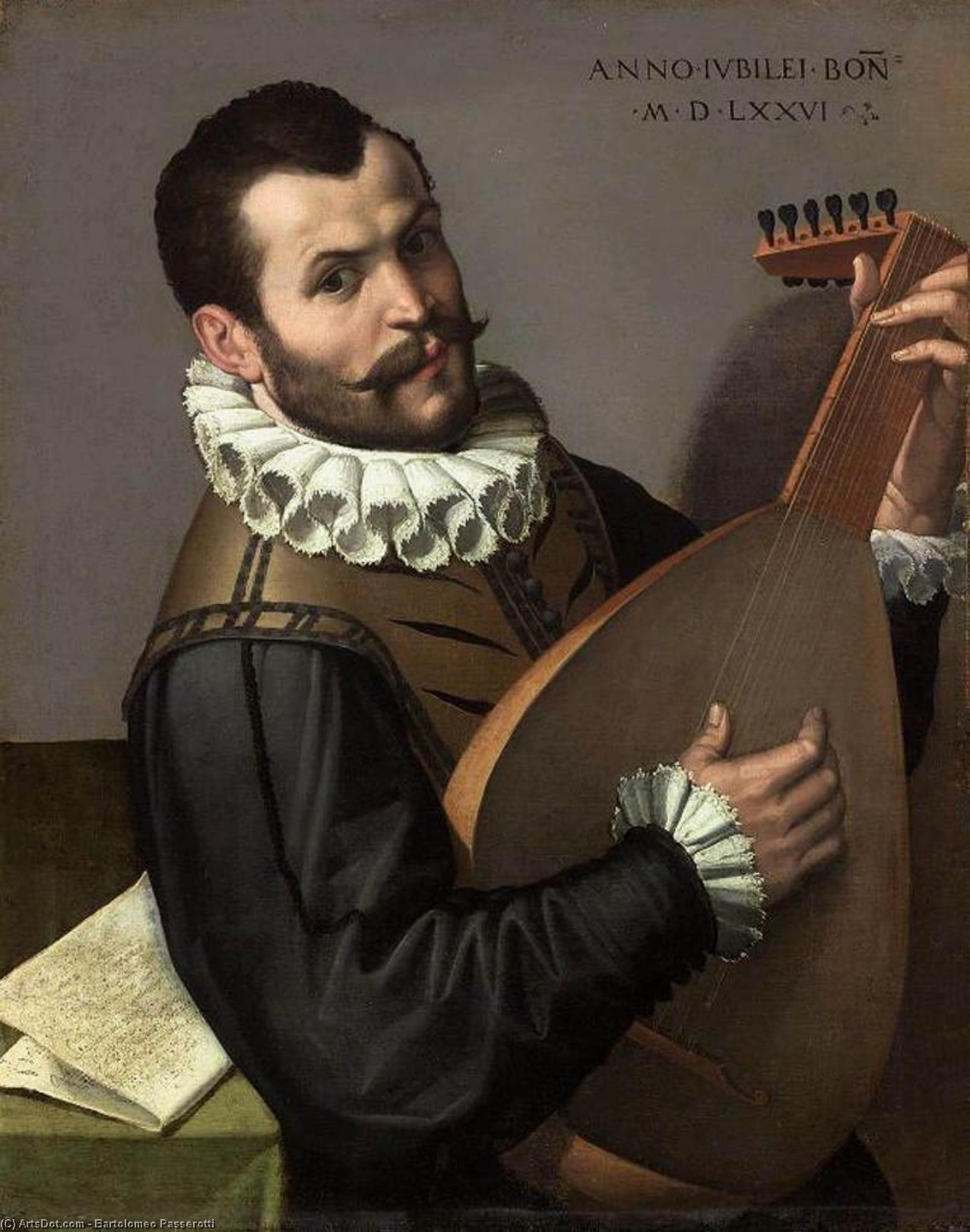
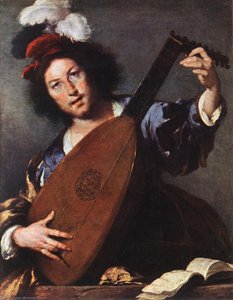
Portrait of a Man Playing a Lute
 Oil On Canvas
- WallArt
- Mannerism
 1576
1576- Early Modern
 77.0 x 60.0 cm
 Museo de Bellas Artes
 Ver más
Adquiera una imagen digital de alta resolución y optimizada, muy superior a la vista previa en línea.
Cada archivo es preparado meticulosamente por nuestros especialistas internos mediante el uso de herramientas avanzadas y un experto retoque manual. Nos aseguramos de que cada imagen posea una claridad excepcional, una precisión cromática impecable y un detalle minucioso.
El archivo final se entrega por correo electrónico en un plazo de 72 horas, optimizado para su uso inmediato en entornos profesionales, editoriales y de impresión. Esta es la misma calidad en la que confían los estudios de diseño, las editoriales y las galerías de primer nivel.
Imagen Digital
Descarga un archivo de alta resolución para exhibición personal, impresión y proyectos creativos. ( Comprar impresión Comprar pintura hecha a mano)
Incluido en cada pedido de imágenes digitales
Entrega digital experta, garantizada.
Al elegir ArtsDot.com, no solo está adquiriendo una imagen; está recibiendo una obra de arte digital mejorada profesionalmente, elaborada con precisión y respaldada por una garantía de satisfacción. Esto es todo lo que incluye su pedido, automáticamente:

Entrega rápida por email
Recibirá su archivo de imagen digital en alta resolución por correo electrónico en un plazo de 72 horas tras realizar su pedido, listo para su uso inmediato.

Archivo digital optimizado por IA
Su obra de arte se optimiza profesionalmente mediante herramientas avanzadas de IA y edición manual, garantizando el máximo detalle, claridad y precisión cromática.

Reenvío gratuito de por vida
¿Has borrado o perdido tu archivo por error? No te preocupes: te lo volveremos a enviar en cualquier momento, sin coste adicional.

Sin gastos de importación, siempre
Disfrute de su obra de arte al instante sin aduanas, aranceles ni gastos de envío; las descargas digitales siempre están libres de impuestos.

Garantía de fidelidad de color
Garantizamos que su imagen digital refleje los colores originales con la mayor fidelidad posible, mediante el uso de herramientas profesionales y gestión del color.

Garantía de satisfacción de 60 días
Si no está satisfecho con su imagen digital, la revisaremos o le reembolsaremos el 100% en un plazo de 60 días, sin preguntas.

100% Garantía de devolución de dinero
¿No está satisfecho? Obtenga un reembolso completo dentro de los 60 días posteriores a la recepción de su archivo digital, sin necesidad de explicaciones.

Descuentos por pedidos grandes
Compra 3 imágenes, ahorra 10% - Compra 5, ahorra 15% - Compra 10+, ahorra 20%. Ideal para proyectos creativos, galerías y agencias.
Descripción del coleccionable
A Study in Mannerist Elegance: The Portrait of a Man Playing a Lute
To gaze upon this portrait is to step directly into the vibrant, artfully complex world of late sixteenth-century Bologna. Bartolomeo Passarotti’s depiction of a man engrossed with his lute is far more than a mere likeness; it is a carefully constructed tableau vivant, brimming with the sophisticated artificiality characteristic of Mannerism. The subject himself commands attention—a gentleman whose attire speaks volumes of status and refinement. His wig, meticulously coiffed, frames a face bearing a distinguished mustache, suggesting a man of culture, perhaps a court musician or an educated patron. The very act of playing the lute anchors him within a tradition of humanist celebration, where music was inextricably linked to intellectual prowess and social standing.
The Allure of Mannerist Technique
Passarotti, trained in the grand traditions of Rome under masters like Vignola and Zuccari, masterfully navigates the stylistic currents of his time. The painting exhibits the hallmark elongation and emotional intensity associated with Mannerism—a deliberate departure from the serene balance of the High Renaissance. Observe the rich textures: the sheen on the ruffled collar, the polished wood of the large lute that dominates the foreground, and the subtle folds in the subject's suit. Passarotti employs a sophisticated handling of paint to give weight and presence to every element. The composition is richly populated; beyond our central figure, background figures observe or participate, lending a sense of bustling, yet controlled, social gathering. Even the inclusion of a book near the lower left corner suggests scholarly pursuits accompanying the musical performance.
Symbolism and Social Context
The lute itself carries profound symbolic weight throughout art history, often representing poetry, melancholy, or the harmonious balance of life. In this context, paired with the formal portraiture, it elevates the sitter from a mere individual to an embodiment of cultivated artistry. The surrounding figures and objects—the book, the varied gazes in the background—create a narrative tapestry suggesting patronage, intellectual discourse, and the performance arts as central pillars of elite society during 1576. It is a visual meditation on status achieved through culture.
Bringing History Home: Decorating with Masterful Art
For the discerning collector or interior designer, this piece offers an unparalleled opportunity to infuse a space with historical gravitas and artistic drama. Reproducing such a work allows one to curate an atmosphere that feels both deeply rooted in European Renaissance splendor and refreshingly dynamic due to its Mannerist flair. Imagine this portrait anchoring a drawing-room or library; the deep tones and complex narrative will engage guests, sparking conversations about art history and human endeavor. Owning a reproduction of Passarotti’s hand is not simply acquiring decoration; it is curating an experience—a sophisticated echo of 16th-century Bolognese life.
Obras relacionadas
Biografía del artista
The Bolognese Master of Mannerist Splendor
In the vibrant, shifting landscape of the late sixteenth century, few artists captured the transition from the structured elegance of the High Renaissance to the dramatic intensity of the Baroque as skillfully as Bartolomeo Passarotti. Born in Bologna in 1529, Passarotti emerged not merely as a painter, but as a pivotal bridge between eras. His early years were defined by a profound immersion in the Roman art scene, where between 1550 and 1555, he sought the guidance of masters such as Giacomo Barozzi da Vignola and Taddeo Zuccari. This period of Roman training was transformative; it instilled in him a deep reverence for classical antiquity and the humanist principles of anatomical precision and balanced composition, even as he began to experiment with the more elongated and complex forms that would define the Mannerist movement.
Upon his return to his native Bologna, Passarotti did not merely settle into local practice; he established a formidable artistic powerhouse. His studio became a crucible of innovation, attracting a generation of talent that would eventually reshape European art. Among his most notable pupils were Agostino Carracci, Lucio Massari, and Francesco Brizzi—artists who would carry the seeds of his stylistic experimentation into the burgeoning Baroque era. This legacy of mentorship ensured that Passarotti’s influence extended far beyond the walls of his own workshop, as his approach to light, texture, and subject matter permeated the very fabric of the Bolognese school.
A Tapestry of Genre and Drama
Passarotti’s oeuvre is celebrated for its remarkable versatility, ranging from the divine to the deeply terrestrial. He possessed a unique ability to navigate between grand religious altarpiements and intimate, often gritty, genre scenes. His work often features a striking use of chiaroscuro, utilizing stark contrasts between light and shadow to imbue his subjects with a sense of psychological depth and physical presence. This technique, which prefigured the dramatic lighting later perfected by Caravaggio, allowed him to breathe life into both mythological figures and everyday laborers.
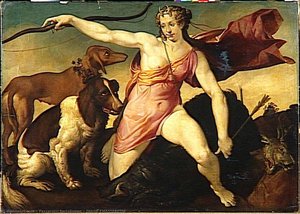
In his genre paintings, Passarotti displayed an extraordinary eye for detail and a fascination with the textures of daily existence. Works such as The Butcher's Shop (1580) serve as captivating windows into the late Renaissance world, showcasing a masterful command of warm tones and a realistic depiction of communal life. Similarly, his ability to render the divine is evident in pieces like Diane Chasseresse, where the Roman goddess of the hunt is captured with a dynamic, muscular grace that embodies the very essence of Mannerist energy. Whether depicting the quiet solitude of a Lute Player or the solemnity of religious devotion, his brushwork consistently sought to capture the fleeting tension between the ideal and the real.
Legacy and Historical Significance
While history sometimes overlooks Passarotti in favor of more revolutionary figures like Michelangelo, his importance to the evolution of Italian art is undeniable. He was a master of transition, an artist who understood how to honor the classical past while simultaneously preparing the ground for the emotional turbulence of the next century. His later works, influenced by Tuscan models such as Giorgio Vasari and Prospero Fontana, demonstrate a continuous evolution and an enduring curiosity about the changing tides of aesthetic taste.
The historical significance of Bartolomeo Passarotti lies in his role as a foundational figure for the Carracci Academy and the broader Bolognese tradition. His life’s work—a blend of meticulous anatomical study, dramatic lighting, and a profound interest in the human condition—remains a testament to the enduring power of Mannerism. Through his studio, his pupils, and his evocative canvases, Passarotti ensured that the spirit of Bologna would remain at the heart of the European artistic dialogue for generations to come.
bartolomeo passerotti
1529 - 1592

