 Ver en contexto
 Enviar
 Compartir
 Detalles

 Descargar
 Similares
 Radiografía
 Presentación de diapositivas
 Stats
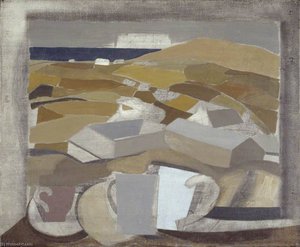
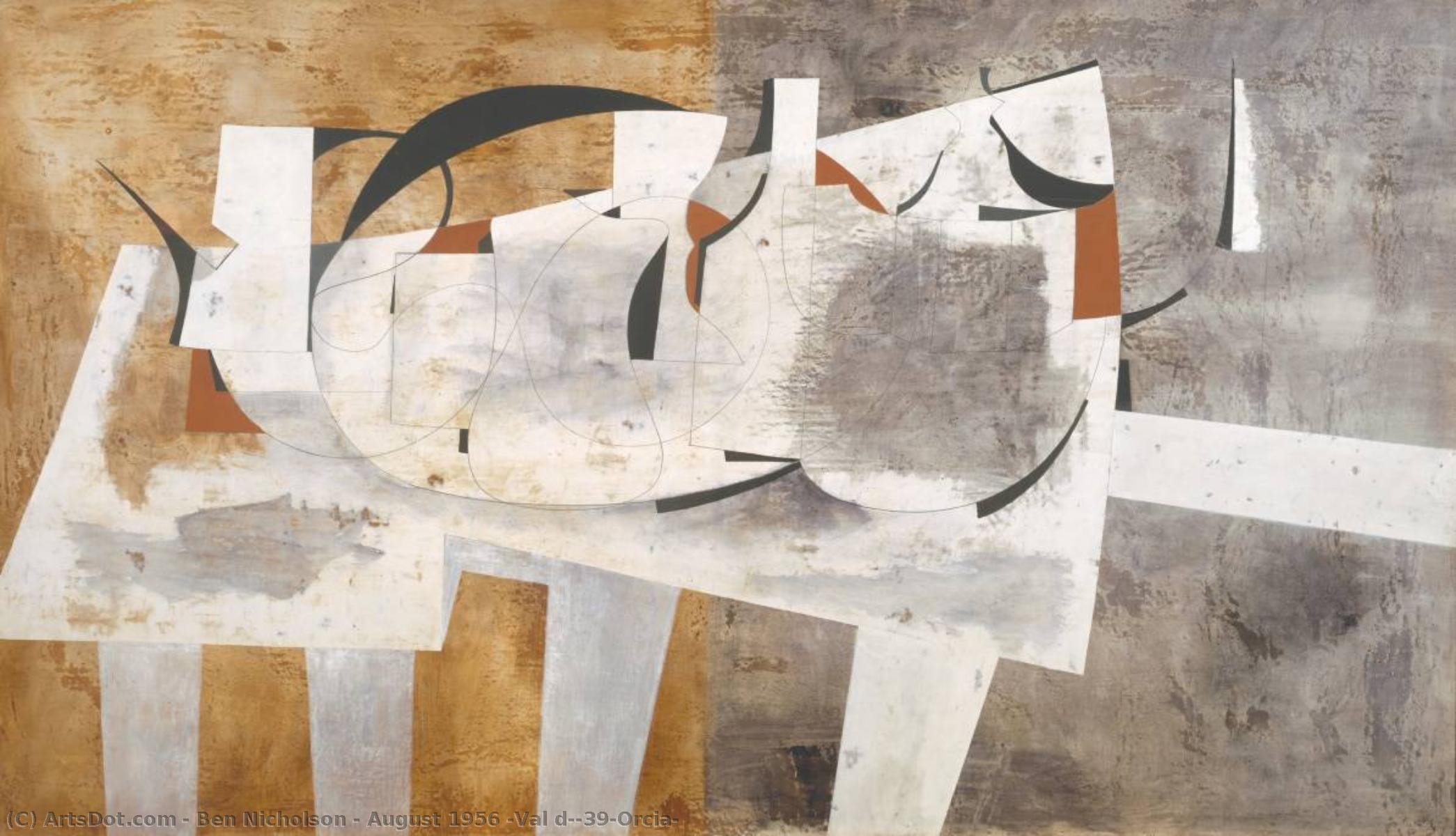
StatsAugust 1956 (Val d'Orcia)


 Ver más
Reproducción al óleo hecha a mano
Óleo sobre lienzo pintado a mano en el tamaño y marco de su elección, realizado por encargo por nuestros artistas. ( Switch to Print Switch to Digital Image)




P118B $10

P118H $10

P118W $10

P438Z $10

P508JH $12

P508YH $12

P805H $10

P805Z $10

P919BZ $10

P919G $10

P919XJ $10

P959ZH $10

P968JZ $12

W106C $8

W218G $10

W218JH $8

W218Y $10

W307PJ $10

W316G $10

W316PJ $8

W316Y $10

W398PJ $8

W4111J $10

W500HY $15

W500JH $15

W692G $12

W849H $8

W940BG $15

W953PJ $8




Elija entre nuestros tamaños predefinidos que respetan las proporciones originales de la obra.

Puede ingresar sus propias dimensiones para adaptarse a un marco o espacio específico. Si el tamaño seleccionado no coincide con las proporciones de la imagen original, recortaremos la obra o extenderemos la pintura con elementos adicionales pintados a mano. Se le enviará una maqueta digital para su aprobación antes de comenzar la producción.
Tenga en cuenta que la vista previa en pantalla no refleja el recorte o la extensión reales. Solo la maqueta mostrará con precisión la composición final.
Si bien existen tamaños personalizados, recomendamos seleccionar una dimensión de la lista predefinida para preservar las proporciones originales.
Tras realizar el pedido, el equipo de ArtsDot.com enviará un correo electrónico al cliente para solicitar instrucciones y proporcionarle una vista previa del boceto.
Envío a todo el mundo () en 3-4 semanas en lugar de las 5 semanas estándar. (8 septiembre). Sin comprometer la calidad.

Envío exprés gratuito a todo el mundo

Lienzo de lino de alta calidad

Seguro de envío total

Garantía de reembolso de impuestos aduaneros

Garantía de fidelidad cromática exacta

Política de devolución de 100 días (solo por defectos)

Garantía de devolución del 100% del dinero

Descuento por cantidad
 La opción de vidrio solo está disponible en tamaños inferiores a 110 cm.

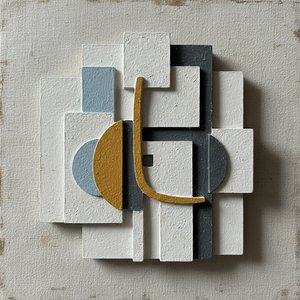
August 1956 (Val d'Orcia)
Técnica de reproducción
Dimensiones de la reproducción
-


Precio total final
$ 263
A Fragmented Landscape: Unpacking the Essence of Nicholson’s “August 1956”
Ben Nicholson’s “August 1956 (Val d’Orcia)” isn't merely a depiction of a Tuscan hillside; it’s an invitation to contemplate the very nature of perception and memory. Painted in 1956, during a period of profound artistic exploration for the British painter, this work embodies his signature style – a masterful blend of geometric abstraction and subtle landscape suggestion. It’s a piece that rewards patient observation, revealing layers of meaning within its deceptively simple composition.
Nicholson, a key figure in the post-war British art scene, moved away from representational painting in the late 1920s, seeking to capture not what he *saw*, but rather the underlying structure and essence of his subjects. “August 1956” exemplifies this shift. The Val d’Orcia landscape is reduced to a series of interlocking planes and angular forms – rectangles, triangles, and subtly curved lines – arranged against a textured background that hints at earth tones and weathered stone. This isn't an attempt to recreate the scene photographically; instead, Nicholson uses these geometric elements as building blocks, suggesting the contours of hills, fields, and perhaps even the architecture of a distant village.
The Language of Geometry: Technique and Composition
The painting’s power lies in its carefully orchestrated composition. The dominant diagonal lines create a dynamic sense of movement, drawing the eye across the canvas and inviting exploration. Nicholson masterfully employs layering – shapes are partially obscured by others, creating depth and a feeling of spatial complexity without relying on traditional perspective. Notice how the lighter tones, strategically placed, act as highlights, defining forms and adding to the overall sense of dynamism. The texture itself is crucial; it’s achieved through a combination of impasto techniques—thickly applied paint—and subtle blending, creating a surface that feels both solid and ethereal.
Nicholson's technique reveals a deliberate control alongside moments of fluidity. Sharp, defined lines delineate the edges of shapes, while softer transitions suggest areas where colors merge. This interplay between precision and spontaneity contributes to the painting’s captivating quality. The use of muted earth tones—beige, grey, rusty orange—grounds the abstract forms in a tangible reality, evoking the rugged beauty of the Tuscan landscape.
Symbolism and Emotional Resonance
While undeniably abstract, “August 1956” resonates with deeper symbolic meanings. The fragmented nature of the composition can be interpreted as representing the breakdown of familiar structures – memory, experience, or even the very notion of a fixed reality. Nicholson’s work often explored themes of time and loss, and this painting certainly carries a sense of quiet contemplation and perhaps a touch of melancholy. The geometric forms themselves might symbolize order imposed upon chaos, or the inherent tension between structure and spontaneity.
Consider the title itself: “August 1956.” The specificity of the date anchors the abstract composition in a particular moment in time, suggesting that the painting is not simply about a landscape, but also about capturing a fleeting impression – a memory, perhaps, or a feeling associated with that specific August day. It’s a testament to Nicholson's ability to distill complex emotions and ideas into a powerfully evocative visual form.
A Legacy of Abstraction: Ben Nicholson and Beyond
Ben Nicholson’s “August 1956 (Val d’Orcia)” stands as a pivotal work in the development of British abstract art. Influenced by Cubism, Constructivism, and the pioneering work of artists like Mondrian, Nicholson developed his own distinctive style characterized by geometric forms, layered textures, and a profound exploration of perception. His legacy continues to inspire artists today, and reproductions of this captivating painting offer a window into the mind of one of Britain’s most important 20th-century painters.
Obras relacionadas
Biografía del artista
Ben Nicholson OM: Una Vida en el Arte Abstracto
- Nacido: 10 de abril de 1894, Denham, Buckinghamshire, Reino Unido
- Fallecido: 6 de febrero de 1982, Londres, Reino Unido
Primeros Años y Formación Artística
- Ben Nicholson nació en una familia artística; su padre, Sir William Nicholson, y su madre, Mabel Pryde, fueron pintores consumados. Este entorno fomentó una profunda apreciación por el arte desde temprana edad.
- Recibió educación temprana en Tyttenhangar Lodge Preparatory School, Seaford, Heddon Court, Hampstead y Gresham's School en Holt, Norfolk.
- Nicholson estudió formalmente en la Slade School of Fine Art (1910-1911), donde fue contemporáneo de artistas notables como Paul Nash, Stanley Spencer, Mark Gertler y Edward Wadsworth. Anécdoticamente, pasó un tiempo considerable jugando al billar durante este período, encontrando atractivo estético en la geometría y el movimiento del juego.
Desarrollo Artístico e Influencias
- Primeras Obras: Los primeros esfuerzos artísticos de Nicholson involucraron naturalezas muertas naturalistas, influenciados por el estilo de su padre.
- Influencia Cubista: Alrededor de 1926, comenzó a explorar la abstracción, fuertemente influenciado por el Cubismo Sintético y la obra de Pablo Picasso.
- Neoplasticismo y Estilo Primitivo: Un encuentro con Piet Mondrian lo introdujo al Neoplasticismo, mientras que su encuentro con Henri Rousseau despertó un interés en un estilo primitivo. Estas influencias moldearon significativamente su dirección artística.
- Movimientos Clave: Nicholson se involucró con varios movimientos artísticos importantes de la época, incluyendo la Seven and Five Society (de la cual fue presidente), Unit One y Abstraction-Création.
Obras Principales y Estilo Artístico
- Relieves: Nicholson es particularmente reconocido por sus relieves abstractos, comenzando en 1933. Estas obras combinaron pintura con elementos escultóricos, creando una experiencia visual única. Los relieves blancos de la década de 1930 son considerados entre sus logros más significativos.
- Naturalezas Muertas y Paisajes: Si bien es conocido por la abstracción, Nicholson también produjo cautivadoras naturalezas muertas y paisajes, a menudo incorporando formas geométricas y colores apagados.
- La Pared de Nicholson: Una obra pública notable es la "Pared de Nicholson", un mural creado para el jardín de Sutton Place en Guildford, Surrey, que demuestra su creencia de que el arte abstracto debería ser accesible a un público más amplio.
- Materiales y Técnicas: Experimentó con varios materiales y técnicas, incluyendo pintura al óleo, lápiz, grava y masonita, combinándolos a menudo de maneras innovadoras.
Legado y Significado Histórico
- Arte Británico Moderno: Ben Nicholson es reconocido como una figura clave en el arte británico moderno, contribuyendo significativamente al desarrollo de la abstracción y la escultura en relieve.
- Reconocimiento Internacional: Su obra obtuvo reconocimiento internacional, con exposiciones en lugares prestigiosos como la Bienal de Venecia y retrospectivas en importantes museos de todo el mundo. Recibió numerosos premios, incluyendo el Order of Merit en 1968.
- Registros de Subasta: Las pinturas de Nicholson alcanzan altos precios en subastas, lo que refleja su mérito artístico e importancia histórica. Por ejemplo, "Sept 53 (Balearic)" se vendió por $1,650,500 en Christie's New York en 2011, y “Fiddle and Spanish Guitar” obtuvo €3,313,000 en Christie’s Paris en 2012.
- Influencia en Artistas Posteriores: El enfoque innovador de Nicholson hacia la abstracción y su exploración de la forma y el espacio han influenciado a generaciones de artistas.
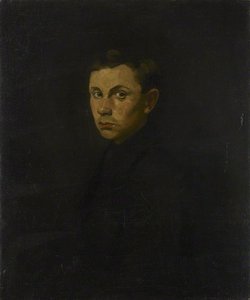
Ben Nicholson
1894 - 1982 , Reino Unido
Datos clave
- Artistas Que Influyeron:
- Henri Rousseau
- Piet Mondrian
- Pablo Picasso
- Cezanne
- Fecha De Fallecimiento: 6 de febrero de 1982
- Fecha De Nacimiento: 10 de abril de 1894
- Lugar De Nacimiento: Londres, Reino Unido
- Movimiento Artístico:
- Arte abstracto
- Cubismo
- Constructivismo
- Nacionalidad: Británico
- Nombre Completo: Ben Nicholson OM
- Obras Notables:
- Sept 53 (Balearic)
- Fiddle and Spanish guitar
- 1946 (bodegón)
Artículos relacionados

Expresionismo Abstracto: 10 Obras Maestras que Transformaron el Arte |
Descubre las 10 obras maestras del Expresionismo Abstracto: Pollock, Rothko y más. Explora la historia, técnica y significado de estos lienzos icónicos. Reproducciones de arte exclusivas en .

Abstracción Geométrica: 10 Obras Maestras que Transformaron el Arte Moderno | ArtsDot
Descubre las 10 obras maestras de la abstracción geométrica que revolucionaron el arte moderno. Explora a Mondrian, Malevich y Kandinsky en ArtsDot.com. Reproducciones de alta calidad para tu hogar.

Kandinsky: Las 25 Obras Maestras del Pionero de la Abstracción | ArtsDot
Descubre las 25 obras maestras de Wassily Kandinsky, pionero del arte abstracto. Explora su expresionismo, composiciones únicas y la historia detrás de cada cuadro. Reproducciones de alta calidad para decorar tu hogar con arte moderno en ArtsDot.com.

Paisajes Románticos: 10 Obras Maestras que Definieron un Movimiento Artístico
Descubre los 10 paisajes románticos más influyentes de artistas como Caspar David Friedrich y Turner. Explora la belleza, el simbolismo y las técnicas del movimiento romántico. Reproducciones de arte exclusivas en ArtsDot.com.
Ben Nicholson OM: Modernism's Abstract Pioneer & the Poetics of Relief
Explore the revolutionary abstract art of Ben Nicholson OM. Discover his geometric masterpieces, collaborations with Barbara Hepworth & investment potential. Expert insights for collectors.