

 Ver en contexto
 Enviar
 Compartir
 Detalles

 Descargar
 Similares
 Radiografía
 Presentación de diapositivas
 Estadísticas
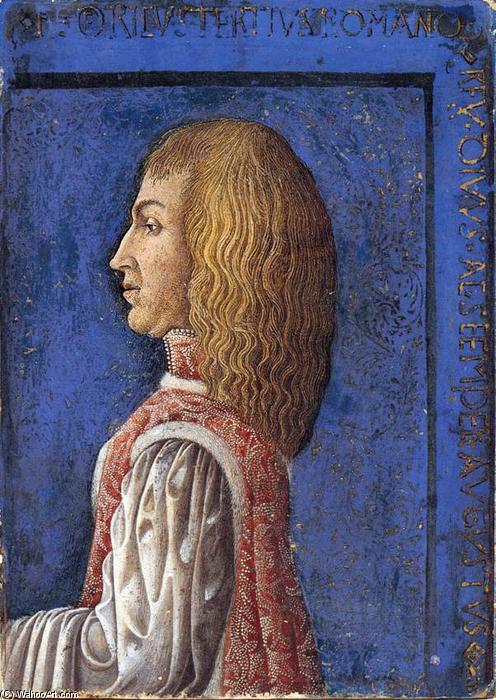
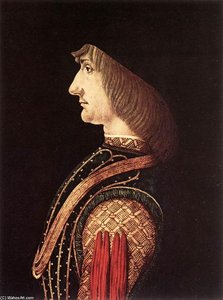
Frederick III
 Oil On Panel
- Early Renaissance
 1451
1451 23.0 x 16.0 cm
 Galería de los Uffizi
 Ver más
Giclée / Impresión de arte
Impresiones giclée o en lienzo de calidad de museo con producción rápida y opciones de acabado flexibles. ( Comprar pintura hecha a mano Cambiar a imagen digital)




P118B $10

P118H $10

P118W $10

P438Z $10

P508JH $12

P508YH $12

P805H $10

P805Z $10

P919BZ $10

P919G $10

P919XJ $10

P959ZH $10

P968JZ $12

W106C $8

W218G $10

W218JH $8

W218Y $10

W307PJ $10

W316G $10

W316PJ $8

W316Y $10

W398PJ $8

W4111J $10

W500HY $15

W500JH $15

W692G $12

W849H $8

W940BG $15

W953PJ $8




Elija entre nuestros tamaños predefinidos que respetan las proporciones originales de la obra.

Puede introducir sus propias dimensiones para adaptarse a un marco o espacio específico. Si el tamaño seleccionado no coincide con las proporciones de la imagen original, recortaremos la obra de arte o extenderemos la imagen con un borde con efecto espejo o de color sólido. Se enviará una maqueta digital para su aprobación antes de que comience la producción.
Tenga en cuenta que la vista previa en pantalla no refleja el recorte o la extensión real. Solo la maqueta mostrará con precisión la composición final.
Aunque existen tamaños personalizados, recomendamos seleccionar una dimensión de la lista predefinida para preservar las proporciones originales.
Envío a todo el mundo () en 2 semanas en lugar de las 4/5 semanas estándar. (9 septiembre)

Envío exprés gratuito a todo el mundo

Lienzo de lino de alta calidad

Seguro de envío total

Garantía de reembolso de impuestos aduaneros

Garantía de fidelidad cromática exacta

Política de devolución de 100 días (solo por defectos)

Garantía de devolución del 100% del dinero

Descuento por cantidad
 La opción de vidrio solo está disponible en tamaños inferiores a 110 cm.

Frederick III
Giclée / Impresión de arte
Dimensiones de la reproducción
-


Precio total final
$ 62
A Glimpse into the Reign: Benedetto Bonfigli’s Frederick III
Benedetto Bonfigli's 1451 tempera painting, “Frederick III,” is more than just a portrait; it’s a meticulously crafted window into the heart of the early Renaissance and the ambitions of a Holy Roman Emperor. Housed within the hallowed halls of the Galleria degli Uffizi in Florence, this work transcends its modest dimensions (23 x 16 cm) to radiate an aura of regal authority and quiet contemplation. The painting immediately draws the eye with its rich palette – deep reds and blues dominate, contrasted by the luminous gold leaf that accents the Emperor’s garments and the intricate details of his attire. It's a testament to Bonfigli’s mastery of color and texture, reflecting the burgeoning artistic sophistication of the period.
The subject himself, Frederick III, is depicted in a pose of dignified repose. He isn’t caught mid-action or engaged in grand gestures; instead, he embodies an almost serene power. His gaze is direct yet measured, suggesting both wisdom and a certain melancholy – perhaps reflecting the weight of his imperial responsibilities. The artist skillfully employs linear perspective to create a sense of depth, drawing the viewer into the scene and emphasizing Frederick’s importance within it. The careful rendering of his facial features—the strong jawline, the thoughtful eyes—reveals a man of considerable character.
Renaissance Techniques: A Masterclass in Tempera
Bonfigli's technique is deeply rooted in the traditions of the early Renaissance, yet infused with a distinctly personal style. The painting is executed in tempera on wood panel, a medium favored for its ability to create vibrant colors and fine details. The layering of thin glazes—a hallmark of Bonfigli’s approach—builds up the image gradually, resulting in an astonishing level of luminosity and depth. Note the subtle gradations of color within the folds of his robes, achieved through meticulous blending and a deep understanding of light and shadow. The use of gold leaf is particularly noteworthy; it not only adds to the painting's opulence but also symbolizes Frederick’s divine right to rule.
Furthermore, the composition itself reflects Renaissance ideals. The arrangement of figures—Frederick III at the center, surrounded by attendants and symbolic elements—is carefully balanced and harmonious. The inclusion of Latin text at the top – “FREDERICVS III ROMANVS IMPERATOR” – reinforces the Emperor’s status and provides a crucial historical context. This inscription serves as a reminder that this portrait was intended to commemorate a significant figure in European history, commissioned likely for display within a royal or ecclesiastical setting.
Symbolism and Historical Context
Beyond its technical brilliance, “Frederick III” is rich in symbolism. The elaborate attire—the crimson robes, the jeweled crown, the richly embroidered mantle—are all indicators of imperial power and wealth. The inclusion of specific heraldic symbols would have further emphasized Frederick’s lineage and authority. Considering the painting was created during a period of intense political maneuvering and dynastic rivalries, it's likely that Bonfigli sought to project an image of stability and legitimacy for the Emperor. The portrait served as a powerful visual statement—a declaration of Frederick III’s claim to the throne and his commitment to upholding the traditions of the Holy Roman Empire.
The painting’s creation coincided with a period of significant change in Europe, marked by the rise of humanism, the rediscovery of classical art and literature, and the burgeoning power of city-states like Florence. Bonfigli's work reflects these trends, demonstrating a sophisticated understanding of artistic conventions while also incorporating elements of his own distinctive style. It’s a remarkable example of how art can simultaneously document history and express profound human emotions.
Today, reproductions of “Frederick III” are available through ArtsDot.com, offering art enthusiasts the opportunity to own a piece of this captivating Renaissance masterpiece. The website also provides access to further information about Benedetto Bonfigli and his other works, inviting viewers to delve deeper into the world of this talented artist.
Obras relacionadas
Biografía del artista
El Legado Radiante de Benedetto Bonfigli
En el corazón del Renacimiento umbro, un periodo definido por la luminosidad espiritual y el amanecer de la perspectiva humanista, el nombre de Benedetto Bonfigli emerge como un arquitecto vital de la devoción visual. Nacido en Perugia alrededor de 1420, Bonfigli operó dentro de un paisaje donde la elegancia persistente de la tradición del Gótico Tardío comenzaba a fusionarse con el floreciente rigor intelectual de los maestros florentinos. Aunque gran parte de su biografía personal permanece envuelta en las brumas del siglo XV, su presencia artística es innegablemente monumental. La obra de su vida sirvió como un puente, conectando la riqueza simbólica y dorada del pasado medieval con el profundo realismo espacial que llegaría a definir el Renacimiento italiano.
La esencia del genio de Bonfigli reside en su capacidad para sintetizar corrientes artísticas dispares en una visión singular y cohesiva. No se limitó a imitar a sus predecesores; más bien, absorbió sus propias almas. De Fra Angelico, heredó un profundo sentido de serenidad espiritual y un dominio del color capaz de evocar lo divino únicamente a través de la luz. De Domenio Veneziano, aprendió el poder transformador de la perspectiva atmosférica, lo que le permitió dotar de profundidad y aire a las superficies planas de sus frescos. Esta fusión creó un estilo que era simultáneamente etéreo y terrenal, capaz de transportar al espectador a un reino celestial mientras mantenía una conexión palpable con el mundo físico.
Maestría de la Forma y el Simbolismo
Contemplar una obra maestra de Bonfigli es entrar en un mundo donde cada pigmento y cada gesto poseen un peso teológico. Su técnica se caracterizó por una exquisita atención al detalle, particularmente en su uso de paletas vibrantes, especialmente los azules profundos y majestuosos utilizados para significar la grandeza divina. En obras como su Anunciación, se puede presenciar el delicado equilibrio entre la emoción humana y el acontecimiento sagrado. El artista utilizó la luz no solo como una herramienta de visibilidad, sino como una fuerza narrativa, guiando la mirada a través de escenas meticulosamente compuestas que capturan momentos cruciales de la historia cristiana con una gracia inigualable.
Más allá de sus encargos religiosos, Bonfigli demostró una capacidad notable para el retrato y la grandeza secular. Su habilidad para representar texturas y carácter es quizás más evidente en obras como Federico III. En esta pintura al temple, albergada en la prestigiosa Galería Uffizi, el Emperador del Sacro Imperio Romano Germánico se presenta con un nivel de complejidad simbólica y detalle físico que habla del dominio del artista sobre el medio. A través de su pincel, el retratado se convierte en algo más que un simple parecido; se transforma en un icono de poder y permanencia, envuelto en las intrincadas texturas de su época.
Una Huella Imperecedera en la Escuela Umbra
La importancia histórica de Benedetto Bonfigli se extiende mucho más allá de los muros de las iglesias perugianas que adornó. Fue instrumental en el establecimiento de una identidad umbra distinta, capaz de erigirse junto a las innovaciones que ocurrían en Florencia. Sus contribuciones pueden resumirse a través de varios hitos artísticos clave:
- Integración de Perspectivas: Su adopción exitosa de una profundidad atmosférica similar al sfumato ayudó a la transición del arte regional desde una narrativa bidimensional hacia entornos inmersivos y tridimensionales.
- Teoría del Color Teológica: El uso de paletas de colores luminosas y simbólicas se convirtió en un sello distintivo de la escuela umbra, influyendo en generaciones de pintores de la región.
- Síntesis Cívica y Sagrada: Al decorar tanto frescos religiosos como espacios cívicos como el Palazzo dei Priori, ayudó a elevar la cultura visual de Perugia, convirtiendo el arte en una parte inseparable de la identidad política y espiritual de la ciudad.
Aunque su vida concluyó en 1496, los ecos del arte de Bonfigli continúan resonando. Su capacidad para casar la intensidad devocional de la Edad Media con la claridad racional del Renacimiento asegura su lugar como una piedra angular de la historia del arte italiano. A través de sus frescos y témperas, permanece como un maestro de la luz que ilumina el espíritu humano.
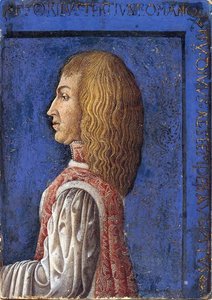
Benedetto Bonfigli
1420 - 1496 , Italia
Datos clave
- Artistic Movement Or Style: Umbrian Renaissance
- Artists Who Influenced This Artist:
- Fra Angelico
- Domenico Veneziano
- Date Of Birth: c. 1420
- Date Of Death: July 8, 1496
- Full Name: Benedetto Bonfigli
- Nationality: Italian
- Notable Artworks:
- Annunciation
- Adoration of the Magi
- The Last Judgment
- Place Of Birth: Perugia, Italy
Artículos relacionados
Bartolomeo Pinelli: Neoclassical Linearity & Roman Topography of Memory
Explore the captivating world of Bartolomeo Pinelli, a master Italian engraver renowned for his evocative Roman scenes & historical narratives. Discover his art and legacy with ArtsDot.
Sebastiano del Piombo: Bridging Venetian Colorism & Roman Grand Manner Portraiture
Explore the captivating art of Sebastiano del Piombo, a Renaissance master bridging Venetian colorism & Roman grandeur. Discover his iconic portraits and lasting influence on art history. Learn more at ArtsDot.
John Frederick Lewis: Orientalism, Detail & Genre Painting in 19th-Century British Art
Explore the captivating Orientalist paintings of John Frederick Lewis! Discover his mastery of detail, genre scenes & influence on 19th-century British art. Learn about his life, techniques & legacy at ArtsDot.
John Frederick Herring Sr.: Equestrian Mastery & the Rise of Sporting Art in Victorian England
Explore the life & work of John Frederick Herring Sr., a leading Victorian equestrian artist. Discover his masterpieces, patronage, techniques & investment potential. Expert insights for collectors.
Frederick Morgan: A Study in Aestheticism & Victorian Beauty
Explore the captivating world of Frederick Morgan, a key figure in Victorian Aestheticism. Discover his beautiful paintings, recurring themes, and lasting legacy with our expert analysis. Learn more today!