

 Ver en contexto
 Enviar
 Compartir
 Detalles

 Descargar
 Similares
 Radiografía
 Presentación de diapositivas
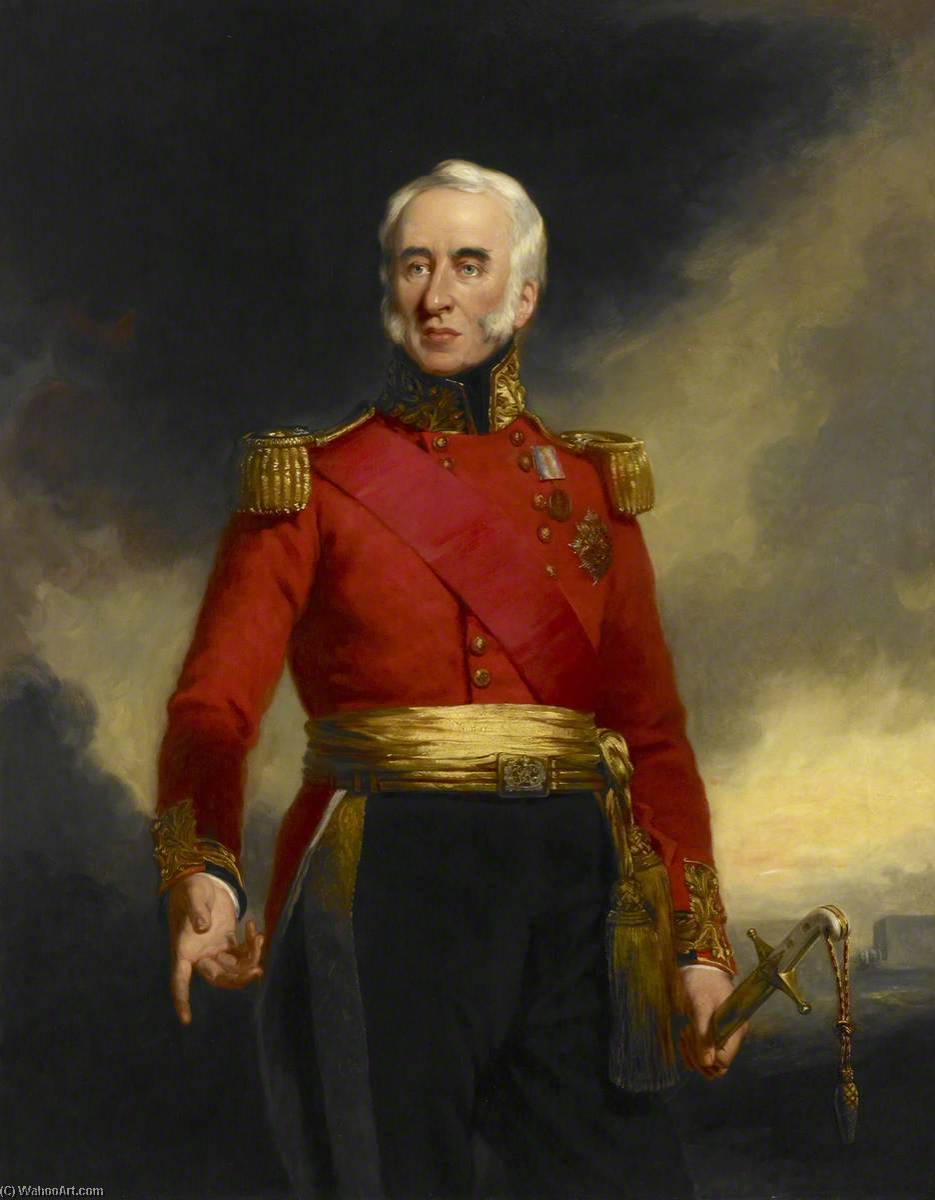
Major General Sir William Nott (1782–1845)
 1844
1844 142.0 x 112.0 cm
 Biblioteca Británica
 Ver más
Adquiera una imagen digital de alta resolución y optimizada, muy superior a la vista previa en línea.
Cada archivo es preparado meticulosamente por nuestros especialistas internos mediante el uso de herramientas avanzadas y un experto retoque manual. Nos aseguramos de que cada imagen posea una claridad excepcional, una precisión cromática impecable y un detalle minucioso.
El archivo final se entrega por correo electrónico en un plazo de 72 horas, optimizado para su uso inmediato en entornos profesionales, editoriales y de impresión. Esta es la misma calidad en la que confían los estudios de diseño, las editoriales y las galerías de primer nivel.
Imagen Digital
Descarga un archivo de alta resolución para exhibición personal, impresión y proyectos creativos. ( Comprar impresión Comprar pintura hecha a mano)
Incluido en cada pedido de imágenes digitales
Entrega digital experta, garantizada.
Al elegir ArtsDot.com, no solo está adquiriendo una imagen; está recibiendo una obra de arte digital mejorada profesionalmente, elaborada con precisión y respaldada por una garantía de satisfacción. Esto es todo lo que incluye su pedido, automáticamente:

Entrega rápida por email
Recibirá su archivo de imagen digital en alta resolución por correo electrónico en un plazo de 72 horas tras realizar su pedido, listo para su uso inmediato.

Archivo digital optimizado por IA
Su obra de arte se optimiza profesionalmente mediante herramientas avanzadas de IA y edición manual, garantizando el máximo detalle, claridad y precisión cromática.

Reenvío gratuito de por vida
¿Has borrado o perdido tu archivo por error? No te preocupes: te lo volveremos a enviar en cualquier momento, sin coste adicional.

Sin gastos de importación, siempre
Disfrute de su obra de arte al instante sin aduanas, aranceles ni gastos de envío; las descargas digitales siempre están libres de impuestos.

Garantía de fidelidad de color
Garantizamos que su imagen digital refleje los colores originales con la mayor fidelidad posible, mediante el uso de herramientas profesionales y gestión del color.

Garantía de satisfacción de 60 días
Si no está satisfecho con su imagen digital, la revisaremos o le reembolsaremos el 100% en un plazo de 60 días, sin preguntas.

100% Garantía de devolución de dinero
¿No está satisfecho? Obtenga un reembolso completo dentro de los 60 días posteriores a la recepción de su archivo digital, sin necesidad de explicaciones.

Descuentos por pedidos grandes
Compra 3 imágenes, ahorra 10% - Compra 5, ahorra 15% - Compra 10+, ahorra 20%. Ideal para proyectos creativos, galerías y agencias.
Obras relacionadas










Biografía del artista
The Quiet Observer: The Life and Legacy of Benjamin Rawlinson Faulkner
In the annals of nineteenth-century British portraiture, few names evoke as much quiet reverence as Benjamin Rawlinson Faulkner. Born in Manchester in 1787 to William and Eliza Faulkner, his journey toward artistic mastery was not one of early academic training, but rather a profound transformation born from hardship. Before he ever held a brush with professional intent, Faulkner was a man of commerce, representing a significant mercantile firm in the sun-drenched outpost of Gibraltar. It was there, amidst the harrowing shadows of a plague outbreak within the garrison, that his life took an irreversible turn. The physical toll of the disease forced him back to England around 1813, and it was during this period of convalescence that a latent, dormant talent for drawing began to stir.
This unexpected awakening was nurtured by the steady hand of his brother, Joshua Wilson Faulkner, an artist of notable merit. Under his brother's guidance, Benjamin embarked on a rigorous and disciplined apprenticeship with himself, dedicating upwards of two years to the intense study of classical sculpture and the foundational principles of the antique. This period of solitary, academic devotion instilled in him a technical precision that would become the hallmark of his later work. When he eventually migrated to the vibrant, competitive artistic landscape of London, he brought with him a meticulousness forged in the crucible of classical study, setting the stage for a career defined by an unwavering commitment to realism and character.
A Master of Character and Detail
Though Faulkner’s temperament was famously diffident and retiring—a modesty that perhaps prevented him from achieving the widespread celebrity enjoyed by his more boisterous contemporaries in London—his technical prowess was undeniable. He possessed a rare ability to look beyond the mere surface of a sitter, using oil on canvas to capture not just a physical likeness, but an intellectual and spiritual depth. His brushwork, characterized by rich textures and a masterful command of light and shadow, allowed him to breathe life into his subjects, imbuing them with a sense of dignity and permanence.
His repertoire was primarily focused on the portrait, yet he occasionally turned his gaze toward the delicate studies of natural objects, demonstrating a versatile sensitivity to the world around him. His most significant contributions to the art world are perhaps best seen in his depictions of the intellectual giants of his era. Notable works include:
- John Dalton, F.R.S.: A portrait that captures the essence of the pioneering chemist, reflecting the scientific rigor of the age.
- John McCulloch: An evocative rendering of the renowned geologist, showcasing Faulkner's ability to convey intellectual weight.
- William Nield: A stunning 1849 masterpiece currently housed in Manchester Town Hall, where the subject is depicted in formal attire with an elegance that exemplifies Faulkner's skill in capturing social sophistication.
- Charles Lloyd: A dramatic portrait of a clergyman, utilizing dark tones and rich textures to evoke a sense of solemnity and historical gravity.
Historical Significance and Enduring Presence
Faulkner’s career was marked by consistent participation in the most prestigious exhibition circuits of his time. From his debut at the Royal Academy in 1821, where he presented two compelling canvases, to his regular contributions to the British Institution, the Suffolk Street Gallery, and the Liverpool Academy, he remained a steadfast presence in the British art scene. While London provided him with a platform, it was his native Manchester that truly embraced his genius. His best works remain anchored in the North, preserved in collections such as the Royal Society in London and various Manchester institutions, serving as a visual record of the region's prominent figures.
The passing of Benjamin Rawlinson Faulkner in 1849 marked the end of a life that had transitioned from the mercantile world to the heights of classical artistry. He left behind a legacy of understated excellence—a body of work that does not shout for attention but commands it through sheer, quiet brilliance. Through his portraits, we are granted a window into the Victorian soul, seeing the faces of history rendered with a level of care and profound observation that continues to resonate with art lovers today.
benjamin rawlinson faulkner
1787 - 1849
Breves datos
- Artistic Movement Or Style: Romanticism
- Artists Or Movements Influenced By This Artist: ['Romantic Art']
- Artists Who Influenced This Artist: ['Joshua Wilson Faulkner']
- Date Of Birth: 1787
- Date Of Death: 1849
- Full Name: Benjamin Rawlinson Faulkner
- Nationality: English
- Notable Artworks:
- John Dalton Portrait
- Portrait of John MacCulloch
- Charles Lloyd Portrait
- Place Of Birth: Manchester, England

