 Ver en contexto
 Enviar
 Compartir
 Detalles

 Descargar
 Similares
 Radiografía
 Presentación de diapositivas
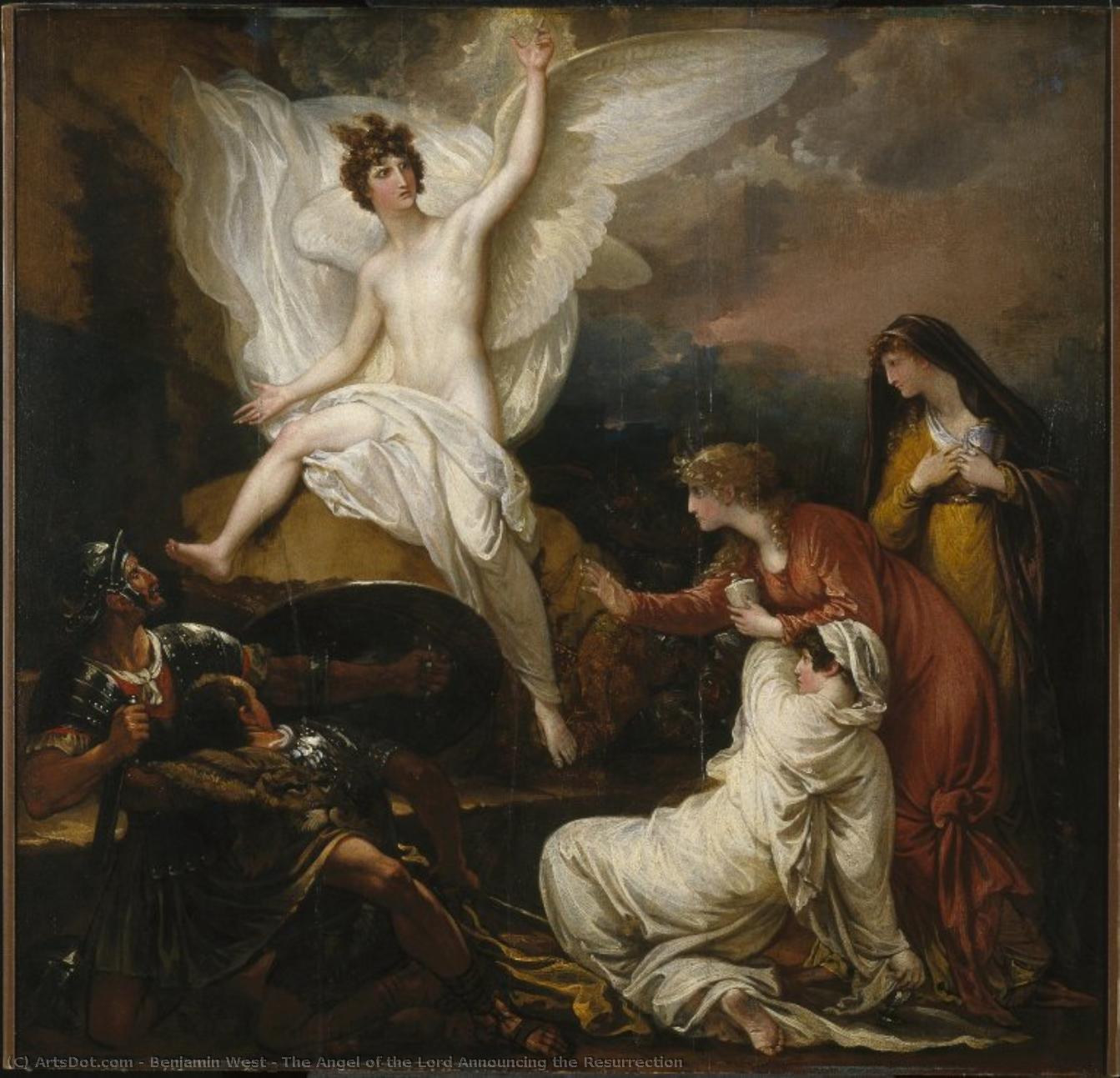
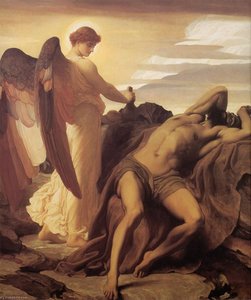
The Angel of the Lord Announcing the Resurrection
 Acrylic On Canvas
- WallArt
- Neoclassical Style
 1805
1805 82.0 x 135.0 cm
 Museo de Brooklyn
 Ver más
Giclée / Impresión de arte
Impresiones giclée o en lienzo de calidad de museo con producción rápida y opciones de acabado flexibles. ( Comprar pintura hecha a mano Comprar imagen)




P118B $10

P118H $10

P118W $10

P438Z $10

P508JH $12

P508YH $12

P805H $10

P805Z $10

P919BZ $10

P919G $10

P919XJ $10

P959ZH $10

P968JZ $12

W106C $8

W218G $10

W218JH $8

W218Y $10

W307PJ $10

W316G $10

W316PJ $8

W316Y $10

W398PJ $8

W4111J $10

W500HY $15

W500JH $15

W692G $12

W849H $8

W940BG $15

W953PJ $8




Elija entre nuestros tamaños predefinidos que respetan las proporciones originales de la obra.

Puede introducir sus propias dimensiones para adaptarse a un marco o espacio específico. Si el tamaño seleccionado no coincide con las proporciones de la imagen original, recortaremos la obra de arte o extenderemos la imagen con un borde con efecto espejo o de color sólido. Se enviará una maqueta digital para su aprobación antes de que comience la producción.
Tenga en cuenta que la vista previa en pantalla no refleja el recorte o la extensión real. Solo la maqueta mostrará con precisión la composición final.
Aunque existen tamaños personalizados, recomendamos seleccionar una dimensión de la lista predefinida para preservar las proporciones originales.
Envío a todo el mundo () en 2 semanas en lugar de las 4/5 semanas estándar. (24 agosto)

Envío exprés gratuito a todo el mundo

Lienzo de lino de alta calidad

Seguro de envío total

Garantía de reembolso de impuestos aduaneros

Garantía de fidelidad cromática exacta

Política de devolución de 60 días (solo por defectos)

Garantía de devolución del 100% del dinero

Descuento por cantidad
 La opción de vidrio solo está disponible en tamaños inferiores a 110 cm.

The Angel of the Lord Announcing the Resurrection
Giclée / Impresión de arte
Dimensiones de la reproducción
-


Precio total final
$ 62
Descripción de la pieza
A Pioneer Bridging Worlds: The Life and Legacy of Benjamin West
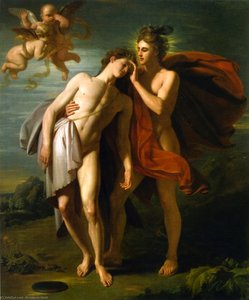
Benjamin West’s “The Angel of the Lord Announcing the Resurrection,” completed in 1805, stands as a testament to his extraordinary journey from provincial Pennsylvania to international acclaim—a figure who embodies the transformative spirit of the Romantic era while firmly rooted in the intellectual rigor of Neoclassicism. His formative years instilled within him an unparalleled dedication to artistic self-discovery, propelling him beyond conventional boundaries and establishing him as one of America’s foremost painters. Unlike many artists of his time, West eschewed formal instruction initially, absorbing knowledge from diverse sources—including Native American traditions—a practice that fostered a distinctive perspective on art and its relationship to the natural world. This unconventional path culminated in a prolific career marked by portraits of royalty and dignitaries alongside monumental canvases exploring themes of faith and heroism. The painting itself is a masterful depiction of biblical narrative, rendered in Rococo style – a stylistic choice that reflects West’s evolving artistic sensibilities as he embraced Romantic ideals. The composition centers around an angel radiating divine luminescence, positioned prominently against a backdrop of ethereal clouds—a deliberate allusion to depictions found throughout European art history. Surrounding the angelic figure are three individuals on the left side of the canvas: a grieving woman clutching her child, symbolizing sorrow and maternal devotion; a man kneeling in prayer, representing piety and spiritual contemplation; and a soldier bearing aloft a banner emblazoned with the Cross—a potent emblem of Christian faith and sacrifice. Conversely, four figures populate the right side of the painting, including a draped drapery that serves as an architectural element – highlighting West’s meticulous attention to detail and his command of artistic technique. West employed oil paints on canvas, utilizing glazing techniques to achieve remarkable luminosity and depth—a hallmark of Neoclassical artistry adapted for Romantic expression. The subtle gradations of color create an atmosphere of solemn grandeur, conveying the profound emotional impact of the resurrection narrative. Beyond its aesthetic beauty, “The Angel of the Lord” carries significant symbolic weight: the angel represents divine grace and redemption; the grieving woman embodies compassion and maternal suffering; the soldier symbolizes courage and unwavering faith—themes that resonated deeply with audiences grappling with questions of morality and spirituality during a period marked by political upheaval and social reform. “The Angel of the Lord Announcing the Resurrection” transcends mere visual representation, inviting viewers to contemplate the enduring power of religious belief and artistic innovation. Its legacy continues to inspire artists and collectors alike—a timeless masterpiece that exemplifies West’s unwavering commitment to exploring the complexities of human experience through the lens of classical ideals infused with Romantic fervor. It remains a captivating subject for interior designers seeking to infuse their spaces with grandeur, serenity, and profound symbolic resonance – a testament to Benjamin West's enduring contribution to the artistic canon.Obras relacionadas

Biografía del artista
Benjamin West: Un Pionero del Arte Americano
- Nacido: 10 de octubre de 1738, Springfield, Estados Unidos de América
- Fallecido: 11 de marzo de 1820
Primeros Años y Desarrollo Artístico
- Benjamin West nació en una familia modesta en Springfield, Pensilvania. Su padre regentaba una posada, y la familia posteriormente se mudó a Newtown Square.
- West demostró un talento artístico notable desde temprana edad, aparentemente aprendiendo técnicas de pintura rudimentarias de los nativos americanos.
- Recibió una educación formal limitada pero persiguió su pasión artística de forma independiente.
- Su carrera inicial se centró en el retrato en Pensilvania.
- Un momento crucial llegó con el estímulo para pintar "La Muerte de Sócrates", que difirió significativamente del grabado original y marcó un punto de inflexión en su carrera.
- En 1760, viajó a Italia, estudiando directamente las obras de maestros como Tiziano y Rafael, y encontrándose con artistas neoclásicos como Anton Rafael Mengs, Gavin Hamilton y Angelica Kauffman.
Carrera en Londres y la Royal Academy
- West se mudó a Londres en 1763 y rápidamente se convirtió en una figura destacada dentro de la escena artística británica.
- Fue elegido miembro de la Royal Academy y posteriormente sirvió como su presidente desde 1792 hasta su muerte en 1820.
- Sus pinturas históricas, como "La Partida de Regulus", obtuvieron un considerable reconocimiento, lo que le valió el apodo de “el Rafael americano”.
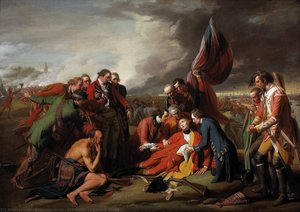
- Defendió un estilo que incorporaba la ropa contemporánea en escenas históricas, notablemente evidente en "La Muerte del General Wolfe", que desafió las convenciones artísticas tradicionales y provocó debates.
Estilo Artístico y Obras Principales
- El estilo de West evolucionó desde influencias neoclásicas tempranas para incorporar elementos del Romanticismo más adelante en su carrera.
- Obras notables incluyen:
- La Muerte del General Wolfe (1770) – Una obra innovadora que mezclaba la narrativa histórica con el vestuario contemporáneo.
- Tetis Trayendo la Armadura a Aquiles – Demuestra dominio de los temas clásicos y la composición.
- Las Tres Hermanas – Exhibe su capacidad para retratar sujetos alegóricos.
- El Asombro de Astyanax – Una representación dramática de una escena mitológica.
- La Cueva del Despair – Ejemplifica su estilo romántico en evolución.
- Su obra se caracteriza por su ambición, composición detallada y exploración de temas históricos y mitológicos.
Legado y Significado Histórico
- Benjamin West dejó un impacto duradero en el arte americano, pionero del género de la pintura histórica e influyendo en generaciones de artistas.
- Jugó un papel crucial en la configuración de la identidad de la expresión artística estadounidense.
- Su presidencia de la Royal Academy contribuyó significativamente al desarrollo del arte británico.
- El legado de West se extiende más allá de sus obras individuales; fomentó un entorno que alentó y apoyó a los artistas estadounidenses emergentes que estudiaban en el extranjero, incluyendo Allston, Copley y Morse.
- Su enfoque innovador de la pintura histórica allanó el camino para futuros movimientos artísticos y continúa inspirando a artistas contemporáneos y entusiastas del arte.
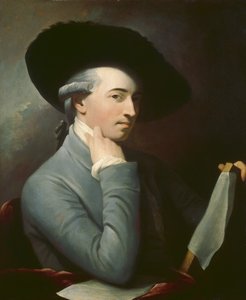
Benjamin West
1738 - 1820 , Estados Unidos de América
Datos clave
- Artistas Influenciados:
- Edward W. J. Savage
- Copley
- Allston
- Morse
- Artistas Que Influyeron:
- Tiziano
- Rafael
- Fecha De Fallecimiento: 11 de marzo de 1820
- Fecha De Nacimiento: 10 de octubre de 1738
- Lugar De Nacimiento: Springfield, EE. UU.
- Movimiento Artístico: Neoclasicismo, pintura histórica
- Nacionalidad: Estadounidense
- Nombre Completo: Benjamin West
- Obras Notables:
- La muerte del General Wolfe
- Tetis trayendo la armadura
- Las tres hermanas
- El pánico de Astyanax
- La cueva del Despair
Artículos relacionados
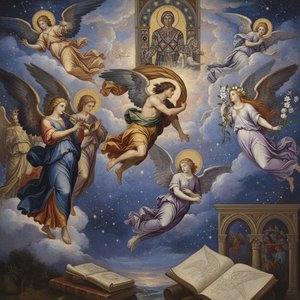
Celestial Messengers: Angels in Painting – A Historical & Artistic Exploration
Explore the captivating history of angels in painting! Discover symbolism, iconic Renaissance & Byzantine masterpieces, and renowned artists. Expert insights for art lovers & collectors at ArtsDot.
Celestial Messengers: A Comprehensive Exploration of Angelic Representation in Art History
Explore the captivating history of angels in art! Discover symbolism, iconic Renaissance masterpieces & renowned artists. Expert insights for art lovers & collectors at ArtsDot.
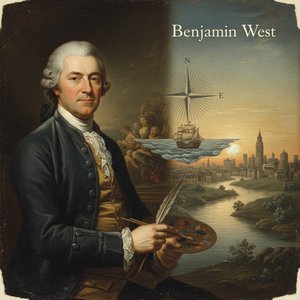
Benjamin West: Transatlantic Ambition & Shaping American Art
Explore the life & legacy of Benjamin West, pioneering American artist and Royal Academy president. Discover his Neoclassical masterpieces, transatlantic influence, and lasting impact on art history. Learn more at ArtsDot.

Rococó: 10 Obras Maestras que Definieron una Época | Arte y Decoración en
Descubre las 10 obras maestras del Rococó que marcaron una época. Explora la elegancia de Fragonard, Boucher y Watteau en . Reproducciones de arte de calidad museo para decorar tu hogar con estilo.

La Estética Rococó: Opulencia, Rebelión y Placer en el Arte del Siglo XVIII
Descubre la fascinante estética rococó: su historia, características clave y los artistas más influyentes del siglo XVIII. Un análisis profundo para amantes del arte y coleccionistas.