

 Enviar
 Compartir
 Detalles

 Descargar
 Similares
 Presentación de diapositivas
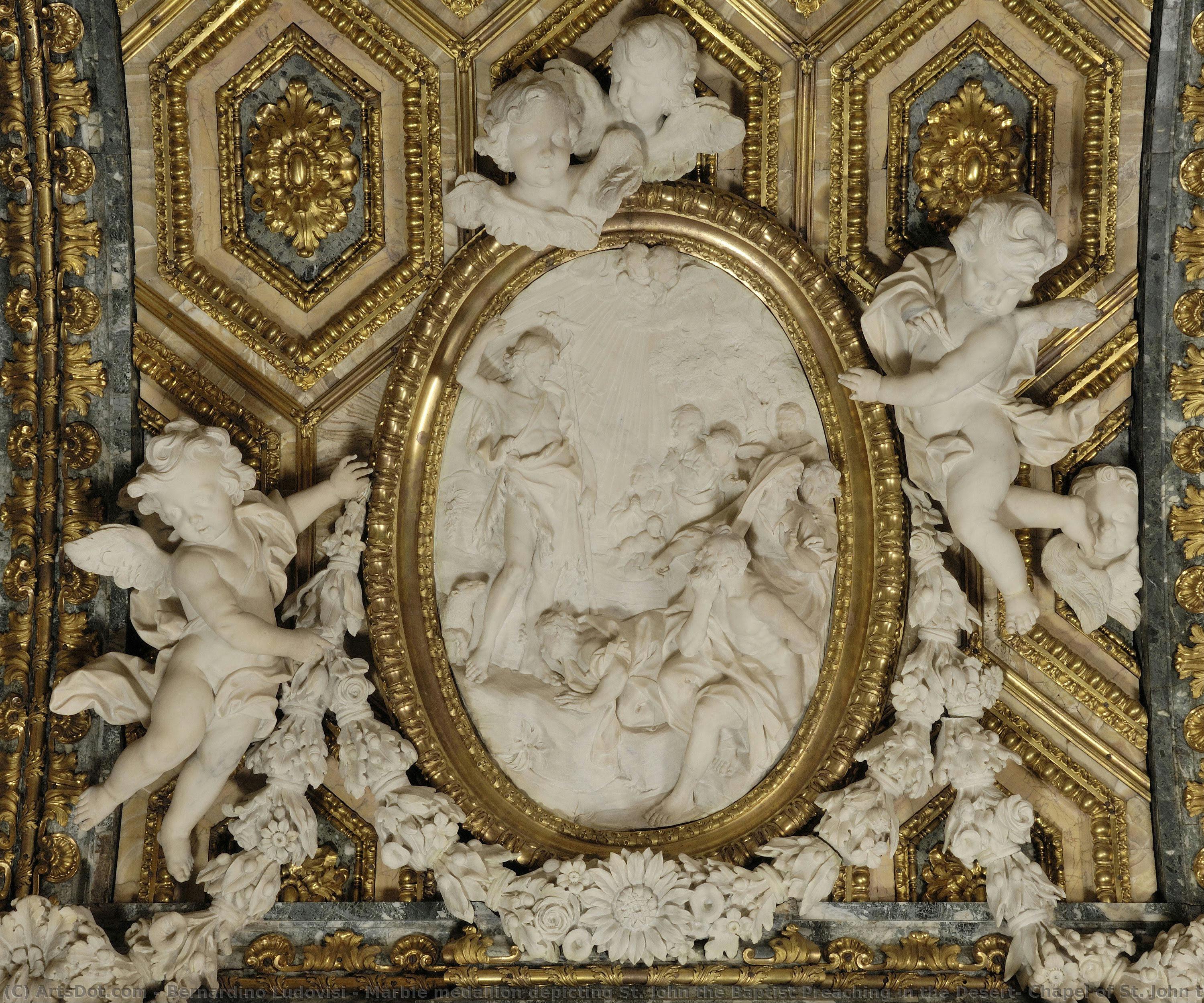
Marble medallion depicting St. John the Baptist Preaching in the Desert, Chapel of St. John the Baptist


 Ver más
Giclée / Impresión de arte
Impresiones giclée o en lienzo de calidad de museo con producción rápida y opciones de acabado flexibles. ( Comprar pintura hecha a mano Comprar imagen)




































Elija entre nuestros tamaños predefinidos que respetan las proporciones originales de la obra.

Puede introducir sus propias dimensiones para adaptarse a un marco o espacio específico. Si el tamaño seleccionado no coincide con las proporciones de la imagen original, recortaremos la obra de arte o extenderemos la imagen con un borde con efecto espejo o de color sólido. Se enviará una maqueta digital para su aprobación antes de que comience la producción.
Tenga en cuenta que la vista previa en pantalla no refleja el recorte o la extensión real. Solo la maqueta mostrará con precisión la composición final.
Aunque existen tamaños personalizados, recomendamos seleccionar una dimensión de la lista predefinida para preservar las proporciones originales.
Envío a todo el mundo () en 2 semanas en lugar de las 4/5 semanas estándar. (2 septiembre)

Envío exprés gratuito a todo el mundo

Lienzo de lino de alta calidad

Seguro de envío total

Garantía de reembolso de impuestos aduaneros

Garantía de fidelidad cromática exacta

Política de devolución de 60 días (solo por defectos)

Garantía de devolución del 100% del dinero

Descuento por cantidad
 La opción de vidrio solo está disponible en tamaños inferiores a 110 cm.

Marble medallion depicting St. John the Baptist Preaching in the Desert, Chapel of St. John the Baptist
Giclée / Impresión de arte
Dimensiones de la reproducción
-


Precio total final
$ 62
A Celestial Vision in Marble and Gold
In the hallowed quietude of the Chapel of St. John the Baptist, there exists a fragment of divine revelation captured in stone and light. The Marble medallion depicting St. John the Baptist Preaching in the Desert is not merely a decorative element, but a profound window into the spiritual fervor of the mid-eighteenth century. Created around 1750 by the Roman master Bernardino Ludovisi, this exquisite piece presents a central scene of prophetic intensity, framed within a luminous gold background that seems to radiate an eternal, heavenly glow. The composition draws the eye inward toward the marble medallion, where the rugged reality of the desert meets the ethereal grace of the celestial realm.
The artistry of Ludovisi shines through in the delicate interplay between the permanence of marble and the fluid movement of the surrounding figures. As one gazes upon the work, a host of angels descends from the heavens, their forms positioned with a rhythmic elegance that guides the viewer's soul toward the central figure of the Baptist. The presence of tender cherubs, peering from the periphery, adds a layer of innocent sweetness to the otherwise solemn scene, creating a balanced emotional landscape that oscillates between awe and intimacy. This mastery of composition ensures that the piece serves as a captivating focal point for any space, offering a sense of profound peace and historical depth.
The Mastery of Ludovisi: A Fusion of Naturalism and Mannerism
To understand the technical brilliance of this medallion, one must look to the unique stylistic lineage of Bernardino Ludovisi. An artist deeply rooted in the Roman tradition, Ludovisi possessed the rare ability to synthesize the restrained naturalism of Leonardo da Vinci and Raphael with the dramatic, almost artificial elegance characteristic of Mannerism. In this work, we see the fruits of that synthesis: the anatomical precision of the figures reflects a deep respect for nature, yet their arrangement possesses a sophisticated, stylized grace reminiscent of Michelangelo or El Greco.
The technique employed in the marble carving demonstrates an extraordinary command over texture and light. The sculptor has managed to imbue the cold stone with a sense of breath and vitality, making the desert scene feel palpable. For the discerning collector or interior designer, this piece represents more than just a reproduction of a historical relic; it is an invitation to bring the intellectual sophistication of the Italian Baroque into a contemporary setting. Whether placed in a grand library or a curated gallery space, the medallion acts as a conversation piece that bridges the gap between the classical past and modern aesthetic sensibilities.
Symbolism and the Eternal Call
Beyond its physical beauty, the medallion carries a heavy weight of symbolic meaning. St. John the Baptist, the precursor to Christ, stands as a symbol of preparation, repentance, and the voice crying out in the wilderness. The desert setting serves as a metaphor for spiritual solitude and the stripping away of worldly distractions to find truth. By surrounding this rugged scene with gold and angelic beings, Ludovisi elevates the earthly struggle of the saint into a cosmic event, suggesting that even in the most desolate landscapes, the divine is ever-present.
For those seeking to decorate a space with art that inspires contemplation, this piece offers an unparalleled emotional impact. It evokes a sense of timelessness and reverence, making it an ideal choice for environments designed for reflection, such as study halls, private chapels, or luxury residential suites. Owning a high-quality reproduction of such a masterpiece allows one to inhabit a world of beauty and devotion, surrounding oneself with the enduring legacy of Roman sculptural excellence.
Obras relacionadas
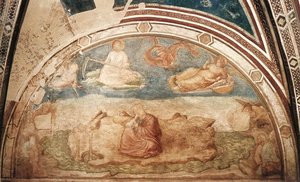
![Vida De San Juan El Evangelista - [01] - San Juan En Patmos — Giotto Di Bondone, Primer Renacimiento](/media/artworks/images-thumb/6e/49/6e49d55b6f8149eba22f9e0a7e269655.jpg)
Biografía del artista
primeros años y carrera
bernardino ludovisi, también conocido como bernardo, fue un escultor italiano nacido en Roma en 1693. Dedicó la mayor parte, si no la totalidad, de su trayectoria profesional a la ciudad eterna, personificando la laboriosidad del escultor activo de mediados del siglo XVIII.obras notables y estilo
Ludovisi es reconocido principalmente por su estatua de san juan bautista predicando en el desierto, creada en 1750 para la capilla de san juan bautista. Esta obra maestra despliega su maestría al capturar la esencia espiritual de las figuras religiosas, reflejando la sofisticación intelectual propia del manierismo.influencias artísticas y contribuciones
- La obra de Ludovisi se nutrió del naturalismo contenido de leonardo da vinci y rafael; sin embargo, también logró encarnar las cualidades más artificiosas del manierismo, presentes en los trabajos de michelangelo y el greco.
- Sus aportaciones al desarrollo de la escultura italiana son evidentes en sus tallas de mármol, las cuales logran un equilibrio entre sencillez y sofisticación, allanando el camino para numerosos escultores modernistas.
legado y memoria
A pesar de su fallecimiento en 1749, el legado de Ludovisa perdura a través de sus obras más insignes, entre las que destaca san juan bautista predicando en el desierto. Esta pieza constituye un testimonio de su destreza técnica y de su contribución fundamental al arte italiano.explore más de la obra de bernardino ludovisi
- Visite la página de bernardino ludovisi en ArtsDot para obtener más información sobre su vida y sus creaciones.
- Descubra otros artistas italianos, como luigi broggini, célebre por sus esculturas de mármol que fusionan la simplicidad con la elegancia.
- Profundice en el conocimiento del movimiento artístico manierista y su impacto en la escultura italiana.
obras y artistas relacionados
- michelangelo buonarroti: cristo resucitado (santa maria sopra minerva, roma, italia, mármol)
- gregorio di lorenzo di giovanni: bendición del cristo peregrino (biennale internazionale dell'antiquariato di firenze, florencia, italia, escultura)
- gregorio di lorenzo di giovanni: bendición del cristo peregrino
- luigi broggini: un renombrado escultor italiano conocido por sus piezas en mármol.
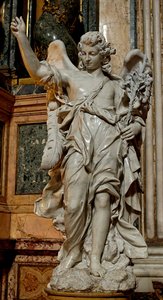
Bernardino Ludovisi
1693 - 1749 , Italia
Datos clave
- Artistas O Movimientos Influenciados Por Este Artista: ['Anthony van Dyck']
- Artistas Que Influyeron En Este Artista: ['Rembrandt']
- Fecha De Muerte: diciembre de 1693
- Fecha De Nacimiento: enero de 1634
- Lugar De Nacimiento: Dordrecht, Países Bajos
- Movimiento O Estilo Artístico: Género, Retrato
- Nacionalidad: Holandés
- Nombre Completo: Nicolaes Maes
- Obras Notables:
- Naturaleza muerta con vaso de nautilo
- Pronkstilleven
Artículos relacionados

John Constable: Las 25 Obras Maestras del Paisaje Inglés | ArtsDot
Descubre las 25 obras maestras de John Constable, el pintor romántico inglés que capturó la belleza del paisaje. Explora su técnica, historia y significado en ArtsDot.com. Reproducciones de arte de alta calidad para tu hogar.

John Singer Sargent: Las 25 Obras Maestras del Retrato y la Belle Époque | ArtsDot
Descubre las 25 obras maestras de John Singer Sargent, el maestro del retrato y la Belle Époque. Explora su técnica impresionista, historias fascinantes y encuentra reproducciones de arte exclusivas para decorar tu hogar con elegancia en ArtsDot.com.
Golden Glow: How to Use Metallic Gold Artworks to Elevate Your Home Decor with Timeless Luxury
Discover how to elevate your home with the timeless elegance of metallic gold artworks. From sculptural metal pieces to gilded oil paintings, learn expert interior design tips for integrating luxurious gold accents into your space with sophistication and grace.
The Allure of Gold in Art History: Symbolism, Technique & Cultural Significance
Explore the rich history of gold in art! Discover symbolism, techniques & cultural significance from ancient civilizations to Klimt's masterpieces. Expert insights for collectors at ArtsDot.
El Greco: Las 25 Obras Maestras que Definen un Genio del Arte y la Fe
Descubre las 25 obras maestras de El Greco, el genio del Renacimiento español. Explora su arte religioso, manierismo y la historia detrás de cuadros icónicos como 'El Entierro del Conde de Orgaz'. Encuentra reproducciones de alta calidad en ArtsDot.com.

