 Ver en contexto
 Enviar
 Compartir
 Detalles

 Descargar
 Similares
 Radiografía
 Presentación de diapositivas
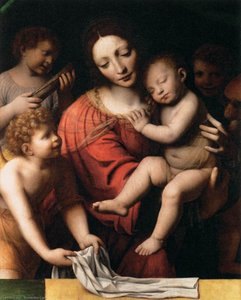
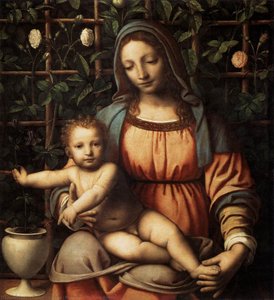
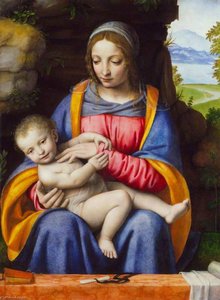
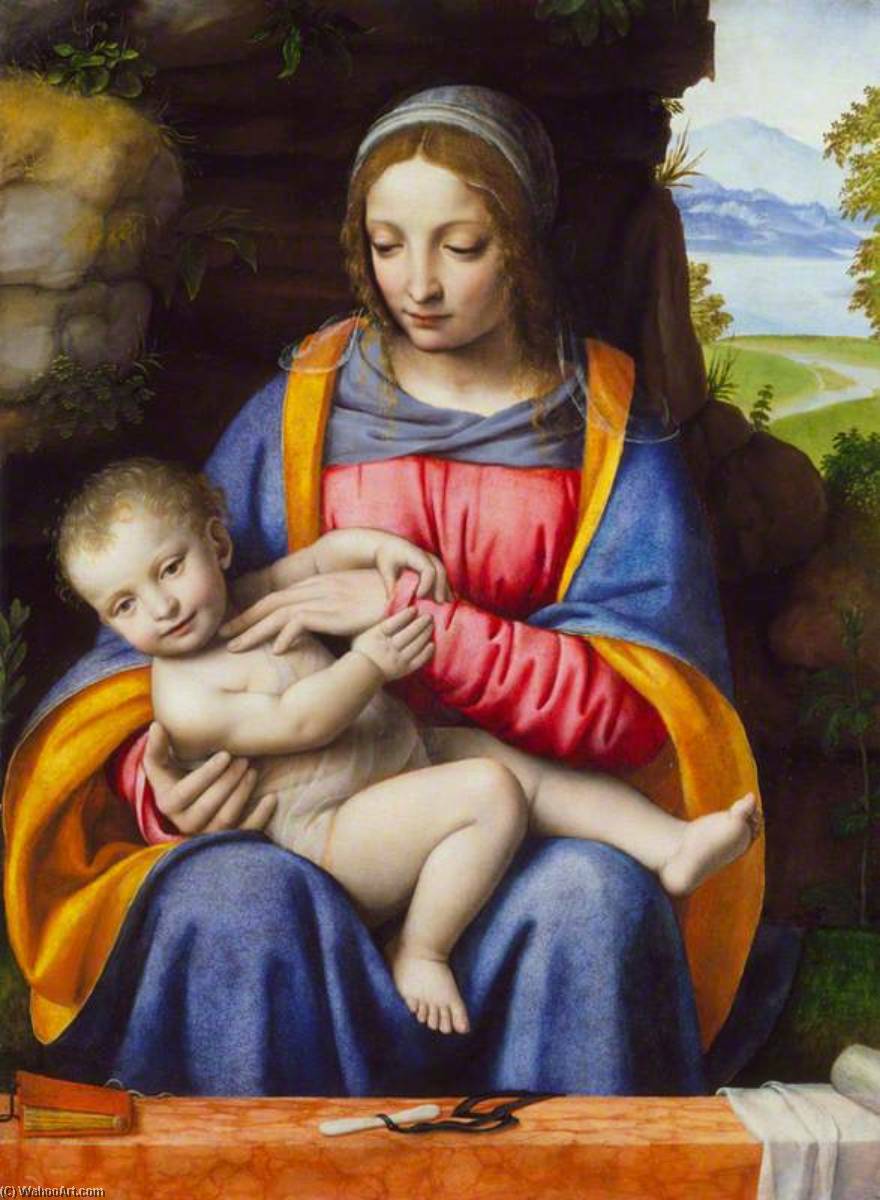
La Virgen y el Niño en un paisaje
 Óleo sobre tabla
- Arte de pared
- Retorno al Renacimiento
 1520
1520- Renacimiento
 73.0 x 54.0 cm
 The Wallace Collection
 Ver más
Reproducción al óleo hecha a mano
Óleo sobre lienzo pintado a mano en el tamaño y marco de su elección, realizado por encargo por nuestros artistas. ( Comprar impresión Comprar imagen)




P118B $10

P118H $10

P118W $10

P438Z $10

P508JH $12

P508YH $12

P805H $10

P805Z $10

P919BZ $10

P919G $10

P919XJ $10

P959ZH $10

P968JZ $12

W106C $8

W218G $10

W218JH $8

W218Y $10

W307PJ $10

W316G $10

W316PJ $8

W316Y $10

W398PJ $8

W4111J $10

W500HY $15

W500JH $15

W692G $12

W849H $8

W940BG $15

W953PJ $8




Elija entre nuestros tamaños predefinidos que respetan las proporciones originales de la obra.

Puede ingresar sus propias dimensiones para adaptarse a un marco o espacio específico. Si el tamaño seleccionado no coincide con las proporciones de la imagen original, recortaremos la obra o extenderemos la pintura con elementos adicionales pintados a mano. Se le enviará una maqueta digital para su aprobación antes de comenzar la producción.
Tenga en cuenta que la vista previa en pantalla no refleja el recorte o la extensión reales. Solo la maqueta mostrará con precisión la composición final.
Si bien existen tamaños personalizados, recomendamos seleccionar una dimensión de la lista predefinida para preservar las proporciones originales.
Tras realizar el pedido, el equipo de ArtsDot.com enviará un correo electrónico al cliente para solicitar instrucciones y proporcionarle una vista previa del boceto.
Envío a todo el mundo () en 3-4 semanas en lugar de las 5 semanas estándar. (29 agosto). Sin comprometer la calidad.

Envío exprés gratuito a todo el mundo

Lienzo de lino de alta calidad

Seguro de envío total

Garantía de reembolso de impuestos aduaneros

Garantía de fidelidad cromática exacta

Política de devolución de 60 días (solo por defectos)

Garantía de devolución del 100% del dinero

Descuento por cantidad
 La opción de vidrio solo está disponible en tamaños inferiores a 110 cm.

La Virgen y el Niño en un paisaje
Técnica de reproducción
Dimensiones de la reproducción
-


Precio total final
$ 263
A Vision of Renaissance Serenity
In the quietude of Bernardino Luini’s The Virgin and Child in a Landscape, one finds more than a mere religious icon; one encounters a profound meditation on the harmony between the divine and the natural world. Painted around 1520, this masterpiece serves as a luminous window into the High Renaissance, capturing a moment of eternal tenderness. The composition centers upon the serene Madonna, her gaze cast downward with a gentle, contemplative grace toward the infant Jesus. As she cradles the child close to her chest, there is an unmistakable sense of intimacy that transcends the centuries, inviting the viewer into a sacred space of peace and maternal devotion. The soft, ethereal light that batle the figures suggests a world touched by the divine, where every leaf and shadow participates in a larger, celestial symphony.
The technical brilliance of Luini is nowhere more evident than in his masterful use of sfumato and glazing techniques, legacies of his deep connection to the circle of Leonardo da Vinci. By layering thin, translucent washes of pigment, Luini achieved a breathtaking luminosity that seems to radiate from within the canvas itself. This meticulous approach allows for subtle tonal gradations, particularly in the delicate skin tones of the Virgin and Child and the soft, atmospheric haze that settles over the distant landscape. The background, a gently curving vista of lush foliage and soft hills, is not merely a setting but an active participant in the painting's emotional resonance. The way light filters through the trees creates a sense of depth and movement, grounding the sacred figures within a tangible, breathing reality.
Symbolism and the Spirit of Milan
Beyond its aesthetic splendor, the painting is rich with the symbolic language of the Milanese Renaissance. During this golden age, under the influential patronage of Ludovico Sforza, art was a vehicle for expressing humanist ideals—the belief in the beauty of human potential and the spiritual significance of the physical world. The landscape itself acts as an echo of paradise, a terrestrial reflection of the heavenly realm. Every element, from the tranquil water to the verdant greenery, serves to elevate the soul, encouraging a state of quiet contemplation. For the discerning collector or interior designer, this work offers a profound sense of equilibrium; its balanced composition and harmonious color palette make it an ideal centerpiece for spaces designed to inspire tranquility and intellectual reflection.
To possess a reproduction of such a significant work is to bring a piece of history into the modern home. It is an invitation to slow down, to observe the fine details of Luini’s brushwork, and to reconnect with the timeless themes of innocence and grace. Whether placed in a sunlit gallery or a sophisticated living space, The Virgin and Child in a Landscape acts as a focal point of elegance, offering a continuous dialogue between the grandeur of the Italian Renaissance and the contemporary pursuit of beauty and peace.
Obras relacionadas
Biografía del artista
Vida temprana y formación
Bernardino Luini, un destacado pintor del norte de Italia, nació en Runo, cerca del lago Maggiore, alrededor de 1480. Su vida temprana no está bien documentada, pero se sabe que se mudó a Milán con su padre en 1500. Según algunas fuentes, Luini fue aprendiz de Giovan Stefano Scotto, mientras que otros sugieren que fue alumno de Ambrogio Bergognone.Estilo artístico e influencias
La obra de Luini estuvo fuertemente influenciada por Leonardo da Vinci, con quien se cree que trabajó directamente. Esta influencia se puede observar en su uso del *sfumato*, una técnica que crea un efecto suave y brumoso mediante la aplicación de finas capas de pintura. El estilo de Luini también refleja el movimiento manierista, caracterizado por sus cualidades dramáticas y emocionales.Obras notables
- Adoración de los Magos (c. 1505) en San Pietro, Luino.
- San Antonio de Padua (década de 1510) en el Museo Poldi Pezzoli, influenciado por el políptico Cantù de Bernardino Zenale.
- Frescos para Villa Pelucca (1509-1514), ahora en la Pinacoteca di Brera, Milán.
Colecciones de museos y recursos en línea
- Pinacoteca di Brera, Milán: cuenta con varias obras de Luini, incluidos sus frescos para Villa Pelucca.
- ArtsDot.com: Bernardino Luini: ofrece una colección completa de las obras de arte de Luini, incluidas reproducciones de alta calidad e información detallada.
Legado
Las contribuciones de Luini a la pintura del norte de Italia son innegables. Su obra, marcada por sus elegantes figuras femeninas con ojos alargados, conocidas como "luinescas", ha sido ampliamente admirada e imitada. El hijo de Luini, Aurelio, también se convirtió en un pintor consumado, continuando con el legado artístico familiar. Fechas importantes:- Nacido: c. 1480, Runo, Italia
- Fallecido: junio de 1532, Milán, Italia
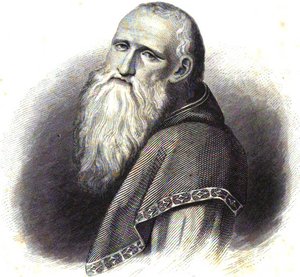
Bernardino Luini
1480 - 1532 , Italia
Datos clave
- Artistas Influenciados: ['Aurelio Luini']
- Artistas Que Influyeron: ['Leonardo da Vinci']
- Fecha De Fallecimiento: Junio 1532
- Fecha De Nacimiento: c. 1480
- Lugar De Nacimiento: Runo, Italia
- Movimiento Artístico: Renacimiento italiano
- Nacionalidad: Italiana
- Nombre Completo: Bernardino Luini
- Obras Notables:
- Adoración de los Magos
- San Antonio de Padua
- Frescos Villa Pelucca
Artículos relacionados

Fra Angelico: Las 25 Obras Maestras del Renacimiento para Decorar con Arte y Fe
Descubre las 25 obras maestras de Fra Angelico, el pintor renacentista que llenó el arte sacro de luz y fe. Explora su técnica, simbolismo y belleza en frescos e iconos. Encuentra reproducciones de alta calidad para decorar tu hogar con ArtsDot.com.

Giotto di Bondone: Las 25 Obras Maestras que Definieron el Renacimiento | ArtsDot
Descubre las 25 obras maestras de Giotto di Bondone, el pionero del Renacimiento. Explora la historia, técnica y simbolismo de sus frescos italianos más icónicos. Encuentra reproducciones de arte exclusivas para decorar tu hogar en ArtsDot.com.
Jacob Henricus Maris: A Master of Dutch Atmospheric Realism & the Intimate Landscape
Explore the captivating world of Jacob Henricus Maris, a leading figure of the Dutch Hague School. Discover his atmospheric landscapes, signature brushstrokes & lasting influence on 19th-century art. Learn more at ArtsDot.
Sacred Narratives Embodied: A Comprehensive Exploration of Religious Iconography in Art History
Explore the rich history of religious iconography in art! Discover symbolism, movements & masterpieces from Byzantine to Renaissance periods. Expert insights for collectors and enthusiasts at ArtsDot.
Sacred Narratives on Canvas: Exploring Religious Painting Through History
Explore the rich history of religious painting with ArtsDot.com! Discover iconic artworks, symbolism & techniques from antiquity to the Renaissance. Enhance your art appreciation today.