 Ver en contexto
 Enviar
 Compartir
 Detalles

 Descargar
 Similares
 Radiografía
 Presentación de diapositivas
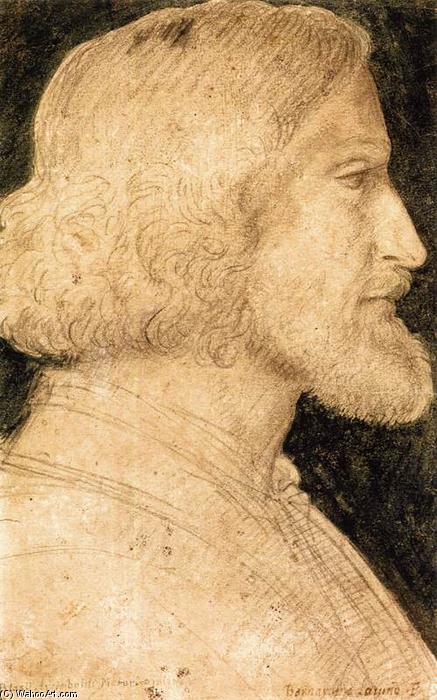
Portrait of Biagio Arcimboldo
 Acrylic On Canvas
- WallArt
- Northern Renaissance
 234.0 x 146.0 cm
 Museo Británico
 Ver más
Reproducción al óleo hecha a mano
Óleo sobre lienzo pintado a mano en el tamaño y marco de su elección, realizado por encargo por nuestros artistas. ( Comprar impresión Comprar imagen)




P118B $10

P118H $10

P118W $10

P438Z $10

P508JH $12

P508YH $12

P805H $10

P805Z $10

P919BZ $10

P919G $10

P919XJ $10

P959ZH $10

P968JZ $12

W106C $8

W218G $10

W218JH $8

W218Y $10

W307PJ $10

W316G $10

W316PJ $8

W316Y $10

W398PJ $8

W4111J $10

W500HY $15

W500JH $15

W692G $12

W849H $8

W940BG $15

W953PJ $8




Elija entre nuestros tamaños predefinidos que respetan las proporciones originales de la obra.

Puede ingresar sus propias dimensiones para adaptarse a un marco o espacio específico. Si el tamaño seleccionado no coincide con las proporciones de la imagen original, recortaremos la obra o extenderemos la pintura con elementos adicionales pintados a mano. Se le enviará una maqueta digital para su aprobación antes de comenzar la producción.
Tenga en cuenta que la vista previa en pantalla no refleja el recorte o la extensión reales. Solo la maqueta mostrará con precisión la composición final.
Si bien existen tamaños personalizados, recomendamos seleccionar una dimensión de la lista predefinida para preservar las proporciones originales.
Tras realizar el pedido, el equipo de ArtsDot.com enviará un correo electrónico al cliente para solicitar instrucciones y proporcionarle una vista previa del boceto.
Envío a todo el mundo () en 3-4 semanas en lugar de las 5 semanas estándar. (25 agosto). Sin comprometer la calidad.

Envío exprés gratuito a todo el mundo

Lienzo de lino de alta calidad

Seguro de envío total

Garantía de reembolso de impuestos aduaneros

Garantía de fidelidad cromática exacta

Política de devolución de 60 días (solo por defectos)

Garantía de devolución del 100% del dinero

Descuento por cantidad
 La opción de vidrio solo está disponible en tamaños inferiores a 110 cm.

Portrait of Biagio Arcimboldo
Técnica de reproducción
Dimensiones de la reproducción
-


Precio total final
$ 263
Descripción de la obra
Bernardino Luini’s Intimate Portrait of Biagio Arcimboldo
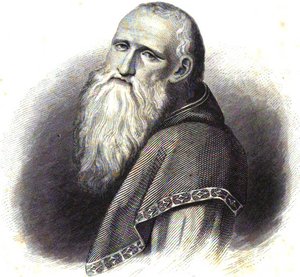
The image before us—a meticulously rendered portrait of Biagio Arcimboldo by Bernardino Luini—offers a captivating glimpse into the artistic world of 16th-century Milan. More than simply a likeness, this painting is a masterful exercise in visual storytelling, a testament to Luini’s unique “Luinesque” style and his deep engagement with the legacy of Leonardo da Vinci. The portrait, executed around 1532, depicts Arcimboldo, a renowned Venetian artist known for his elaborate, vegetable-and-object portraits—a precursor to the iconic biomorphic compositions that would later define Mannerism. Luini’s interpretation, however, is profoundly different; it's an intimate study of a man, imbued with a quiet dignity and a subtle melancholy.
Luini’s technique immediately draws the eye. The composition is remarkably balanced, anchored by Arcimboldo’s face—a carefully sculpted oval framed by a cascade of curly hair that falls gracefully over his shoulders. Notice the delicate rendering of the wrinkles around his eyes and mouth; these aren't mere signs of age but rather contribute to an expression of profound wisdom and perhaps even a hint of sadness. The artist employs *sfumato*, a technique borrowed directly from Leonardo, creating soft transitions between light and shadow that give the face a remarkable three-dimensionality. The dark background serves not as a distraction, but as a powerful device, intensifying the focus on Arcimboldo’s features and drawing the viewer into his gaze.
The “Luinesque” Style: A Legacy of Grace
Bernardino Luini was a pivotal figure in the artistic landscape of Milan, often considered a student and close associate of Leonardo da Vinci. His style is instantly recognizable—characterized by an extraordinary grace and a remarkable ability to imbue his subjects with a sense of serenity. Unlike the more flamboyant Mannerist tendencies prevalent at the time, Luini’s figures possess a quiet dignity and a palpable humanity. This is particularly evident in the way he renders the hair – not as a chaotic mass but as flowing strands that seem to possess an independent life.
Luini's work demonstrates a deep understanding of anatomy and perspective, yet his approach is remarkably understated. He avoids dramatic poses or overly elaborate details, instead focusing on capturing the essential character of his subjects. This restraint contributes significantly to the painting’s enduring appeal—it feels both timeless and deeply personal. The subtle modeling of Arcimboldo's face, combined with the soft lighting, creates a sense of intimacy that invites the viewer to contemplate the man before him.
Symbolism and Context: A Portrait Beyond Appearance
While the portrait appears straightforward on first glance, it’s laden with symbolic meaning. The inclusion of Arcimboldo's beard—a prominent feature in his earlier vegetable portraits—here suggests a connection to nature and perhaps even a reference to the artist’s own creative process. The dark background, reminiscent of Renaissance altarpieces, elevates the portrait beyond a simple likeness, transforming it into a devotional image. It speaks to Arcimboldo's status as a respected figure within the artistic community.
Considering Luini’s close association with Leonardo, one can discern echoes of Da Vinci’s approach in this work—a focus on observation, an understanding of human anatomy, and a masterful use of light and shadow. However, Luini transcends mere imitation; he imbues the portrait with his own distinctive sensibility, creating a work that is both deeply rooted in tradition and remarkably original. The painting serves as a poignant reminder of the enduring power of portraiture to capture not just physical likeness but also the essence of human character.
A Reproduction for Your Space
ArtsDot offers meticulously hand-painted reproductions of Bernardino Luini’s “Portrait of Biagio Arcimboldo,” capturing the painting's exquisite detail and evocative atmosphere. Each reproduction is created by skilled artists using traditional techniques, ensuring a faithful representation of the original while retaining its inherent beauty. Whether you are an art collector, an interior designer seeking to add a touch of Renaissance elegance, or simply someone who appreciates fine art, this reproduction provides a stunning way to bring Luini’s masterpiece into your home or office. The scale of 234 x 146 cm offers a substantial presence, allowing the portrait's nuanced details and emotional depth to truly resonate.
Obras relacionadas
Biografía del artista
Vida temprana y formación
Bernardino Luini, un destacado pintor del norte de Italia, nació en Runo, cerca del lago Maggiore, alrededor de 1480. Su vida temprana no está bien documentada, pero se sabe que se mudó a Milán con su padre en 1500. Según algunas fuentes, Luini fue aprendiz de Giovan Stefano Scotto, mientras que otros sugieren que fue alumno de Ambrogio Bergognone.Estilo artístico e influencias
La obra de Luini estuvo fuertemente influenciada por Leonardo da Vinci, con quien se cree que trabajó directamente. Esta influencia se puede observar en su uso del *sfumato*, una técnica que crea un efecto suave y brumoso mediante la aplicación de finas capas de pintura. El estilo de Luini también refleja el movimiento manierista, caracterizado por sus cualidades dramáticas y emocionales.Obras notables
- Adoración de los Magos (c. 1505) en San Pietro, Luino.
- San Antonio de Padua (década de 1510) en el Museo Poldi Pezzoli, influenciado por el políptico Cantù de Bernardino Zenale.
- Frescos para Villa Pelucca (1509-1514), ahora en la Pinacoteca di Brera, Milán.
Colecciones de museos y recursos en línea
- Pinacoteca di Brera, Milán: cuenta con varias obras de Luini, incluidos sus frescos para Villa Pelucca.
- ArtsDot.com: Bernardino Luini: ofrece una colección completa de las obras de arte de Luini, incluidas reproducciones de alta calidad e información detallada.
Legado
Las contribuciones de Luini a la pintura del norte de Italia son innegables. Su obra, marcada por sus elegantes figuras femeninas con ojos alargados, conocidas como "luinescas", ha sido ampliamente admirada e imitada. El hijo de Luini, Aurelio, también se convirtió en un pintor consumado, continuando con el legado artístico familiar. Fechas importantes:- Nacido: c. 1480, Runo, Italia
- Fallecido: junio de 1532, Milán, Italia
Bernardino Luini
1480 - 1532 , Italia
Datos clave
- Artistas Influenciados: ['Aurelio Luini']
- Artistas Que Influyeron: ['Leonardo da Vinci']
- Fecha De Fallecimiento: Junio 1532
- Fecha De Nacimiento: c. 1480
- Lugar De Nacimiento: Runo, Italia
- Movimiento Artístico: Renacimiento italiano
- Nacionalidad: Italiana
- Nombre Completo: Bernardino Luini
- Obras Notables:
- Adoración de los Magos
- San Antonio de Padua
- Frescos Villa Pelucca
Artículos relacionados
Mario Sironi: A Poetic of Modern Italian Identity Through Symbolism & Social Commentary
Explore the profound works of Mario Sironi, a key figure in Italian Modernism. Discover his evolution from Futurism to Metaphysical painting and his powerful social commentary. Learn about his legacy at ArtsDot.
Giovanni Fattori: Realism, Identity & the Tuscan Landscape – A Macchiaioli Master
Explore the life & art of Giovanni Fattori, a leading figure of the Macchiaioli movement. Discover his revolutionary realism, captivating Tuscan landscapes, and lasting impact on Italian painting. Learn more at ArtsDot.
Carlo Carrà: Futurist Visions & Metaphysical Transformations in Early 20th-Century Italian Painting
Explore the artistic journey of Carlo Carrà, a pivotal figure in Italian Futurism & Metaphysical painting. Discover his dynamic compositions, collaborations with de Chirico, and lasting influence on modern art history.
Virtud Cívica y Rivalidad Artística: Mecenazgo e Innovación en las Repúblicas Italianas del Renacimiento, 1400–1600
Descubre el Renacimiento italiano: mecenazgo, rivalidad artística y la explosión del humanismo. Análisis experto de artistas clave y su legado cultural. ¡Sumérgete en una época fascinante!
Venanzo Crocetti: A Study in Italian Modernism & Spatial Abstraction
Explore the captivating world of Venanzo Crocetti, a pivotal figure in Italian Modernism. Discover his iconic sculptures, public works, and lasting legacy – a must-read for discerning art collectors.