 Ver en contexto
 Enviar
 Compartir
 Detalles

 Descargar
 Similares
 Radiografía
 Presentación de diapositivas
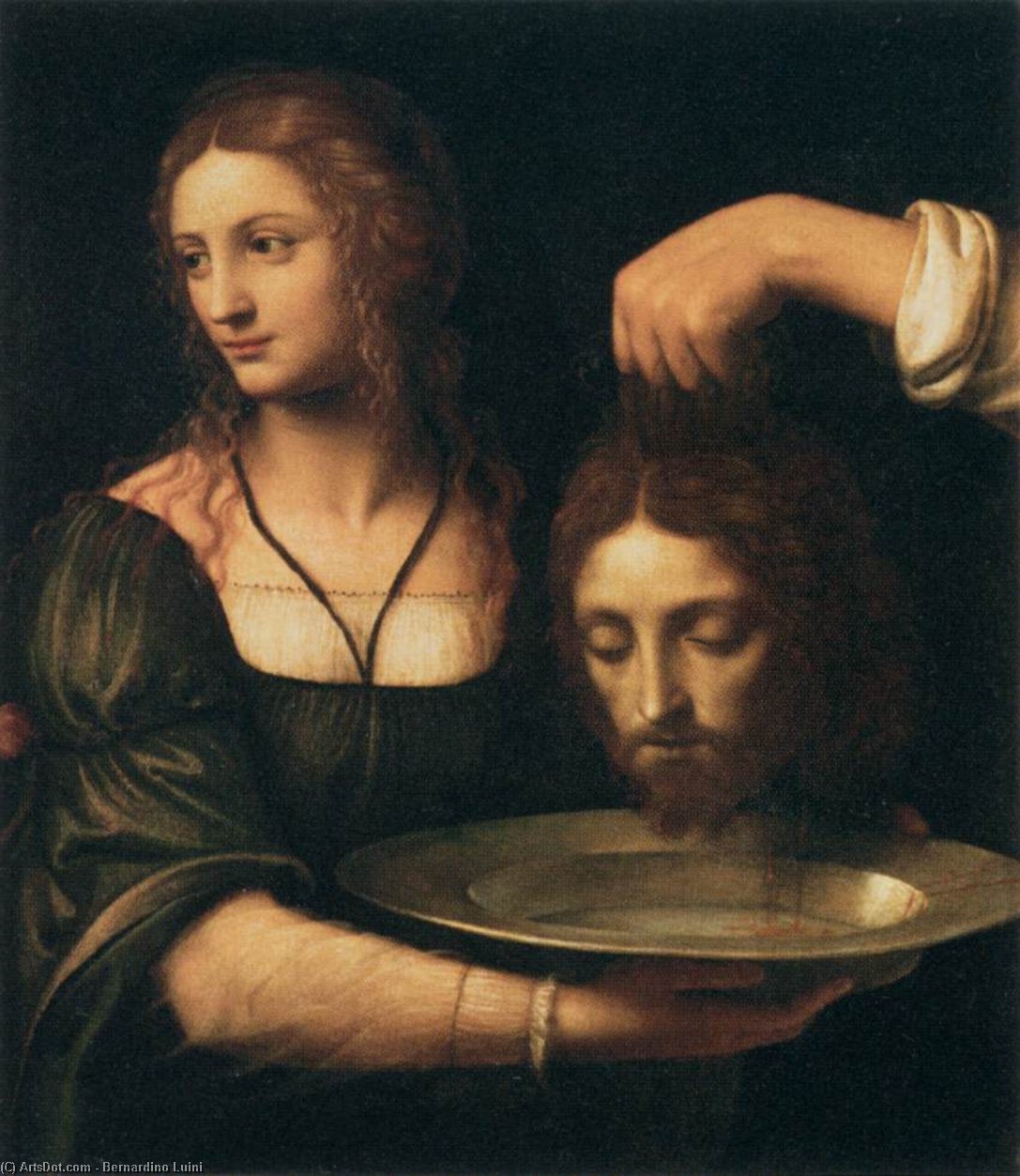
Salome Receiving the Head of St John the Baptist
 Oil On Canvas
- WallArt
- Italian Renaissance
 Renaissance
 62.0 x 55.0 cm
 Museo del Louvre
 Ver más
Giclée / Impresión de arte
Impresiones giclée o en lienzo de calidad de museo con producción rápida y opciones de acabado flexibles. ( Comprar pintura hecha a mano Comprar imagen)




P118B $10

P118H $10

P118W $10

P438Z $10

P508JH $12

P508YH $12

P805H $10

P805Z $10

P919BZ $10

P919G $10

P919XJ $10

P959ZH $10

P968JZ $12

W106C $8

W218G $10

W218JH $8

W218Y $10

W307PJ $10

W316G $10

W316PJ $8

W316Y $10

W398PJ $8

W4111J $10

W500HY $15

W500JH $15

W692G $12

W849H $8

W940BG $15

W953PJ $8




Elija entre nuestros tamaños predefinidos que respetan las proporciones originales de la obra.

Puede introducir sus propias dimensiones para adaptarse a un marco o espacio específico. Si el tamaño seleccionado no coincide con las proporciones de la imagen original, recortaremos la obra de arte o extenderemos la imagen con un borde con efecto espejo o de color sólido. Se enviará una maqueta digital para su aprobación antes de que comience la producción.
Tenga en cuenta que la vista previa en pantalla no refleja el recorte o la extensión real. Solo la maqueta mostrará con precisión la composición final.
Aunque existen tamaños personalizados, recomendamos seleccionar una dimensión de la lista predefinida para preservar las proporciones originales.
Envío a todo el mundo () en 2 semanas en lugar de las 4/5 semanas estándar. (1 septiembre)

Envío exprés gratuito a todo el mundo

Lienzo de lino de alta calidad

Seguro de envío total

Garantía de reembolso de impuestos aduaneros

Garantía de fidelidad cromática exacta

Política de devolución de 60 días (solo por defectos)

Garantía de devolución del 100% del dinero

Descuento por cantidad
 La opción de vidrio solo está disponible en tamaños inferiores a 110 cm.

Salome Receiving the Head of St John the Baptist
Giclée / Impresión de arte
Dimensiones de la reproducción
-


Precio total final
$ 62
The Dramatic Tableau of Sacrifice
Before you unfolds a scene steeped in dramatic tension and profound biblical narrative: Salome Receiving the Head of St John the Baptist. This painting captures that chilling, pivotal moment from scripture—a tableau vivant rendered with masterful intensity. The composition immediately draws the eye to the central, macabre offering: the severed head resting upon a platter. It is not merely an object depicted, but the culmination of desire, political maneuvering, and ultimate sacrifice. Salome herself, portrayed with flowing garments and cascading hair, embodies both tragic beauty and chilling compliance as she presents this gruesome trophy. The air around her seems thick with unspoken drama, inviting the viewer into the charged atmosphere of Herod's court.
Mastery in Renaissance Emotion
Attributed to the hand of Bernardino Luini, this work channels the vibrant emotionalism characteristic of the High Italian Renaissance. Luini, whose career blossomed under the shadow and influence of giants like Leonardo da Vinci, possessed a unique gift for rendering human emotion with palpable realism. Observe the subtle gestures—the tilt of Salome's head, the implied reaction of King Herod who looms nearby. These are not static figures; they are caught mid-breath, suspended in an instant of irreversible consequence. The artist’s technique allows the viewer to feel the weight of the moment, transforming a historical episode into a deeply felt psychological drama.
Symbolism and Narrative Depth
The symbolism woven throughout this piece is rich and complex. Beyond the literal depiction of martyrdom, the painting speaks volumes about power, obedience, and the cost of desire. The head itself functions as a potent symbol—a testament to both divine justice and human cruelty. For collectors and those who appreciate art with intellectual weight, this work offers endless avenues for contemplation. It forces a dialogue between beauty (Salome's presentation) and horror (the severed life), creating a visual tension that remains eternally compelling.
A Statement Piece for the Modern Collector
Measuring 62 x 55 cm, this reproduction size allows the dramatic narrative to command attention without overwhelming a sophisticated interior space. For those seeking an artwork that transcends mere decoration, offering instead a conversation piece steeped in art history and psychological depth, this painting is unparalleled. Whether adorning a formal drawing-room or serving as a focal point in a gallery setting, its rich tonality and Luini’s signature dramatic flair ensure it will anchor any collection with undeniable gravitas and artistic pedigree.
Obras relacionadas

Biografía del artista
Vida temprana y formación
Bernardino Luini, un destacado pintor del norte de Italia, nació en Runo, cerca del lago Maggiore, alrededor de 1480. Su vida temprana no está bien documentada, pero se sabe que se mudó a Milán con su padre en 1500. Según algunas fuentes, Luini fue aprendiz de Giovan Stefano Scotto, mientras que otros sugieren que fue alumno de Ambrogio Bergognone.Estilo artístico e influencias
La obra de Luini estuvo fuertemente influenciada por Leonardo da Vinci, con quien se cree que trabajó directamente. Esta influencia se puede observar en su uso del *sfumato*, una técnica que crea un efecto suave y brumoso mediante la aplicación de finas capas de pintura. El estilo de Luini también refleja el movimiento manierista, caracterizado por sus cualidades dramáticas y emocionales.Obras notables
- Adoración de los Magos (c. 1505) en San Pietro, Luino.
- San Antonio de Padua (década de 1510) en el Museo Poldi Pezzoli, influenciado por el políptico Cantù de Bernardino Zenale.
- Frescos para Villa Pelucca (1509-1514), ahora en la Pinacoteca di Brera, Milán.
Colecciones de museos y recursos en línea
- Pinacoteca di Brera, Milán: cuenta con varias obras de Luini, incluidos sus frescos para Villa Pelucca.
- ArtsDot.com: Bernardino Luini: ofrece una colección completa de las obras de arte de Luini, incluidas reproducciones de alta calidad e información detallada.
Legado
Las contribuciones de Luini a la pintura del norte de Italia son innegables. Su obra, marcada por sus elegantes figuras femeninas con ojos alargados, conocidas como "luinescas", ha sido ampliamente admirada e imitada. El hijo de Luini, Aurelio, también se convirtió en un pintor consumado, continuando con el legado artístico familiar. Fechas importantes:- Nacido: c. 1480, Runo, Italia
- Fallecido: junio de 1532, Milán, Italia

Bernardino Luini
1480 - 1532 , Italia
Datos clave
- Artistas Influenciados: ['Aurelio Luini']
- Artistas Que Influyeron: ['Leonardo da Vinci']
- Fecha De Fallecimiento: Junio 1532
- Fecha De Nacimiento: c. 1480
- Lugar De Nacimiento: Runo, Italia
- Movimiento Artístico: Renacimiento italiano
- Nacionalidad: Italiana
- Nombre Completo: Bernardino Luini
- Obras Notables:
- Adoración de los Magos
- San Antonio de Padua
- Frescos Villa Pelucca
Artículos relacionados

Giclée Prints: Archival Quality & Aesthetic Nuances for the Discerning Collector
Explore the world of giclée prints with ArtsDot. Learn about archival quality, aesthetic nuances & investment potential. Expert guidance for discerning art collectors seeking museum-quality reproductions and lasting value.

Drama Barroca: Llevando la Grandeza y la Emoción a los Interiores Contemporáneos
Descubre cómo el drama y la grandeza del arte barroco pueden transformar tus interiores. Guía experta, inspiración y reproducciones de alta calidad en .

Echoes of Time: Exploring the Enduring Appeal & Historical Context of Vintage Art Prints
Explore the captivating world of vintage art prints! Discover their history, collecting tips & enduring appeal. Expert insights on chromolithography and building a legacy collection with ArtsDot.

Barroco Sublime: 10 Obras Maestras que Definieron una Época |
Descubre las 10 obras maestras del Barroco que marcaron una época. Caravaggio, Bernini y Velázquez cobran vida en . Reproducciones de arte de calidad museo para decorar tu hogar con elegancia. ¡Explora la colección online!

The Enduring Legacy of Fine Art Prints: Technique, History & Aesthetic Impact
Explore the rich history & techniques of fine art prints. Discover investment potential, assess authenticity, and learn how to preserve your collection with expert guidance. Trusted insights for discerning collectors.