

 Ver en contexto
 Enviar
 Compartir
 Detalles

 Descargar
 Similares
 Radiografía
 Presentación de diapositivas
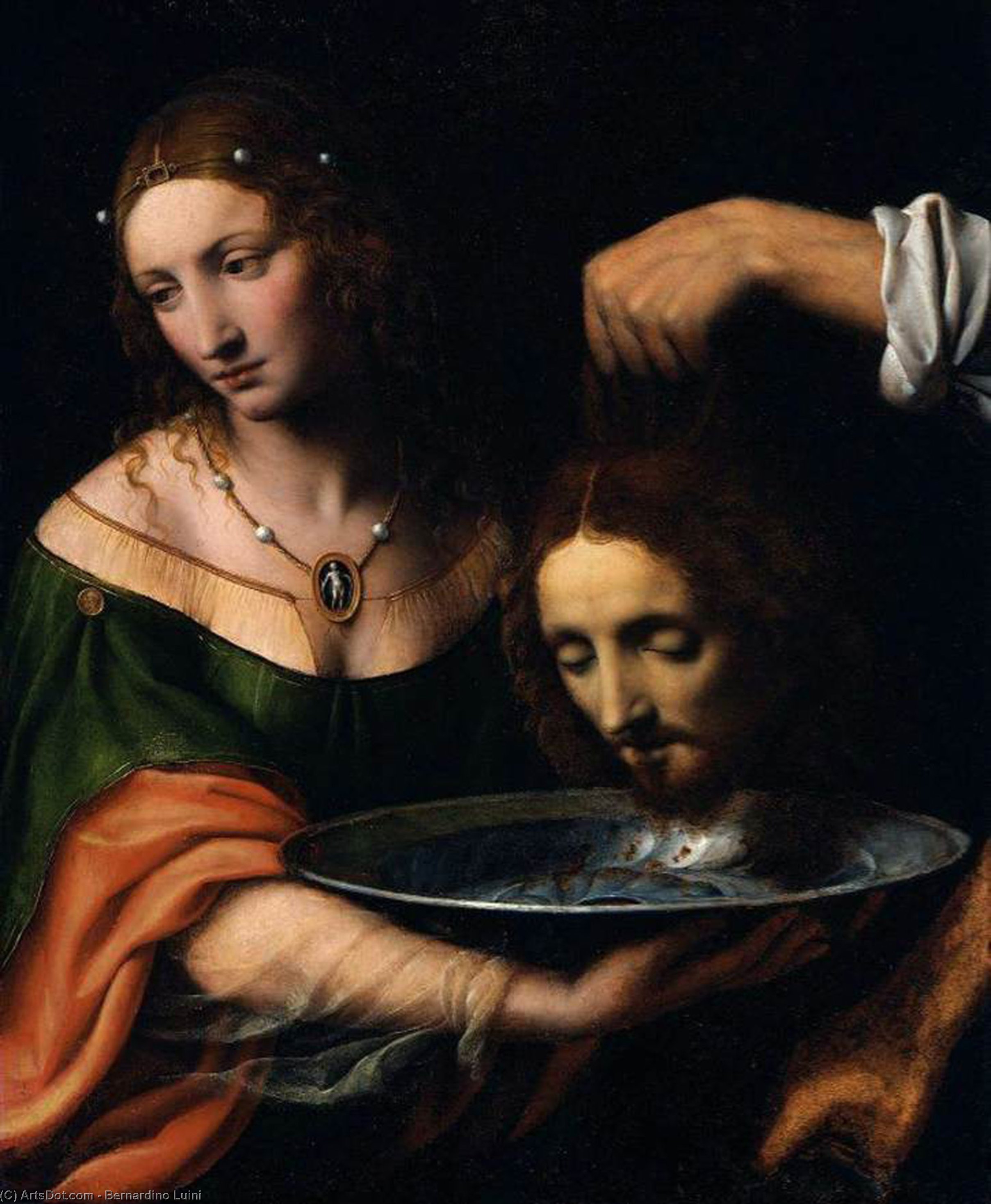
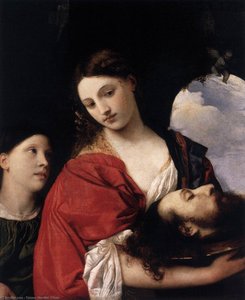
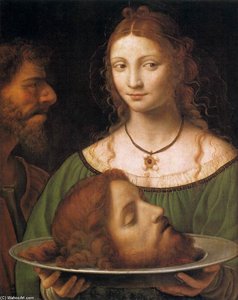
Salome with the Head of St John the Baptist
 Oil On Panel
- WallArt
- Renaissance Luminosity
 Renaissance
 62.0 x 51.0 cm
 Museo de Bellas Artes
 Ver más
Adquiera una imagen digital de alta resolución y optimizada, muy superior a la vista previa en línea.
Cada archivo es preparado meticulosamente por nuestros especialistas internos mediante el uso de herramientas avanzadas y un experto retoque manual. Nos aseguramos de que cada imagen posea una claridad excepcional, una precisión cromática impecable y un detalle minucioso.
El archivo final se entrega por correo electrónico en un plazo de 72 horas, optimizado para su uso inmediato en entornos profesionales, editoriales y de impresión. Esta es la misma calidad en la que confían los estudios de diseño, las editoriales y las galerías de primer nivel.
Imagen Digital
Descarga un archivo de alta resolución para exhibición personal, impresión y proyectos creativos. ( Comprar impresión Comprar pintura hecha a mano)
Incluido en cada pedido de imágenes digitales
Entrega digital experta, garantizada.
Al elegir ArtsDot.com, no solo está adquiriendo una imagen; está recibiendo una obra de arte digital mejorada profesionalmente, elaborada con precisión y respaldada por una garantía de satisfacción. Esto es todo lo que incluye su pedido, automáticamente:

Entrega rápida por email
Recibirá su archivo de imagen digital en alta resolución por correo electrónico en un plazo de 72 horas tras realizar su pedido, listo para su uso inmediato.

Archivo digital optimizado por IA
Su obra de arte se optimiza profesionalmente mediante herramientas avanzadas de IA y edición manual, garantizando el máximo detalle, claridad y precisión cromática.

Reenvío gratuito de por vida
¿Has borrado o perdido tu archivo por error? No te preocupes: te lo volveremos a enviar en cualquier momento, sin coste adicional.

Sin gastos de importación, siempre
Disfrute de su obra de arte al instante sin aduanas, aranceles ni gastos de envío; las descargas digitales siempre están libres de impuestos.

Garantía de fidelidad de color
Garantizamos que su imagen digital refleje los colores originales con la mayor fidelidad posible, mediante el uso de herramientas profesionales y gestión del color.

Garantía de satisfacción de 60 días
Si no está satisfecho con su imagen digital, la revisaremos o le reembolsaremos el 100% en un plazo de 60 días, sin preguntas.

100% Garantía de devolución de dinero
¿No está satisfecho? Obtenga un reembolso completo dentro de los 60 días posteriores a la recepción de su archivo digital, sin necesidad de explicaciones.

Descuentos por pedidos grandes
Compra 3 imágenes, ahorra 10% - Compra 5, ahorra 15% - Compra 10+, ahorra 20%. Ideal para proyectos creativos, galerías y agencias.
A Chilling Tableau of Renaissance Drama
In the quiet intensity of Bernardino Luini’s Salome with the Head of St John the Baptist, we encounter one of the most visceral and haunting narratives of the biblical era. Completed around 1527, this masterpiece does not merely depict a moment of historical violence; it captures the heavy, breathless tension that precedes a revelation. The scene centers on Salome, the daughter of Herodias, as she presents the severed head of John the Baptist upon a silver platter. While the subject matter is undeniably macabre, Luini transcends the shock of decapitation to explore the complex psychological layers of betrayal, power, and the chilling weight of a fulfilled, albeit bloody, request.
The composition draws the viewer into a tight, intimate circle of figures, where every gaze and gesture carries profound narrative weight. As Salome holds the platter, her presence is marked by a certain ethereal grace that stands in stark, unsettling contrast to the grisly offering she bears. This juxtaposition creates a sense of cognitive dissonance—a hallmark of high Renaissance drama—where beauty and horror coexist within the same frame, forcing the observer to confront the duality of human nature.
The Mastery of the Luinesque Style
To look upon this work is to witness the profound influence of Leonardo da Vinci upon the Lombard school. Luini, a master of the sfumato technique, employs a subtle, smoky haze to soften the contours of his figures, lending them an otherworldly, dreamlike quality. This delicate treatment of light and shadow—the interplay of chiaroscroll—serves to blur the lines between reality and myth, making the scene feel less like a historical record and more like a haunting vision. The skin tones are rendered with a luminous realism, yet there is an unmistakable softness that permeates the atmosphere, enveloping the characters in a veil of quietude.
The technical execution is nothing short of sublime. Luini’s ability to render textures—the heavy drape of fabric, the cold sheen of the metal platter, and the tragic stillness of the severed head—demonstrates a virtuosity that captivated even the most discerning collectors of his era. For the modern connoisseur or interior designer, this painting offers a sophisticated balance of tonal depth and classical elegance. It is a work that commands attention through its subtlety rather than through overt aggression, making it an exquisite focal point for a curated collection or a grand, contemplative space.
Symbolism and Eternal Resonance
Beyond the literal depiction of the biblical tragedy, the painting is a labyrinth of symbolic meaning. The positioning of the figures—the watchful presence of the guards and the focused attention of the onlookers—suggests a larger political and moral framework. It is a study in feminine agency and its darker implications; Salome becomes a vessel for a vengeance that is both personal and political. The painting reflects the humanist spirit of the Renaissance, where religious stories were utilized as mirrors to examine human psychology, morality, and the consequences of unchecked ambition.
For those seeking to bring a piece of art history into their homes, a high-quality reproduction of this Luini masterpiece offers more than just decoration. It provides an opportunity to inhabit a moment of profound historical significance. The painting’s enduring emotional impact lies in its ability to provoke thought and conversation, inviting viewers to linger on the delicate interplay of light, shadow, and the eternal struggle between grace and cruelty. It is a timeless addition to any environment that values depth, narrative complexity, and the breathtaking beauty of the Italian Renaissance.
Obras relacionadas
Biografía del artista
Vida temprana y formación
Bernardino Luini, un destacado pintor del norte de Italia, nació en Runo, cerca del lago Maggiore, alrededor de 1480. Su vida temprana no está bien documentada, pero se sabe que se mudó a Milán con su padre en 1500. Según algunas fuentes, Luini fue aprendiz de Giovan Stefano Scotto, mientras que otros sugieren que fue alumno de Ambrogio Bergognone.Estilo artístico e influencias
La obra de Luini estuvo fuertemente influenciada por Leonardo da Vinci, con quien se cree que trabajó directamente. Esta influencia se puede observar en su uso del *sfumato*, una técnica que crea un efecto suave y brumoso mediante la aplicación de finas capas de pintura. El estilo de Luini también refleja el movimiento manierista, caracterizado por sus cualidades dramáticas y emocionales.Obras notables
- Adoración de los Magos (c. 1505) en San Pietro, Luino.
- San Antonio de Padua (década de 1510) en el Museo Poldi Pezzoli, influenciado por el políptico Cantù de Bernardino Zenale.
- Frescos para Villa Pelucca (1509-1514), ahora en la Pinacoteca di Brera, Milán.
Colecciones de museos y recursos en línea
- Pinacoteca di Brera, Milán: cuenta con varias obras de Luini, incluidos sus frescos para Villa Pelucca.
- ArtsDot.com: Bernardino Luini: ofrece una colección completa de las obras de arte de Luini, incluidas reproducciones de alta calidad e información detallada.
Legado
Las contribuciones de Luini a la pintura del norte de Italia son innegables. Su obra, marcada por sus elegantes figuras femeninas con ojos alargados, conocidas como "luinescas", ha sido ampliamente admirada e imitada. El hijo de Luini, Aurelio, también se convirtió en un pintor consumado, continuando con el legado artístico familiar. Fechas importantes:- Nacido: c. 1480, Runo, Italia
- Fallecido: junio de 1532, Milán, Italia

Bernardino Luini
1480 - 1532 , Italia
Breves datos
- Artistas Influenciados: ['Aurelio Luini']
- Artistas Que Influyeron: ['Leonardo da Vinci']
- Fecha De Fallecimiento: Junio 1532
- Fecha De Nacimiento: c. 1480
- Lugar De Nacimiento: Runo, Italia
- Movimiento Artístico: Renacimiento italiano
- Nacionalidad: Italiana
- Nombre Completo: Bernardino Luini
- Obras Notables:
- Adoración de los Magos
- San Antonio de Padua
- Frescos Villa Pelucca

