 Ver en contexto
 Enviar
 Compartir
 Detalles

 Descargar
 Similares
 Radiografía
 Presentación de diapositivas
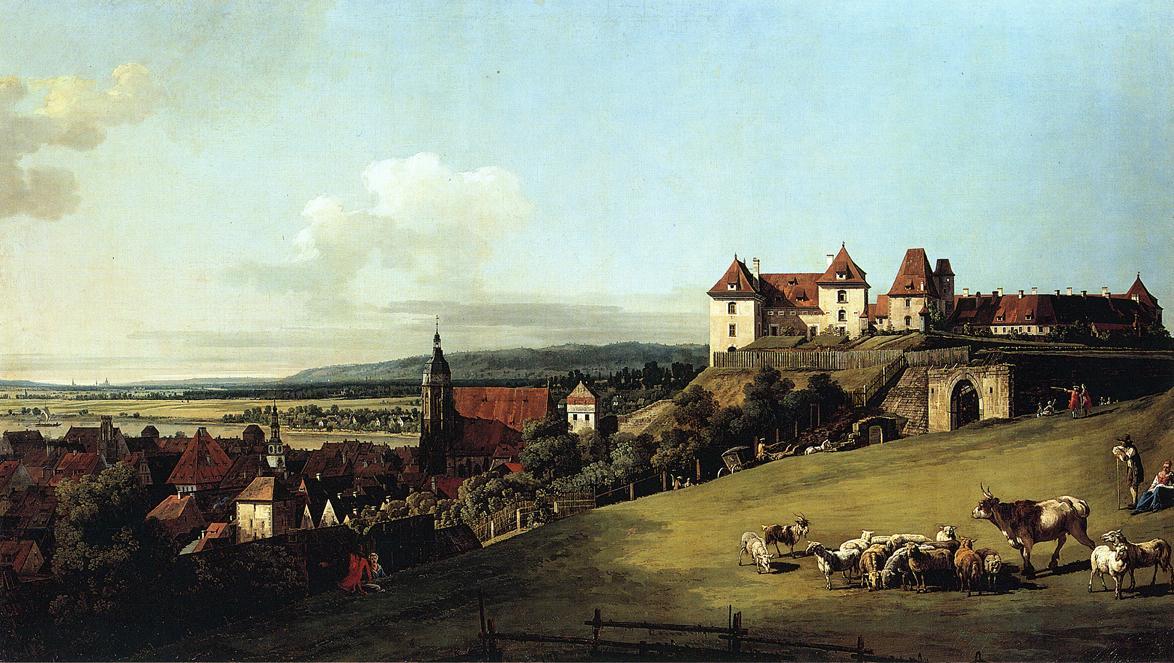
Fortress of Sonnenstein above Pirna
 Acrylic On Canvas
- WallArt
- Rococo/Neoclassicism
 1753
1753 132.0 x 235.0 cm
 Staatliche Kunstsammlungen Dresden
 Ver más
Giclée / Impresión de arte
Impresiones giclée o en lienzo de calidad de museo con producción rápida y opciones de acabado flexibles. ( Comprar pintura hecha a mano Comprar imagen)




P118B $10

P118H $10

P118W $10

P438Z $10

P508JH $12

P508YH $12

P805H $10

P805Z $10

P919BZ $10

P919G $10

P919XJ $10

P959ZH $10

P968JZ $12

W106C $8

W218G $10

W218JH $8

W218Y $10

W307PJ $10

W316G $10

W316PJ $8

W316Y $10

W398PJ $8

W4111J $10

W500HY $15

W500JH $15

W692G $12

W849H $8

W940BG $15

W953PJ $8




Elija entre nuestros tamaños predefinidos que respetan las proporciones originales de la obra.

Puede introducir sus propias dimensiones para adaptarse a un marco o espacio específico. Si el tamaño seleccionado no coincide con las proporciones de la imagen original, recortaremos la obra de arte o extenderemos la imagen con un borde con efecto espejo o de color sólido. Se enviará una maqueta digital para su aprobación antes de que comience la producción.
Tenga en cuenta que la vista previa en pantalla no refleja el recorte o la extensión real. Solo la maqueta mostrará con precisión la composición final.
Aunque existen tamaños personalizados, recomendamos seleccionar una dimensión de la lista predefinida para preservar las proporciones originales.
Envío a todo el mundo () en 2 semanas en lugar de las 4/5 semanas estándar. (26 agosto)

Envío exprés gratuito a todo el mundo

Lienzo de lino de alta calidad

Seguro de envío total

Garantía de reembolso de impuestos aduaneros

Garantía de fidelidad cromática exacta

Política de devolución de 60 días (solo por defectos)

Garantía de devolución del 100% del dinero

Descuento por cantidad
 La opción de vidrio solo está disponible en tamaños inferiores a 110 cm.

Fortress of Sonnenstein above Pirna
Giclée / Impresión de arte
Dimensiones de la reproducción
-


Precio total final
$ 62
Descripción de la pieza
A Window into a Prussian Past: The Fortress of Sonnenstein
Bernardo Bellotto’s “Fortress of Sonnenstein Above Pirna,” painted in 1753, isn't merely a depiction of a fortified town; it’s a meticulously rendered snapshot of a specific moment in time – the cusp of the mid-18th century. The painting captures not just the physical structure of Sonnenstein Castle and the surrounding town of Pirna nestled within the Ore Mountains of Saxony, but also the atmosphere of a bustling community, a vibrant microcosm reflecting the social and political realities of Prussia under Frederick II. Bellotto’s genius lies in his ability to transform topographical detail into a compelling narrative, inviting the viewer to step back centuries and experience this scene as if they were present.
Bellotto was a master of the “veduta,” an Italian term for cityscape painting that gained immense popularity across Europe. Unlike simple landscape views, vedute sought to capture the essence of urban life – its architecture, its people, its energy. Bellotto’s style is characterized by a remarkable precision and a cool, almost detached observation. He eschewed dramatic lighting or exaggerated emotions in favor of a balanced composition and an acute awareness of perspective. This painting exemplifies his skill; every building, every road, every figure is rendered with painstaking accuracy, creating a sense of immense depth and realism.
The Castle as Symbol: Power and Protection
Sonnenstein Castle itself holds significant historical weight. Originally built in the 13th century, it evolved over centuries into a formidable fortress, reflecting the shifting political landscape of the region. By the mid-18th century, it served as a crucial strategic point, guarding against potential invasions and embodying the power of the Prussian monarchy. Bellotto’s depiction emphasizes this role through the castle's imposing presence – its towering walls, fortified gatehouse, and strategically positioned towers dominate the scene. The careful arrangement of figures around the castle underscores its importance as a center of authority and defense.
However, Sonnenstein wasn’t simply a symbol of military strength. It also housed a renowned library, attracting scholars and intellectuals from across Europe. Bellotto subtly hints at this intellectual life through the inclusion of individuals engaged in various activities – merchants conducting business, farmers tending their fields, and people strolling along the streets. This juxtaposition of military might and scholarly pursuits speaks to the complex nature of 18th-century Prussia, a nation that valued both power and enlightenment.
A Masterclass in Technique: Light, Shadow, and Perspective
Bellotto’s technical prowess is immediately apparent in his masterful use of light and shadow. He employs a subtle chiaroscuro – the dramatic contrast between light and dark – to create a sense of depth and volume. The warm glow of the sunlight illuminates the castle walls and the surrounding buildings, while shadows deepen the recesses and suggest the hidden corners of the town. The artist’s meticulous attention to perspective is equally impressive; the roads converge in the distance, creating an illusion of vastness, while the figures are rendered with a remarkable sense of scale.
Bellotto's use of color is restrained and harmonious, dominated by earthy tones – browns, grays, and ochres – that evoke the rugged landscape of the Ore Mountains. He employs subtle variations in hue to differentiate between different materials – the rough texture of the stone walls, the vibrant colors of the clothing worn by the townspeople, and the verdant green of the surrounding meadows. The painting is a testament to Bellotto’s ability to capture not just what he saw but also how it *felt*—the cool air, the warmth of the sun, the quiet energy of everyday life.
A Legacy Preserved: Reproduction and Inspiration
Bellotto's “Fortress of Sonnenstein Above Pirna” offers a rare glimpse into a bygone era. Today, high-quality reproductions allow us to appreciate the artist’s skill and vision on a grand scale. Whether adorning a study, a gallery wall, or a corporate lobby, this painting evokes a sense of timeless beauty and historical significance. It's more than just an image; it’s a portal to a specific place and time—a reminder of Prussia’s strategic importance, its intellectual vibrancy, and the enduring power of art to capture the essence of human experience.
Obras relacionadas
Biografía del artista
Primeros años y formación
Bernardo Bellotto, un renombrado pintor italiano, nació en Venecia alrededor de 1721/2 o el 30 de enero de 1721. Fue sobrino y alumno del famoso Giovanni Antonio Canal Canaletto, una figura destacada en la escuela veneciana de pintura.Estilo artístico y carrera
El estilo artístico de Bellotto se caracterizó por su elaborada representación de paisajes arquitectónicos y naturales, así como por la cualidad única de la iluminación de cada lugar. Era conocido por su excepcional habilidad para capturar la esencia de los paisajes urbanos, lo que le llevó a ser invitado a trabajar para varios monarcas europeos.- Viajó a Roma (1742), Italia del norte (1744-1745) y luego se trasladó a Dresde (1747-1758) por invitación del rey Augusto III de Polonia.
- Sus obras en Dresde preservaron la belleza prebélica de la ciudad, ahora destruida.
- Recibió una invitación de la emperatriz María Teresa para trabajar en Viena (1758), donde pintó los monumentos de la ciudad.
Obras destacadas y legado
Algunas de las obras más notables de Bellotto incluyen:- Vista del Gran Canal: Santa Maria della Salute y la Dogana desde Campo Santa Maria Zobenigo (1743)
- Capricho arquitectónico con un autorretrato de Bellotto en el costume de un noble veneciano
Influencias y desarrollo artístico
Bellotto inicialmente siguió el estilo de su tío Canaletto, pero gradualmente desarrolló una voz artística propia. Se caracterizó por un uso más frío del color, una mayor predominancia del claroscuro y una precisión aún más exacta del realismo topográfico. A diferencia de Canaletto, Bellotto a menudo incorporaba elementos atmosféricos como nubes y sombras más profundas en sus pinturas, acercándose al estilo de la pintura holandesa. Su habilidad para capturar la luz y la atmósfera de un lugar lo convirtió en un artista muy solicitado por los monarcas europeos.Importancia histórica
Las obras de Bellotto son valiosas no solo como ejemplos de arte vedutista, sino también como documentos históricos precisos de las ciudades europeas del siglo XVIII. Sus pinturas de Dresde y Varsovia, por ejemplo, proporcionaron información crucial para la reconstrucción de estas ciudades después de la Segunda Guerra Mundial. Su atención al detalle y su habilidad para representar con precisión los edificios y paisajes urbanos lo convierten en un artista de gran importancia histórica.
Bernardo Bellotto
1721 - 1780 , Italia
Datos clave
- Artistas Que Influyeron: ['Canaletto']
- Estilo Artístico: Vedutismo
- Fecha De Nacimiento: 30 de enero de 1721
- Influencia En Artistas: ['Reconstrucción urbana']
- Lugar De Nacimiento: Venecia, Italia
- Nacionalidad: Italiano
- Nombre Completo: Bernardo Bellotto
- Obras Notables:
- Vista del Gran Canal
- Capricho arquitectónico
- Vistas de Dresde
- Vistas de Viena
- Vistas de Varsovia
Artículos relacionados

Paisajes Románticos: 10 Obras Maestras que Definieron un Movimiento Artístico
Descubre los 10 paisajes románticos más influyentes de artistas como Caspar David Friedrich y Turner. Explora la belleza, el simbolismo y las técnicas del movimiento romántico. Reproducciones de arte exclusivas en ArtsDot.com.

Evocations of Place: A Historical Journey Through Landscape Art
Explore the rich history of landscape art with ArtsDot. Discover renowned artists, movements like Impressionism & Romanticism, and expert guidance for collecting timeless pieces. Find your perfect serene escape today!

John Constable: Las 25 Obras Maestras del Paisaje Inglés | ArtsDot
Descubre las 25 obras maestras de John Constable, el pintor romántico inglés que capturó la belleza del paisaje. Explora su técnica, historia y significado en ArtsDot.com. Reproducciones de arte de alta calidad para tu hogar.
Evocations of Place: A Historical Journey Through Landscape Art
Explore the rich history of landscape art with ArtsDot. Discover renowned artists, movements like Impressionism & tonalism, and expert guidance for collecting timeless pieces. Find your perfect serene escape today!

Barroco Sublime: 10 Obras Maestras que Definieron una Época |
Descubre las 10 obras maestras del Barroco que marcaron una época. Caravaggio, Bernini y Velázquez cobran vida en . Reproducciones de arte de calidad museo para decorar tu hogar con elegancia. ¡Explora la colección online!