 Ver en contexto
 Enviar
 Compartir
 Detalles

 Descargar
 Similares
 Radiografía
 Presentación de diapositivas
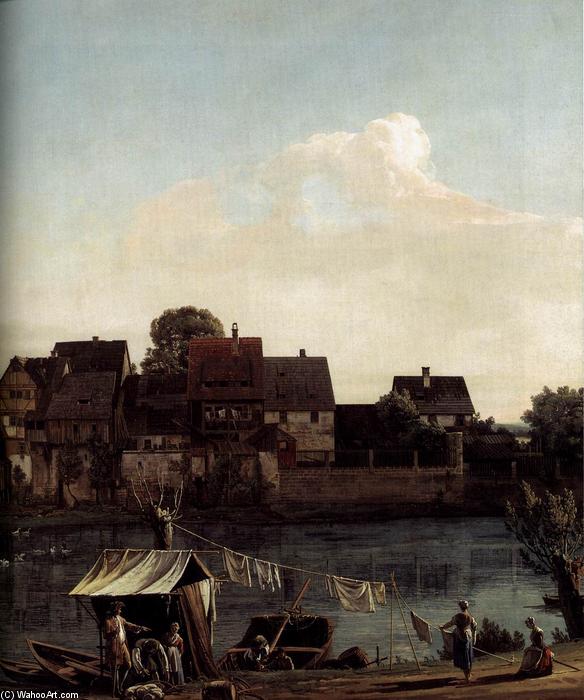
Pirna Seen from the Harbour Town (detail)


 Ver más
Giclée / Impresión de arte
Impresiones giclée o en lienzo de calidad de museo con producción rápida y opciones de acabado flexibles. ( Comprar pintura hecha a mano Comprar imagen)




P118B $10

P118H $10

P118W $10

P438Z $10

P508JH $12

P508YH $12

P805H $10

P805Z $10

P919BZ $10

P919G $10

P919XJ $10

P959ZH $10

P968JZ $12

W106C $8

W218G $10

W218JH $8

W218Y $10

W307PJ $10

W316G $10

W316PJ $8

W316Y $10

W398PJ $8

W4111J $10

W500HY $15

W500JH $15

W692G $12

W849H $8

W940BG $15

W953PJ $8




Elija entre nuestros tamaños predefinidos que respetan las proporciones originales de la obra.

Puede introducir sus propias dimensiones para adaptarse a un marco o espacio específico. Si el tamaño seleccionado no coincide con las proporciones de la imagen original, recortaremos la obra de arte o extenderemos la imagen con un borde con efecto espejo o de color sólido. Se enviará una maqueta digital para su aprobación antes de que comience la producción.
Tenga en cuenta que la vista previa en pantalla no refleja el recorte o la extensión real. Solo la maqueta mostrará con precisión la composición final.
Aunque existen tamaños personalizados, recomendamos seleccionar una dimensión de la lista predefinida para preservar las proporciones originales.
Envío a todo el mundo () en 2 semanas en lugar de las 4/5 semanas estándar. (25 agosto)

Envío exprés gratuito a todo el mundo

Lienzo de lino de alta calidad

Seguro de envío total

Garantía de reembolso de impuestos aduaneros

Garantía de fidelidad cromática exacta

Política de devolución de 60 días (solo por defectos)

Garantía de devolución del 100% del dinero

Descuento por cantidad
 La opción de vidrio solo está disponible en tamaños inferiores a 110 cm.

Pirna Seen from the Harbour Town (detail)
Giclée / Impresión de arte
Dimensiones de la reproducción
-


Precio total final
$ 62
Descripción de la pieza
A Window on Pirna’s Soul: Bellotto’s Rococo Masterpiece
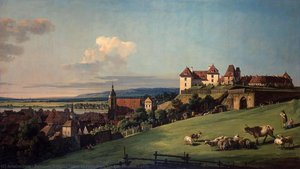
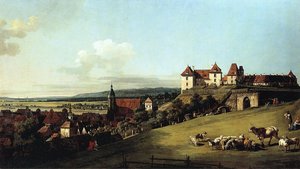
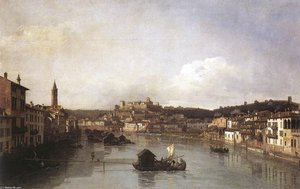
Bernardo Bellotto's "Pirna Seen from the Harbour Town (detail)" isn’t merely a depiction of a harbor; it’s a meticulously crafted distillation of 18th-century life, rendered with the delicate precision and evocative atmosphere characteristic of his finest work. Painted in 1753, this watercolor masterpiece offers a serene glimpse into a bustling port town nestled within Saxony, capturing not just its physical form but also the very essence of its vibrant community. Bellotto, a nephew and student of the illustrious Canaletto, inherited his uncle’s gift for portraying urban landscapes with unparalleled detail and a profound understanding of light and shadow – qualities that elevate this painting far beyond a simple topographical record. The scene unfolds before us like a carefully staged tableau vivant, inviting contemplation on the rhythms of daily life and the enduring beauty of a bygone era.The Rococo Palette: Light, Air, and Subtle Drama
Bellotto’s artistic approach is deeply rooted in the Rococo style, a movement that prized lightness, elegance, and an embrace of natural forms. This influence is immediately apparent in the painting's palette – a restrained yet luminous collection of pastel blues, soft greens, and warm ochres. The sky isn’t a dramatic expanse but rather a wash of hazy clouds, imbued with a sense of ethereal beauty. The water reflects the heavens above, creating an illusion of depth and tranquility. Crucially, Bellotto avoids stark contrasts; instead, he employs subtle gradations of tone to create a feeling of diffused light – a hallmark of Rococo painting that prioritizes atmosphere over sharp definition. Notice how the buildings in the background are rendered with muted colors, receding into the distance, while those closer to the viewer retain a greater degree of detail and vibrancy. This masterful use of color establishes a harmonious balance between foreground and background, drawing the eye through the scene and inviting the viewer to lose themselves within its intricate details.A City Frozen in Time: Architectural Precision and Social Observation
Bellotto’s skill as an architectural observer is truly remarkable. He doesn't simply paint buildings; he captures their essence – their proportions, materials, and the way they interact with light and shadow. The harbor itself is a microcosm of 18th-century urban life, teeming with activity: boats bobbing gently on the water, merchants unloading goods, and people engaged in various trades. The inclusion of small details—a laundry line strung between buildings, a stack of firewood, a group of figures strolling along the quay—adds layers of social observation to the scene, offering a glimpse into the daily routines and customs of Pirna’s inhabitants. The artist's attention to detail extends beyond mere representation; he seems to be attempting to capture not just what *is* there, but also what *feels* like being there – a testament to his profound understanding of human experience.The Legacy of Dresden: A Window into Lost Splendor
“Pirna Seen from the Harbour Town (detail)” holds particular significance as one of Bellotto’s key works created during his tenure in Dresden, a city that tragically suffered immense destruction during World War II. Prior to the war, Bellotto was commissioned by King Augustus III to document the city's pre-war beauty, and this painting stands as a poignant reminder of what has been lost. The meticulous detail with which he renders the buildings—their pitched roofs, ornate facades, and intricate window frames—evokes a sense of nostalgia for a time when Dresden flourished as a center of art and culture. Bellotto’s work served not only as a visual record but also as a form of preservation, capturing a fleeting moment in time before the city was reduced to rubble. Today, reproductions of this painting offer a valuable opportunity to reconnect with the splendor of Dresden's past, allowing us to appreciate its architectural heritage and reflect on the importance of preserving cultural memory.Bringing Bellotto Home: Reproductions for Modern Spaces
Bellotto’s “Pirna Seen from the Harbour Town (detail)” is more than just a beautiful painting; it’s a window into another world – a world of elegance, artistry, and timeless charm. High-quality reproductions offer a wonderful way to bring this captivating scene into your own home or office. Whether you choose a framed print, a canvas reproduction, or even a digitally printed wall mural, you'll be able to enjoy the painting’s exquisite detail and evocative atmosphere for years to come. Consider how the painting’s soft colors and serene composition can complement your existing décor, creating a space that is both visually appealing and emotionally resonant.- Framed Prints: Offer a classic and timeless presentation.
- Canvas Reproductions: Provide a textured surface that enhances the painting's depth and richness.
- Digital Wall Murals: Create an immersive experience, transforming your entire room into a miniature version of Bellotto’s masterpiece.
Obras relacionadas
Biografía del artista
Primeros años y formación
Bernardo Bellotto, un renombrado pintor italiano, nació en Venecia alrededor de 1721/2 o el 30 de enero de 1721. Fue sobrino y alumno del famoso Giovanni Antonio Canal Canaletto, una figura destacada en la escuela veneciana de pintura.Estilo artístico y carrera
El estilo artístico de Bellotto se caracterizó por su elaborada representación de paisajes arquitectónicos y naturales, así como por la cualidad única de la iluminación de cada lugar. Era conocido por su excepcional habilidad para capturar la esencia de los paisajes urbanos, lo que le llevó a ser invitado a trabajar para varios monarcas europeos.- Viajó a Roma (1742), Italia del norte (1744-1745) y luego se trasladó a Dresde (1747-1758) por invitación del rey Augusto III de Polonia.
- Sus obras en Dresde preservaron la belleza prebélica de la ciudad, ahora destruida.
- Recibió una invitación de la emperatriz María Teresa para trabajar en Viena (1758), donde pintó los monumentos de la ciudad.
Obras destacadas y legado
Algunas de las obras más notables de Bellotto incluyen:- Vista del Gran Canal: Santa Maria della Salute y la Dogana desde Campo Santa Maria Zobenigo (1743)
- Capricho arquitectónico con un autorretrato de Bellotto en el costume de un noble veneciano
Influencias y desarrollo artístico
Bellotto inicialmente siguió el estilo de su tío Canaletto, pero gradualmente desarrolló una voz artística propia. Se caracterizó por un uso más frío del color, una mayor predominancia del claroscuro y una precisión aún más exacta del realismo topográfico. A diferencia de Canaletto, Bellotto a menudo incorporaba elementos atmosféricos como nubes y sombras más profundas en sus pinturas, acercándose al estilo de la pintura holandesa. Su habilidad para capturar la luz y la atmósfera de un lugar lo convirtió en un artista muy solicitado por los monarcas europeos.Importancia histórica
Las obras de Bellotto son valiosas no solo como ejemplos de arte vedutista, sino también como documentos históricos precisos de las ciudades europeas del siglo XVIII. Sus pinturas de Dresde y Varsovia, por ejemplo, proporcionaron información crucial para la reconstrucción de estas ciudades después de la Segunda Guerra Mundial. Su atención al detalle y su habilidad para representar con precisión los edificios y paisajes urbanos lo convierten en un artista de gran importancia histórica.
Bernardo Bellotto
1721 - 1780 , Italia
Datos clave
- Artistas Que Influyeron: ['Canaletto']
- Estilo Artístico: Vedutismo
- Fecha De Nacimiento: 30 de enero de 1721
- Influencia En Artistas: ['Reconstrucción urbana']
- Lugar De Nacimiento: Venecia, Italia
- Nacionalidad: Italiano
- Nombre Completo: Bernardo Bellotto
- Obras Notables:
- Vista del Gran Canal
- Capricho arquitectónico
- Vistas de Dresde
- Vistas de Viena
- Vistas de Varsovia
Artículos relacionados

Acuarelas Legendarias: 10 Obras Maestras que Transformaron el Arte | ArtsDot
Descubre 10 acuarelas legendarias de Turner, Monet y Sargent que revolucionaron el arte. Explora la historia, técnica y belleza de estas obras maestras impresionistas y románticas. Reproducciones de museo en ArtsDot.com.

Ephemeral Visions: Exploring the Artistic Legacy & Contemporary Practice of Watercolor Painting
Explore the captivating world of watercolor painting! Discover its rich history, essential techniques, influential artists & collecting tips. A comprehensive guide for art enthusiasts from ArtsDot.

Visiones Efímeras: Historia y Resonancia Emocional de la Pintura Acuarela
Descubre la fascinante historia de la acuarela, desde sus orígenes hasta su expresión contemporánea. Explora técnicas, artistas clave como Paul Klee y encuentra reproducciones de alta calidad en ArtsDot.

Ephemeral Visions: Exploring the Artistic Legacy & Nuances of Watercolor Painting
Explore the captivating world of watercolor painting! Discover its rich history, essential techniques, influential artists & collecting tips from art experts. A comprehensive guide for enthusiasts.
La Fascinación Duradera de la Acuarela: Historia, Técnicas y Práctica Contemporánea
Descubre la fascinante historia y las técnicas de la acuarela. Explora obras maestras, aprende con expertos y encuentra reproducciones o comisiones personalizadas en .