 Ver en contexto
 Enviar
 Compartir
 Detalles

 Descargar
 Similares
 Radiografía
 Presentación de diapositivas
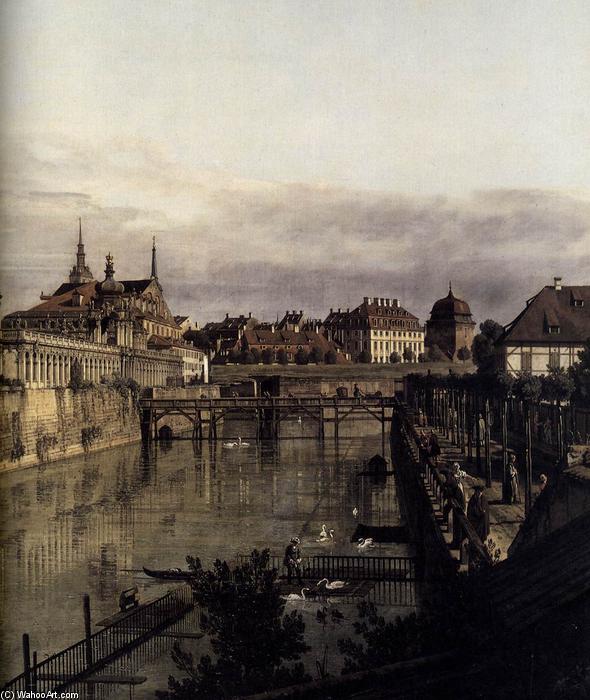
The Moat of the Zwinger in Dresden (detail)


 Ver más
Reproducción al óleo hecha a mano
Óleo sobre lienzo pintado a mano en el tamaño y marco de su elección, realizado por encargo por nuestros artistas. ( Comprar impresión Comprar imagen)




P118B $10

P118H $10

P118W $10

P438Z $10

P508JH $12

P508YH $12

P805H $10

P805Z $10

P919BZ $10

P919G $10

P919XJ $10

P959ZH $10

P968JZ $12

W106C $8

W218G $10

W218JH $8

W218Y $10

W307PJ $10

W316G $10

W316PJ $8

W316Y $10

W398PJ $8

W4111J $10

W500HY $15

W500JH $15

W692G $12

W849H $8

W940BG $15

W953PJ $8




Elija entre nuestros tamaños predefinidos que respetan las proporciones originales de la obra.

Puede ingresar sus propias dimensiones para adaptarse a un marco o espacio específico. Si el tamaño seleccionado no coincide con las proporciones de la imagen original, recortaremos la obra o extenderemos la pintura con elementos adicionales pintados a mano. Se le enviará una maqueta digital para su aprobación antes de comenzar la producción.
Tenga en cuenta que la vista previa en pantalla no refleja el recorte o la extensión reales. Solo la maqueta mostrará con precisión la composición final.
Si bien existen tamaños personalizados, recomendamos seleccionar una dimensión de la lista predefinida para preservar las proporciones originales.
Tras realizar el pedido, el equipo de ArtsDot.com enviará un correo electrónico al cliente para solicitar instrucciones y proporcionarle una vista previa del boceto.
Envío a todo el mundo () en 3-4 semanas en lugar de las 5 semanas estándar. (5 septiembre). Sin comprometer la calidad.

Envío exprés gratuito a todo el mundo

Lienzo de lino de alta calidad

Seguro de envío total

Garantía de reembolso de impuestos aduaneros

Garantía de fidelidad cromática exacta

Política de devolución de 60 días (solo por defectos)

Garantía de devolución del 100% del dinero

Descuento por cantidad
 La opción de vidrio solo está disponible en tamaños inferiores a 110 cm.

The Moat of the Zwinger in Dresden (detail)
Técnica de reproducción
Dimensiones de la reproducción
-


Precio total final
$ 263
A Window into Dresden’s Golden Age
In the heart of 18th-century Saxony, amidst the burgeoning prosperity of the Enlightenment, Bernardo Bellotto captured a moment of profound serenity and architectural splendor. His masterpiece, The Moat of the Zwinger in Dresden, is far more than a mere topographical record; it is a luminous window into a vanished world. Painted in 1749, this work invites the viewer to step onto the banks of the Zwinger Palace’s moat, where the water acts as a liquid mirror, reflecting the grandeur of a city at its zenith. The scene is alive with the quiet rhythms of daily life—figures strolling leisurely along the embankments and small boats gliding across the glassy surface—creating an atmosphere of idyllic peace that feels both intimate and monumental.
For the discerning collector or interior designer, this painting offers a sophisticated focal point that brings a sense of historical depth and classical elegance to any space. The composition draws the eye through layers of lush foliage and intricate stonework, leading toward the breathtaking architectural silhouettes that define Dresden’s skyline. It is a piece that does not merely decorate a wall but narrates a story of cultural ambition and the enduring pursuit of beauty.
The Mastery of Rococo Light and Detail
Bellotto, often celebrated as the nephew and pupil of the legendary Canaletto, brought a unique, more somber, and atmospheric quality to the veduta style. In this particular work, his technical prowess is on full display through the masterful use of chiaroscuro. He employs dramatic contrasts between light and shadow to sculpt the ornate facades of the Zwinger buildings, giving them a palpable three-dimensional presence. The way sunlight filters through the verdant trees and dances upon the ripples of the moat demonstrates an almost scientific precision in his observation of natural light.
The technique is characterized by delicate, velvety brushstrokes that lend a rich texture to the canvas. Every element, from the intricate patterns on the period clothing of the strolling figures to the weathered textures of the stone fortifications, is rendered with breathtaking clarity. This meticulous attention to detail ensures that the painting retains its impact even upon close inspection, making it an ideal choice for those who appreciate fine art that rewards prolonged contemplation and reveals new nuances with every viewing.
Symbolism and Emotional Resonance
Beyond its aesthetic brilliance, the painting carries a profound symbolic weight. The moat itself serves as a powerful metaphor; while it was a vital component of Dresden’s defensive fortifications, in Bellotto’s hands, it becomes a symbol of protection, stability, and the tranquil boundaries of a prosperous realm under the reign of Augustus III. There is a palpable sense of permanence in the heavy stone structures, contrasted beautifully with the ephemeral movement of the boats and the fleeting reflections on the water.
Emotionally, the work evokes a sense of nostalgia and reverence. It captures a "golden age" before the devastating architectural losses of later centuries, preserving the soul of Dresden in a state of eternal grace. To possess a reproduction of this work is to hold a piece of European heritage—a fragment of a dreamlike era where art, architecture, and nature existed in perfect, harmonious balance. It provides an atmosphere of calm sophistication, making it a timeless addition to any curated collection or high-end residential design.
Obras relacionadas

Biografía del artista
Primeros años y formación
Bernardo Bellotto, un renombrado pintor italiano, nació en Venecia alrededor de 1721/2 o el 30 de enero de 1721. Fue sobrino y alumno del famoso Giovanni Antonio Canal Canaletto, una figura destacada en la escuela veneciana de pintura.Estilo artístico y carrera
El estilo artístico de Bellotto se caracterizó por su elaborada representación de paisajes arquitectónicos y naturales, así como por la cualidad única de la iluminación de cada lugar. Era conocido por su excepcional habilidad para capturar la esencia de los paisajes urbanos, lo que le llevó a ser invitado a trabajar para varios monarcas europeos.- Viajó a Roma (1742), Italia del norte (1744-1745) y luego se trasladó a Dresde (1747-1758) por invitación del rey Augusto III de Polonia.
- Sus obras en Dresde preservaron la belleza prebélica de la ciudad, ahora destruida.
- Recibió una invitación de la emperatriz María Teresa para trabajar en Viena (1758), donde pintó los monumentos de la ciudad.
Obras destacadas y legado
Algunas de las obras más notables de Bellotto incluyen:- Vista del Gran Canal: Santa Maria della Salute y la Dogana desde Campo Santa Maria Zobenigo (1743)
- Capricho arquitectónico con un autorretrato de Bellotto en el costume de un noble veneciano
Influencias y desarrollo artístico
Bellotto inicialmente siguió el estilo de su tío Canaletto, pero gradualmente desarrolló una voz artística propia. Se caracterizó por un uso más frío del color, una mayor predominancia del claroscuro y una precisión aún más exacta del realismo topográfico. A diferencia de Canaletto, Bellotto a menudo incorporaba elementos atmosféricos como nubes y sombras más profundas en sus pinturas, acercándose al estilo de la pintura holandesa. Su habilidad para capturar la luz y la atmósfera de un lugar lo convirtió en un artista muy solicitado por los monarcas europeos.Importancia histórica
Las obras de Bellotto son valiosas no solo como ejemplos de arte vedutista, sino también como documentos históricos precisos de las ciudades europeas del siglo XVIII. Sus pinturas de Dresde y Varsovia, por ejemplo, proporcionaron información crucial para la reconstrucción de estas ciudades después de la Segunda Guerra Mundial. Su atención al detalle y su habilidad para representar con precisión los edificios y paisajes urbanos lo convierten en un artista de gran importancia histórica.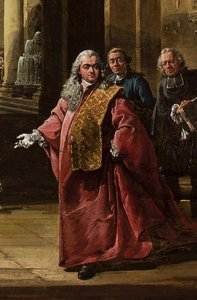
Bernardo Bellotto
1721 - 1780 , Italia
Datos clave
- Artistas Que Influyeron: ['Canaletto']
- Estilo Artístico: Vedutismo
- Fecha De Nacimiento: 30 de enero de 1721
- Influencia En Artistas: ['Reconstrucción urbana']
- Lugar De Nacimiento: Venecia, Italia
- Nacionalidad: Italiano
- Nombre Completo: Bernardo Bellotto
- Obras Notables:
- Vista del Gran Canal
- Capricho arquitectónico
- Vistas de Dresde
- Vistas de Viena
- Vistas de Varsovia
Artículos relacionados

Rococó: 10 Obras Maestras que Definieron una Época | Arte y Decoración en
Descubre las 10 obras maestras del Rococó que marcaron una época. Explora la elegancia de Fragonard, Boucher y Watteau en . Reproducciones de arte de calidad museo para decorar tu hogar con estilo.

La Estética Rococó: Opulencia, Rebelión y Placer en el Arte del Siglo XVIII
Descubre la fascinante estética rococó: su historia, características clave y los artistas más influyentes del siglo XVIII. Un análisis profundo para amantes del arte y coleccionistas.

Giclée Prints: Archival Quality & Aesthetic Nuances for the Discerning Collector
Explore the world of giclée prints with ArtsDot. Learn about archival quality, aesthetic nuances & investment potential. Expert guidance for discerning art collectors seeking museum-quality reproductions and lasting value.

Echoes of Time: Exploring the Enduring Appeal & Historical Context of Vintage Art Prints
Explore the captivating world of vintage art prints! Discover their history, collecting tips & enduring appeal. Expert insights on chromolithography and building a legacy collection with ArtsDot.
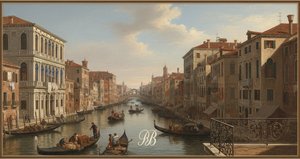
Bernardo Bellotto: Canaletto's Nephew & Master of Veduta Painting – A Comprehensive Exploration
Explore the life & art of Bernardo Bellotto, Canaletto’s nephew and a master of veduta painting. Discover his stunning cityscapes of Dresden & Warsaw, artistic techniques, and lasting legacy. Expert insights for collectors.