

 Ver en contexto
 Enviar
 Compartir
 Detalles

 Descargar
 Similares
 Radiografía
 Presentación de diapositivas
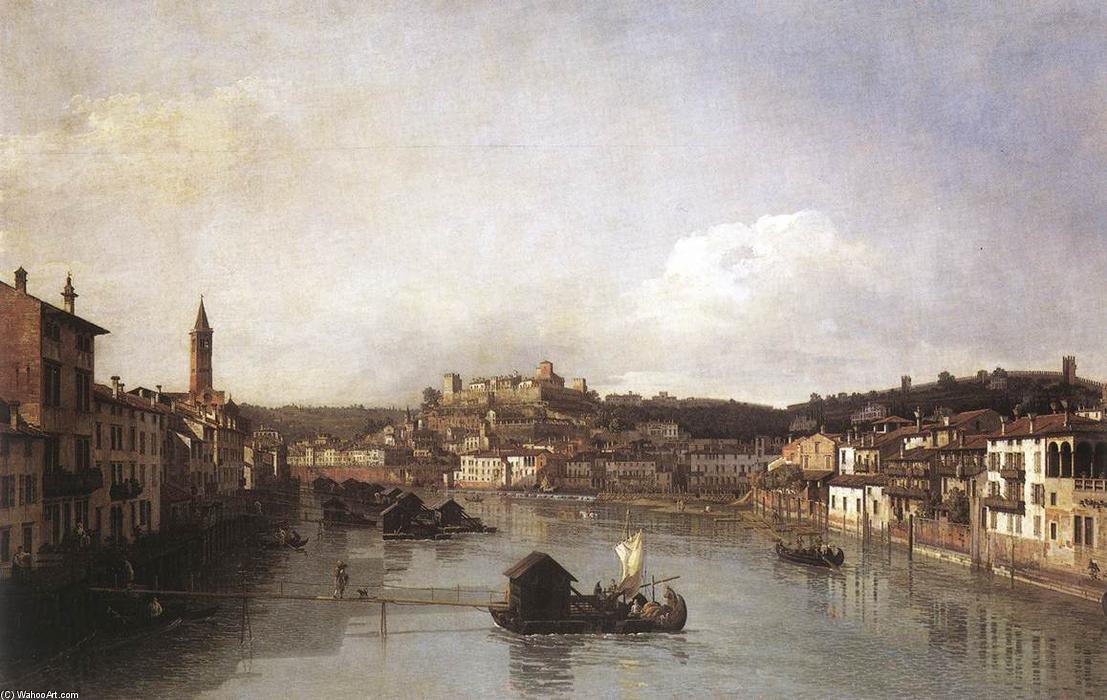
View of Verona and the River Adige from the Ponte Nuovo


 Ver más
Adquiera una imagen digital de alta resolución y optimizada, muy superior a la vista previa en línea.
Cada archivo es preparado meticulosamente por nuestros especialistas internos mediante el uso de herramientas avanzadas y un experto retoque manual. Nos aseguramos de que cada imagen posea una claridad excepcional, una precisión cromática impecable y un detalle minucioso.
El archivo final se entrega por correo electrónico en un plazo de 72 horas, optimizado para su uso inmediato en entornos profesionales, editoriales y de impresión. Esta es la misma calidad en la que confían los estudios de diseño, las editoriales y las galerías de primer nivel.
Imagen Digital
Descarga un archivo de alta resolución para exhibición personal, impresión y proyectos creativos. ( Comprar impresión Comprar pintura hecha a mano)
Incluido en cada pedido de imágenes digitales
Entrega digital experta, garantizada.
Al elegir ArtsDot.com, no solo está adquiriendo una imagen; está recibiendo una obra de arte digital mejorada profesionalmente, elaborada con precisión y respaldada por una garantía de satisfacción. Esto es todo lo que incluye su pedido, automáticamente:

Entrega rápida por email
Recibirá su archivo de imagen digital en alta resolución por correo electrónico en un plazo de 72 horas tras realizar su pedido, listo para su uso inmediato.

Archivo digital optimizado por IA
Su obra de arte se optimiza profesionalmente mediante herramientas avanzadas de IA y edición manual, garantizando el máximo detalle, claridad y precisión cromática.

Reenvío gratuito de por vida
¿Has borrado o perdido tu archivo por error? No te preocupes: te lo volveremos a enviar en cualquier momento, sin coste adicional.

Sin gastos de importación, siempre
Disfrute de su obra de arte al instante sin aduanas, aranceles ni gastos de envío; las descargas digitales siempre están libres de impuestos.

Garantía de fidelidad de color
Garantizamos que su imagen digital refleje los colores originales con la mayor fidelidad posible, mediante el uso de herramientas profesionales y gestión del color.

Garantía de satisfacción de 60 días
Si no está satisfecho con su imagen digital, la revisaremos o le reembolsaremos el 100% en un plazo de 60 días, sin preguntas.

100% Garantía de devolución de dinero
¿No está satisfecho? Obtenga un reembolso completo dentro de los 60 días posteriores a la recepción de su archivo digital, sin necesidad de explicaciones.

Descuentos por pedidos grandes
Compra 3 imágenes, ahorra 10% - Compra 5, ahorra 15% - Compra 10+, ahorra 20%. Ideal para proyectos creativos, galerías y agencias.
Bernardo Bellotto’s Verona: A Venetian Echo in Saxon Light
The canvas before you—"View of Verona and the River Adige from the Ponte Nuovo"—isn't merely a depiction of a city; it’s a carefully constructed memory, a distillation of light and atmosphere captured by Bernardo Bellotto in 1747. This remarkable veduta, or cityscape painting, transports us to the heart of Renaissance Verona, not as it was then, but as it *felt* – a vibrant, bustling hub viewed through the discerning eye of a Venetian master. Bellotto, a nephew and student of the celebrated Canaletto, possessed a unique gift: he didn’t simply record what he saw; he imbued his scenes with an emotional resonance, a sense of lived experience that elevates these paintings beyond simple topographical representations.
Bellotto's style is immediately recognizable – a harmonious blend of classical precision and subtle Venetian flair. He adheres to the conventions of 18th-century veduta painting, employing a flattened perspective characteristic of the era, yet he avoids the rigid formality often associated with this genre. Instead, he masterfully manipulates light and shadow, creating an illusion of depth that draws the viewer into the scene. The muted palette—earthy browns, ochres, and subtle blues—evokes the diffused light of a Venetian afternoon, lending the painting a dreamlike quality. Notice how the reflections shimmering on the river’s surface subtly mirror the buildings lining its banks, doubling the visual information and creating a captivating sense of spatial ambiguity.
The Ponte Nuovo: A Window into Daily Life
The focal point of this composition is undoubtedly the Ponte Nuovo itself – a vital artery connecting Verona to the surrounding countryside. Bellotto doesn’t present a grand architectural statement; rather, he focuses on the everyday life unfolding along its banks. Small boats navigate the waterway, carrying goods and passengers, while figures in period dress bustle about their business. The inclusion of details like the floating mills grinding corn speaks volumes about the city's economic activity and the rhythms of daily existence. This wasn’t a scene designed for royalty or nobility; it was a snapshot of Verona as experienced by its citizens.
The architectural elements—the Castel San Pietro, the Tower of Sant’Anastasia—are rendered with meticulous detail, reflecting Bellotto's training under Canaletto and his deep understanding of perspective. However, unlike Canaletto’s often idealized representations, Bellotto subtly introduces a sense of wear and tear, suggesting the passage of time and the realities of urban life. The buildings aren’t flawlessly pristine; they possess a certain weathered charm that adds to the painting's authenticity.
A Masterpiece in Context: Dresden and Beyond
Bellotto’s journey as an artist was marked by significant shifts in patronage and location. Initially working in Venice, he later accepted commissions from European monarchs, culminating in his tenure in Dresden under King August III of Saxony-Poland. This period proved particularly fruitful for Bellotto, allowing him to develop a distinctive style characterized by its atmospheric depth and nuanced use of light. The present painting was created during this time, reflecting the influence of his experiences in the East.
Interestingly, Bellotto’s Dresden views were intended to preserve the memory of the city before it was ravaged by Napoleon's armies. He meticulously documented its monuments and buildings, creating a visual record that served as both a historical archive and an artistic statement. This dedication to preserving beauty in the face of destruction is evident in the care with which Bellotto renders each detail in "View of Verona," capturing not just the appearance of the city but also its essence.
Symbolism and Emotional Resonance
Beyond its technical brilliance, “View of Verona” possesses a subtle yet powerful symbolic resonance. The painting speaks to the enduring spirit of Venice—a city renowned for its beauty, resilience, and artistic legacy—and its influence on Bellotto’s work. The river itself acts as a metaphor for time, flowing relentlessly onward while carrying with it the memories of generations past. The muted colors and diffused light evoke a sense of tranquility and contemplation, inviting the viewer to lose themselves in the scene's timeless beauty.
Bellotto’s mastery lies not just in his technical skill but also in his ability to capture the *feeling* of a place—the warmth of the sun on stone, the murmur of voices in the streets, the sense of belonging that comes from being part of a vibrant community. This painting is more than just a landscape; it’s an invitation to step into another world and experience Verona through the eyes of a Venetian master.
Obras relacionadas

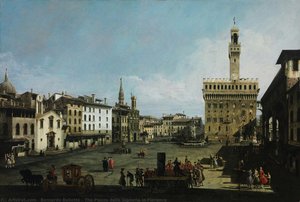
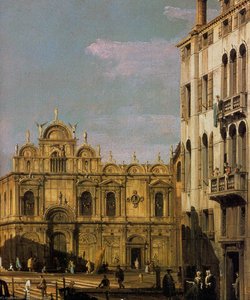
Biografía del artista
Primeros años y formación
Bernardo Bellotto, un renombrado pintor italiano, nació en Venecia alrededor de 1721/2 o el 30 de enero de 1721. Fue sobrino y alumno del famoso Giovanni Antonio Canal Canaletto, una figura destacada en la escuela veneciana de pintura.Estilo artístico y carrera
El estilo artístico de Bellotto se caracterizó por su elaborada representación de paisajes arquitectónicos y naturales, así como por la cualidad única de la iluminación de cada lugar. Era conocido por su excepcional habilidad para capturar la esencia de los paisajes urbanos, lo que le llevó a ser invitado a trabajar para varios monarcas europeos.- Viajó a Roma (1742), Italia del norte (1744-1745) y luego se trasladó a Dresde (1747-1758) por invitación del rey Augusto III de Polonia.
- Sus obras en Dresde preservaron la belleza prebélica de la ciudad, ahora destruida.
- Recibió una invitación de la emperatriz María Teresa para trabajar en Viena (1758), donde pintó los monumentos de la ciudad.
Obras destacadas y legado
Algunas de las obras más notables de Bellotto incluyen:- Vista del Gran Canal: Santa Maria della Salute y la Dogana desde Campo Santa Maria Zobenigo (1743)
- Capricho arquitectónico con un autorretrato de Bellotto en el costume de un noble veneciano
Influencias y desarrollo artístico
Bellotto inicialmente siguió el estilo de su tío Canaletto, pero gradualmente desarrolló una voz artística propia. Se caracterizó por un uso más frío del color, una mayor predominancia del claroscuro y una precisión aún más exacta del realismo topográfico. A diferencia de Canaletto, Bellotto a menudo incorporaba elementos atmosféricos como nubes y sombras más profundas en sus pinturas, acercándose al estilo de la pintura holandesa. Su habilidad para capturar la luz y la atmósfera de un lugar lo convirtió en un artista muy solicitado por los monarcas europeos.Importancia histórica
Las obras de Bellotto son valiosas no solo como ejemplos de arte vedutista, sino también como documentos históricos precisos de las ciudades europeas del siglo XVIII. Sus pinturas de Dresde y Varsovia, por ejemplo, proporcionaron información crucial para la reconstrucción de estas ciudades después de la Segunda Guerra Mundial. Su atención al detalle y su habilidad para representar con precisión los edificios y paisajes urbanos lo convierten en un artista de gran importancia histórica.
Bernardo Bellotto
1721 - 1780 , Italia
Breves datos
- Artistas Que Influyeron: ['Canaletto']
- Estilo Artístico: Vedutismo
- Fecha De Nacimiento: 30 de enero de 1721
- Influencia En Artistas: ['Reconstrucción urbana']
- Lugar De Nacimiento: Venecia, Italia
- Nacionalidad: Italiano
- Nombre Completo: Bernardo Bellotto
- Obras Notables:
- Vista del Gran Canal
- Capricho arquitectónico
- Vistas de Dresde
- Vistas de Viena
- Vistas de Varsovia

