

 Ver en contexto
 Enviar
 Compartir
 Detalles

 Descargar
 Similares
 Radiografía
 Presentación de diapositivas
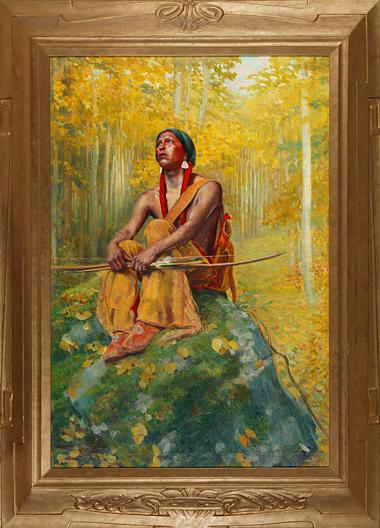
Voices of the Woods, (painting)


 Ver más
Adquiera una imagen digital de alta resolución y optimizada, muy superior a la vista previa en línea.
Cada archivo es preparado meticulosamente por nuestros especialistas internos mediante el uso de herramientas avanzadas y un experto retoque manual. Nos aseguramos de que cada imagen posea una claridad excepcional, una precisión cromática impecable y un detalle minucioso.
El archivo final se entrega por correo electrónico en un plazo de 72 horas, optimizado para su uso inmediato en entornos profesionales, editoriales y de impresión. Esta es la misma calidad en la que confían los estudios de diseño, las editoriales y las galerías de primer nivel.
Imagen Digital
Descarga un archivo de alta resolución para exhibición personal, impresión y proyectos creativos. ( Comprar impresión Comprar pintura hecha a mano)
Incluido en cada pedido de imágenes digitales
Entrega digital experta, garantizada.
Al elegir ArtsDot.com, no solo está adquiriendo una imagen; está recibiendo una obra de arte digital mejorada profesionalmente, elaborada con precisión y respaldada por una garantía de satisfacción. Esto es todo lo que incluye su pedido, automáticamente:

Entrega rápida por email
Recibirá su archivo de imagen digital en alta resolución por correo electrónico en un plazo de 72 horas tras realizar su pedido, listo para su uso inmediato.

Archivo digital optimizado por IA
Su obra de arte se optimiza profesionalmente mediante herramientas avanzadas de IA y edición manual, garantizando el máximo detalle, claridad y precisión cromática.

Reenvío gratuito de por vida
¿Has borrado o perdido tu archivo por error? No te preocupes: te lo volveremos a enviar en cualquier momento, sin coste adicional.

Sin gastos de importación, siempre
Disfrute de su obra de arte al instante sin aduanas, aranceles ni gastos de envío; las descargas digitales siempre están libres de impuestos.

Garantía de fidelidad de color
Garantizamos que su imagen digital refleje los colores originales con la mayor fidelidad posible, mediante el uso de herramientas profesionales y gestión del color.

Garantía de satisfacción de 60 días
Si no está satisfecho con su imagen digital, la revisaremos o le reembolsaremos el 100% en un plazo de 60 días, sin preguntas.

100% Garantía de devolución de dinero
¿No está satisfecho? Obtenga un reembolso completo dentro de los 60 días posteriores a la recepción de su archivo digital, sin necesidad de explicaciones.

Descuentos por pedidos grandes
Compra 3 imágenes, ahorra 10% - Compra 5, ahorra 15% - Compra 10+, ahorra 20%. Ideal para proyectos creativos, galerías y agencias.
Obras relacionadas
Biografía del artista
The Spirit of the Southwest: The Life and Legacy of Bert Geer Phillips
To understand the soul of American Southwestern art, one must look to the pioneering vision of Bert Geer Phillips. Born in 1868 in Hudson, New York, Phillips was a child shaped by the romanticized legends of the American frontier. His early years were steeped in the adventurous tales of Kit Carson and the rugged exploits found in James Fenimore Cooper’s Leatherstocking Tales, stories that planted the seeds of a lifelong fascination with the untamed West. This early passion for the frontier was matched by an innate artistic drive; even as a young boy, Phillips was rarely seen without a paintbrush in hand. His formal training eventually led him from the local studios of New York to the prestigious halls of the Art Students League of New and the National Academy of Design, and ultimately to the legendary Académie Julian in Paris. It was in the vibrant, light-drenched atmosphere of Europe that Phillips refined his technique, forming lifelong bonds with fellow artists like Ernest Blumenschein and Joseph Henry Sharp—connections that would later reshape the American art landscape.
The trajectory of Phillips’s life changed irrevocably in 1898 when, accompanied by Blumenschein, he embarked on a journey toward the American West. What was intended to be a trek toward Mexico became a transformative encounter with the rugged landscapes of New Mexico. A broken wagon wheel in northern New Mexico served as a serendipitous pause, anchoring Phillips to the Taos region. This landscape, with its dramatic light, ancient traditions, and profound sense of place, became his true muse. By 1908, he had fully embraced the spirit of the Southwest, moving beyond mere observation to become a central figure in the creation of a new American aesthetic. His work began to bridge the gap between European Impressionist sensibilities and the raw, unvarnished reality of the New Mexican frontier.
A Master of Light and Atmosphere
Phillips’s artistic evolution was marked by a sophisticated adaptation of Impressionism and Post-Impressionism. Drawing inspiration from masters such as Claude Monet and Vincent van Gogh, he moved away from rigid, academic precision in favor of a more emotive, atmospheric approach. He became a practitioner of plein air painting, seeking to capture the fleeting nuances of light as it danced across the mesas and filtered through aspen groves. His brushwork was often loose and energetic, prioritizing tonal variations and the sensory experience of the environment over photographic accuracy. This technique allowed him to convey the heat of the midday sun, the cool shadows of the canyons, and the shimmering brilliance of autumnal foliage with unparalleled vitality.
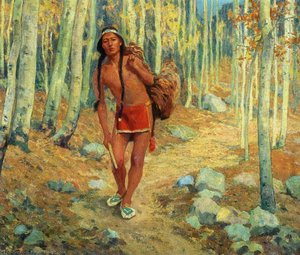
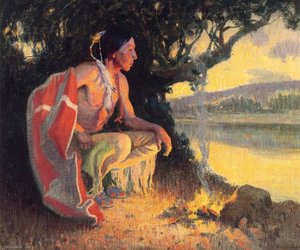
His subject matter was as diverse as the landscape itself, ranging from sweeping vistas to intimate portraits. In his celebrated landscapes, such as Aspen Symphony, Phillips utilized a vibrant palette to celebrate the seasonal transformations of the high desert. Conversely, his figurative works demonstrated a profound respect for the Native American people. Rather than presenting them through a lens of exoticism, he sought to portray their daily lives and spiritual connection to the land with dignity and accuracy. In masterpieces like Voices of the Woods (1911), he utilized visual language to evoke deep themes of contemplation and harmony, depicting figures that seemed to exist in perfect equilibrium with the natural world.
The Taos Society and Historical Significance
Perhaps Phillips’s most enduring contribution to art history was his role as a founding member of the Taos Society of Artists in 1915. Alongside luminaries such as Charles Warren Remington, Will Owen, and Ernest Blumenschein, Phillips helped establish Taos as a premier art colony that would command international attention. The Society was more than just a group of painters; it was a movement dedicated to promoting the unique beauty of the Southwest and documenting the indigenous cultures of the region with an authentic, respectful eye. Through their collective exhibitions, they successfully elevated Southwestern art from a regional interest to a recognized and respected genre within the broader American canon.
Beyond his canvas, Phillips acted as a vital patron and mentor within the Western art community. His influence extended through his support of younger artists, such as Harold Dow Bugbee, ensuring that the tradition of documenting the American West would continue for generations. As a pioneer of Southwestern Impressionism, Bert Geer Phillips did more than just paint landscapes; he helped define the visual identity of an entire region. His legacy remains etched in the golden hues of his aspen groves and the quiet strength of his portraits, serving as a permanent testament to the enduring magic of the American Southwest.
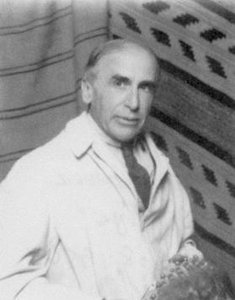
bert geer phillips
1868 - 1956
Breves datos
- Artistic Movement Or Style: American Impressionism
- Artists Or Movements Influenced By This Artist: ['Taos Society Artists']
- Artists Who Influenced This Artist: ['Charles M. Russell']
- Date Of Birth: 1868
- Date Of Death: 1956
- Full Name: Bert Geer Phillips
- Nationality: American
- Notable Artworks:
- Voices of the Woods
- Aspen Symphony
- Place Of Birth: USA

