 Ver en contexto
 Enviar
 Compartir
 Detalles

 Descargar
 Similares
 Radiografía
 Presentación de diapositivas
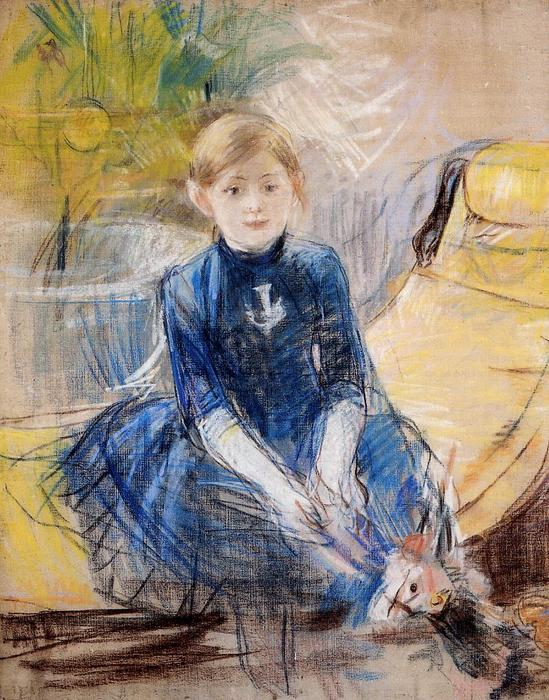
Little Girl in a Blue Dress


 Ver más
Reproducción al óleo hecha a mano
Óleo sobre lienzo pintado a mano en el tamaño y marco de su elección, realizado por encargo por nuestros artistas. ( Comprar impresión Comprar imagen)




P118B $10

P118H $10

P118W $10

P438Z $10

P508JH $12

P508YH $12

P805H $10

P805Z $10

P919BZ $10

P919G $10

P919XJ $10

P959ZH $10

P968JZ $12

W106C $8

W218G $10

W218JH $8

W218Y $10

W307PJ $10

W316G $10

W316PJ $8

W316Y $10

W398PJ $8

W4111J $10

W500HY $15

W500JH $15

W692G $12

W849H $8

W940BG $15

W953PJ $8




Elija entre nuestros tamaños predefinidos que respetan las proporciones originales de la obra.

Puede ingresar sus propias dimensiones para adaptarse a un marco o espacio específico. Si el tamaño seleccionado no coincide con las proporciones de la imagen original, recortaremos la obra o extenderemos la pintura con elementos adicionales pintados a mano. Se le enviará una maqueta digital para su aprobación antes de comenzar la producción.
Tenga en cuenta que la vista previa en pantalla no refleja el recorte o la extensión reales. Solo la maqueta mostrará con precisión la composición final.
Si bien existen tamaños personalizados, recomendamos seleccionar una dimensión de la lista predefinida para preservar las proporciones originales.
Tras realizar el pedido, el equipo de ArtsDot.com enviará un correo electrónico al cliente para solicitar instrucciones y proporcionarle una vista previa del boceto.
Envío a todo el mundo () en 3-4 semanas en lugar de las 5 semanas estándar. (7 septiembre). Sin comprometer la calidad.

Envío exprés gratuito a todo el mundo

Lienzo de lino de alta calidad

Seguro de envío total

Garantía de reembolso de impuestos aduaneros

Garantía de fidelidad cromática exacta

Política de devolución de 100 días (solo por defectos)

Garantía de devolución del 100% del dinero

Descuento por cantidad
 La opción de vidrio solo está disponible en tamaños inferiores a 110 cm.

Little Girl in a Blue Dress
Técnica de reproducción
Dimensiones de la reproducción
-


Precio total final
$ 263
Little Girl in a Blue Dress: A Moment Frozen in Impressionist Light
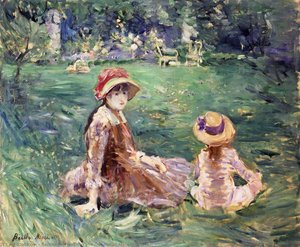
Berthe Morisot’s “Little Girl in a Blue Dress,” painted in 1886, transcends mere depiction; it embodies the very spirit of Impressionism—a movement dedicated to capturing fleeting impressions of reality rather than striving for photographic accuracy. This serene portrait resides within the Musée Marmottan Monet in Paris, France, alongside numerous other masterpieces by Claude Monet, cementing Morisot’s place as a cornerstone of French artistic heritage and offering visitors a profound glimpse into the aesthetic sensibilities of Belle Époque society.The Impressionist Vision: Light and Atmosphere
Morisot's approach to painting is immediately discernible through her masterful manipulation of light and color—characteristics quintessential to Impressionism. Unlike academic painters who meticulously blended pigments to achieve tonal harmony, Morisot embraced visible brushstrokes, allowing the interplay of sunlight filtering through the window onto the girl’s pale skin and clothing to dominate the composition. The artist skillfully utilizes a palette dominated by muted blues and greens, mirroring the natural surroundings—specifically potted plants—creating an environment that feels both tranquil and inviting. This deliberate choice reflects Morisot's belief in portraying life as it truly appears, prioritizing sensory experience over idealized representation.A Study in Detail: Technique and Texture
The painting’s remarkable realism stems from Morisot’s meticulous attention to detail. Observe the delicate rendering of the girl’s dress—a simple blue garment rendered with subtle variations in tone and texture achieved through layering thin washes of paint. Similarly, the artist painstakingly captures the textures of the potted plants, conveying their organic forms and adding depth to the scene. These techniques underscore Morisot's commitment to portraying the tangible world with honesty and precision, demonstrating her mastery of Impressionist technique. The brushstrokes themselves are loose and expressive, contributing to the overall feeling of spontaneity and immediacy—a hallmark of the movement’s ethos.Symbolism Within Everyday Life
Beyond its technical brilliance, “Little Girl in a Blue Dress” carries symbolic weight. The girl herself represents innocence and vulnerability, embodying the idealized feminine figure prevalent in Impressionist art. Her gaze directs towards the viewer, establishing a connection between the artist and the audience—a deliberate tactic intended to foster empathy and invite contemplation. Furthermore, the presence of two dogs symbolizes companionship and loyalty, reinforcing the painting’s theme of domestic tranquility. The inclusion of plants speaks to themes of growth, renewal, and harmony with nature – ideas central to the broader philosophical currents of the era.Emotional Resonance: Capturing a Fleeting Moment
Ultimately, Morisot succeeds in conveying an emotional resonance that transcends mere visual representation. “Little Girl in a Blue Dress” captures a moment of quiet contemplation—a snapshot of childhood joy amidst the beauty of the natural world. The painting’s soft hues and luminous light evoke feelings of warmth, serenity, and nostalgia, transporting viewers back to a bygone era. It serves as a poignant reminder that art can illuminate not only what we see but also how we feel, solidifying Morisot's legacy as an artist who profoundly understood the human condition.Obras relacionadas
Biografía del artista
Primeros años y comienzos artísticos
Berthe Marie Pauline Morisot, pintora francesa, nació el 14 de enero de 1841 en Bourges, Francia. Provenía de una familia burguesa acomodada; su padre, Edmé Tiburce Morisot, era prefecto del departamento de Cher. Su madre, Marie-Joséphine-Cornélie Thomas, estaba relacionada con Jean-Honoré Fragonard, un destacado pintor rococó.Formación artística e influencias
Berthe, junto con sus hermanas Yves y Edma, recibió lecciones privadas de arte de Geoffroy-Alphonse Chocarne y Joseph Guichard. Esto marcó el comienzo de su viaje artístico. En 1857, Guichard las introdujo a la Galería del Louvre, donde aprendieron observando y copiando pinturas.Obras notables y exposiciones
La primera aparición de Berthe en el Salón de París fue en 1864 con dos pinturas de paisajes. Continuó mostrando su trabajo regularmente hasta 1873. En 1874, se unió a los impresionistas en su primera exposición, que incluyó artistas notables como Paul Cézanne, Edgar Degas y Claude Monet.- Mujer con vestido verde, un retrato llamativo, muestra su estilo único.
- Su participación en las exposiciones impresionistas consolidó su posición dentro del movimiento.
- Como una de "las tres grandes damas" del impresionismo, la obra de Berthe fue elogiada por críticos como Gustave Geffroy.
Vida personal y legado
Berthe se casó con Eugène Manet, hermano de su amigo y colega Édouard Manet. Su carrera madura comenzó en 1872, cuando Durand-Ruel compró veintidós de sus pinturas. Berthe eligió exhibir bajo su nombre de soltera completo, un testimonio de su independencia. Hechos clave:- Casada con Eugène Manet, hermano de Édouard Manet.
- Primera exposición impresionista en 1874.
- Fue descrita como "la verdadera impresionista" por un crítico de *Le Temps* en 1877.
Explora más en ArtsDot:
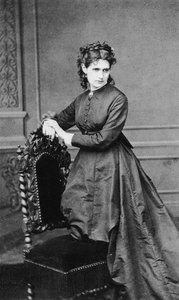
Berthe Morisot
1841 - 1895 , Francia
Datos clave
- Estilo Artístico: Impresionismo
- Fecha De Fallecimiento: 2 de marzo de 1895
- Fecha De Nacimiento: 14 de enero de 1841
- Influencias Artísticas:
- Camille Corot
- Édouard Manet
- Lugar De Nacimiento: Bourges, Francia
- Nacionalidad: Francesa
- Nombre Completo: Berthe Morisot
- Obras Notables:
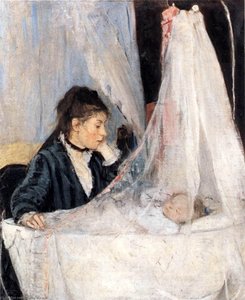
- El Bebé
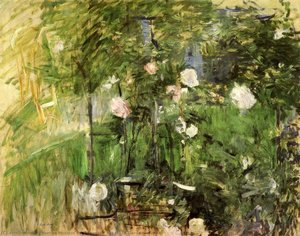
- Un Rincón del Jardín
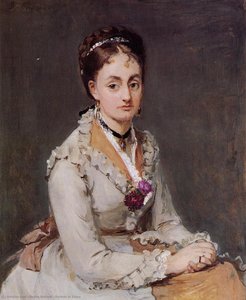
- Retrato de una Mujer
Artículos relacionados

Las 10 Obras Maestras del Azul Pizarra: Arte, Historia y Decoración
Descubre las 10 pinturas más famosas dominadas por el azul pizarra. Explora la historia, técnica y belleza de Monet, Van Gogh y otros maestros. Encuentra reproducciones de arte exclusivas para decorar tu hogar en .
Azure Visions: Exploring Representations of the Blue Dress in Western Art History
Explore the rich history of the blue dress in Western art! Discover its symbolism, from Renaissance masterpieces to modern interpretations by artists like Martin & Schiele. Uncover cultural meanings and artistic techniques.
The Allure of Azure: Exploring the Symbolic & Aesthetic Depths of Blue in Art History
Explore the rich history of blue in art! Discover its symbolism, from ancient pigments to modern masterpieces by Kandinsky & Seurat. Uncover the psychological impact and cultural meanings behind this captivating hue.

Paul Cézanne: Las 25 Obras Maestras que Definieron el Arte Moderno | ArtsDot
Descubre las 25 obras maestras de Paul Cézanne que revolucionaron el arte moderno. Explora su técnica, inspiración y significado en paisajes, bodegones y retratos. Reproducciones de alta calidad para decorar tu hogar con arte inolvidable. ¡Explora la colección completa en ArtsDot.com!
Beyond the Shadows: The Powerful Legacies of Artemisia Gentileschi and Berthe Morisot
Explore the profound legacies of Artemisia Gentileschi and Berthe Morisot. Discover how these female masters redefined the Baroque and Impressionist eras through dramatic chiaroscuro and luminous light, leaving an indelible mark on art history and modern aesthetics.