 Vista previa
 Compartir
 Compartir
 Ver detalles

 Descargar
 Ver similares
 Radiografía
 Presentación de diapositivas
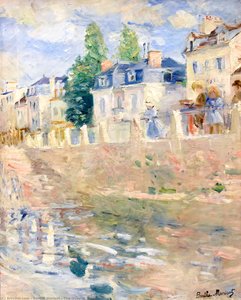
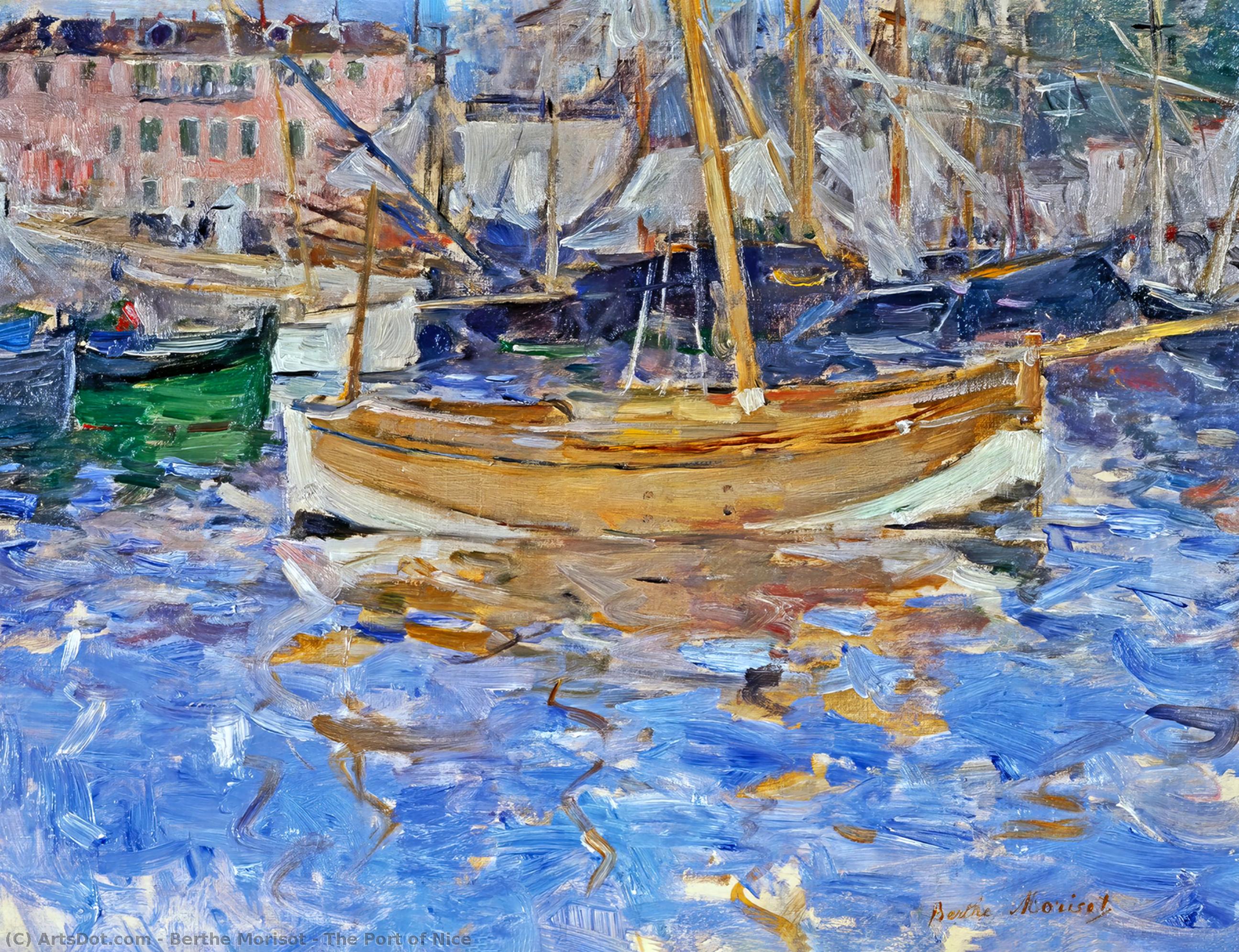
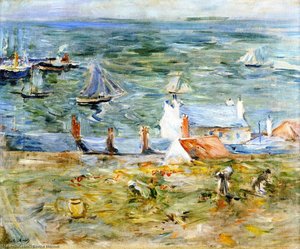
The Port of Nice
 Oil On Canvas
- WallArt
- Impressionism
 1882
1882- 19th Century
 38.0 x 46.0 cm
 Leer más
Reproducción al óleo hecha a mano
Óleo sobre lienzo pintado a mano en el tamaño y marco de su elección, realizado por encargo por nuestros artistas. ( Pedir impresión Comprar descarga)




P118B $10

P118H $10

P118W $10

P438Z $10

P508JH $12

P508YH $12

P805H $10

P805Z $10

P919BZ $10

P919G $10

P919XJ $10

P959ZH $10

P968JZ $12

W106C $8

W218G $10

W218JH $8

W218Y $10

W307PJ $10

W316G $10

W316PJ $8

W316Y $10

W398PJ $8

W4111J $10

W500HY $15

W500JH $15

W692G $12

W849H $8

W940BG $15

W953PJ $8




Elija entre nuestros tamaños predefinidos que respetan las proporciones originales de la obra.

Puede ingresar sus propias dimensiones para adaptarse a un marco o espacio específico. Si el tamaño seleccionado no coincide con las proporciones de la imagen original, recortaremos la obra o extenderemos la pintura con elementos adicionales pintados a mano. Se le enviará una maqueta digital para su aprobación antes de comenzar la producción.
Tenga en cuenta que la vista previa en pantalla no refleja el recorte o la extensión reales. Solo la maqueta mostrará con precisión la composición final.
Si bien existen tamaños personalizados, recomendamos seleccionar una dimensión de la lista predefinida para preservar las proporciones originales.
Tras realizar el pedido, el equipo de ArtsDot.com enviará un correo electrónico al cliente para solicitar instrucciones y proporcionarle una vista previa del boceto.
Envío a todo el mundo () en 3-4 semanas en lugar de las 5 semanas estándar. (22 agosto). Sin comprometer la calidad.

Envío exprés gratuito a todo el mundo

Lienzo de lino de alta calidad

Seguro de envío completo

Garantía de reembolso de aranceles aduaneros

Garantía de fidelidad cromática exacta

Política de devolución de 60 días (solo por defectos)

Garantía de devolución del 100% del dinero

Oferta por volumen
 La opción de vidrio solo está disponible en tamaños inferiores a 110 cm.

The Port of Nice
Técnica de reproducción
Tamaño de la reproducción
-


Precio total
$ 263
Descripción de la obra
The Port of Nice: A Symphony in Light and Movement by Berthe Morisot
- Subject Matter: Berthe Morisot’s “The Port of Nice,” painted in 1882, isn't merely a depiction of a harbor; it’s an intimate snapshot of everyday life – the gentle bustle of a French coastal town. The canvas breathes with the atmosphere of the Mediterranean, capturing the essence of leisure and trade within the vibrant heart of Nice.
- Impressionist Technique: Executed in oil on canvas, the painting exemplifies the core tenets of Impressionism. Morisot’s masterful use of loose, visible brushstrokes creates a shimmering effect, particularly noticeable in the reflections on the water and the billowing sails of the boats. This technique wasn't about precise representation but rather about conveying an *impression* – the fleeting quality of light and movement.
- Color Palette: The color scheme is dominated by soft, pastel hues—pale yellows, blues, pinks, and whites—that evoke a sense of tranquility and warmth. Morisot’s skillful blending creates subtle gradations of tone, enhancing the painting's luminous quality and contributing to its overall harmonious feel.
A Window into the World of 1882: Historical Context
Painted during a pivotal moment in art history, “The Port of Nice” reflects the burgeoning Impressionist movement’s challenge to traditional academic painting. Berthe Morisot, alongside artists like Monet and Renoir, sought to capture modern life as it unfolded – not through grand historical narratives or mythological subjects, but through scenes of ordinary people engaged in everyday activities. The late 19th century was a time of rapid social change in France, with the rise of industrialization and urbanization, and Morisot’s work captures this shift by focusing on the evolving relationship between humanity and its environment.
The painting's setting – Nice itself – adds another layer of historical significance. By the mid-19th century, Nice had become a fashionable resort town, attracting artists, writers, and wealthy tourists from across Europe. Morisot’s depiction of the port reflects this burgeoning tourism industry and the growing importance of coastal towns as centers of leisure and commerce.
Symbolism and Emotional Impact
Beyond its technical brilliance, “The Port of Nice” resonates with a quiet emotional depth. The composition—with its focus on a single sailboat dominating the foreground—creates a sense of calm contemplation. The two figures present in the scene – likely family members enjoying a day out – add a touch of human connection and intimacy to the otherwise expansive landscape.
Morisot’s ability to capture the play of light and shadow, particularly during the fleeting moments of dawn or dusk, imbues the painting with a sense of nostalgia and serenity. It's a scene that invites viewers to pause, reflect, and appreciate the simple beauty of everyday life.
Collecting and Appreciating Morisot’s Legacy
“The Port of Nice” is more than just a beautiful artwork; it’s a significant piece of art history. Its creation helped pave the way for modern art movements like Expressionism and Fauvism, demonstrating the power of subjective perception and emotional expression in artistic representation. A reproduction of this stunning work offers an opportunity to bring a touch of Impressionist elegance into any space – perfect for collectors, interior designers seeking a calming aesthetic, or anyone captivated by the beauty of light and color.
Obras relacionadas
Biografía del artista
Primeros años y comienzos artísticos
Berthe Marie Pauline Morisot, pintora francesa, nació el 14 de enero de 1841 en Bourges, Francia. Provenía de una familia burguesa acomodada; su padre, Edmé Tiburce Morisot, era prefecto del departamento de Cher. Su madre, Marie-Joséphine-Cornélie Thomas, estaba relacionada con Jean-Honoré Fragonard, un destacado pintor rococó.Formación artística e influencias
Berthe, junto con sus hermanas Yves y Edma, recibió lecciones privadas de arte de Geoffroy-Alphonse Chocarne y Joseph Guichard. Esto marcó el comienzo de su viaje artístico. En 1857, Guichard las introdujo a la Galería del Louvre, donde aprendieron observando y copiando pinturas.Obras notables y exposiciones
La primera aparición de Berthe en el Salón de París fue en 1864 con dos pinturas de paisajes. Continuó mostrando su trabajo regularmente hasta 1873. En 1874, se unió a los impresionistas en su primera exposición, que incluyó artistas notables como Paul Cézanne, Edgar Degas y Claude Monet.- Mujer con vestido verde, un retrato llamativo, muestra su estilo único.
- Su participación en las exposiciones impresionistas consolidó su posición dentro del movimiento.
- Como una de "las tres grandes damas" del impresionismo, la obra de Berthe fue elogiada por críticos como Gustave Geffroy.
Vida personal y legado
Berthe se casó con Eugène Manet, hermano de su amigo y colega Édouard Manet. Su carrera madura comenzó en 1872, cuando Durand-Ruel compró veintidós de sus pinturas. Berthe eligió exhibir bajo su nombre de soltera completo, un testimonio de su independencia. Hechos clave:- Casada con Eugène Manet, hermano de Édouard Manet.
- Primera exposición impresionista en 1874.
- Fue descrita como "la verdadera impresionista" por un crítico de *Le Temps* en 1877.
Explora más en ArtsDot:
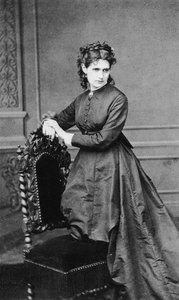
Berthe Morisot
1841 - 1895 , Francia
Datos clave
- Estilo Artístico: Impresionismo
- Fecha De Fallecimiento: 2 de marzo de 1895
- Fecha De Nacimiento: 14 de enero de 1841
- Influencias Artísticas:
- Camille Corot
- Édouard Manet
- Lugar De Nacimiento: Bourges, Francia
- Nacionalidad: Francesa
- Nombre Completo: Berthe Morisot
- Obras Notables:
- El Bebé
- Un Rincón del Jardín
- Retrato de una Mujer
Artículos relacionados
Giclée Prints: Archival Quality & Aesthetic Nuances for the Discerning Collector
Explore the world of giclée prints with ArtsDot. Learn about archival quality, aesthetic nuances & investment potential. Expert guidance for discerning art collectors seeking museum-quality reproductions and lasting value.

The Enduring Legacy of Fine Art Prints: Technique, History & Aesthetic Impact
Explore the rich history & techniques of fine art prints. Discover investment potential, assess authenticity, and learn how to preserve your collection with expert guidance. Trusted insights for discerning collectors.
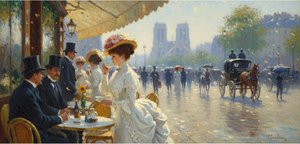
Impressionistic Realism's Finest: 10 Masterpieces for Your Home | ArtsDot
Journey through Impressionistic Realism with 10 iconic masterpieces by Monet, Renoir & Van Gogh. Explore art history, techniques & find museum-quality reproductions for your home at ArtsDot.com. Discover all masterpieces online!

Echoes of Time: Exploring the Enduring Appeal & Historical Context of Vintage Art Prints
Explore the captivating world of vintage art prints! Discover their history, collecting tips & enduring appeal. Expert insights on chromolithography and building a legacy collection with ArtsDot.
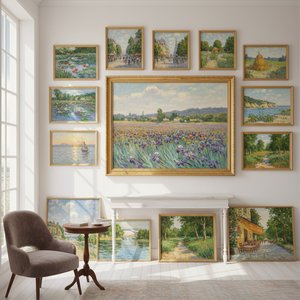
Los 10 Maestros del Paisaje Impresionista: Obras que Cambiaron la Historia del Arte
Descubre los 10 lienzos impresionistas que revolucionaron el arte. Explora la historia de Monet, Van Gogh y Renoir, sus técnicas y colores vibrantes. Encuentra reproducciones de alta calidad para decorar tu hogar en ArtsDot.com