

 Ver en contexto
 Enviar
 Compartir
 Detalles

 Descargar
 Similares
 Radiografía
 Presentación de diapositivas
 Estadísticas
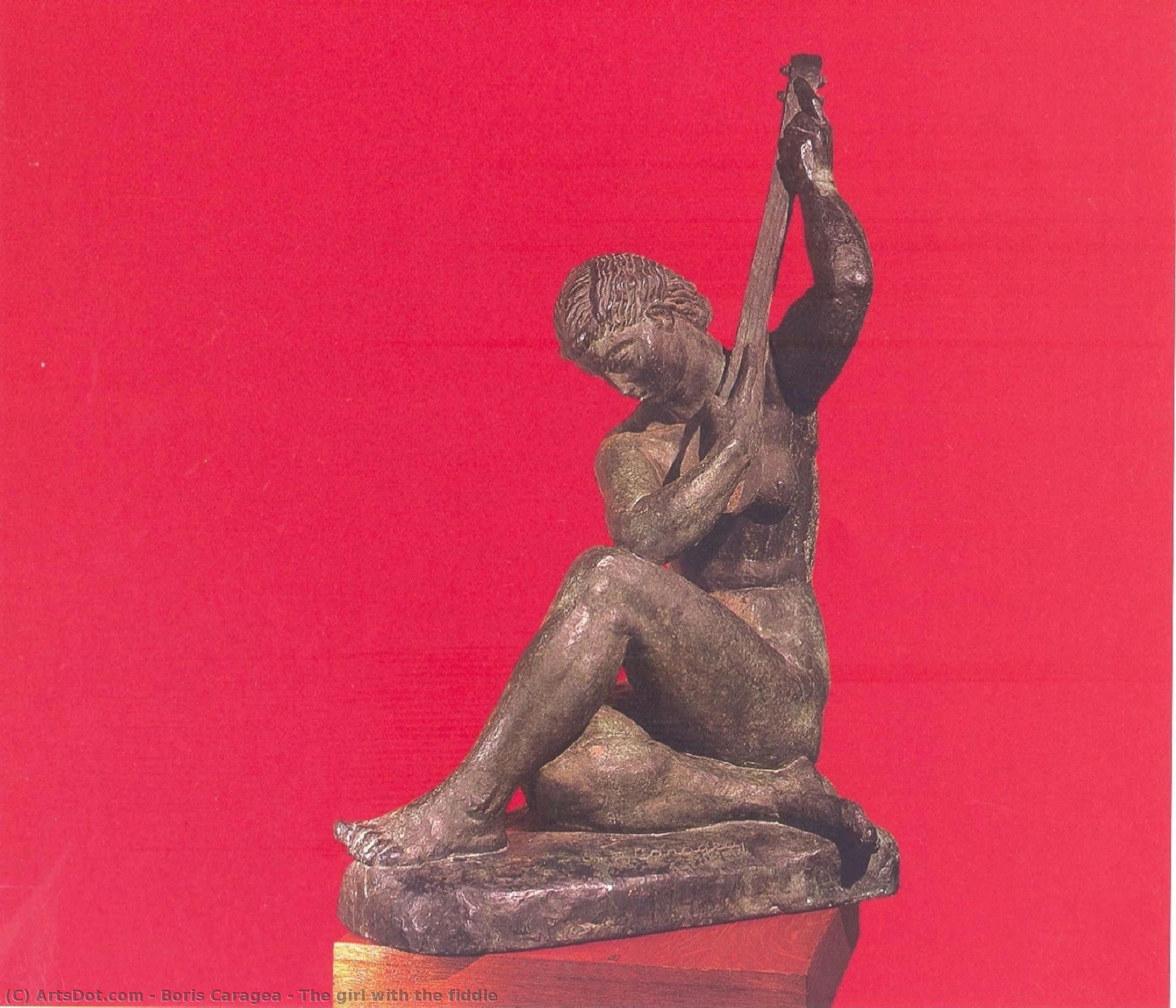
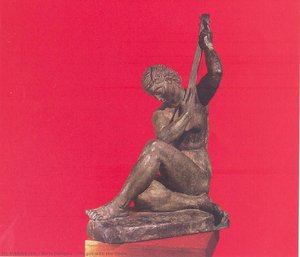
The girl with the fiddle
 84.0 x 30.0 cm
 Palacio del Parlamento - Cámara de Diputados
 Ver más
Reproducción al óleo hecha a mano
Óleo sobre lienzo pintado a mano en el tamaño y marco de su elección, realizado por encargo por nuestros artistas. ( Cambiar a Impresión Cambiar a imagen digital)




































Elija entre nuestros tamaños predefinidos que respetan las proporciones originales de la obra.

Puede ingresar sus propias dimensiones para adaptarse a un marco o espacio específico. Si el tamaño seleccionado no coincide con las proporciones de la imagen original, recortaremos la obra o extenderemos la pintura con elementos adicionales pintados a mano. Se le enviará una maqueta digital para su aprobación antes de comenzar la producción.
Tenga en cuenta que la vista previa en pantalla no refleja el recorte o la extensión reales. Solo la maqueta mostrará con precisión la composición final.
Si bien existen tamaños personalizados, recomendamos seleccionar una dimensión de la lista predefinida para preservar las proporciones originales.
Tras realizar el pedido, el equipo de ArtsDot.com enviará un correo electrónico al cliente para solicitar instrucciones y proporcionarle una vista previa del boceto.
Envío a todo el mundo () en 3-4 semanas en lugar de las 5 semanas estándar. (9 septiembre). Sin comprometer la calidad.

Envío exprés gratuito a todo el mundo

Lienzo de lino de alta calidad

Seguro de envío total

Garantía de reembolso de impuestos aduaneros

Garantía de fidelidad cromática exacta

Política de devolución de 100 días (solo por defectos)

Garantía de devolución del 100% del dinero

Descuento por cantidad
 La opción de vidrio solo está disponible en tamaños inferiores a 110 cm.

The girl with the fiddle
Técnica de reproducción
Dimensiones de la reproducción
-


Precio total final
$ 263
Obras relacionadas



Biografía del artista
Boris Caragea: Sculptor of a Socialist Vision
Born in Balchik, Bulgaria, in 1906, Boris Caragea’s life was inextricably linked to the shifting borders and political currents of Eastern Europe. Orphaned at the tender age of ten, he began his working life as a fisherman and boatman – experiences that would profoundly shape his artistic vision and inform the powerful, often monumental, figures he sculpted. His early years were marked by a deep connection to the Dobruja region, a landscape rich in folklore and imbued with a sense of timelessness, which became a recurring source of inspiration for his work.
Caragea’s artistic journey began modestly, developing his skills through self-taught practice using clay and sand. A pivotal moment arrived when he encountered Hrandt Avakian, an Armenian artist who had sought refuge in Bulgaria after the genocide. Avakian became a mentor, providing Caragea with formal training at the Bucharest School of Fine Arts in 1926. This early influence instilled in him a respect for classical forms and techniques, which he would later synthesize with the demands of socialist realism.
The Rise of a Monumental Sculptor
Following his graduation from art school, Caragea’s career quickly ascended within the burgeoning Romanian artistic scene. He gained recognition through solo exhibitions in Bucharest and Sala Dalles, showcasing works that often depicted scenes from rural life – the hardworking peasantry, the rhythms of agricultural labor, and the enduring spirit of the Dobrujan people. However, it was his embrace of socialist realism during the Communist era that truly cemented his place as a leading sculptor. This shift aligned him with the state’s agenda, demanding works that celebrated the achievements of the Soviet Union and glorified the working class.
Caragea's appointment to prestigious positions – including Professor at the Nicolae Grigorescu Institute of Fine Arts and President of the Union of Plastic Artists – reflected his importance within the artistic establishment. He was awarded numerous state honors, including the State Prize, recognizing his contributions to promoting socialist ideals through sculpture. His work became a powerful tool for propaganda, depicting idealized figures of labor, victory, and progress.
Monumental Works and Iconic Figures
Caragea’s most enduring legacy lies in his monumental sculptures, which dominate public spaces across Romania. The statue of Vladimir Lenin in Bucharest, erected in 1960, remains a controversial symbol of the period, while his Victory Monument in Constanța, completed in 1968, stands as a testament to the nation’s perceived triumphs. Beyond these grand statements, Caragea created numerous smaller-scale works – portraits of figures like George Enescu, and depictions of historical events – each imbued with a sense of patriotic fervor.
Notable among his sculptures are “The Meeting,” “Victory,” and “Torso,” all executed in bronze and housed within the Museum of Arts of the SRR. These pieces demonstrate Caragea’s mastery of form, texture, and expressive power, capturing both the physical strength and emotional depth of his subjects. His work frequently employed dynamic poses and dramatic lighting to convey a sense of movement and vitality.
A Complex Legacy
Boris Caragea's career spanned several decades, reflecting the tumultuous political landscape of Romania. While he is celebrated as a national artist who contributed significantly to Romanian sculpture, his work also embodies the ideological constraints of the Communist regime. His sculptures served as visual representations of state propaganda, glorifying socialist ideals and promoting a particular narrative of history. Despite this context, Caragea’s artistic talent and technical skill are undeniable, and his monumental works continue to evoke powerful emotions and spark debate about the role of art in society.
His influence extends beyond Romania, with his work featured in international exhibitions such as the Venice Biennale in 1954, 1956, and 1964. Boris Caragea died in Bucharest in 1982, leaving behind a body of work that remains both significant and complex – a reflection of the era in which he lived and worked.
boris caragea
1906 - 1982 , Romania
Datos clave
- Artistic Movement Or Style: Monumental sculpture
- Artists Or Movements Influenced By This Artist: ['Socialist realism']
- Artists Who Influenced This Artist: ['Hrandt Avakian']
- Date Of Birth: Jan 11, 1906
- Date Of Death: Aug 8, 1982
- Full Name: Boris Caragea
- Nationality: Romanian
- Notable Artworks:
- The Girl with the Fiddle
- Victory Monument
- Place Of Birth: Balchik, Bulgaria