

 Ver en contexto
 Enviar
 Compartir
 Detalles

 Descargar
 Similares
 Radiografía
 Presentación de diapositivas
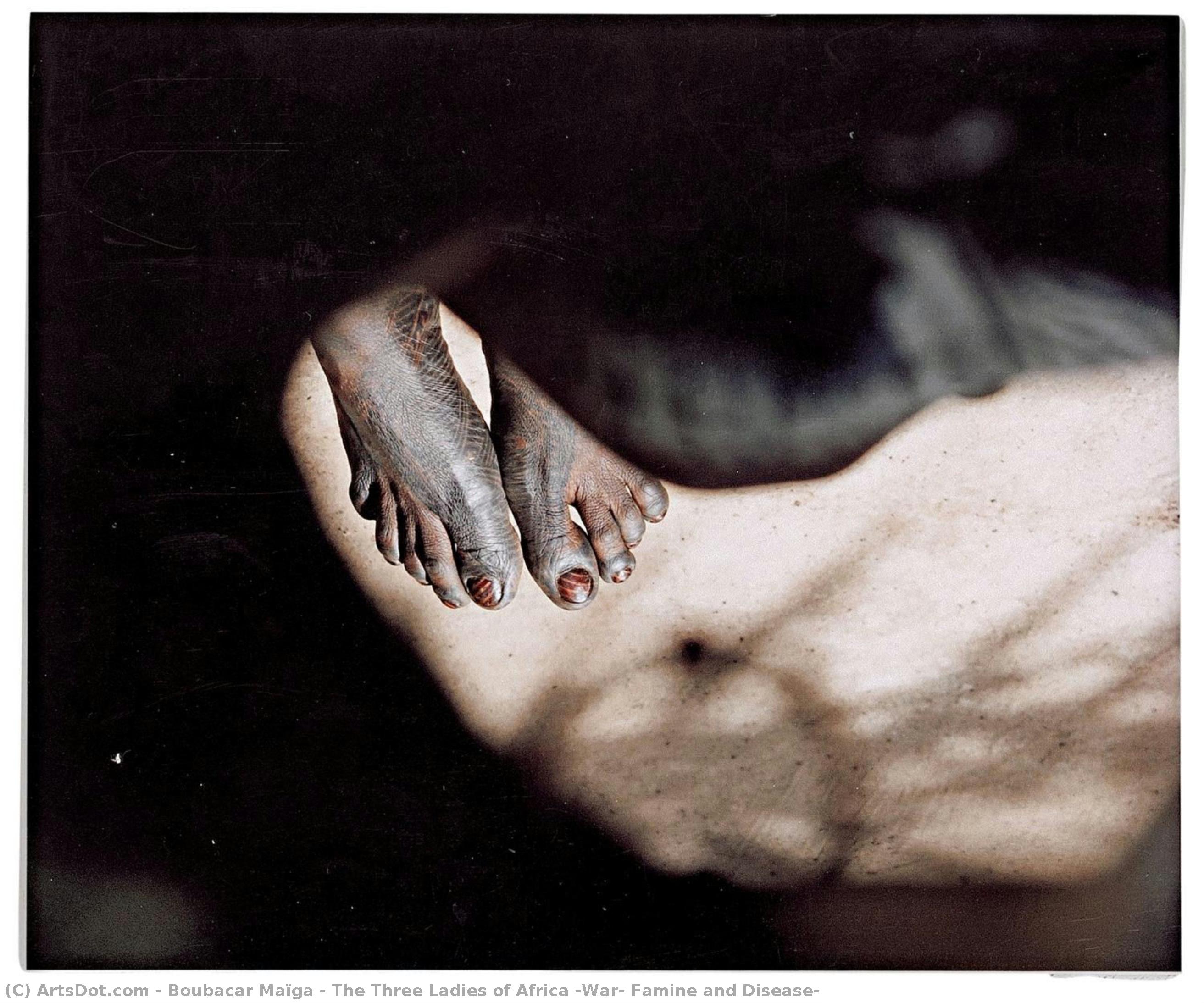
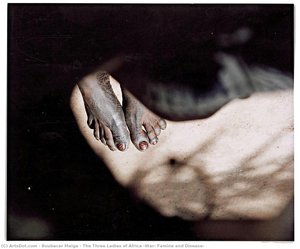
The Three Ladies of Africa (War, Famine and Disease)

 Ver más
Reproducción al óleo hecha a mano
Óleo sobre lienzo pintado a mano en el tamaño y marco de su elección, realizado por encargo por nuestros artistas. ( Comprar impresión Comprar imagen)




































Elija entre nuestros tamaños predefinidos que respetan las proporciones originales de la obra.

Puede ingresar sus propias dimensiones para adaptarse a un marco o espacio específico. Si el tamaño seleccionado no coincide con las proporciones de la imagen original, recortaremos la obra o extenderemos la pintura con elementos adicionales pintados a mano. Se le enviará una maqueta digital para su aprobación antes de comenzar la producción.
Tenga en cuenta que la vista previa en pantalla no refleja el recorte o la extensión reales. Solo la maqueta mostrará con precisión la composición final.
Si bien existen tamaños personalizados, recomendamos seleccionar una dimensión de la lista predefinida para preservar las proporciones originales.
Tras realizar el pedido, el equipo de ArtsDot.com enviará un correo electrónico al cliente para solicitar instrucciones y proporcionarle una vista previa del boceto.
Envío a todo el mundo () en 3-4 semanas en lugar de las 5 semanas estándar. (4 septiembre). Sin comprometer la calidad.

Envío exprés gratuito a todo el mundo

Lienzo de lino de alta calidad

Seguro de envío total

Garantía de reembolso de impuestos aduaneros

Garantía de fidelidad cromática exacta

Política de devolución de 60 días (solo por defectos)

Garantía de devolución del 100% del dinero

Descuento por cantidad
 La opción de vidrio solo está disponible en tamaños inferiores a 110 cm.

The Three Ladies of Africa (War, Famine and Disease)
Técnica de reproducción
Dimensiones de la reproducción
-


Precio total final
$ 263
Obras relacionadas




Biografía del artista
Boubacar Maïga: Echoes of Africa in Acrylic
Born in Bamako, Mali, in 1958, Boubacar Maïga’s art is a poignant and deeply personal exploration of the realities facing his homeland. While biographical details remain sparse – a deliberate aspect of his artistic practice perhaps – his work speaks volumes about the enduring struggles of war, famine, and disease that have shaped contemporary Africa. Maïga's distinctive style, characterized by bold acrylic strokes and a restrained palette, immediately draws the viewer in, demanding contemplation rather than immediate gratification. He isn’t interested in grand narratives or heroic depictions; instead, he offers stark, unsettling portraits of human suffering and resilience.
His most recognized work, ‘The Three Ladies of Africa: War, Famine, and Disease,’ exemplifies this approach. This powerful painting – a cornerstone of his oeuvre – isn’t a literal representation but rather an allegorical embodiment of the continent's persistent challenges. The figures are not individualized; they are archetypes, representing the collective experience of millions. The use of muted earth tones—ochres, browns, and grays—underscores the bleakness of their circumstances, while flashes of red and white punctuate the composition, symbolizing bloodshed and a desperate plea for help. The painting’s impact lies not in its technical brilliance but in its unflinching honesty and its refusal to shy away from uncomfortable truths.
A Mali Rooted in History
Maïga's artistic journey is inextricably linked to the complex history of Mali, a nation grappling with colonialism, political instability, and economic hardship. Bamako, his birthplace, is a vibrant hub of cultural exchange, yet it’s also a city bearing the scars of conflict and displacement. Understanding this context is crucial to interpreting Maïga's work; he isn’t simply painting Africa – he’s painting *his* Africa, a land shaped by centuries of struggle and resilience.
While specific details about his early artistic training are limited, it’s believed that Maïga honed his skills through observation and experimentation. The influence of traditional Malian art forms—particularly the use of symbolic imagery and earthy pigments—can be discerned in his work. However, he departs from purely representational styles, embracing a more expressive and emotionally charged approach. It's speculated that he was influenced by the broader contemporary African art scene emerging during the late 20th century, which challenged Western artistic conventions and sought to reclaim narratives of identity and experience.
Technique and Style
Maïga’s distinctive style is immediately recognizable through his deliberate use of acrylic paint. He favors a thick, impasto technique—applying the paint in layers—which creates a tactile surface that invites close examination. The bold brushstrokes are not intended to be smooth or refined; rather, they convey a sense of urgency and raw emotion. His color palette is deliberately restrained, dominated by earthy tones that evoke the landscapes and textures of Mali. He skillfully employs contrast – particularly between light and shadow – to heighten the drama and emotional impact of his compositions.
Furthermore, Maïga’s work often incorporates elements of abstraction. While recognizable forms—such as the figures in ‘The Three Ladies of Africa’—are present, they are frequently distorted or fragmented, reflecting the fractured realities of life in contemporary Mali. This blending of representation and abstraction allows him to communicate complex ideas with a powerful visual economy.
Legacy and Significance
Despite the relative obscurity surrounding Boubacar Maïga's personal life, his art has garnered increasing recognition within the international contemporary art scene. His work serves as a vital reminder of the ongoing challenges faced by African nations and offers a poignant commentary on themes of colonialism, postcolonialism, and social justice. Maïga’s unflinching honesty and emotional depth resonate deeply with viewers, prompting reflection on the human cost of conflict and displacement.
His work stands as a testament to the power of art to bear witness to difficult truths and to foster empathy for those who are often marginalized and forgotten. As an artist rooted in the realities of Mali, Boubacar Maïga’s paintings offer a uniquely powerful and enduring contribution to the global dialogue on issues of identity, resilience, and the human condition.
boubacar maïga
1958 - , Mali
Datos clave
- Artistic Movement Or Style: Acrylic painting
- Date Of Birth: 1958
- Date Of Death: Living
- Full Name: Boubacar Maïga
- Nationality: Malian
- Notable Artworks: ['The Three Ladies Africa']
- Place Of Birth: Bamako, Mali

