

 Ver en contexto
 Enviar
 Compartir
 Detalles

 Descargar
 Similares
 Radiografía
 Presentación de diapositivas
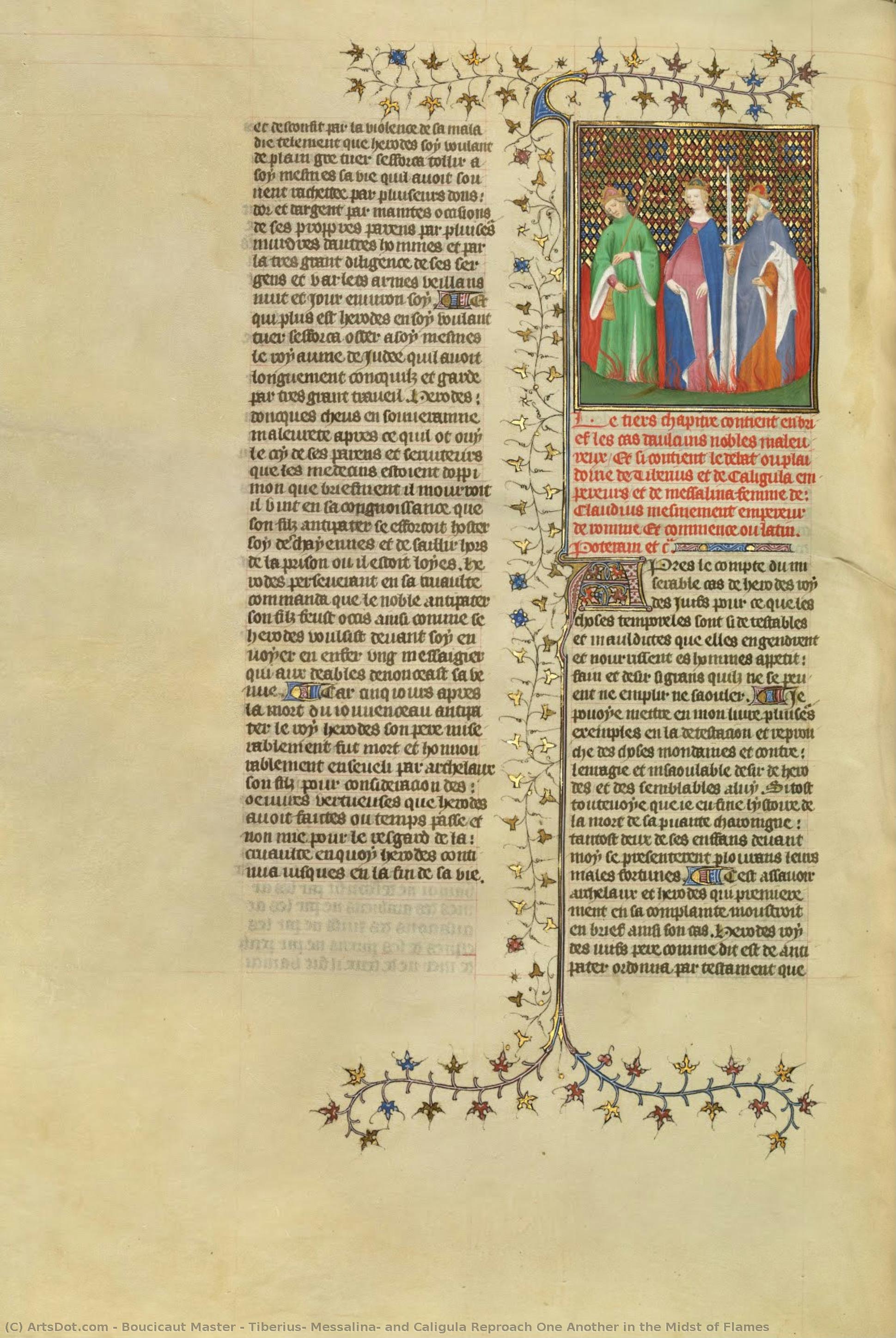
Tiberius, Messalina, and Caligula Reproach One Another in the Midst of Flames
 Oil
Oil- WallArt
- International Gothic
 1415
1415 42.0 x 29.0 cm
 Museo J. Paul Getty
 Ver más
Reproducción al óleo hecha a mano
Óleo sobre lienzo pintado a mano en el tamaño y marco de su elección, realizado por encargo por nuestros artistas. ( Comprar impresión Comprar imagen)




P118B $10

P118H $10

P118W $10

P438Z $10

P508JH $12

P508YH $12

P805H $10

P805Z $10

P919BZ $10

P919G $10

P919XJ $10

P959ZH $10

P968JZ $12

W106C $8

W218G $10

W218JH $8

W218Y $10

W307PJ $10

W316G $10

W316PJ $8

W316Y $10

W398PJ $8

W4111J $10

W500HY $15

W500JH $15

W692G $12

W849H $8

W940BG $15

W953PJ $8




Elija entre nuestros tamaños predefinidos que respetan las proporciones originales de la obra.

Puede ingresar sus propias dimensiones para adaptarse a un marco o espacio específico. Si el tamaño seleccionado no coincide con las proporciones de la imagen original, recortaremos la obra o extenderemos la pintura con elementos adicionales pintados a mano. Se le enviará una maqueta digital para su aprobación antes de comenzar la producción.
Tenga en cuenta que la vista previa en pantalla no refleja el recorte o la extensión reales. Solo la maqueta mostrará con precisión la composición final.
Si bien existen tamaños personalizados, recomendamos seleccionar una dimensión de la lista predefinida para preservar las proporciones originales.
Tras realizar el pedido, el equipo de ArtsDot.com enviará un correo electrónico al cliente para solicitar instrucciones y proporcionarle una vista previa del boceto.
Envío a todo el mundo () en 3-4 semanas en lugar de las 5 semanas estándar. (24 agosto). Sin comprometer la calidad.

Envío exprés gratuito a todo el mundo

Lienzo de lino de alta calidad

Seguro de envío total

Garantía de reembolso de impuestos aduaneros

Garantía de fidelidad cromática exacta

Política de devolución de 60 días (solo por defectos)

Garantía de devolución del 100% del dinero

Descuento por cantidad
 La opción de vidrio solo está disponible en tamaños inferiores a 110 cm.

Tiberius, Messalina, and Caligula Reproach One Another in the Midst of Flames
Técnica de reproducción
Dimensiones de la reproducción
-


Precio total final
$ 263
Descripción de la obra
A Descent into Divine Judgment: The Drama of Roman Sin
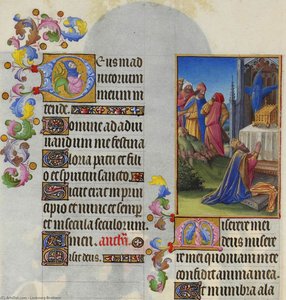
This captivating reproduction transports us directly into the fiery crucible of eternal judgment. Depicting Tiberius, Messalina, and Caligula reproaching one another amidst flames, the scene is not merely a historical tableau but a profound meditation on hubris, consequence, and divine reckoning. The narrative power of this piece lies in its dramatic tension; three figures locked in an argument over sin, standing against a backdrop that suggests both infernal torment and structured judgment. Messalina, positioned centrally, embodies the complex interplay between personal transgression—her admitted lust—and the weighty sins of emperors past. The very air seems thick with accusation as she challenges the monumental failings of Caligula’s incestuous excesses or Tiberius’s political poison.
Gothic Opulence and Classical Subject Matter
The stylistic echoes point toward the masterful hand of the boucicaut master, an anonymous genius whose work flourished during the height of the International Gothic style. While the subject matter—drawn from Roman history and mythology—is decidedly classical, the execution carries the opulent weight characteristic of early 15th-century manuscript illumination. Observe the rich detailing, particularly the incorporation of gold leaf elements, which catch the light even in reproduction, lending an air of unparalleled elegance and aristocratic gravity to the composition. The robes are rendered with meticulous folds, suggesting both high religious status and imperial grandeur, while the visible books flanking the figures hint at the sacred texts that underpin such moral debates.
Symbolism of Fire and Confrontation
The flames surrounding the trio serve as the most potent symbolic element. They are not just background decoration; they are the active medium of judgment itself. In art history, fire universally symbolizes purification, divine wrath, or inescapable truth. Here, it forces a confrontation where words fail and only accountability remains. The composition is inherently confrontational: three distinct personalities arrayed against each other, their hands placed firmly on their hips in postures that suggest both defiance and weary self-justification. This dynamic tension allows the viewer to become an active participant, weighing which sin—lust, political murder, or divine arrogance—carries the heaviest burden.
A Statement for the Discerning Collector
For the collector or designer seeking a piece that marries profound narrative depth with breathtaking artisanal quality, this reproduction offers immense value. The size of 42 x 29 cm allows it to function beautifully as a focal point in an opulent drawing-room, a library, or a formal study. It speaks to a sophisticated appreciation for history, theology, and the pinnacle of pre-Renaissance decorative arts. Owning this piece is not merely acquiring art; it is curating a conversation piece that whispers tales of emperors, divine law, and the enduring human struggle against one's own nature.
Obras relacionadas
![Leyenda De San Francisco - [08] - Visión Del Carro Flamígero — Giotto Di Bondone, Proto-renaissance Gothic](/media/artworks/images-thumb/65/6e/656e345ff55e49ce2e4377a050b85aa1.jpg)
Biografía del artista
The Enigma of the Golden Page: The Boucicaut Master
In the twilight of the Middle Ages, amidst the flickering candlelight of Parisian scriptoriums, an anonymous hand emerged to redefine the boundaries of visual storytelling. Known to history as the Boucicaut Master, or more formally as the Master of the Hours for Marshal Boucicaut, this artist remains one of the most captivating enigmas of Northern European art. Though his true name has been lost to the corridors of time, his presence is felt through the luminous brilliance of his surviving works. Active between 1400 and 1430, he operated at the height of the International Gothic style, a period where the rigid symbolism of the past began to melt into a new, breathtaking naturalism.
The Master’s identity is inextricably linked to his most famous commission: the magnificent Book of Hours for Jean II le Meingre Boucicaut. This lavish manuscript, now preserved in the Musée Jacquemont-André, serves as a window into a world of aristocratic splendor and profound religious devotion. Through these miniature masterpieces, we glimpse an artist who was not merely a decorator of texts but a pioneer of spatial depth. While his contemporaries often focused on flat, iconographic arrangements, the Boucicaut Master experimented with aerial perspective and the subtle interplay of light and shadow, creating atmospheres that felt remarkably breathable and alive.
A Synthesis of Tradition and Innovation
The artistic evolution of the Boucicaut Master represents a pivotal moment in the transition from medieval mysticism to Renaissance observation. His workshop in Paris likely served as a crucible where various European influences converged. While his roots are deeply embedded in the International Gothic tradition—sharing the courtly elegance and meticulous detail found in the works of the Limbourg Brothers—he was also an artist looking toward the horizon. There is a palpable sense that he was absorbing the burgeoning innovations emerging from Italy, particularly the early developments in linear perspective and the realistic rendering of landscapes.
This stylistic synthesis allowed him to achieve something truly unique: the ability to depict sacred narratives with a sense of historical weight and physical reality. In his hands, biblical scenes were no longer just symbols; they became events occurring within structured, believable environments. His mastery is particularly evident in:
- The Manipulation of Light: He utilized light not just to illuminate figures, but to define the very texture of the air and the distance of far-off mountains.
- Narrative Complexity: His compositions often feature a dramatic tension, where characters are locked in profound emotional or moral confrontations.
- Opulent Detail: The use of gold leaf and rich pigments reflects the high status of his patrons, lending an imperial gravity to every miniature.
Legacy of an Anonymous Visionary
The historical significance of the Boucicaut Master lies in his role as a bridge between eras. He stood at the threshold where the decorative beauty of the Gothic era met the scientific curiosity of the Renaissance. By pushing the limits of what could be achieved on the surface of vellum, he paved the way for future generations of painters to explore the depths of human emotion and physical space. Even without a biography written in ink, his legacy is etched in the gold and pigment of the manuscripts he left behind.
To study the works of the Boucicaut Master is to witness the birth of a new way of seeing. He transformed the act of reading a prayer book into an immersive experience of divine and earthly beauty. Though he remains a shadow in the historical record, his light continues to shine through the exquisite, enduring perfection of his illuminated visions, reminding us that true genius requires no name to be immortal.
boucicaut master
France
Datos clave
- Artistic Movement Or Style: International Gothic
- Artists Or Movements Influenced By This Artist: ['Italian Painting']
- Artists Who Influenced This Artist:
- Jacque Coene
- Limbourg Brothers
- Full Name: Boucicaut Master
- Nationality: French
- Notable Artworks:
- Strossmayer Gallery
- Galerie Alte - Neue Meister
- Herzog Gemäldegalerie Alte Meister
- Etching Masters: 10 Legendary Prints That Revolutionized Art
- Proto-Renaissance Masters: 10 Artworks That Changed History
- Place Of Birth: France
Artículos relacionados
El Regreso del Fresco: Murales de Lujo para un Diseño Exclusivo
Descubre el arte del fresco: guía completa sobre técnicas, diseño y aplicaciones de lujo. Expertos en murales personalizados para hoteles y espacios exclusivos. ¡Transforma tu espacio con !
El Crepúsculo Radiante de la Visión Medieval: Fe, Forma y Emotividad en el Arte Gótico Tardío (c. 1300-1500)
Explore el esplendor del arte gótico tardío (c. 1300-1500). Descubra la síntesis de fe, forma y emoción en la pintura internacional, los retablos medievales y la influencia de Giotto. Análisis experto.
Más Allá de las Fronteras: Innovaciones Espirituales y Estilísticas del Arte Gótico Internacional
Descubra las innovaciones espirituales y estilísticas del Arte Gótico Internacional. Análisis profundo de sus orígenes, características clave, influencia en España y legado artístico. Expertos en historia del arte.

Transforming Spaces: A Comprehensive Exploration of Wall Decor Through Art History & Contemporary Practice
Explore the art of transforming spaces with our comprehensive guide to wall decor. From historical movements to contemporary trends, discover how to curate impactful interiors and commission bespoke artwork for a truly personalized aesthetic.
La Sombra de la Fe: Explorando la Intensidad Espiritual y la Innovación Arquitectónica del Arte Gótico
Descubre la profunda espiritualidad y la innovadora arquitectura del arte gótico. Explora la Basílica de Saint-Denis, su simbolismo cristiano y el legado duradero de este fascinante estilo. Análisis experto en ArtsDot.

