

 Enviar
 Compartir
 Detalles

 Descargar
 Similares
 Presentación de diapositivas
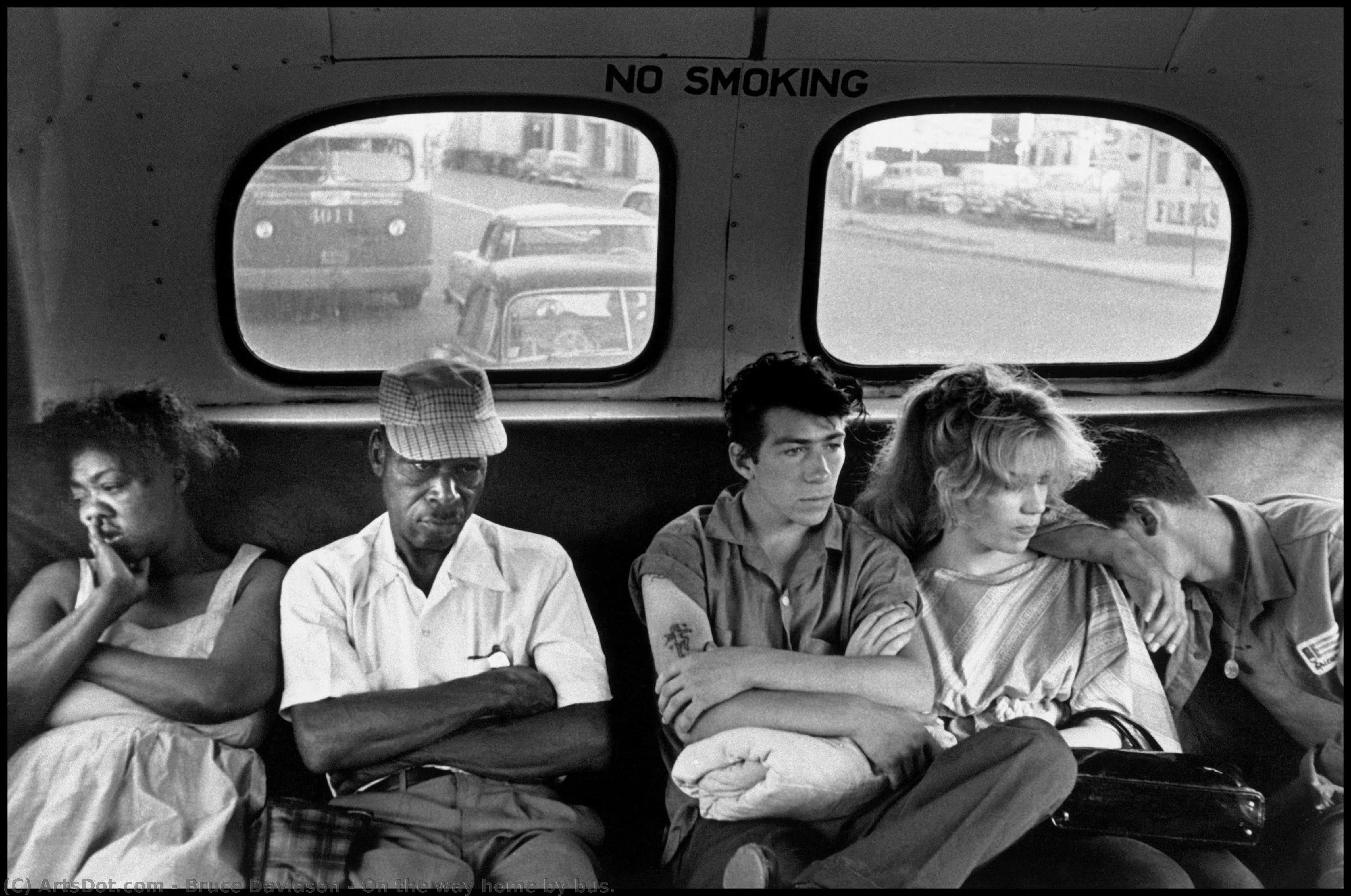
On the way home by bus.


 Ver más
Reproducción al óleo hecha a mano
Óleo sobre lienzo pintado a mano en el tamaño y marco de su elección, realizado por encargo por nuestros artistas. ( Comprar impresión Comprar imagen)




































Elija entre nuestros tamaños predefinidos que respetan las proporciones originales de la obra.

Puede ingresar sus propias dimensiones para adaptarse a un marco o espacio específico. Si el tamaño seleccionado no coincide con las proporciones de la imagen original, recortaremos la obra o extenderemos la pintura con elementos adicionales pintados a mano. Se le enviará una maqueta digital para su aprobación antes de comenzar la producción.
Tenga en cuenta que la vista previa en pantalla no refleja el recorte o la extensión reales. Solo la maqueta mostrará con precisión la composición final.
Si bien existen tamaños personalizados, recomendamos seleccionar una dimensión de la lista predefinida para preservar las proporciones originales.
Tras realizar el pedido, el equipo de ArtsDot.com enviará un correo electrónico al cliente para solicitar instrucciones y proporcionarle una vista previa del boceto.
Envío a todo el mundo () en 3-4 semanas en lugar de las 5 semanas estándar. (28 agosto). Sin comprometer la calidad.

Envío exprés gratuito a todo el mundo

Lienzo de lino de alta calidad

Seguro de envío total

Garantía de reembolso de impuestos aduaneros

Garantía de fidelidad cromática exacta

Política de devolución de 60 días (solo por defectos)

Garantía de devolución del 100% del dinero

Descuento por cantidad
 La opción de vidrio solo está disponible en tamaños inferiores a 110 cm.

On the way home by bus.
Técnica de reproducción
Dimensiones de la reproducción
-


Precio total final
$ 388
A Glimpse into the American Commute: On the Way Home by Bus
To stand before this image is to step directly into the quiet hum of mid-century America. Bruce Davidson’s On the way home by bus, captured in 1959, is far more than a mere record of transit; it is a profound meditation on shared solitude. The photograph arrests us within the confined space of a public conveyance, transforming the mundane act of commuting into an almost cinematic tableau. Davidson, known for his unflinching documentary gaze, has gifted us a moment suspended in time—a black and white whisper from the late 1950s that speaks volumes without uttering a single word.
Compositional Poetry: Light, Line, and Shadow
Technically, the photograph is a masterclass in tonal contrast. The monochromatic palette strips away the distractions of color, forcing the viewer’s attention onto the elemental interplay of light and shadow. Strong horizontal lines—the rigid geometry of the seats, the parallel panes of glass—anchor the composition, lending it a sense of structured calm. Yet, this structure is softened by the organic shapes of the passengers themselves. The natural light streaming through the windows acts as both illuminator and divider, creating pockets of highlight on skin and fabric while allowing deep shadows to pool in the corners. This careful management of illumination gives the scene an incredible depth, pulling the eye from the immediate foreground figures into the hazy suggestion of the world passing by outside.
The Symbolism of Shared Anonymity
Emotionally, the piece resonates with a powerful sense of nostalgia and quiet introspection. The passengers are physically close—shoulder to shoulder, contained within the same metal shell—yet they appear utterly isolated in their own thoughts. This juxtaposition is the heart of the work: the paradox of being together while remaining profoundly alone. It speaks to the universal human experience of anonymity within dense urban life; we share these vessels of passage with strangers, each carrying an untold narrative toward a destination unknown to us. The image invites contemplation on connection, distance, and the quiet dignity found in simply enduring the journey.
A Timeless Aesthetic for Modern Spaces
For those seeking art that transcends fleeting trends, this reproduction offers unparalleled depth. Its documentary realism grounds any interior space with a sense of authentic history, while its stark black and white quality ensures it complements virtually any décor scheme, from minimalist modernism to richly textured traditional settings. The inherent graininess and tonal richness of the original film process lend an immediate patina of age and gravitas. Owning this piece is not just acquiring art; it is curating a moment of thoughtful pause—a visual breath taken away from the clamor of contemporary life, reminding us that even in transit, there is profound beauty to be observed.
Obras relacionadas
Biografía del artista
Bruce Davidson: Una Vida en la Fotografía
- Nacido: 5 de septiembre de 1933, Oak Park, Illinois
- Origen: ArtsDot
- Estado Actual: Vivo
Primeros Años y Magnum Photos
- Servicio Militar: Sirvió en el Cuerpo de Señales del Ejército de los EE. UU. (1955-1957), perfeccionando sus habilidades y documentando la vida en Fort Huachuca, Arizona.
- Encuentros Parisinos: Mientras estaba estacionado cerca de París, conoció a Henri Cartier-Bresson, un momento crucial que llevó a su aceptación en Magnum Photos en 1958. Producio el ensayo fotográfico "Viuda de Montmartre" durante este tiempo.
- Únete a Magnum: Se convirtió en miembro asociado de Magnum Photos en 1958 y en miembro pleno en 1959, solidificando su lugar dentro de un prestigioso colectivo de fotógrafos documentales.
- Primeras Obras: Proyectos iniciales notables incluyen "Brooklyn Gang" (1959), una representación cruda de la vida adolescente, y exploraciones de la cultura británica en 1960.
Documentando el Cambio Social y la Pobreza
- Movimiento por los Derechos Civiles: De 1961 a 1965, Davidson documentó el Movimiento por los Derechos Civiles en todo Estados Unidos, recibiendo una Beca Guggenheim en 1962 para apoyar este extenso proyecto.
- East 100th Street: Quizás su obra más renombrada, "East 100th Street" (1970), es una documentación de dos años sobre la vida en un bloque empobrecido en East Harlem, Nueva York. Este proyecto ofreció una mirada conmovedora e implacable a las realidades enfrentadas por los residentes.
- Subway: A fines de la década de 1970, Davidson dirigió su lente al sistema de metro de la ciudad de Nueva York, creando "Subway", una representación vibrante de este mundo subterráneo.
Obras Posteriores y Legado
- Central Park: A principios de la década de 1990, Davidson exploró Central Park en un proyecto de cuatro años, mostrando su belleza y significado como espacio público dentro de la ciudad de Nueva York.
- Regreso a East 100th Street: Regresó a East 100th Street en 1998 para documentar la revitalización del vecindario, recibiendo un Premio de Beca Individual de la Open Society Institute por este proyecto.
- Dirección Cinematográfica: Davidson también se aventuró en el cine, dirigiendo cortometrajes galardonados como "Living Off the Land" y "El Sueño de Isaac Singer y la Barba de la Sra. Pupko".
- Premios y Reconocimientos: A lo largo de su carrera, Davidson ha recibido numerosos elogios, incluido el Premio a la Contribución Destacada a la Fotografía en los Premios Sony World Photography Awards 2011 y el Premio Infinity al Logro Profesional de por Vida en 2018 del International Center of Photography.
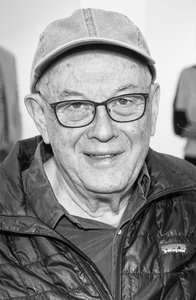
Bruce Davidson
1933 - , Estados Unidos de América
Datos clave
- Artistas Que Influyeron:
- Robert Frank
- Eugene Smith
- Henri Cartier-Bresson
- Fecha De Nacimiento: 5 de septiembre de 1933
- Lugar De Nacimiento: Oak Park, EE. UU.
- Movimiento Artístico: Fotografía documental social
- Nacionalidad: Estadounidense
- Nombre Completo: Bruce Davidson
- Obras Notables:
- Brooklyn Gang
- East 100th Street
- Subway
- Central Park
Artículos relacionados

Monochrome Visions: Exploring the Aesthetic & Historical Significance of Black & White Photography
Explore the rich history & artistic power of black and white photography. From early techniques to iconic masters like Ansel Adams, discover why monochrome continues to captivate art lovers today. Expert insights for collectors.
Witnessing History Through Lens & Light: Documentary Photography's Enduring Legacy
Explore the powerful history of documentary photography – from its origins to contemporary masters like Gordon Parks & W. Eugene Smith. Discover how this art form shapes our understanding of society and witness pivotal moments in time.
Los 10 Maestros de la Fotografía Documental: Obras que Cambiaron el Arte y la Decoración
Descubre los 10 iconos de la fotografía documental que cambiaron el arte. Explora las historias detrás de obras maestras de Dorothea Lange, Robert Capa y más. Reproducciones de alta calidad para decorar tu hogar con arte atemporal en .
Testigos del Tiempo: La Fotografía Documental como Movimiento Artístico y Reflejo Histórico
Explora la historia y el impacto de la fotografía documental. Descubre a los fotógrafos pioneros que capturaron momentos clave y cambiaron nuestra percepción del mundo. Un análisis profundo y visualmente enriquecedor.
Beyond the Lens: Photography's Enduring Influence on Modern & Contemporary Art
Explore photography's pivotal role in shaping modern & contemporary art. Discover key movements, influential artists like Stieglitz, and expert collecting advice from ArtsDot.

