


 Enviar
 Compartir
 Detalles

 Descargar
 Similares
 Presentación de diapositivas
View of Statue of Liberty with the photographer’s reflection


 Ver más
Giclée / Impresión de arte
Impresiones giclée o en lienzo de calidad de museo con producción rápida y opciones de acabado flexibles. ( Comprar pintura hecha a mano Comprar imagen)




































Elija entre nuestros tamaños predefinidos que respetan las proporciones originales de la obra.

Puede introducir sus propias dimensiones para adaptarse a un marco o espacio específico. Si el tamaño seleccionado no coincide con las proporciones de la imagen original, recortaremos la obra de arte o extenderemos la imagen con un borde con efecto espejo o de color sólido. Se enviará una maqueta digital para su aprobación antes de que comience la producción.
Tenga en cuenta que la vista previa en pantalla no refleja el recorte o la extensión real. Solo la maqueta mostrará con precisión la composición final.
Aunque existen tamaños personalizados, recomendamos seleccionar una dimensión de la lista predefinida para preservar las proporciones originales.
Envío a todo el mundo () en 2 semanas en lugar de las 4/5 semanas estándar. (29 agosto)

Envío exprés gratuito a todo el mundo

Lienzo de lino de alta calidad

Seguro de envío total

Garantía de reembolso de impuestos aduaneros

Garantía de fidelidad cromática exacta

Política de devolución de 60 días (solo por defectos)

Garantía de devolución del 100% del dinero

Descuento por cantidad
 La opción de vidrio solo está disponible en tamaños inferiores a 110 cm.

View of Statue of Liberty with the photographer’s reflection
Giclée / Impresión de arte
Dimensiones de la reproducción
-


Precio total final
$ 62
A Moment Frozen in Time: Bruce Davidson’s ‘View of Statue of Liberty with the Photographer’s Reflection’
Bruce Davidson's 1958 photograph, “View of Statue of Liberty with the Photographer’s Reflection,” isn’t merely a depiction of an iconic landmark; it’s a quietly profound meditation on observation, perspective, and the very act of creating art. Captured during a period of significant social and artistic upheaval – the burgeoning era of documentary photography – this black-and-white image transcends its subject matter to become a compelling study in layered meaning and visual storytelling. The photograph immediately draws the viewer in with its stark simplicity: a towering view of the Statue of Liberty, partially obscured by a lamppost, yet dominated by an arresting reflection within that same post. This subtle inclusion isn’t merely a technical detail; it's a deliberate invitation to consider the photographer’s role as both witness and participant in the scene.
Davidson, a key figure in Magnum Photos and renowned for his intimate portraits of marginalized communities, employed techniques honed through mentorship with masters like Robert Frank. The photograph’s documentary style – characterized by its unvarnished realism and focus on capturing authentic moments – is evident in the composition's deliberate use of diagonals created by power lines and architectural elements, guiding the eye towards both the monumental statue and the enigmatic reflection. These lines aren’t simply compositional devices; they speak to the urban landscape of New York City at mid-century, a city grappling with rapid growth and social change. The inclusion of two figures in the background subtly anchors the scene within a broader context of human activity, reminding us that even grand symbols are viewed through the lens of everyday life.
The Language of Light and Shadow
Davidson’s masterful control over light and shadow is crucial to the photograph's impact. The image exists entirely in shades of gray, relying on a dramatic range from deep blacks to bright whites to define form and create an atmosphere of both strength and vulnerability. The harsh, directional lighting emphasizes the statue’s imposing presence while simultaneously highlighting the photographer’s reflection – a ghostly echo superimposed upon the scene. This layering creates a sense of depth and intrigue, inviting the viewer to question what they are seeing and how it is being perceived. The graininess inherent in black-and-white photography adds another layer of texture, lending a tactile quality to the image and reinforcing its documentary roots.
Symbolism and Self-Reflection
Beyond its technical merits, “View of Statue of Liberty with the Photographer’s Reflection” is rich in symbolic meaning. The statue itself, an enduring emblem of American ideals – liberty, democracy, and opportunity – stands as a powerful symbol of national identity. However, Davidson's inclusion of his own reflection within the lamppost introduces a layer of self-awareness and complexity. It suggests that even the act of observing and documenting carries with it a degree of subjectivity. The reflection becomes a mirror reflecting not just the statue but also the photographer’s presence, prompting us to consider how our own perspectives shape our understanding of the world around us.
Furthermore, the solitary figure in the reflection can be interpreted as representing isolation or contemplation – a poignant detail within the bustling urban landscape. The photograph evokes a sense of history, capturing a specific moment in time while simultaneously resonating with timeless themes of observation and self-awareness. It’s a quiet yet powerful statement about the relationship between the observer and the observed, inviting viewers to contemplate their own role as witnesses to the world.
A Reproduction Worth Cherishing
ArtsDot offers meticulously crafted hand-painted reproductions of this iconic photograph, allowing you to bring its evocative power into your home or office. Each reproduction is created by skilled artists using archival-quality materials, ensuring that the image’s rich detail and nuanced tones are faithfully preserved for generations to come. Whether you're an art collector, a design enthusiast, or simply someone seeking a piece of history to admire, this reproduction offers a beautiful and meaningful way to connect with Bruce Davidson’s groundbreaking work.
Obras relacionadas
Biografía del artista
Bruce Davidson: Una Vida en la Fotografía
- Nacido: 5 de septiembre de 1933, Oak Park, Illinois
- Origen: ArtsDot
- Estado Actual: Vivo
Primeros Años y Magnum Photos
- Servicio Militar: Sirvió en el Cuerpo de Señales del Ejército de los EE. UU. (1955-1957), perfeccionando sus habilidades y documentando la vida en Fort Huachuca, Arizona.
- Encuentros Parisinos: Mientras estaba estacionado cerca de París, conoció a Henri Cartier-Bresson, un momento crucial que llevó a su aceptación en Magnum Photos en 1958. Producio el ensayo fotográfico "Viuda de Montmartre" durante este tiempo.
- Únete a Magnum: Se convirtió en miembro asociado de Magnum Photos en 1958 y en miembro pleno en 1959, solidificando su lugar dentro de un prestigioso colectivo de fotógrafos documentales.
- Primeras Obras: Proyectos iniciales notables incluyen "Brooklyn Gang" (1959), una representación cruda de la vida adolescente, y exploraciones de la cultura británica en 1960.
Documentando el Cambio Social y la Pobreza
- Movimiento por los Derechos Civiles: De 1961 a 1965, Davidson documentó el Movimiento por los Derechos Civiles en todo Estados Unidos, recibiendo una Beca Guggenheim en 1962 para apoyar este extenso proyecto.
- East 100th Street: Quizás su obra más renombrada, "East 100th Street" (1970), es una documentación de dos años sobre la vida en un bloque empobrecido en East Harlem, Nueva York. Este proyecto ofreció una mirada conmovedora e implacable a las realidades enfrentadas por los residentes.
- Subway: A fines de la década de 1970, Davidson dirigió su lente al sistema de metro de la ciudad de Nueva York, creando "Subway", una representación vibrante de este mundo subterráneo.
Obras Posteriores y Legado
- Central Park: A principios de la década de 1990, Davidson exploró Central Park en un proyecto de cuatro años, mostrando su belleza y significado como espacio público dentro de la ciudad de Nueva York.
- Regreso a East 100th Street: Regresó a East 100th Street en 1998 para documentar la revitalización del vecindario, recibiendo un Premio de Beca Individual de la Open Society Institute por este proyecto.
- Dirección Cinematográfica: Davidson también se aventuró en el cine, dirigiendo cortometrajes galardonados como "Living Off the Land" y "El Sueño de Isaac Singer y la Barba de la Sra. Pupko".
- Premios y Reconocimientos: A lo largo de su carrera, Davidson ha recibido numerosos elogios, incluido el Premio a la Contribución Destacada a la Fotografía en los Premios Sony World Photography Awards 2011 y el Premio Infinity al Logro Profesional de por Vida en 2018 del International Center of Photography.
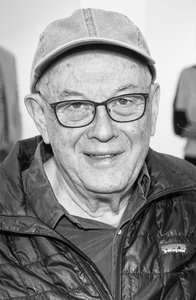
Bruce Davidson
1933 - , Estados Unidos de América
Datos clave
- Artistas Que Influyeron:
- Robert Frank
- Eugene Smith
- Henri Cartier-Bresson
- Fecha De Nacimiento: 5 de septiembre de 1933
- Lugar De Nacimiento: Oak Park, EE. UU.
- Movimiento Artístico: Fotografía documental social
- Nacionalidad: Estadounidense
- Nombre Completo: Bruce Davidson
- Obras Notables:
- Brooklyn Gang
- East 100th Street
- Subway
- Central Park
Artículos relacionados

Monochrome Visions: Exploring the Aesthetic & Historical Significance of Black & White Photography
Explore the rich history & artistic power of black and white photography. From early techniques to iconic masters like Ansel Adams, discover why monochrome continues to captivate art lovers today. Expert insights for collectors.
Beyond the Lens: Photography's Enduring Influence on Modern & Contemporary Art
Explore photography's pivotal role in shaping modern & contemporary art. Discover key movements, influential artists like Stieglitz, and expert collecting advice from ArtsDot.

Las 10 Pinturas Más Famosas Dominadas por el Negro | Arte y Decoración
Descubre las 10 pinturas más impactantes dominadas por el negro. Explora obras maestras de Rembrandt, Goya y Rothko, su historia y significado. Encuentra reproducciones de arte exclusivas para transformar tu hogar en .
Pictorialismo: La Búsqueda del Alma de la Fotografía Artística – Estética, Técnicas y Legado
Descubre el Pictorialismo, un movimiento clave en la historia de la fotografía artística. Explora sus técnicas, figuras emblemáticas y su legado perdurable. Guía experta para coleccionistas y amantes del arte.
Witnessing History Through Lens & Light: Documentary Photography's Enduring Legacy
Explore the powerful history of documentary photography – from its origins to contemporary masters like Gordon Parks & W. Eugene Smith. Discover how this art form shapes our understanding of society and witness pivotal moments in time.

