

 Ver en contexto
 Enviar
 Compartir
 Detalles

 Descargar
 Similares
 Radiografía
 Presentación de diapositivas
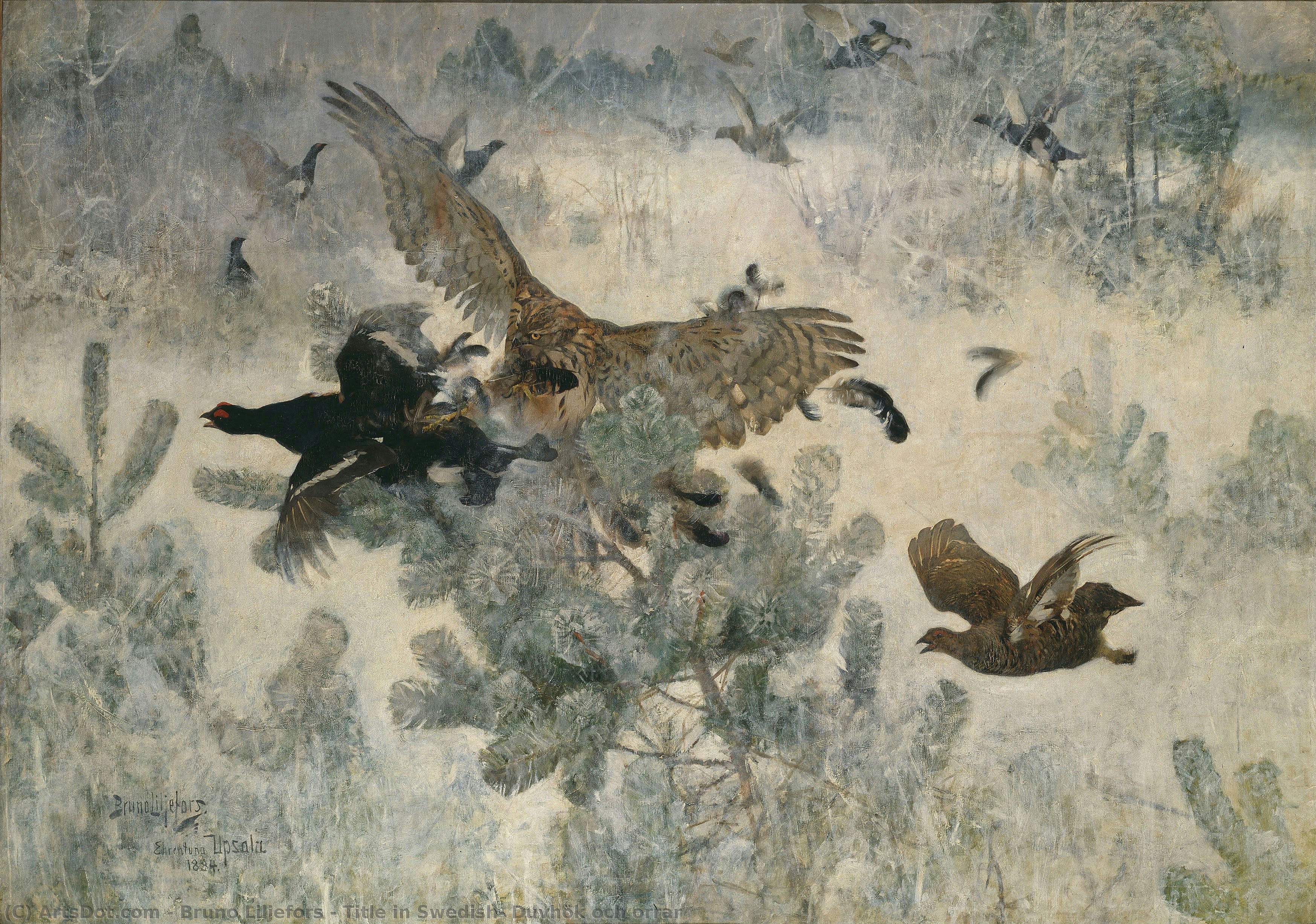
Title in Swedish: Duvhök och orrar
 Acrylic On Canvas
- WallArt
- Impressionistic Techniques
 1884
1884 2030.0 x 1430.0 cm
 Nationalmuseum
 Ver más
Reproducción al óleo hecha a mano
Óleo sobre lienzo pintado a mano en el tamaño y marco de su elección, realizado por encargo por nuestros artistas. ( Comprar impresión Comprar imagen)




P118B $10

P118H $10

P118W $10

P438Z $10

P508JH $12

P508YH $12

P805H $10

P805Z $10

P919BZ $10

P919G $10

P919XJ $10

P959ZH $10

P968JZ $12

W106C $8

W218G $10

W218JH $8

W218Y $10

W307PJ $10

W316G $10

W316PJ $8

W316Y $10

W398PJ $8

W4111J $10

W500HY $15

W500JH $15

W692G $12

W849H $8

W940BG $15

W953PJ $8




Elija entre nuestros tamaños predefinidos que respetan las proporciones originales de la obra.

Puede ingresar sus propias dimensiones para adaptarse a un marco o espacio específico. Si el tamaño seleccionado no coincide con las proporciones de la imagen original, recortaremos la obra o extenderemos la pintura con elementos adicionales pintados a mano. Se le enviará una maqueta digital para su aprobación antes de comenzar la producción.
Tenga en cuenta que la vista previa en pantalla no refleja el recorte o la extensión reales. Solo la maqueta mostrará con precisión la composición final.
Si bien existen tamaños personalizados, recomendamos seleccionar una dimensión de la lista predefinida para preservar las proporciones originales.
Tras realizar el pedido, el equipo de ArtsDot.com enviará un correo electrónico al cliente para solicitar instrucciones y proporcionarle una vista previa del boceto.
Envío a todo el mundo () en 3-4 semanas en lugar de las 5 semanas estándar. (23 agosto). Sin comprometer la calidad.

Envío exprés gratuito a todo el mundo

Lienzo de lino de alta calidad

Seguro de envío total

Garantía de reembolso de impuestos aduaneros

Garantía de fidelidad cromática exacta

Política de devolución de 60 días (solo por defectos)

Garantía de devolución del 100% del dinero

Descuento por cantidad
 La opción de vidrio solo está disponible en tamaños inferiores a 110 cm.

Title in Swedish: Duvhök och orrar
Técnica de reproducción
Dimensiones de la reproducción
-


Precio total final
$ 263
Descripción de la obra
A Symphony of Winter’s Grip: Exploring Bruno Liljefors' Duvhök och Orrar
Bruno Liljefors’ “Duvhök och Orrar” – translated as “Hawk and Owls” – isn’t merely a painting; it’s a distillation of the Swedish winter landscape, imbued with an arresting immediacy that speaks to both scientific observation and profound artistic emotion. Completed in 1884, this monumental canvas embodies Liljefors' signature style: a breathtakingly realistic portrayal of wildlife interwoven with Impressionistic brushstrokes that capture the ephemeral beauty of fleeting moments. It resides within the Uppsala Kunsthalle’s collection, securing its place as one of Sweden’s most treasured artistic achievements.The Scene Unfolds: Observation and Artistic Capture
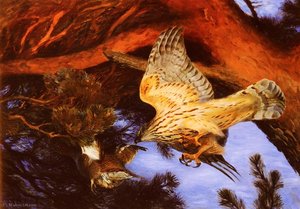
The painting depicts a snowy field teeming with black grouse – *Tetrao tetrax* – their plumage rendered in meticulous detail against the stark white expanse. Dominating the composition is a goshawk (*Accipiter gentilis*) poised mid-strike, its powerful wings outstretched as it pursues a juvenile hawk. Liljefors’ genius lies not just in accurately depicting these birds but in conveying the palpable tension of their encounter – the drama of survival played out against the backdrop of winter's unforgiving cold. He meticulously recreated this scene outdoors, applying grey-white paint thinly with a half-dry brush to achieve an atmospheric effect that perfectly embodies the swirling snow and biting wind characteristic of Ärentuna, north of Uppsala where Liljefors spent his winters.Technique and Impressionistic Vision
Liljefors’ technique was revolutionary for its time. Rejecting academic conventions, he embraced Impressionism's focus on capturing light and color as perceived by the eye – a bold departure from traditional artistic representations. Yet, unlike many Impressionists who prioritized fleeting impressions, Liljefors combined this approach with painstaking anatomical accuracy. He painstakingly studied specimens of hawks and grouse, meticulously sketching them before applying his vibrant palette to canvas. The resulting texture is remarkable; visible brushstrokes create a sense of movement and dynamism, mirroring the frantic activity of the birds themselves. This layering of technique – observation coupled with Impressionistic artistry – elevates “Duvhök och Orrar” beyond mere depiction into an immersive experience for the viewer.Historical Context: Liljefors' Pursuit of Naturalism
Liljefors’ artistic endeavors were driven by a fervent belief in the importance of portraying nature truthfully. He was deeply influenced by Darwinian theory, recognizing the interconnectedness of all living organisms and striving to capture their essence with uncompromising realism. The painting reflects the broader intellectual currents of its era – a burgeoning interest in scientific inquiry alongside an appreciation for the sublime beauty of the natural world. It stands as testament to Liljefors’ conviction that art could illuminate the wonders of existence and inspire awe.Symbolism: More Than Just Birds
Beyond its stunning visual impact, “Duvhök och Orrar” carries symbolic weight. The hawk represents power and dominance, while the juvenile hawk symbolizes vulnerability and innocence – a poignant juxtaposition reflecting the cyclical nature of life and death within the ecosystem. The snow itself serves as a metaphor for hardship and resilience, mirroring Liljefors’ own unwavering dedication to his craft despite facing considerable challenges during his lifetime. Ultimately, the painting invites contemplation on themes of predation, survival, and the enduring beauty of the natural world.Emotional Resonance: A Masterpiece That Still Captivates
“Duvhök och Orrar” transcends mere artistic skill; it evokes a profound emotional response. The painting’s dynamism captures the thrill of observation, transporting the viewer to the frozen landscape of Ärentuna and immersing them in the drama of the avian world. It speaks to our primal fascination with wildlife and reminds us of the fragility of existence within the grand scheme of nature. Liljefors' ability to convey both scientific precision and emotional depth solidified his legacy as one of Sweden’s greatest artists—a painter who dared to confront the sublime beauty and inherent brutality of the natural world, resulting in a timeless masterpiece that continues to inspire admiration and contemplation today.Obras relacionadas

Biografía del artista
Vida Temprana y Formación (1864-1883)
- Nacimiento: Carl Larsson nació el 28 de septiembre de 1864 en Estocolmo, Suecia. Fue el cuarto de cinco hijos de Johan Larsson, un oficial naval, y Carolina Charlotta Andersson.
- Primeros Años: Su infancia estuvo marcada por la inestabilidad económica debido a los problemas financieros de su padre. La familia se mudó varias veces durante sus primeros años.
- Educación Artística Inicial: Comenzó a mostrar interés por el arte desde una edad temprana y recibió algunas lecciones básicas de dibujo. En 1879, ingresó en la Escuela de Bellas Artes de Estocolmo (Kungliga Konsthögskolan).
- Influencias Tempranas: Durante sus estudios iniciales, se vio influenciado por el arte realista y naturalista predominante en Suecia.
Primeros Éxitos y Viajes (1883-1890)
- Matrimonio con Karin Bergöö: En 1883, se casó con Karin Bergöö, una mujer de una familia acomodada que le brindó apoyo financiero y emocional.
- Viajes a París: Entre 1885 y 1890, realizó varios viajes a París, donde estudió arte y se familiarizó con las tendencias impresionistas y postimpresionistas.
- Primeras Exposiciones: Participó en algunas exposiciones de arte en Estocolmo durante este período, obteniendo reconocimiento por su talento.
- Influencias Parísinas: En París, se vio influenciado por artistas como Pierre-Auguste Renoir y Edgar Degas, lo que se reflejó en su estilo artístico.
La Creación del Hogar Larsson y el Estilo Artístico (1890-1910)
- Construcción de Bofors: En 1890, la familia Larsson se mudó a Bofors, una propiedad cerca de Laxå, donde construyeron una casa diseñada por el arquitecto Axel Anderberg.
- El Hogar como Estudio: La casa de Bofors se convirtió en su estudio y fuente de inspiración. Pintó numerosas escenas de la vida familiar y del entorno rural circundante.
- Desarrollo del Estilo Artístico: Su estilo artístico evolucionó hacia un enfoque más luminoso, alegre y naturalista, caracterizado por colores vibrantes y pinceladas sueltas.
- Temas Recurrentes: Sus obras se centraron en temas como la vida familiar, los niños jugando, el paisaje rural y las actividades cotidianas.
Logros Destacados y Reconocimiento Internacional (1910-1914)
- Exposiciones Internacionales: Participó en numerosas exposiciones de arte internacionales, incluyendo la Exposición Universal de París en 1900.
- Reconocimiento Crítico: Recibió elogios de la crítica por su habilidad para capturar la alegría y la espontaneidad de la vida cotidiana.
- Publicación de Álbumes Familiares: Publicó varios álbumes familiares que documentaban la vida en Bofors, lo que contribuyó a su popularidad internacional.
- Miembro de Academias de Arte: Fue nombrado miembro de varias academias de arte prestigiosas, incluyendo la Real Academia Sueca de Bellas Artes.
Legado e Importancia Histórica (1914-Presente)
- Influencia en el Arte Moderno: Su obra influyó en el desarrollo del arte moderno, especialmente en la pintura naturalista y alegre.
- Representación de la Vida Familiar Sueca: Se le considera un importante representante de la vida familiar sueca a finales del siglo XIX y principios del XX.
- Popularidad Duradera: Sus obras siguen siendo populares en todo el mundo, apreciadas por su belleza, alegría y capacidad para evocar recuerdos nostálgicos.
- Fallecimiento y Legado Final: Falleció el 28 de enero de 1914, dejando un legado artístico duradero que continúa inspirando a artistas y amantes del arte en todo el mundo.
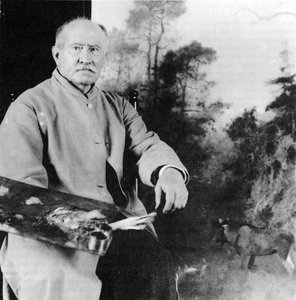
Bruno Liljefors
1860 - 1939 , Suecia
Datos clave
- Artistic Movement Or Style: Impresionismo sueco
- Artists Or Movements Influenced By This Artist:
- Diseño de interiores sueco
- Pintura familiar moderna
- Artists Who Influenced This Artist:
- Claude Monet
- Pierre-Auguste Renoir
- Date Of Birth: 28 de mayo de 1855
- Date Of Death: 28 de enero de 1919
- Full Name: Carl Larsson
- Nationality: Sueco
- Notable Artworks:
- Midsummer Celebration
- Karin Sealing Letters
- Christmas Morning at Home
- Sunlit Springtime
- Place Of Birth: Estocolmo, Suecia
Artículos relacionados
Feathered Visions: A Historical & Artistic Exploration of Birds in Painting
Explore the rich history of birds in painting! Discover symbolism, artistic movements & master artists like Audubon. High-quality reproductions available at ArtsDot.

Impresionismo: 10 Obras Maestras que Capturan la Luz y el Momento
Descubre 10 obras maestras del impresionismo de Monet, Renoir y Degas. Explora la luz, el color y las historias detrás de estos icónicos cuadros. Reproducciones de arte en ArtsDot.com para decorar tu hogar con estilo.
The Pursuit of Power & Prestige: Hunting Scenes in Western Art
Explore the rich history of hunting scenes in Western art, from royal pursuits to powerful allegories. Discover masterpieces & expert insights for discerning collectors. ArtsDot offers museum-quality reproductions.
Impresionismo y Postimpresionismo: Una Exploración de la Evolución Artística y sus Distinciones Clave
Explora la evolución del Impresionismo al Postimpresionismo. Descubre sus características, artistas clave y las diferencias esenciales en este análisis experto.

Paul Cézanne: Las 25 Obras Maestras que Definieron el Arte Moderno | ArtsDot
Descubre las 25 obras maestras de Paul Cézanne que revolucionaron el arte moderno. Explora su técnica, inspiración y significado en paisajes, bodegones y retratos. Reproducciones de alta calidad para decorar tu hogar con arte inolvidable. ¡Explora la colección completa en ArtsDot.com!

