

 Ver en contexto
 Enviar
 Compartir
 Detalles

 Descargar
 Similares
 Radiografía
 Presentación de diapositivas
 Estadísticas
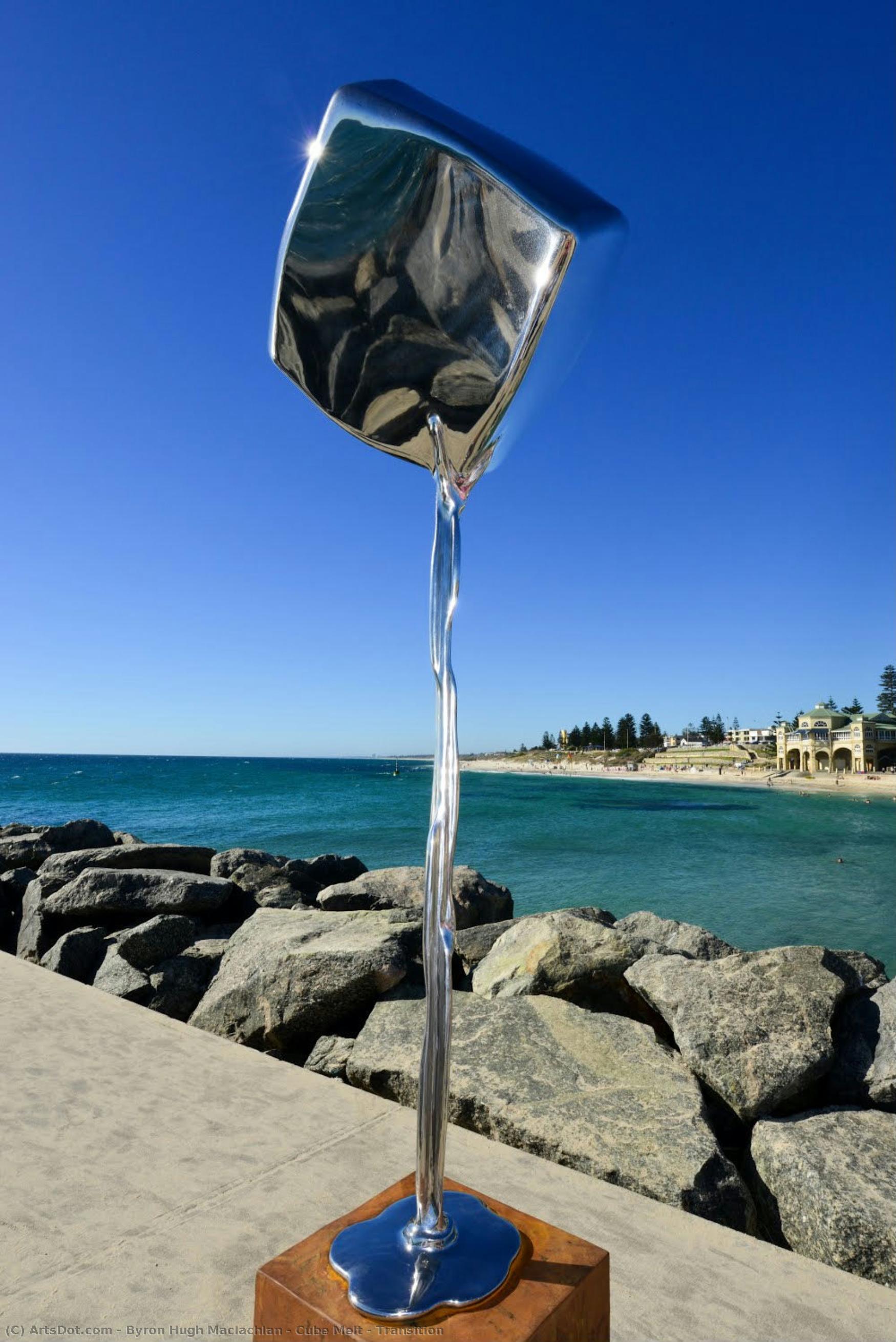
Cube Melt - Transition

 Ver más
Giclée / Impresión de arte
Impresiones giclée o en lienzo de calidad de museo con producción rápida y opciones de acabado flexibles. ( Comprar pintura hecha a mano Cambiar a imagen digital)




































Elija entre nuestros tamaños predefinidos que respetan las proporciones originales de la obra.

Puede introducir sus propias dimensiones para adaptarse a un marco o espacio específico. Si el tamaño seleccionado no coincide con las proporciones de la imagen original, recortaremos la obra de arte o extenderemos la imagen con un borde con efecto espejo o de color sólido. Se enviará una maqueta digital para su aprobación antes de que comience la producción.
Tenga en cuenta que la vista previa en pantalla no refleja el recorte o la extensión real. Solo la maqueta mostrará con precisión la composición final.
Aunque existen tamaños personalizados, recomendamos seleccionar una dimensión de la lista predefinida para preservar las proporciones originales.
Envío a todo el mundo () en 2 semanas en lugar de las 4/5 semanas estándar. (8 septiembre)

Envío exprés gratuito a todo el mundo

Lienzo de lino de alta calidad

Seguro de envío total

Garantía de reembolso de impuestos aduaneros

Garantía de fidelidad cromática exacta

Política de devolución de 100 días (solo por defectos)

Garantía de devolución del 100% del dinero

Descuento por cantidad
 La opción de vidrio solo está disponible en tamaños inferiores a 110 cm.

Cube Melt - Transition
Giclée / Impresión de arte
Dimensiones de la reproducción
-


Precio total final
$ 62
Obras relacionadas

Biografía del artista
Byron Hugh Maclachlan: Sculptor of Fluid Steel
Byron Hugh Maclachlan (1900 – 1991) emerged from the pastoral landscapes of South Australia, shaping a distinctive artistic vision rooted in observation and experimentation. His sculptures are characterized by an arresting simplicity—polished stainless steel forms that capture the essence of movement and transformation, mirroring the dynamic interplay between light and environment. Maclachlan’s approach to art was deeply personal, driven by a fascination with capturing fleeting moments and conveying profound emotional resonance.Early Life and Education
Born in Williamstown, South Australia, on August 4th, 1900, Maclachlan pursued his artistic inclinations through formal training at RMIT (Royal Melbourne Institute of Technology) between 1924 and 1927, specializing in goldsmithing and sculpture. This formative period instilled a foundational understanding of material manipulation and aesthetic principles that would inform his subsequent creative endeavors. His brother Ian Maclachlan also pursued artistic pursuits, demonstrating a familial commitment to creative expression. He was educated at the Collegiate School of St Peter, where he developed an early appreciation for craftsmanship and design—influences that would permeate his entire artistic career.The Influence of Landscape and Material Exploration
Maclachlan’s artistic sensibilities were profoundly shaped by the rugged beauty of Tasmania—where he established his studio in Deloraine in 1980—and particularly by the Tasmanian coastline. The ceaseless rhythm of the Meander River served as a constant source of inspiration, mirroring the fluidity and dynamism inherent in his sculptural process. He meticulously crafted his sculptures from heavy stainless steel rods and plates, employing techniques honed through years of experience. This painstaking method ensured that each piece embodied not merely form but also the spirit of its creation—a deliberate reflection of the artist’s engagement with the material itself. “Nothing could be further from the truth,” he stated, “the sculpture starts life as pieces of heavy stainless steel rods and plate and are welded, ground and polished.”Sculptural Technique and Artistic Philosophy
Maclachlan's sculptures stand apart due to their remarkable surface finish, achieved through grinding and polishing stainless steel to a mirror sheen. This technique deliberately simulates the illusion of flowing movement, despite the inherent rigidity of the metal—a masterful demonstration of artistic deception and conceptual exploration. He believed that the creative process was inseparable from the finished sculpture, allowing him to translate spontaneous ideas into tangible forms. “The polished surface of the figure also wears the environment as a second skin,” he remarked, “reflecting all the changes of light and sky in a dynamic way; nothing remains static.” This dedication to craftsmanship underscored his conviction that art should communicate emotion and capture the essence of experience. He sought to convey a sense of transformation—the metamorphosis from solid metal into an ethereal representation of movement.Notable Achievements and Legacy
Maclachlan’s sculptures gained recognition within Australia's artistic community and beyond. His work was exhibited at St Hugh’s College in Oxford, UK, showcasing his commitment to sharing his vision with a global audience. Furthermore, he contributed to Dublin City Gallery The Hugh Lane, presenting Irish and international art from the 19th century to the public free of charge. Maclachlan's enduring legacy resides in his ability to distill complex concepts into deceptively simple forms—a testament to his artistic genius and unwavering devotion to exploring the transformative power of sculpture. His pieces continue to inspire contemplation on themes of fluidity, permanence, and perception—solidifying his place as a pivotal figure in contemporary Australian art.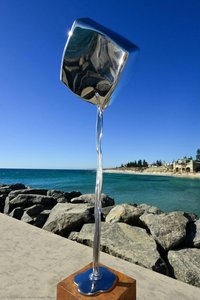
Hugh Maclachlan
1955 - , Australia
Datos clave
- Artistic Movement Or Style: Figurative Sculpture
- Date Of Birth: August 7, 1900
- Full Name: Byron Hugh Maclachlan
- Nationality: Australian
- Notable Artworks: ['Cube Melt - Transition']
- Place Of Birth: Williamstown, Australia