

 Vista previa
 Compartir
 Compartir
 Ver detalles

 Descargar
 Ver similares
 Radiografía
 Presentación de diapositivas
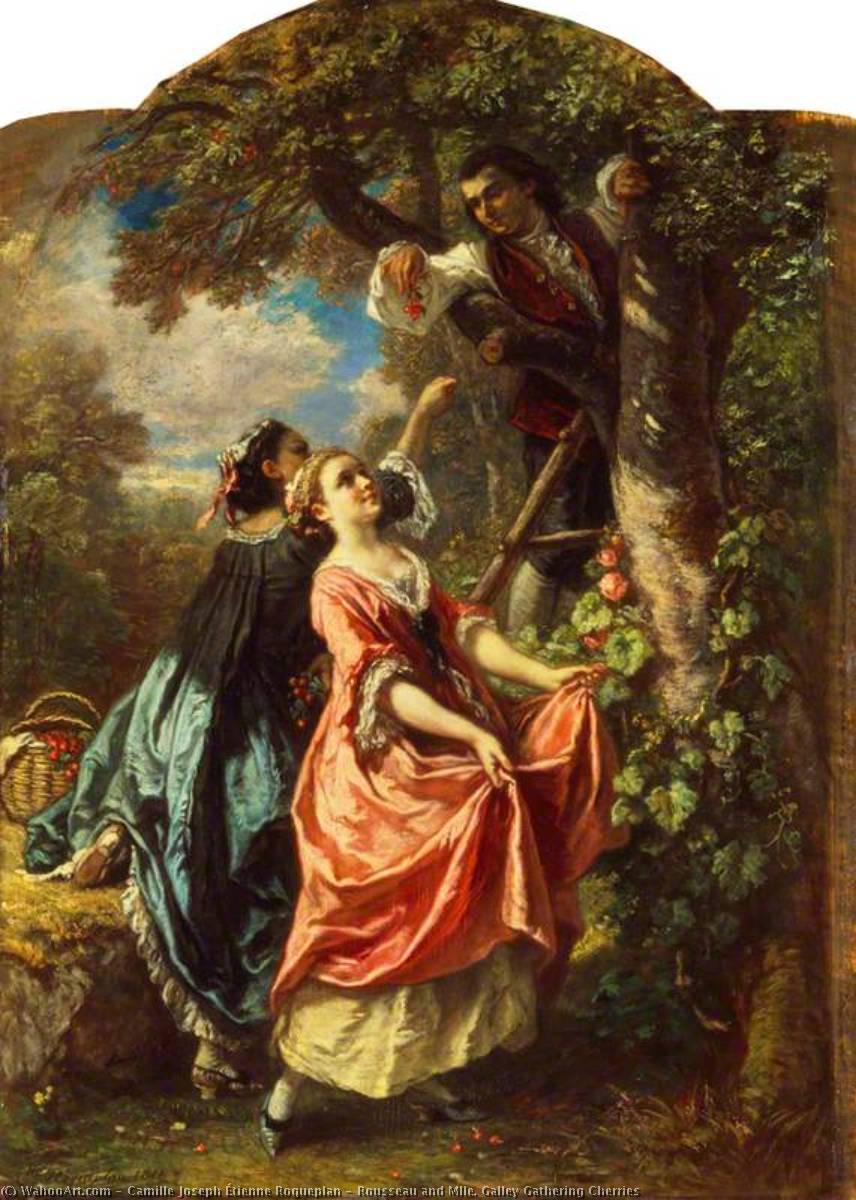
Rousseau and Mlle. Galley Gathering Cherries
 Romanticism
 1851
1851 66.0 x 48.0 cm
 The Wallace Collection
 Leer más
Giclée / Impresión de arte
Impresiones giclée o en lienzo de calidad de museo con producción rápida y opciones de acabado flexibles. ( Encargar reproducción pintada a mano Comprar descarga)




































Elija entre nuestros tamaños predefinidos que respetan las proporciones originales de la obra.

Puede introducir sus propias dimensiones para adaptarse a un marco o espacio específico. Si el tamaño seleccionado no coincide con las proporciones de la imagen original, recortaremos la obra de arte o extenderemos la imagen con un borde con efecto espejo o de color sólido. Se enviará una maqueta digital para su aprobación antes de que comience la producción.
Tenga en cuenta que la vista previa en pantalla no refleja el recorte o la extensión real. Solo la maqueta mostrará con precisión la composición final.
Aunque existen tamaños personalizados, recomendamos seleccionar una dimensión de la lista predefinida para preservar las proporciones originales.
Envío a todo el mundo () en 2 semanas en lugar de las 4/5 semanas estándar. (21 agosto)

Envío exprés gratuito a todo el mundo

Lienzo de lino de alta calidad

Seguro de envío completo

Garantía de reembolso de aranceles aduaneros

Garantía de fidelidad cromática exacta

Política de devolución de 60 días (solo por defectos)

Garantía de devolución del 100% del dinero

Oferta por volumen
 La opción de vidrio solo está disponible en tamaños inferiores a 110 cm.

Rousseau and Mlle. Galley Gathering Cherries
Giclée / Impresión de arte
Tamaño de la reproducción
-


Precio total
$ 62
Obras relacionadas

Biografía del artista
Camille Joseph Etienne Roqueplan: A Romantic Vision of Dauphine Landscapes
Camille Joseph Etienne Roqueplan (18 February 1802/03 – 29 September 1855) was a French Romantic painter whose canvases captured the serene beauty of the Dauphiné region and explored themes of rural life, familial affection, and artistic contemplation. Born in Mallemort, Roqueplan’s early aptitude for drawing—evident in his habit of correcting his classmates—suggested an innate talent that would shape his artistic trajectory. Unlike many aspiring artists of his time who viewed painting as a vocation burdened by obligation, Roqueplan initially resisted the pressure to pursue it professionally, desiring instead a pastime rooted in pleasure and creativity. His father’s encouragement to embrace art ultimately spurred him toward formal instruction, though he confessed to finding the forced lessons distasteful. Driven by an aversion to academic pursuits, Roqueplan turned his attention to medicine, progressing as far as anatomy classes—a subject he found profoundly unappealing—and failing the examination. This setback led him into a clerkship position within the Ministry of Finance, where his father worked, providing a brief respite from artistic endeavors. However, recognizing the limitations of this path, Roqueplan returned to painting, diligently honing his skills through observation and study with local artists who advised him to seek guidance from established masters. A pivotal moment arrived when he secured a place in the studios of Abel de Pujol at the École des Beaux-Arts. Yet, Pujol’s influence proved disappointing; he offered little encouragement or genuine attention, prompting Roqueplan to abandon his studies after three years—perhaps due to lessened pressure compared to Pujol's tutelage. Undeterred by this setback, Roqueplan continued his artistic journey, studying with Antoine Gros, whose instruction was equally sparse. Despite Gros’s lack of enthusiasm, Roqueplan persevered for several more years, recognizing that a supportive environment fostered growth. Roqueplan’s breakthrough came through participation in the Salon of 1822, where he garnered considerable acclaim and secured a prestigious gold medal—a testament to his burgeoning talent and dedication. Subsequently, he accepted a teaching position at the École itself, shaping the artistic sensibilities of students like Charles-Théodore Frère, Prosper Mérilhat, Marie-Alexandre Lalotie, Eugène Lami, Constant Troyon, and Marie Elisabeth Blavot—artists who would go on to achieve considerable renown in their own right. His landscapes, particularly those depicting the Dauphiné, exemplify the Romantic movement’s fascination with unspoiled nature and its desire to convey emotion through visual representation. Works such as “Rousseau and Mlle. Galley Gathering Cherries” and “Summer Pleasures” showcase Roqueplan's masterful technique—characterized by luminous color palettes and meticulous attention to detail—reflecting his profound admiration for the idyllic beauty of rural France. Furthermore, "Peasants of Béarn" captures a poignant portrayal of familial bonds amidst the pastoral landscape. Camille Joseph Etienne Roqueplan’s legacy extends beyond his individual paintings; he stands as an influential teacher who nurtured the artistic vision of a generation and cemented his place as a significant figure in French Romantic art history.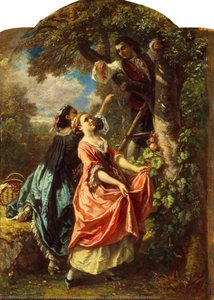
camille joseph étienne roqueplan
1803 - 1855
Datos clave
- Artistic Movement Or Style: Romanticism
- Artists Or Movements Influenced By This Artist: ['Antoine Gros']
- Artists Who Influenced This Artist: ['Abel de Pujol']
- Date Of Birth: 1802/03
- Date Of Death: 1855
- Full Name: Camille Joseph Etienne Roqueplan
- Nationality: French
- Notable Artworks:
- Rousseau and Mlle. Galley Gathering Cherries
- Summer Pleasures
- Peasants of Béarn
- Place Of Birth: Mallemort
Artículos relacionados
Romantic Realism's Finest: 10 Masterpieces for Your Home | ArtsDot
Explore 10 defining masterpieces of Romantic Realism! Discover Courbet, Millet & Daumier's powerful paintings—capturing emotion and social realities. Find museum-quality reproductions for your home at ArtsDot.com.
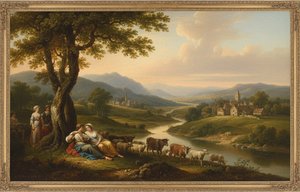
Idyllic Visions: Exploring the Pastoral Tradition in Western Art – Themes, Techniques & Enduring Appeal
Explore the rich history of pastoral art from classical Arcadia to contemporary interpretations. Discover key artists, themes & collecting tips at ArtsDot.
Idyllic Visions: Exploring the Pastoral Scene in Art History – From Arcadia to Modern Interpretations
Explore the captivating history of pastoral art from classical Arcadia to modern masterpieces. Discover key artists like Millet & Cole at ArtsDot. Find serene landscape paintings for your home.
El Siglo XIX en el Arte: 10 Obras Maestras para Decorar con Historia y Estilo
Descubre 10 obras maestras del siglo XIX: Monet, Goya y más. Explora el impresionismo, realismo y romanticismo que definieron una época. Encuentra reproducciones de arte exclusivas para decorar tu hogar con estilo en ArtsDot.com.
The Evocative Embrace of Reality: Exploring Romantic Realism in 19th-Century Painting
Explore the captivating world of Romantic Realism! Discover key artists like Courbet & Millet, masterpieces, and the social context behind this influential art movement. Expert insights for collectors at ArtsDot.

